






NEWS
Categories List
Recent Posts
 Netherlands Client Delegation Visits Our Factory to Advance European Highway Guardrail CooperationOct 10, 2026
 AASHTO M180 Guardrail Requirements: A Practical Guide to Material ComplianceOct 10, 2026
 Port Safety Barriers: Selecting Protection for Vehicle Lanes and Loading AreasOct 10, 2026
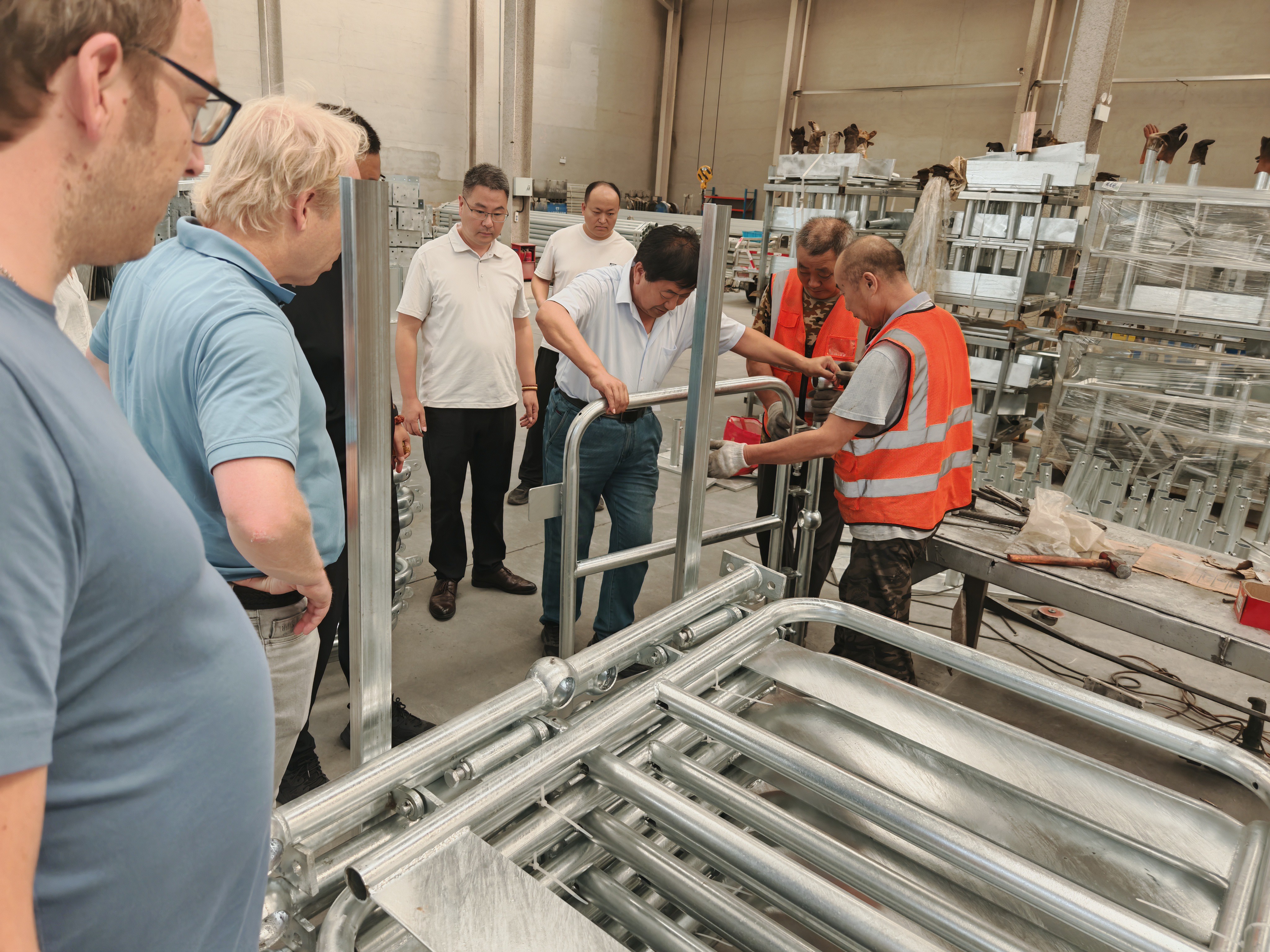
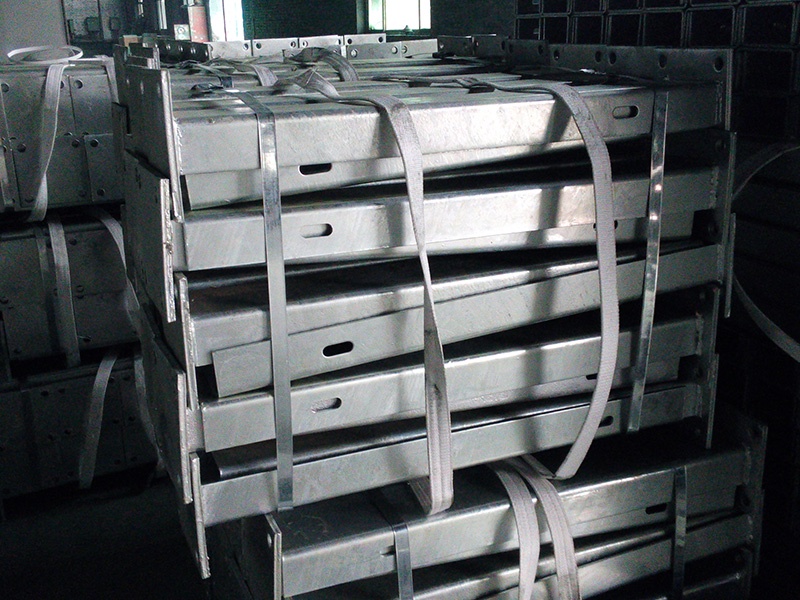
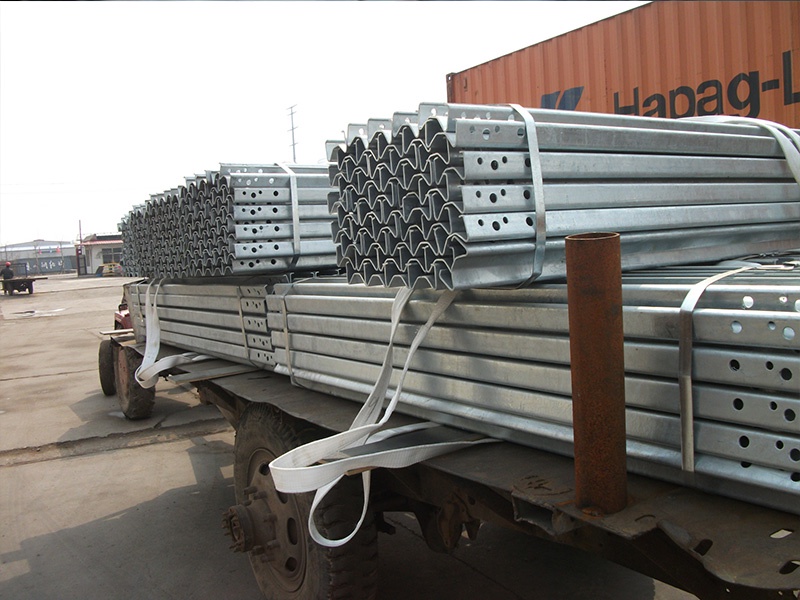
Choosing the right AASHTO M180 Guardrail can shape the safety, approval speed, and life-cycle cost of a highway project. It is not only a compliance issue. It is also a practical design decision.
For roadworks with clear roadside hazards, moderate to high traffic exposure, and long service expectations, AASHTO M180 Guardrail is often a strong fit. The key is knowing where it works best, and where extra detailing matters.
If the project includes custom alignment, bridge transitions, or corrosion-heavy environments, the standard can still work well when manufacturing and installation follow the drawings closely. That includes drilling, bending, shot peening, galvanizing, and inspection control.
Where AASHTO M180 Guardrail Usually Makes Sense
AASHTO M180 Guardrail is commonly selected for highways that need proven roadside protection without overcomplicating procurement. It fits many new-build and rehabilitation jobs because the standard is widely recognized and easier to review.
It is especially practical when the roadway has embankments, fixed objects, median openings, ramps, or bridge approaches. In these areas, consistent barrier performance matters more than simply installing steel at the edge of pavement.
- Use AASHTO M180 Guardrail on corridors with predictable vehicle impact risk, where standard beam geometry, tested performance, and easier compliance review can reduce redesign time and approval delays.
- Choose it for rehabilitation work when existing roadside protection is outdated, damaged, or inconsistent, and the project needs a reliable replacement that aligns with common highway safety practice.
- It fits bridge approaches, median transitions, and ramp zones when drawings clearly define post spacing, terminal details, and connection requirements to avoid weak spots during installation.
- For coastal or wet regions, pair AASHTO M180 Guardrail with strong corrosion protection, because long-term field performance depends as much on finish quality as on steel section selection.
Key Checks Before You Confirm the Standard
Before specifying AASHTO M180 Guardrail, check the actual hazard, not just the road class. A low-speed local segment may not need the same system detail as an expressway ramp with tight curvature and limited recovery area.
It also helps to review constructability early. Some projects fail in the field because the layout looked acceptable on paper, but post locations conflicted with drainage, utilities, or deck edge conditions.
- Review terrain, drainage, and shoulder width early, because AASHTO M180 Guardrail needs enough working room to perform properly and maintain consistent post installation quality.
- Confirm the barrier transition details at structures and terminals, since many field issues come from mismatched components rather than from the guardrail beam itself.
- Check coating requirements against the local environment, especially near coastal roads or industrial zones, where salt and moisture can shorten service life if protection is underspecified.
Sections That Need More Than a Basic Layout
Some highway sections need more stiffness and impact resistance than a routine run of barrier. Think bridge sections, median strip openings, ramp divergences, pier protection zones, and high-risk expressway segments.
In these locations, connection strength and system continuity become critical. A reinforced component such as Fish Plate Connector can support higher crash performance by improving stiffness and limiting bending deformation after impact.
Made from high-quality hot-rolled steel plates, this type of connector is useful where minimal deformation and strong protection are priorities. With suitable zinc-aluminum-magnesium or powder coating options, it can also support long service life in salt-fog environments.
Bridge approaches and transitions
AASHTO M180 Guardrail works well here when transition detailing is carefully designed. The common mistake is treating the bridge approach like a normal roadside run. It is not.
Check stiffness changes, anchorage, and alignment continuity. If these are overlooked, impact energy may concentrate at the wrong point, increasing damage risk even when the rail itself meets specification.
Coastal highways and corrosive zones
AASHTO M180 Guardrail is often a good choice in these areas, but only if corrosion protection is planned from the start. Galvanizing quality, surface treatment, and coating thickness should not be left as late procurement decisions.
When manufacturing follows project drawings and environmental exposure data, the barrier system becomes much more predictable in service. That lowers future repair frequency and helps protect the original safety intent.
Execution Points That Save Time Later
AASHTO M180 Guardrail projects usually run smoother when design, fabrication, and site work are connected early. Quotation alone is not enough. The fabrication team should understand the alignment, hazard zones, and field constraints.
Custom manufacturing helps when standard lengths or connection details do not fit the site neatly. Producing to your drawings can reduce on-site cutting, mismatch, and rework, especially on ramps and structure-adjacent sections.
- Ask for drawing-based manufacturing when the route includes curves, structures, or irregular spacing, so drilled holes, formed sections, and connection points arrive ready for accurate installation.
- Request process control records for rust removal, non-destructive testing, galvanizing, and painting, because these steps directly affect durability, acceptance, and long-term maintenance performance.
- Plan installation sequencing with civil works and utility teams, since delayed post placement or last-minute relocation can compromise the intended AASHTO M180 Guardrail performance envelope.
- Inspect transitions and special connectors after installation, not just the straight runs, because performance failures often begin at joints, bridge ends, and other discontinuity points.
A Practical Way to Decide
If the project needs a recognized roadside barrier standard, reliable manufacturing control, and adaptable detailing for real field conditions, AASHTO M180 Guardrail is usually a sound option.
The best results come from matching the standard to the actual risk, then supporting it with accurate drawings, controlled fabrication, and proper installation. That is where performance, compliance, and cost control start to align.
A simple next step is to review your hazard locations, transitions, and corrosion exposure together, then confirm whether a standard run, a custom layout, or a reinforced connection detail will serve the road better.
Leave A Reply
Need More Details?
Contact me for details on creating and managing design projects, project features, and services and prices
consult
Our company was established in 1998. It‘s a Chinese pioneer enterprise integrating production and sales, committed to providing high-quality steel products to customers at home and abroad.

First class quality service and professional after-sales team.
Get in Touch
*We respect your confidentiality and all information are protected.