






NEWS
Categories List
Recent Posts
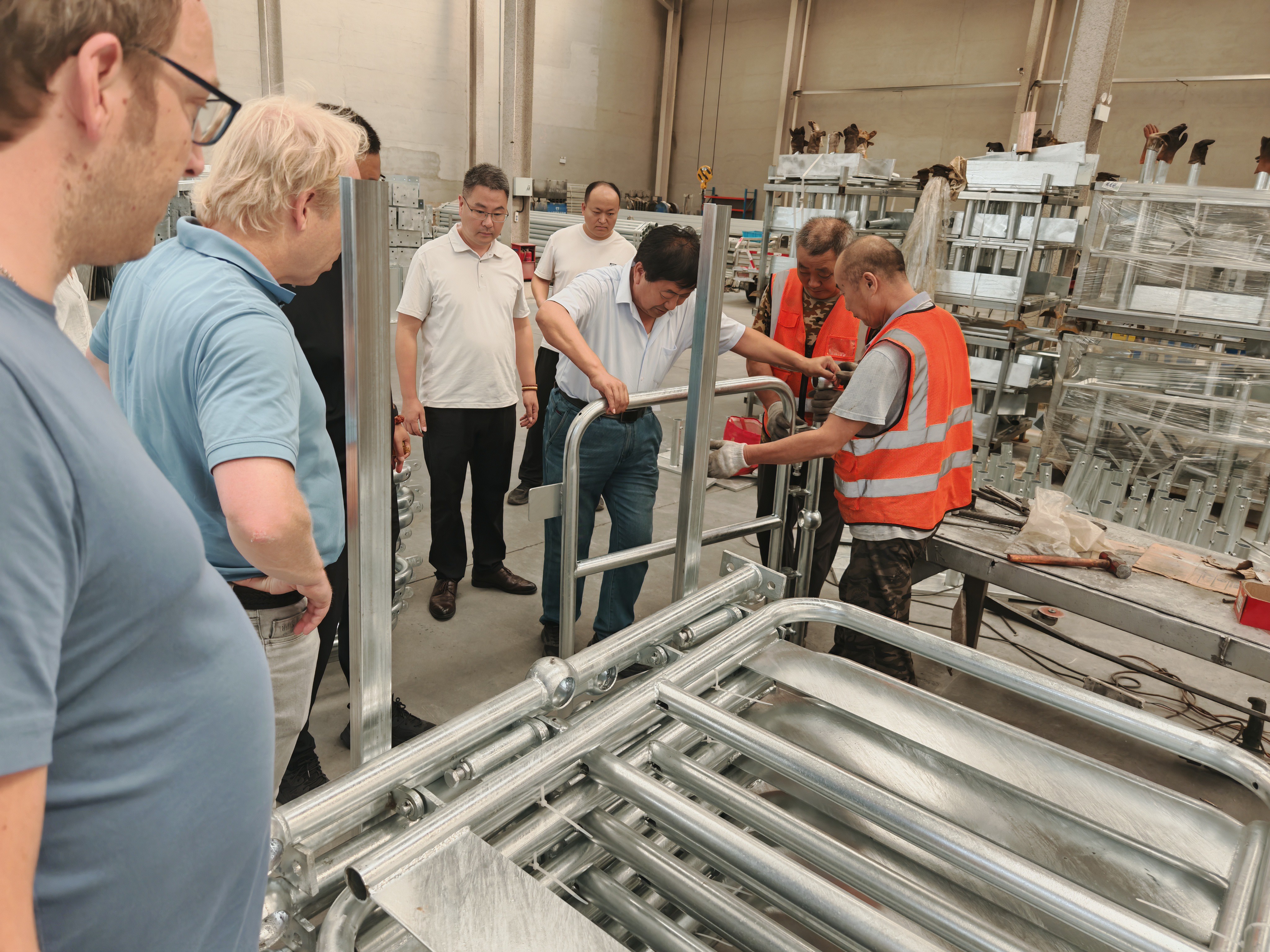
 Netherlands Client Delegation Visits Our Factory to Advance European Highway Guardrail CooperationOct 10, 2026
 AASHTO M180 Guardrail Requirements: A Practical Guide to Material ComplianceOct 10, 2026
 Port Safety Barriers: Selecting Protection for Vehicle Lanes and Loading AreasOct 10, 2026
Road Safety Solutions for High-Risk Urban Corridors
For high-risk urban corridors, Road Safety Solutions now sit at the center of transport planning, asset protection, and public risk control.
Busy ramps, bridge approaches, median openings, and pole protection zones create complex conflict points every day.
When corridor speeds stay high but urban density increases, a basic barrier strategy is rarely enough.
What works better is a complete safety system built around site conditions, impact risk, maintenance needs, and long-term durability.
That is where engineered Road Safety Solutions, backed by design, manufacturing, and installation support, create measurable value.
Why Urban Corridors Need Stronger Protection
Urban corridors carry mixed traffic loads, frequent lane changes, and limited recovery space.
A single crash can damage barriers, disrupt traffic flow, and expose nearby structures to secondary impact.
From recent project patterns, the bigger issue is no longer only crash occurrence.
It is also how quickly the corridor can recover after impact and return to safe operation.
Effective Road Safety Solutions should reduce vehicle intrusion, limit structural deformation, and simplify replacement planning.
- Bridge sections with narrow shoulders and high consequence impacts
- Median strip openings where vehicle guidance is critical
- Ramp divergences with abrupt alignment changes
- Lighting poles and pier protection zones near traffic streams
- Expressway sections with repeated collision history
What Practical Road Safety Solutions Should Include
A reliable system starts with corridor-specific engineering, not a generic product list.
In practice, decision quality improves when suppliers can quote, design, manufacture, and install within one coordinated process.
That approach reduces design gaps between drawings, fabrication details, and field performance.
High-performing Road Safety Solutions usually combine several technical layers:
- Risk-based layout design for impact points and redirection paths
- Barrier selection based on stiffness, crash performance, and deformation limits
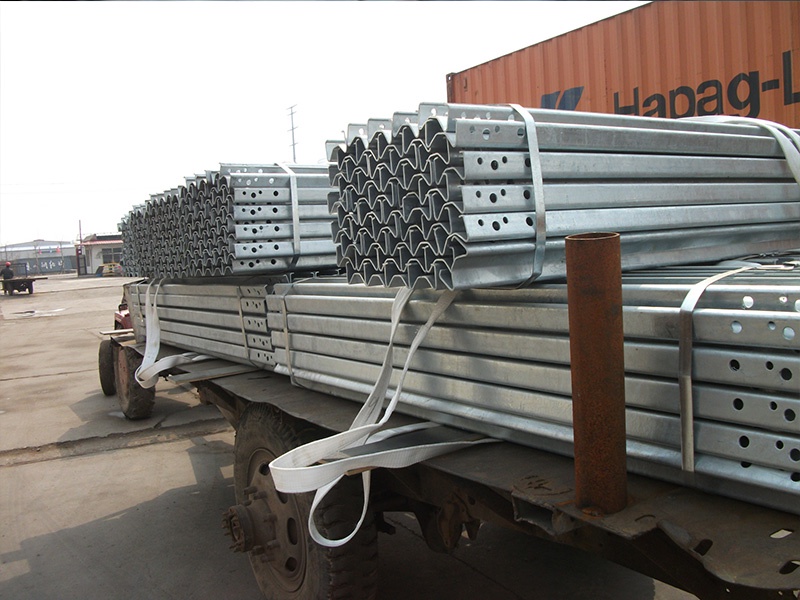
- Steel processing quality, including drilling, bending, and rust removal
- Surface treatment for long service life in harsh urban environments
- Inspection steps such as shot peening and non-destructive testing
- Installation accuracy aligned with approved plans or client drawings
This also means the barrier is no longer treated as an isolated component. It becomes part of a corridor-wide safety and asset strategy.
Matching the System to High-Consequence Locations
Not every corridor segment needs the same level of containment or structural stiffness.
The highest-risk points usually need stronger Road Safety Solutions with better resistance to bending deformation.
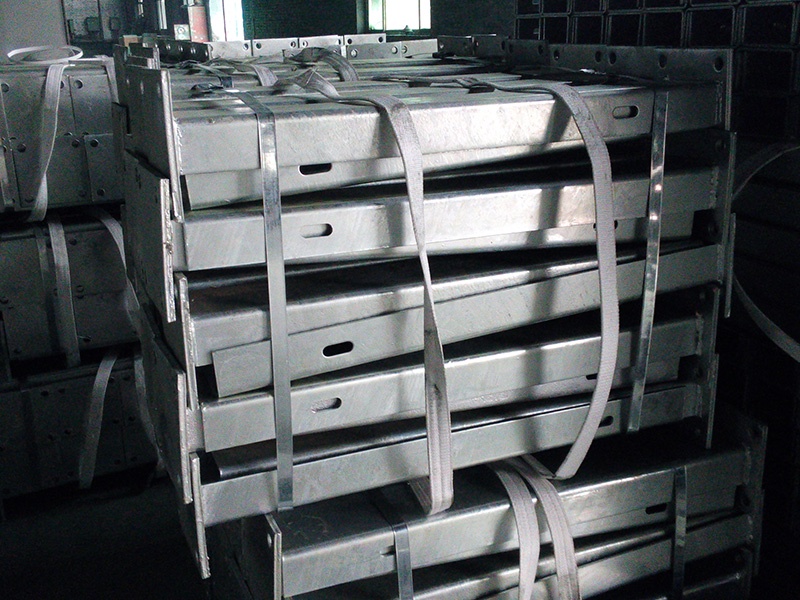
One example is Open Box Beam 2.4m, used in demanding highway safety systems.
Its rectangular open-box cross-section provides extremely high section modulus and bending stiffness.
That matters at bridge sections, median openings, ramp divergences, and pier protection zones.
Made from high-quality hot-rolled steel plates, it supports higher crash performance ratings and minimal deformation under collision loads.
For coastal routes or salt-fog environments, zinc-aluminum-magnesium coatings or powder coatings support a service life beyond 30 years.
In urban projects, warning colors such as yellow or green can also improve visual guidance around hazardous edges.
How Manufacturing Quality Affects Real-World Safety
Road Safety Solutions succeed or fail in production details that are often overlooked during procurement.
If fabrication accuracy is weak, installation tolerances widen and crash behavior becomes less predictable.
That is why manufacturing capability should be reviewed as carefully as price.
A stronger production workflow typically includes:
- Precise drilling and bending based on approved technical drawings
- Rust removal before coating application
- Shot peening for improved surface condition
- Non-destructive testing for quality control
- Galvanizing or painting matched to environmental exposure
- Compliance with relevant international standards
When these steps are controlled well, Road Safety Solutions hold their performance longer and reduce lifecycle repair costs.
A Practical Selection Framework for Urban Corridor Projects
Choosing the right Road Safety Solutions is easier when the evaluation model is simple and measurable.
This framework helps compare options on operational impact, not only on unit cost.
That shift is usually where better Road Safety Solutions start delivering real return.
Moving from Specification to Safer Operation
High-risk urban corridors need more than standard hardware. They need engineered protection matched to real exposure.
Well-planned Road Safety Solutions can reduce accident severity, protect roadside assets, and keep traffic moving with fewer disruptions.
When design, steel processing, testing, coating, and installation are managed together, the system performs more reliably over time.
For corridors with demanding geometry or severe impact risk, stronger beam systems and precise fabrication make a visible difference.
The practical next step is to review corridor risk points, align drawings with performance targets, and specify Road Safety Solutions that can be manufactured and installed without compromise.
Leave A Reply
Need More Details?
Contact me for details on creating and managing design projects, project features, and services and prices
consult
Our company was established in 1998. It‘s a Chinese pioneer enterprise integrating production and sales, committed to providing high-quality steel products to customers at home and abroad.

First class quality service and professional after-sales team.
Get in Touch
*We respect your confidentiality and all information are protected.