






NEWS
Categories List
Recent Posts
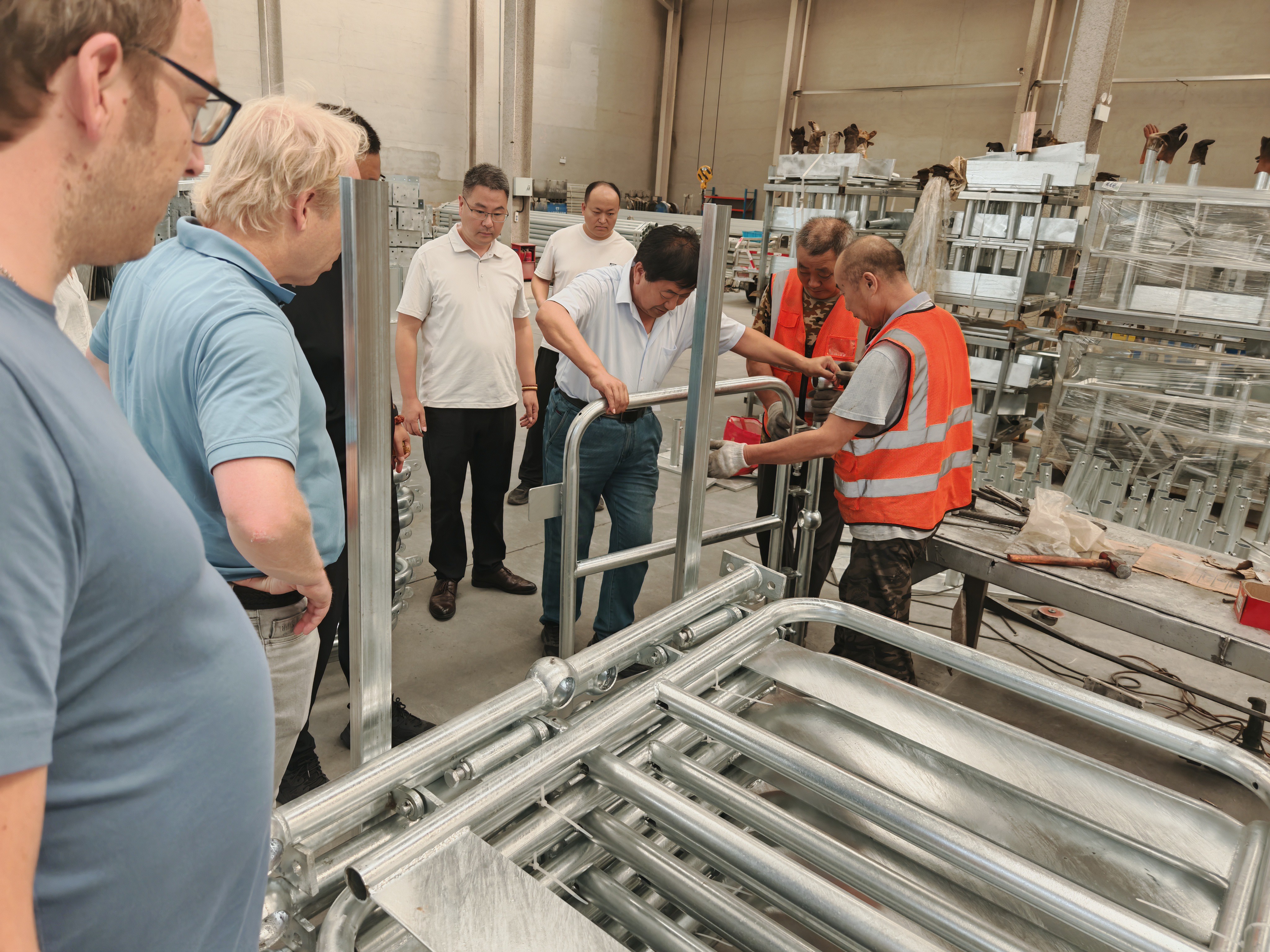
 Netherlands Client Delegation Visits Our Factory to Advance European Highway Guardrail CooperationOct 10, 2026
 AASHTO M180 Guardrail Requirements: A Practical Guide to Material ComplianceOct 10, 2026
 Port Safety Barriers: Selecting Protection for Vehicle Lanes and Loading AreasOct 10, 2026
Traffic Signal delays rarely come from one isolated fault
Traffic Signal problems often begin as small maintenance gaps, then turn into congestion, missed response targets, and avoidable safety exposure.
In transport corridors, the real issue is not only signal failure itself. It is how quickly a minor defect spreads across daily traffic movement.
A loose bracket, corroded cabinet base, unstable power feed, or poor cable sealing can all create the same public result: delay.
For long-term Traffic Signal reliability, maintenance teams usually need to judge the site first, then the component, then the repair method.
Actual field conditions change how Traffic Signal issues appear
Not every intersection fails for the same reason. Coastal roads, urban junctions, bridge approaches, and ramp areas stress equipment differently.
In dense urban networks, repeated switching cycles and cable congestion are more common pressure points. On open highways, weather and impact risks matter more.
That is why Traffic Signal maintenance cannot rely on a single checklist copied from one location to another.
A practical approach is to compare installation quality, environmental exposure, structural stability, and maintenance access before choosing corrective action.
Urban intersections usually reveal wiring and controller problems first
At busy junctions, Traffic Signal delays often come from aging connectors, overloaded cabinets, moisture entry, or inconsistent grounding.
The symptom may look simple, such as flickering lamps or irregular phase timing. The root cause is often hidden in wiring quality or cabinet layout.
Here, fast replacement alone is not enough. Inspection should include terminal torque, insulation condition, conduit sealing, and controller ventilation.
Highway approaches are more affected by structure, impact, and corrosion
On highways, Traffic Signal systems face vibration, crosswinds, long exposure to rain, and accidental vehicle contact near poles or median openings.
In these locations, support steel, anchor points, and protective hardware deserve as much attention as electronics.
Where signal-related infrastructure sits near ramp divergences or lighting pole protection zones, stronger steel parts can reduce deformation after impact.
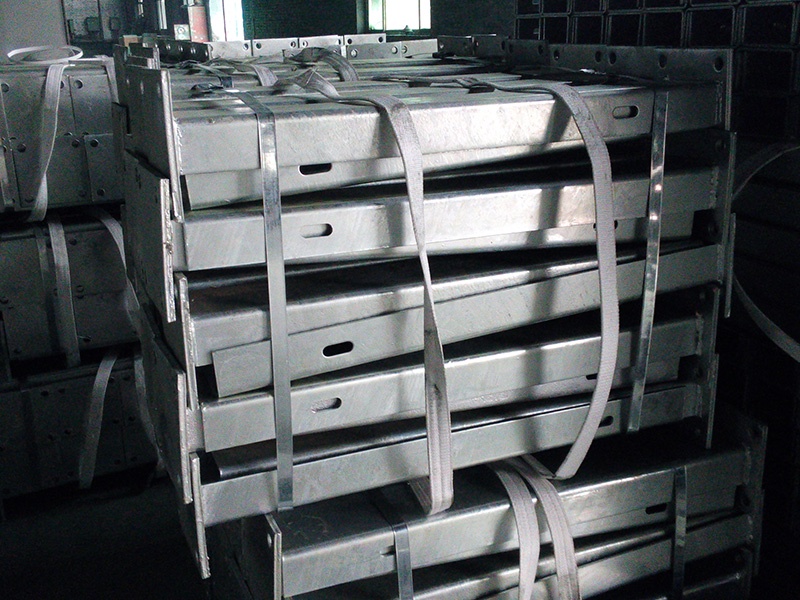
In some highway safety systems, components such as Hanging Plate are selected because higher stiffness and impact resistance help keep adjacent protective assemblies stable.
The most common maintenance issues behind Traffic Signal delays
The failure pattern usually depends on how the site was built, protected, and maintained over time.
- Corroded bases, brackets, and cabinets that weaken structural support and expose wiring.
- Loose or degraded cable connections that cause intermittent Traffic Signal outages.
- Poor drainage and sealing that let moisture enter conduits, junction boxes, or controller cabinets.
- Improper installation tolerances that lead to misalignment, vibration, or early wear.
- Inadequate protective design near collision-prone areas, creating repeated repair cycles.
- Low-durability coatings in salt fog or heavy rainfall regions, accelerating steel deterioration.
When these issues combine, Traffic Signal delay becomes a network problem, not a single maintenance ticket.
Different locations call for different maintenance priorities
A side-by-side comparison usually makes the judgment clearer than general advice.
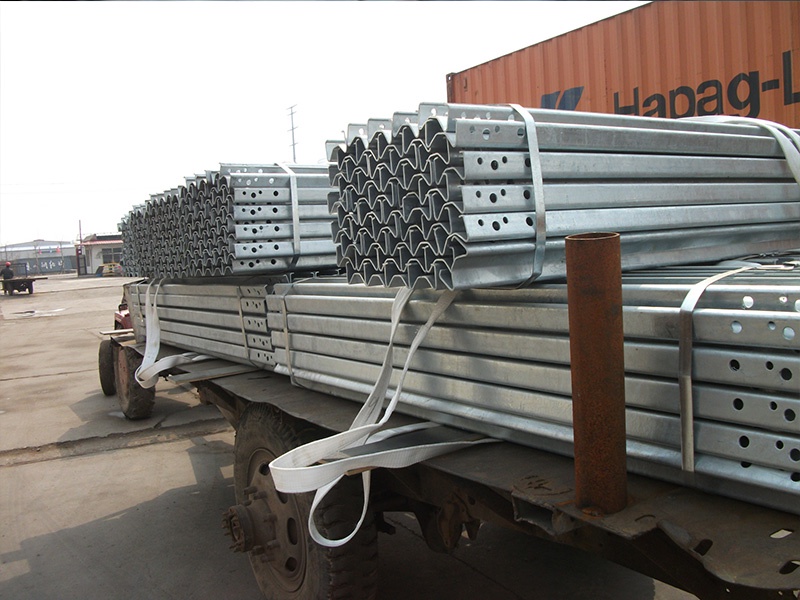
This is where fabrication quality matters. Drilling accuracy, bending consistency, rust removal, galvanizing, painting, and non-destructive testing all affect service life.
What often gets misjudged before delays become recurring
A common mistake is treating similar road environments as identical. A bridge section and a flat urban road may share equipment, but not the same stress profile.
Another weak point is focusing only on electronics. Many Traffic Signal failures are extended by unstable supports, rusted steel, or damaged protective assemblies.
Short-term repair cost can also distort decisions. Cheaper coatings or underspecified steel parts may reduce initial expense, then increase downtime and replacement frequency.
In high-risk locations, steel elements with extremely high section modulus and bending stiffness can be worth considering because they reduce deformation after impact events.
That is especially relevant where safety hardware and signal-adjacent structures must stay aligned after collisions or harsh weather exposure.
A more reliable way to reduce Traffic Signal downtime
The better route is to combine inspection discipline with durable manufacturing and site-specific design review.
- Map each Traffic Signal site by corrosion level, impact risk, drainage condition, and access difficulty.
- Separate electrical faults from structural causes before ordering replacement parts.
- Confirm whether existing steel supports meet long-term environmental demands.
- Use drawing-based manufacturing when replacement parts must match installed geometry exactly.
- For exposed highway safety areas, review whether assemblies need stronger protective steel details such as a second Hanging Plate configuration with zinc-aluminum-magnesium or powder-coated protection.
Where requirements vary by project, design, manufacturing, and installation support should work together, rather than treating maintenance as an isolated repair task.
The next step is to judge the site before judging the part
Traffic Signal delays are usually reduced when maintenance decisions start with real operating conditions, not generic replacement habits.
Before the next repair cycle, it helps to review corrosion exposure, collision history, structural stability, wiring condition, and coating life together.
That makes it easier to define which locations need faster inspection, which need stronger fabricated steel support, and which need a full system correction.
With a clearer site standard, Traffic Signal maintenance becomes less reactive and far more dependable over the long run.
Leave A Reply
Need More Details?
Contact me for details on creating and managing design projects, project features, and services and prices
consult
Our company was established in 1998. It‘s a Chinese pioneer enterprise integrating production and sales, committed to providing high-quality steel products to customers at home and abroad.

First class quality service and professional after-sales team.
Get in Touch
*We respect your confidentiality and all information are protected.