






NEWS
Categories List
Recent Posts
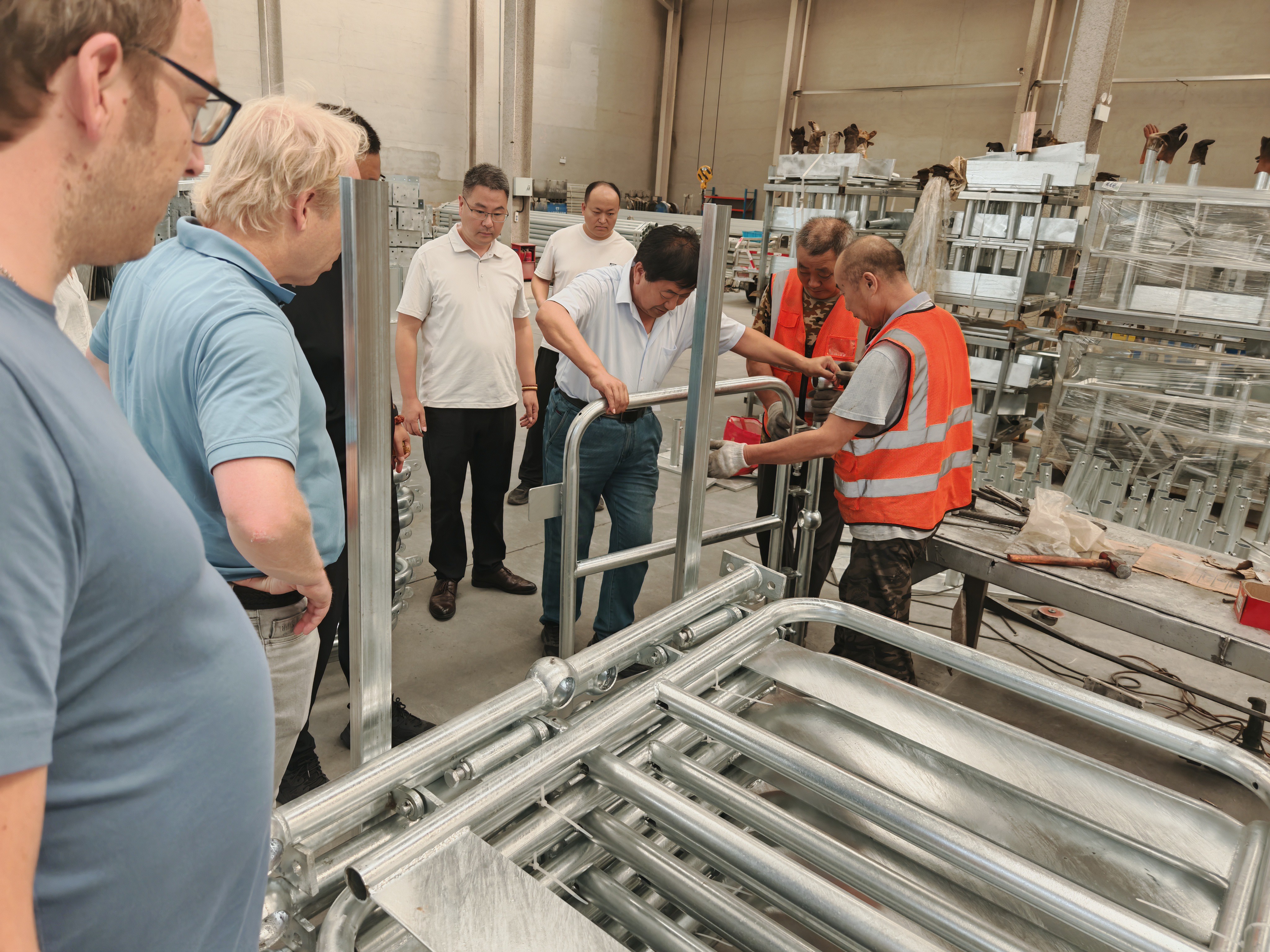
 Netherlands Client Delegation Visits Our Factory to Advance European Highway Guardrail CooperationOct 10, 2026
 AASHTO M180 Guardrail Requirements: A Practical Guide to Material ComplianceOct 10, 2026
 Port Safety Barriers: Selecting Protection for Vehicle Lanes and Loading AreasOct 10, 2026
Galvanized Guardrail vs Painted Steel: Cost and Life
Choosing between a Galvanized Guardrail and painted steel affects more than the purchase price.
It shapes maintenance budgets, shutdown frequency, and long-term asset performance.
For transportation projects, cost should be measured across the full service cycle.
That means comparing coating durability, repair needs, environment, and replacement timing.
A Galvanized Guardrail usually costs more upfront than painted steel.
But in many highway applications, it delivers lower lifecycle cost and less operational risk.
Why Upfront Price Does Not Tell the Full Story
Painted steel often looks attractive in early budget reviews because unit pricing is lower.
The coating process is simpler, and initial procurement can move quickly.
However, painted systems usually face faster coating damage in outdoor traffic environments.
Scratches, edge wear, and impact exposure can open the door to early corrosion.
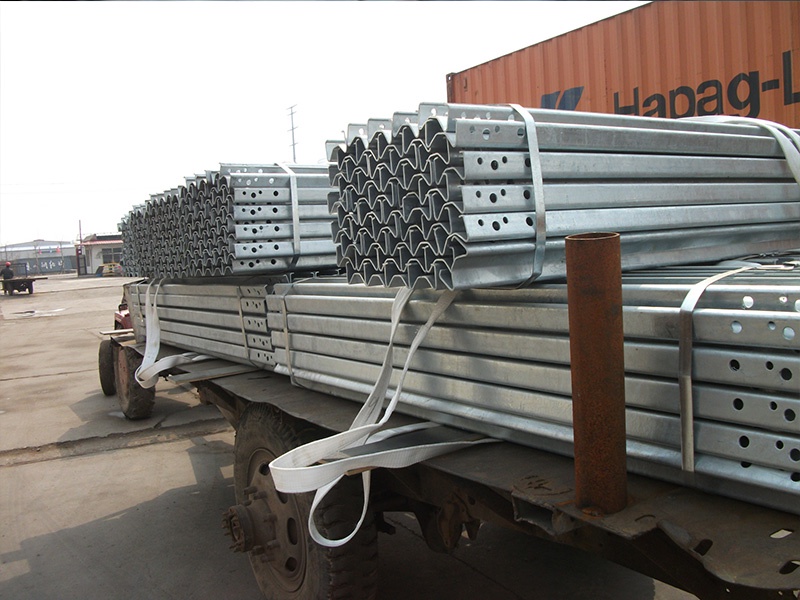
A Galvanized Guardrail uses a zinc layer to protect the steel underneath.
That protection remains effective even when surface damage appears during transport or service.
In practical purchasing terms, this changes the cost model from price alone to total ownership value.
Cost Comparison: Initial Spending vs Lifecycle Spending
The main cost difference comes from coating technology and expected service life.
Painted steel is usually cheaper to buy.
A Galvanized Guardrail is usually cheaper to own over time.
- Lower initial cost: painted steel
- Lower maintenance frequency: galvanized option
- Lower repainting expense: galvanized option
- Lower traffic disruption risk: galvanized option
- Stronger value in corrosive areas: galvanized option
This matters more on long road sections, bridges, ramps, and hazardous road zones.
Once labor, lane closures, and repeat coating work are included, painted steel often loses its price advantage.
Simple Cost Logic for Procurement Review
How Service Life Changes the Decision
Service life is often the deciding factor when comparing barrier systems.
A painted barrier may perform well at first, especially in dry, low-pollution areas.
Still, exposure to rain, deicing salts, and road debris accelerates coating breakdown.
A Galvanized Guardrail typically handles those conditions better.
That is why it is widely specified for highway corridors and hazardous road sections.
One relevant example is Armco Barrier.
Its hot-dip galvanized coating supports a service life of over 20 years.
It also meets U.S. AASHTO M180 and Brazil’s ANBT standards.
That combination matters when durability and compliance must be evaluated together.
Performance in Real Transportation Environments
Not every site needs the same corrosion strategy.
A procurement decision should match the environment instead of following price alone.
- Coastal roads: salt exposure strongly favors a Galvanized Guardrail
- Mountain highways: snow chemicals increase corrosion risk
- Industrial corridors: pollutants can shorten painted coating life
- Low-risk inland zones: painted steel may still be acceptable
In higher-risk settings, replacement planning becomes more expensive than many buyers first expect.
That includes inspection, traffic control, labor mobilization, and coating repair.
This is where a durable wave-shaped system with reliable impact resistance creates measurable value.
The design should absorb impact energy and guide vehicles back toward their normal path.
What to Check Before You Buy
A smart purchasing review should go beyond coating type.
It should also assess manufacturing consistency and supply capability.
- Confirm the expected service environment and corrosion level.
- Review coating method, thickness, and quality control records.
- Check compliance with required transport or national standards.
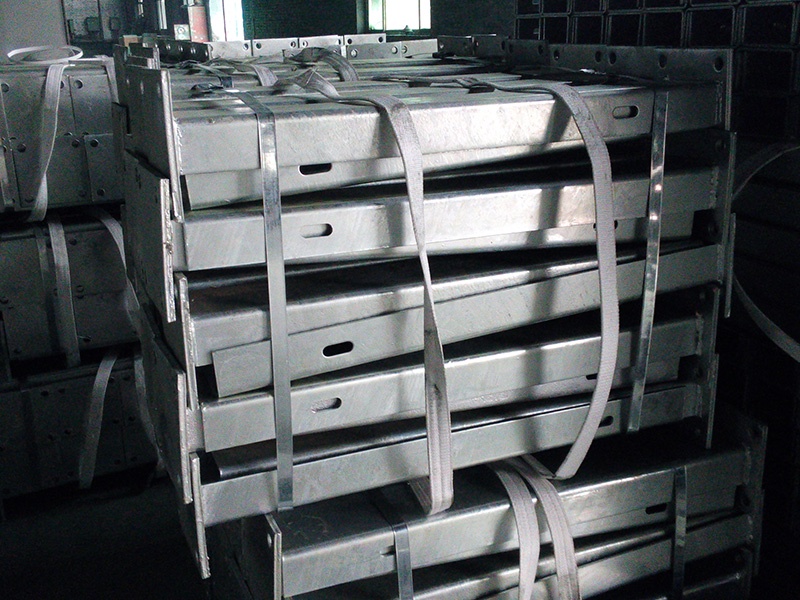
- Ask about fabrication steps such as drilling, bending, galvanizing, and painting.
- Compare installation support, lead time, and replacement availability.
Suppliers with integrated design, manufacturing, and installation support can reduce coordination risk.
That is especially useful for custom drawings, large highway packages, and phased delivery schedules.
Final Buying View
If the goal is the lowest invoice today, painted steel may appear competitive.
If the goal is lower total cost, longer service life, and fewer maintenance interruptions, a Galvanized Guardrail is often the better choice.
For most transportation infrastructure, that balance is hard to ignore.
The most practical decision is to match barrier type to environment, compliance needs, and lifecycle budget.
When those factors are reviewed together, the Galvanized Guardrail usually delivers stronger long-term purchasing value.
Leave A Reply
Need More Details?
Contact me for details on creating and managing design projects, project features, and services and prices
consult
Our company was established in 1998. It‘s a Chinese pioneer enterprise integrating production and sales, committed to providing high-quality steel products to customers at home and abroad.

First class quality service and professional after-sales team.
Get in Touch
*We respect your confidentiality and all information are protected.