






NEWS
Categories List
Recent Posts
 Netherlands Client Delegation Visits Our Factory to Advance European Highway Guardrail CooperationOct 10, 2026
 AASHTO M180 Guardrail Requirements: A Practical Guide to Material ComplianceOct 10, 2026
 Port Safety Barriers: Selecting Protection for Vehicle Lanes and Loading AreasOct 10, 2026
What Matters Most When Choosing an AASHTO M180 Guardrail
Choosing the right AASHTO M180 Guardrail is not just about meeting a line in the specification. It affects impact performance, maintenance cycles, installation accuracy, and long-term roadside safety.
For technical evaluation, the best approach is practical. Check whether the system matches the drawing, the road class, the site environment, and the expected service life.
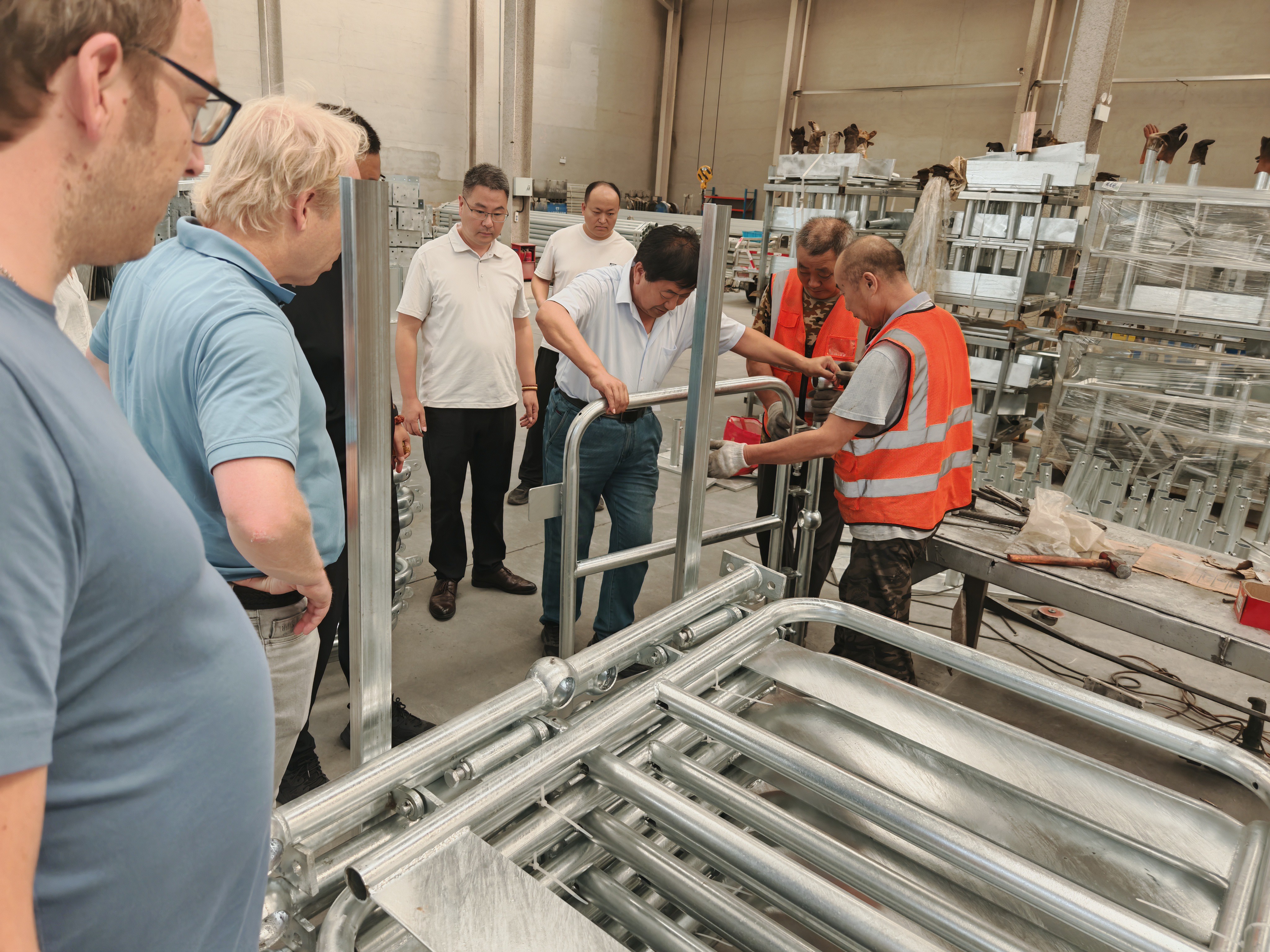
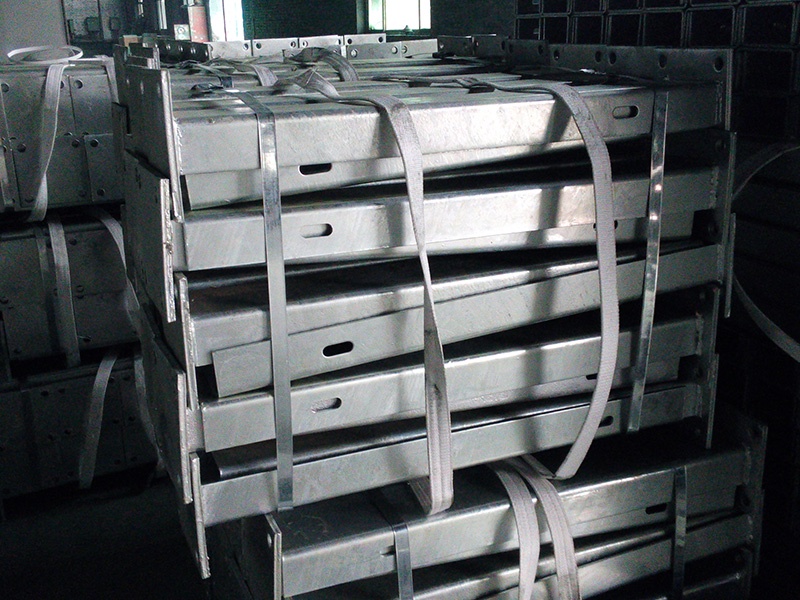
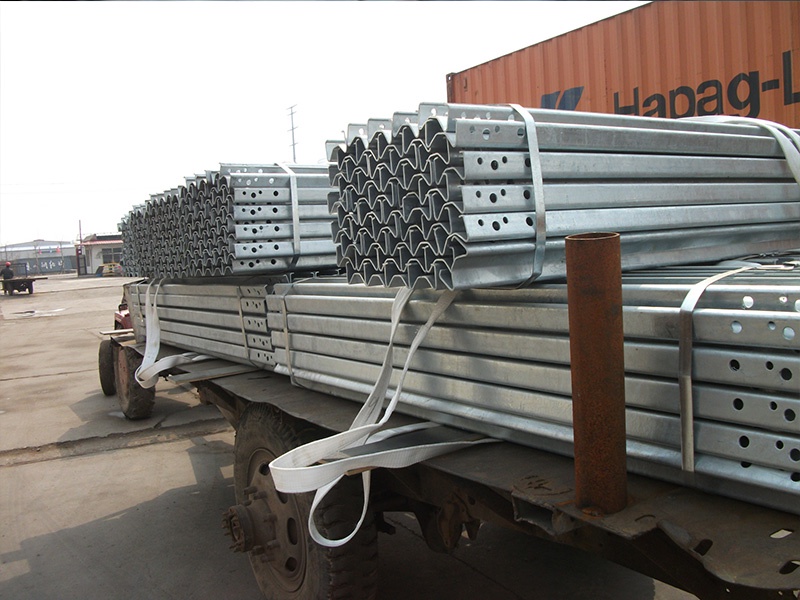
A reliable AASHTO M180 Guardrail should also be backed by stable manufacturing. That includes drilling, bending, rust removal, shot peening, non-destructive testing, galvanizing, and painting when required.
Start with the base technical checks
- Confirm the required beam type, rail thickness, steel grade, and section profile in the drawings. Small dimensional deviations can affect fit-up, splice alignment, and barrier continuity.
- Review zinc coating requirements early. In coastal, wet, or deicing-salt environments, coating quality often matters as much as base steel strength for long-term AASHTO M180 Guardrail performance.
- Check hole locations, post spacing, and tolerance control before approval. Installation problems usually begin with inaccurate manufacturing, not with the field crew or hardware set.
- Ask for inspection records covering material certification, galvanizing thickness, and non-destructive testing where needed. Traceability reduces risk when later performance questions appear on site.
- Make sure the proposed system matches end treatments, transitions, and connection details already defined in the project package. A compliant rail alone does not guarantee a workable system.
Compare Options by Performance, Not Price Alone
A low initial quote can hide higher lifecycle cost. When comparing an AASHTO M180 Guardrail, include fabrication accuracy, coating durability, repair frequency, and installation efficiency.
It also helps to verify whether the supplier can design to your plan or manufacture directly from your drawings. That flexibility usually shortens review cycles and reduces coordination errors.
Common issues that are easy to miss
One common mistake is checking the beam but not the full assembly. Posts, blocks, fasteners, and terminal details must work together as one AASHTO M180 Guardrail system.
Another issue is ignoring fabrication capacity. A supplier may offer compliant drawings, but inconsistent galvanizing or poor hole accuracy can still create major field rework.
Match the Guardrail to the Real Road Environment
High-speed highways, bridge approaches, mountain roads, and industrial access routes do not place the same demands on an AASHTO M180 Guardrail. Site conditions should shape the decision.
For coastal or humid corridors
Focus on corrosion resistance first. Check galvanizing consistency, coating thickness, and whether painting is required as an added protection layer for aggressive environments.
In these projects, long-term maintenance access matters too. A slightly better finish at the start often saves repeated lane closures later.
For complex alignment or custom drawings
Manufacturing flexibility becomes more important. The ability to process special drilling patterns, bends, and dimensional controls can determine whether the AASHTO M180 Guardrail installs smoothly.
Projects with integrated steel structures may also require related components, such as Steel Frames, to align with the same dimensional and coating standards.
Questions Worth Asking Before Final Approval
- Can the supplier manufacture exactly to the issued drawings, including special punching, curved sections, or nonstandard lengths, without shifting tolerances during mass production?
- Are quotation, design support, manufacturing, and installation coordinated as one service flow? Fewer handoff gaps usually mean fewer technical disputes during execution.
- What quality controls are used after forming and before galvanizing? Surface preparation, rust removal, and shot peening directly influence coating adhesion and finish consistency.
- Is there evidence of stable batch output? A single approved sample is helpful, but repeated dimensional consistency across production lots is what really protects installation quality.
- How are nonconforming parts handled if found on arrival? A clear replacement and traceability process reduces schedule pressure once the AASHTO M180 Guardrail reaches site.
A Practical Way to Make the Final Decision
A solid decision usually comes from balancing four things: compliance, manufacturability, durability, and installation fit. If one is weak, the whole AASHTO M180 Guardrail package becomes less reliable.
It helps to review shop details, sample finish quality, test documentation, and hardware compatibility together. Looking at only the beam specification is rarely enough.
When drawings are complex, ask for a production review before release. That step often catches tolerance conflicts, coating concerns, or missing transition details before they become site problems.
If the system must integrate with other fabricated steel items, including Steel Frames, keep finish, dimensions, and installation sequencing aligned from the start.
In short, the right AASHTO M180 Guardrail is the one that fits the standard, fits the drawing, and fits the road environment without creating avoidable field risk. Start with the details, and the decision becomes much clearer.
Leave A Reply
Need More Details?
Contact me for details on creating and managing design projects, project features, and services and prices
consult
Our company was established in 1998. It‘s a Chinese pioneer enterprise integrating production and sales, committed to providing high-quality steel products to customers at home and abroad.

First class quality service and professional after-sales team.
Get in Touch
*We respect your confidentiality and all information are protected.