






NEWS
Categories List
Recent Posts
 Netherlands Client Delegation Visits Our Factory to Advance European Highway Guardrail CooperationOct 10, 2026
 AASHTO M180 Guardrail Requirements: A Practical Guide to Material ComplianceOct 10, 2026
 Port Safety Barriers: Selecting Protection for Vehicle Lanes and Loading AreasOct 10, 2026
Start with the project documents, not the quote
A Guardrail order usually goes wrong before production starts. Procurement teams often compare unit prices first, then discover later that suppliers priced different beam profiles, coating scopes, hole patterns, post sizes, or delivery terms. That is how a “cheaper” order becomes the expensive one.
Before asking for final pricing, line up the basic documents: drawings, bill of quantities, required standards, surface treatment requirements, delivery location, installation scope, and packaging expectations. If the supplier is expected to design from your plan rather than only manufacture from your drawings, that should be stated early. Design responsibility changes both risk and price.
Check whether you are buying a product package or a project package
Not every Guardrail supplier is quoting the same thing. Some are pricing only beams and posts. Others include drilling, bending, galvanizing, painting, accessories, and even installation support. For procurement, this matters more than it sounds.
- If your internal team already has approved drawings, ask the supplier to quote strictly to those drawings.
- If the route, alignment, or connection details are still evolving, ask what design input the supplier will provide and what documents they need from you.
- If installation is part of the purchase, clarify whether site conditions, anchors, traffic control, and field adjustments are included or excluded.
A lot of cost disputes come from this gap. The PO says “Guardrail,” but each side is imagining a different scope.
Material grade and thickness need to be tied to the drawing set
When reviewing a quotation, do not stop at the material description on the first page. Check whether the quoted steel grade, beam thickness, post dimensions, and accessory materials match the drawing revision you are actually buying against. A supplier may honestly quote from an older drawing if your RFQ package was mixed.
The practical check is simple: ask for a line-by-line material breakdown linked to drawing numbers or item codes. If the supplier cannot map the quote back to the drawings, procurement will have trouble controlling claims later.
Also watch for substitutions hidden under broad wording like “equivalent material” or “as per standard.” If substitutions are allowed, they should be approved against the exact document set, not accepted as a pricing shortcut.
Manufacturing capability matters more on custom work than on standard sections
Straight, standard components are one thing. Jobs with special hole positions, curved sections, transition details, painted finishes, or mixed batches are another. This is where procurement should look beyond brochure claims and ask how the supplier actually makes the parts.
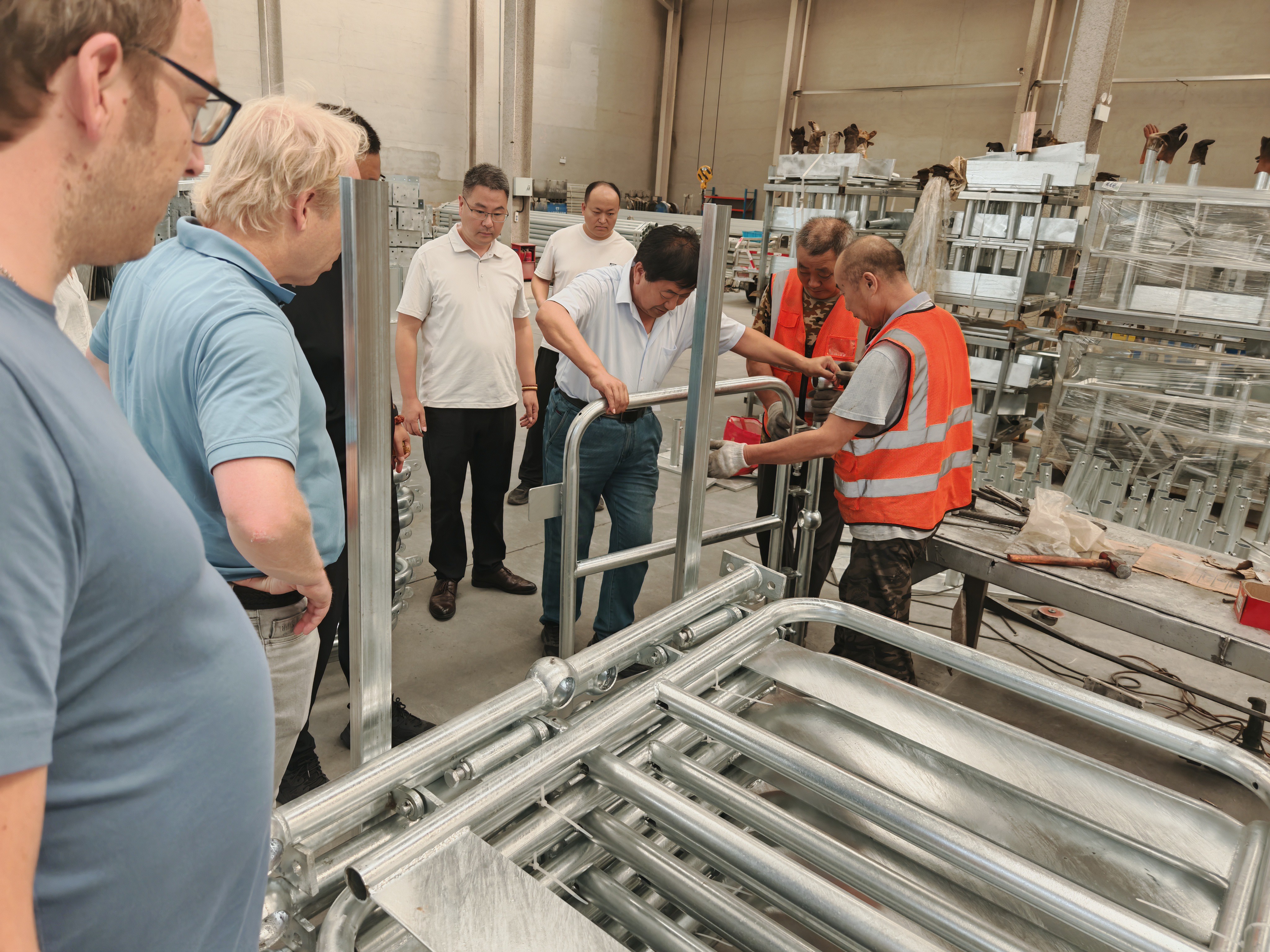
A useful conversation covers drilling, bending, rust removal, shot peening, non-destructive testing where required, galvanizing, and painting. You are not looking for factory theater. You are checking whether the process fits your order. Custom drawing-based production only works well when the shop can control dimensional accuracy and finish consistency across the whole batch.
If the project includes connection hardware or related steel accessories, keep them in the same review. A small item can still delay the full delivery if it is not coordinated; in some assemblies, a part such as Third Wave Connector should be checked against the same drawings, finish requirements, and packing list as the main Guardrail components.
Surface treatment is a cost driver, so define it precisely
Galvanizing and painting often create the biggest misunderstandings after steel weight. Procurement should verify three things: what treatment is required, which standard or project document governs it, and whether touch-up or duplex systems are included.
Do not accept vague wording like “galvanized finish included” if the project requires a specific coating system. Ask the supplier to state the process clearly in the quote and in the technical attachment. If painting is required over galvanized steel, confirm who is responsible for surface preparation before painting and how repaired areas will be handled after transport or installation.
This is where low quotes often recover their margin. The base steel may be correct, but the finish scope is trimmed down.
Ask for the inspection path before you ask for the shipment date
Lead time is not just production time. It includes document approval, raw material preparation, fabrication, surface treatment, inspection, rework if needed, packing, and shipping release. If you only ask “How fast can you deliver?” you will get a commercial answer, not a usable schedule.
A better check is to ask for the inspection and release sequence:
- What documents must be approved before fabrication starts?
- Which stages are inspected in-process, and which are checked only at final inspection?
- What records will be issued with the shipment?
- What happens if dimensional or finish defects are found after galvanizing or painting?
This gives procurement a more realistic view of schedule risk than a promised delivery week on its own.
Use a comparison table that exposes real cost differences
Do not treat testing documents as paperwork at the end
For transportation projects, documentation is part of the deliverable. If your contract needs material certificates, coating records, dimensional inspection reports, or non-destructive testing records for specific items, put that in the purchase package from the start. Trying to reconstruct records after fabrication is slow and often incomplete.
The key point is traceability. Procurement should know which lot, drawing item, or batch each document refers to. A stack of certificates with no link to shipped items does not help during acceptance.
Review packaging and site practicality before release
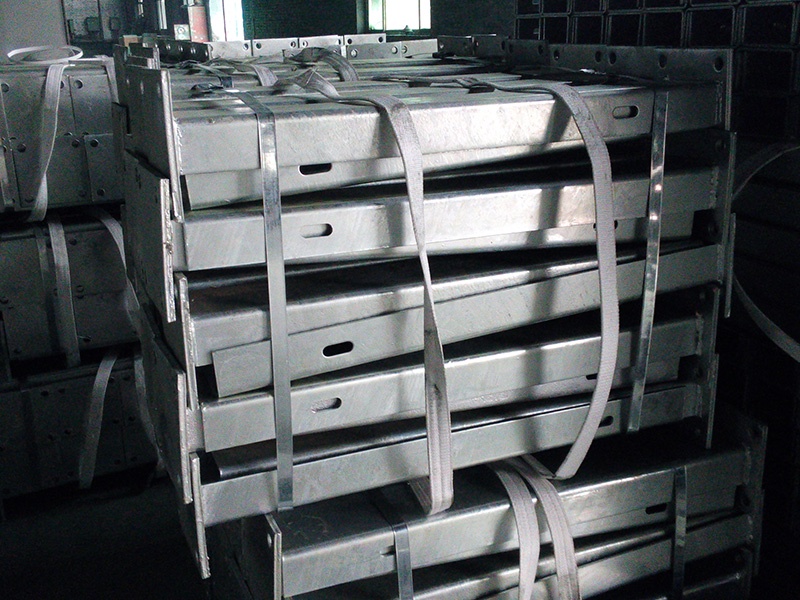
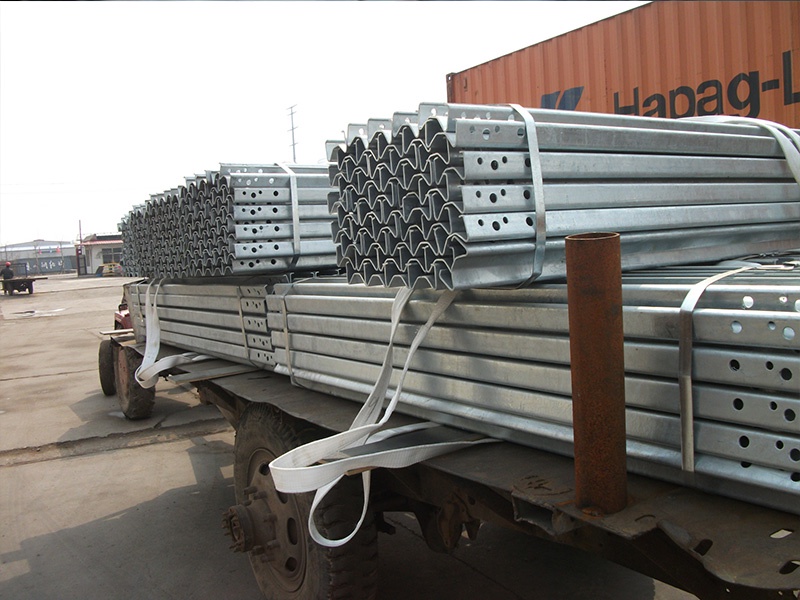
A Guardrail shipment can be technically correct and still create site problems. Long steel sections, mixed accessories, and painted or galvanized parts need sensible packing and marking. Ask how bundles will be labeled, whether parts are grouped by installation area, and how small components are separated from main sections.
This is not cosmetic. Good packing reduces unloading time, avoids finish damage, and cuts the labor spent sorting parts beside the road.
Make the buying decision in this order
If you need a practical sequence, use this one: confirm scope, lock drawings, verify material and finish requirements, review manufacturing fit for custom items, align inspection documents, then compare total delivered cost. Price comes in near the end, not at the beginning.
That approach usually filters out the risky quotes early. For procurement teams, the best Guardrail purchase is not the lowest line item on bid day. It is the order that arrives complete, matches the approved documents, clears inspection without argument, and does not create extra cost on site.
Leave A Reply
Need More Details?
Contact me for details on creating and managing design projects, project features, and services and prices
consult
Our company was established in 1998. It‘s a Chinese pioneer enterprise integrating production and sales, committed to providing high-quality steel products to customers at home and abroad.

First class quality service and professional after-sales team.
Get in Touch
*We respect your confidentiality and all information are protected.