






NEWS
Categories List
Recent Posts
 Netherlands Client Delegation Visits Our Factory to Advance European Highway Guardrail CooperationOct 10, 2026
 AASHTO M180 Guardrail Requirements: A Practical Guide to Material ComplianceOct 10, 2026
 Port Safety Barriers: Selecting Protection for Vehicle Lanes and Loading AreasOct 10, 2026
Does Galvanization Affect Z Post Guardrail Price?
When evaluating Z post guardrail price, galvanization is usually one of the first line items that changes the quote. Buyers notice it quickly because it adds manufacturing cost, but the bigger question is whether it changes the total project cost in a good way or just makes the first purchase more expensive. In highway work, that answer is rarely simple. It depends on exposure conditions, coating requirements, post geometry, installation environment, and how long the system is expected to stay in service without major maintenance.
For transportation projects, guardrail posts are not decorative steel. They sit in wet soil, roadside spray, deicing salt, and impact-prone areas where corrosion can quietly shorten the useful life of the entire barrier line. So yes, galvanization does affect price. But in many cases, it affects value even more.
Why galvanization changes the price in the first place
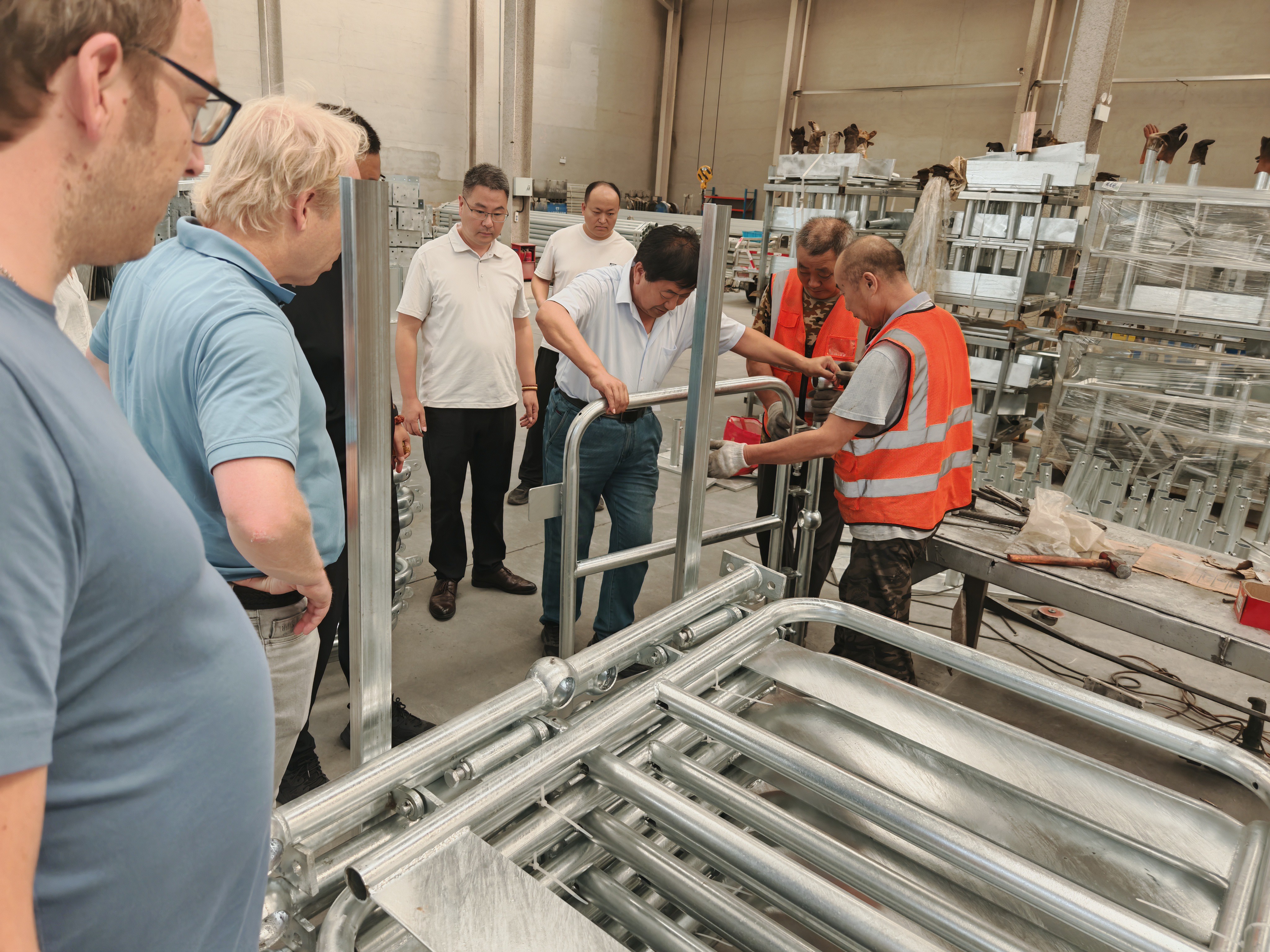
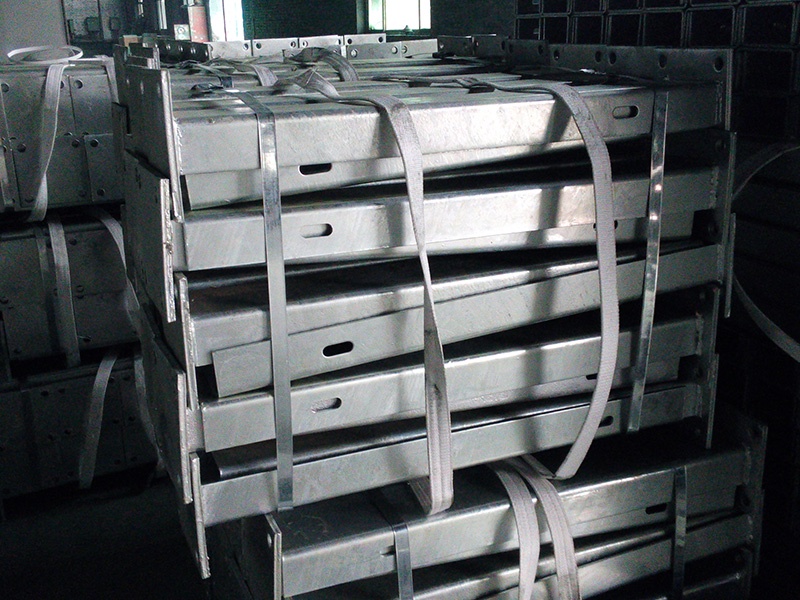
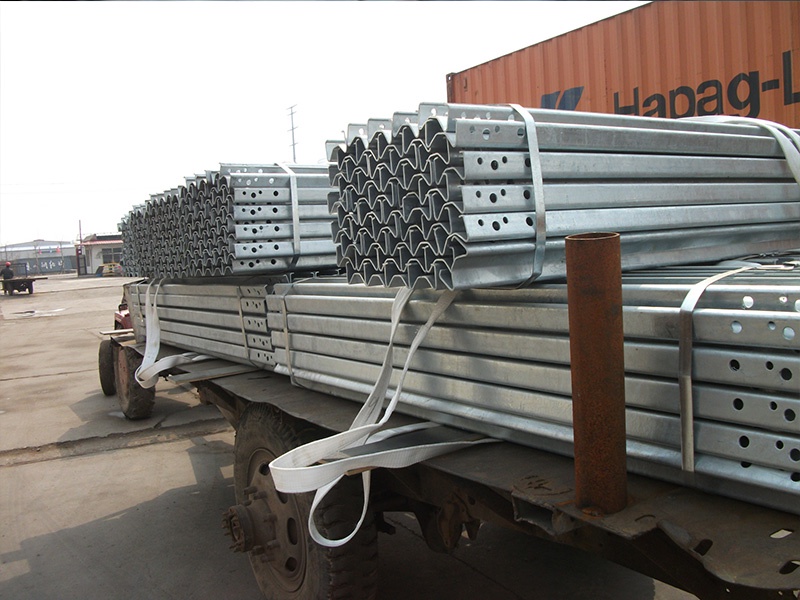
A Z post is shaped for performance, but that shape also influences processing. Before galvanizing, the steel still has to go through the usual fabrication sequence: drilling, bending, surface preparation, rust removal, shot peening where required, and quality inspection. After that, hot-dip galvanizing adds another controlled step with its own material, energy, handling, and inspection costs.
The price increase does not come from zinc alone. It also comes from process discipline. A properly galvanized post needs clean steel, stable dimensions, suitable venting and drainage details where relevant, and consistent coating coverage after immersion. If a manufacturer is producing to project drawings rather than stock dimensions, small design differences can also affect batching efficiency and therefore unit cost.
That is why two Z posts that look similar on paper may not carry the same price. Coating requirements, steel thickness, fabrication complexity, and tolerance control all matter.
What buyers often miss when comparing quotes
A lower quote is not always a cheaper guardrail system in practice. In roadside infrastructure, the post is part of a load path. It provides vertical support, transfers impact-related force into the foundation, and helps prevent the rail line from shifting or overturning too much under stress. If corrosion reduces section strength over time, the issue is not only appearance. It can become a performance and maintenance problem.
This is especially relevant in coastal roads, mountain highways, regions with long wet seasons, and snowbelt routes where deicing salts are routine. In those environments, galvanization usually has a clearer economic case. On a short-term or low-exposure project, the price sensitivity may feel stronger because the service-life advantage is harder to see in year one.
Another common mistake is comparing galvanized and non-galvanized posts without checking what is included beyond the coating. Some suppliers quote only basic fabrication, while others include inspection, non-destructive testing where specified, and matching components such as connectors or energy-absorbing blocks. On paper, those quotes may look as if galvanization alone caused the gap, when in reality the scope is different.
Initial cost versus service life
If the question is simply “Does galvanization raise the initial price?” the answer is yes, usually. If the real question is “Does it make the project more expensive over its working life?” often not.
Transportation agencies and contractors tend to look beyond supply cost because roadside maintenance is disruptive. Replacing corroded posts later means labor, traffic control, safety planning, equipment mobilization, and sometimes partial lane closures. Those costs can easily outweigh the savings from choosing a cheaper untreated post at the start. This is one of those areas where procurement and operations do not always see the same number the same way.
That said, not every project needs the same galvanizing approach. Coating expectations should match exposure class, local standards, and design life. Over-specifying can push price up without much added benefit. Under-specifying is usually more painful because the problem shows up after installation, when fixing it is slower and more expensive.
How this affects Z posts specifically
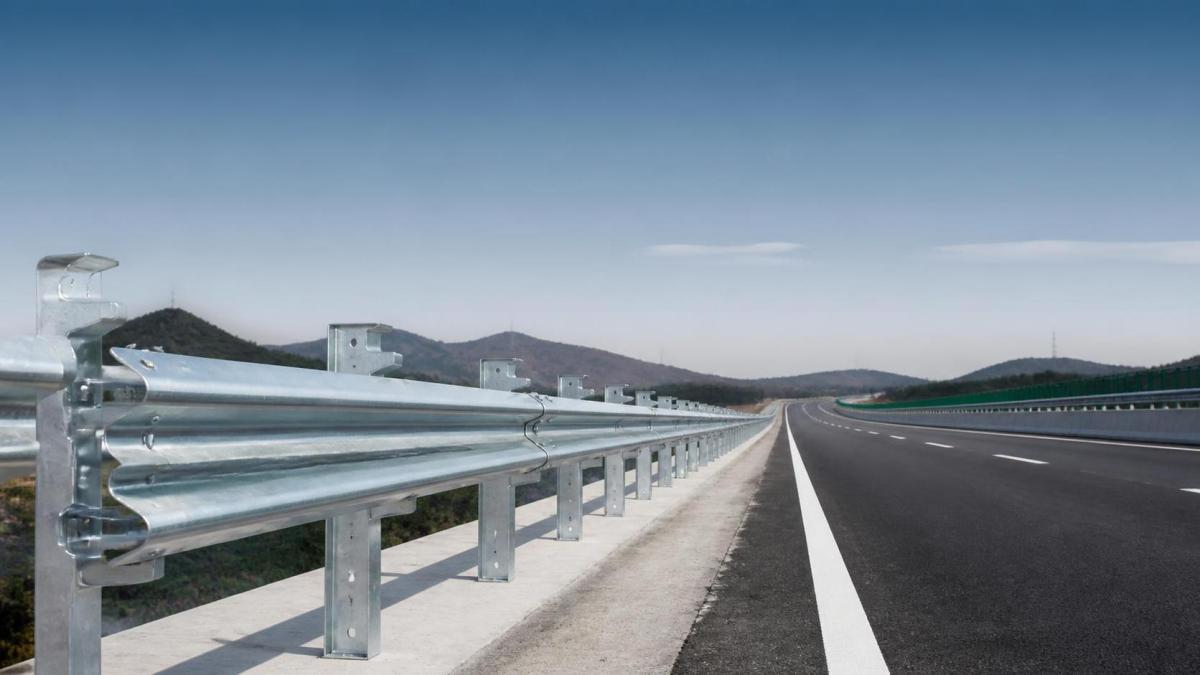
Z posts are often selected for structural and installation reasons, but their pricing should not be viewed in isolation from the full guardrail layout. Post spacing, soil condition, impact zones, and transitions all influence the final requirement. Standard spacing is commonly wider in regular sections and tighter at critical locations. For example, some guardrail systems use 4-meter spacing in standard runs and 2-meter spacing in higher-risk areas. Once spacing changes, the number of galvanized posts changes too, and so does the budget.
This is also where system compatibility matters. In some projects, buyers review other post profiles such as C Posts for highway guardrail systems, especially when the design calls for customized non-standard posts based on drawings or on-site conditions. The point is not that one profile is always better than another. It is that galvanization cost should be assessed as part of the whole post-and-connector system, not as a separate coating decision divorced from performance.
What a serious manufacturer should be able to explain
If you ask why a galvanized Z post costs more, the answer should go beyond “because zinc is expensive.” A capable manufacturer should be able to explain the fabrication route, coating process, inspection approach, and any project-specific factors tied to your drawings. In practical terms, that usually means being able to quote, design, manufacture, and if needed support installation around actual project requirements rather than offering a generic post with a generic finish.
For buyers, it helps to ask a few blunt questions:
- Is the quoted post hot-dip galvanized, and is the coating requirement clearly defined?
- Are drilling, bending, surface preparation, and inspection already included?
- Is the quote based on standard stock dimensions or custom drawings?
- Are matching connectors and related components included in the system price?
- Does the supplier understand the installation environment, especially soil and moisture exposure?
Those questions tend to reveal whether you are looking at a true project quote or just a bare steel number with a zinc surcharge attached.
A practical way to judge the price
The best way to judge galvanization cost is to separate short-term budget pressure from long-term operating reality. If the project is temporary, inland, and lightly exposed, the premium may deserve closer scrutiny. If the guardrail will remain in service for years in harsh roadside conditions, galvanization is often less of a price penalty than a durability requirement.
So, does galvanization affect Z post guardrail price? Absolutely. It raises the upfront number, sometimes noticeably. But in highway infrastructure, the cheaper post on day one is not automatically the lower-cost decision. If the coating is specified correctly and the fabrication quality is there, galvanization usually buys time, fewer maintenance interruptions, and a more predictable service life. That is often where the real price conversation should start.
Leave A Reply
Need More Details?
Contact me for details on creating and managing design projects, project features, and services and prices
consult
Our company was established in 1998. It‘s a Chinese pioneer enterprise integrating production and sales, committed to providing high-quality steel products to customers at home and abroad.

First class quality service and professional after-sales team.
Get in Touch
*We respect your confidentiality and all information are protected.