






NEWS
Categories List
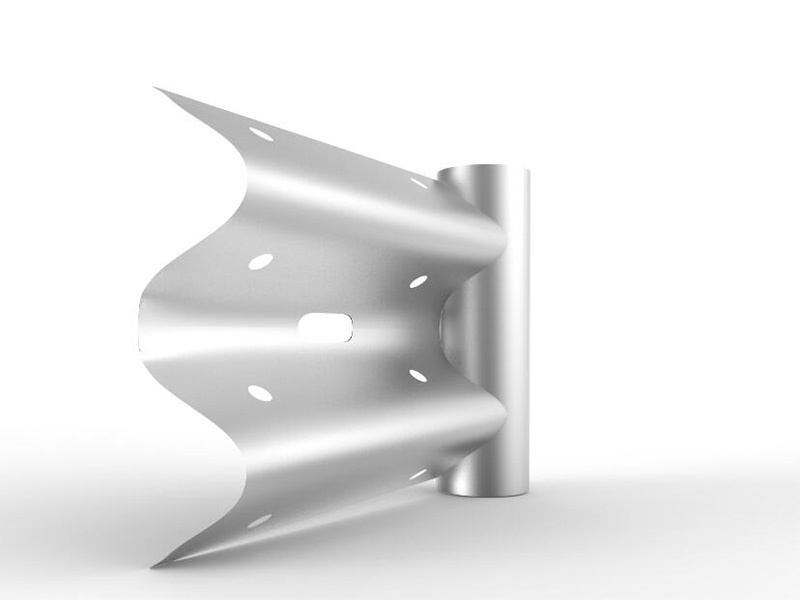
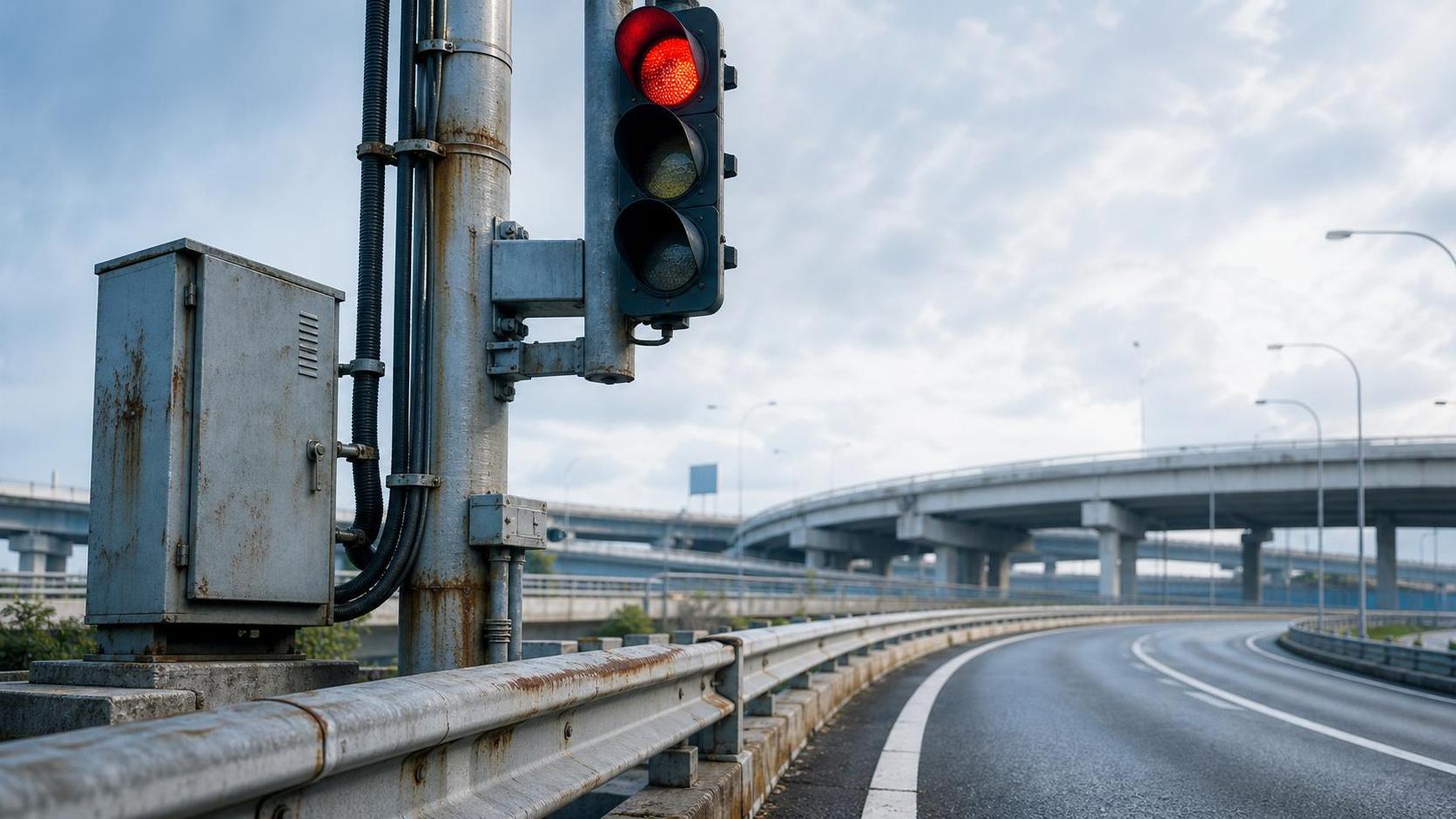
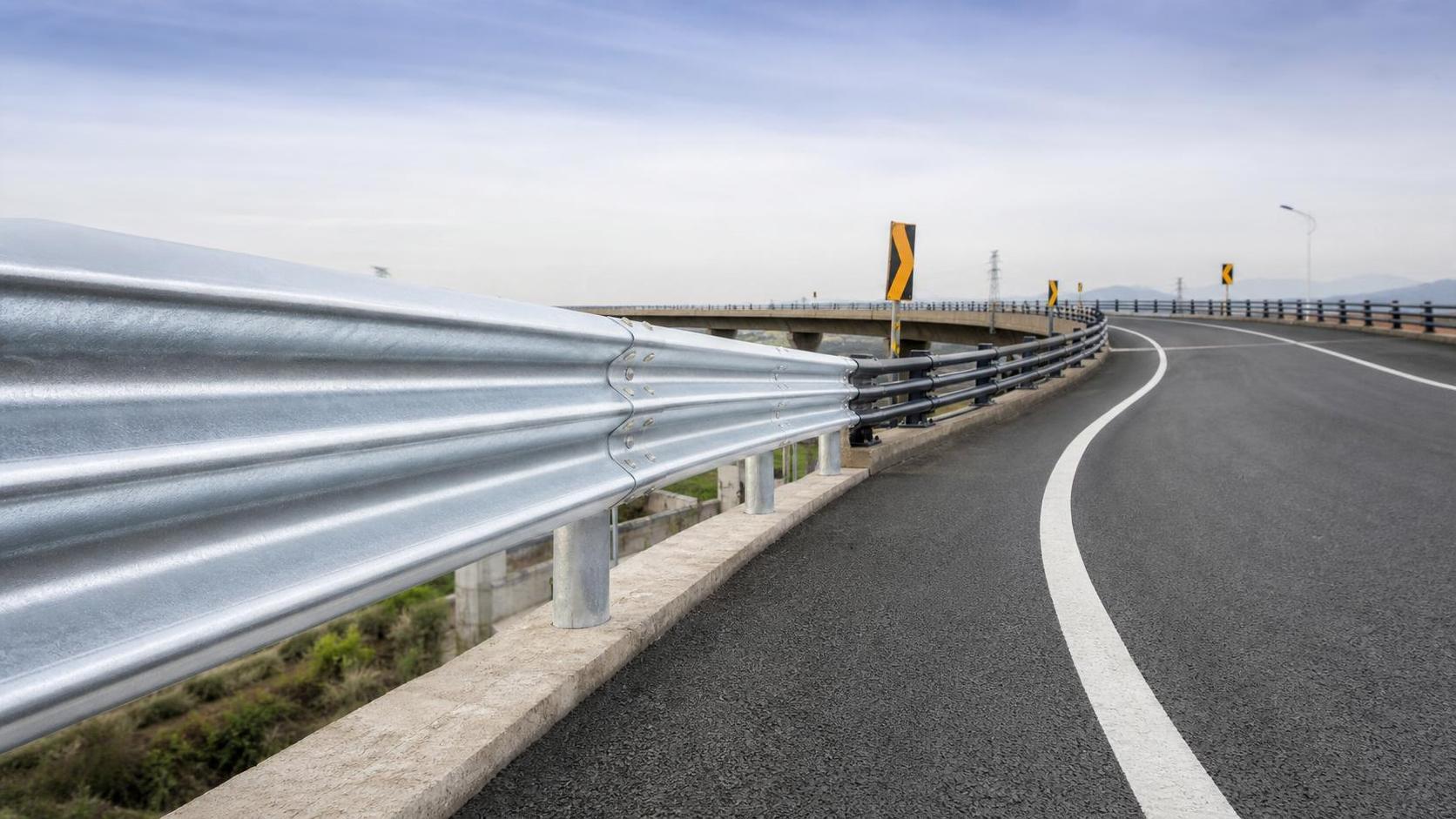
Choosing between a Fish Plate Connector and a welded joint is rarely a minor detailing issue. In transport infrastructure, the connection method influences structural continuity, installation speed, inspection access, and future maintenance cost. For highway guardrails, steel components, and related assemblies, that decision also affects how well a project aligns with fabrication capability, coating requirements, and field conditions.
Why this comparison matters in transportation projects
Roadside barriers, bridge attachments, support frames, and steel transition sections all depend on reliable joints. A weak or poorly selected connection can shorten service life even when the base material is strong.
That is why a Fish Plate Connector vs welded joint comparison should be linked to the full project chain, not only to static strength. Design intent, fabrication method, corrosion protection, logistics, and replacement strategy all need attention.
Core difference between a Fish Plate Connector and a welded joint
A Fish Plate Connector is a mechanical joining method. It usually uses plates and fasteners to connect two steel members while allowing controlled assembly and easier disassembly.
A welded joint creates a more continuous bond by fusing metal parts together. It can reduce the number of components, but it demands tighter process control and qualified execution.
In simple terms, the Fish Plate Connector favors modularity and serviceability. Welding often favors continuity and compact geometry when conditions are stable and fabrication quality is assured.
Performance factors that usually drive the decision
The best choice depends less on theory and more on where the joint will work, how it will be installed, and how it will be maintained over time.
How fabrication capability changes the answer
Connection selection should reflect the manufacturer’s real process strengths. In guardrail and steel product manufacturing, drilling accuracy, bending control, rust removal, shot peening, and coating quality all shape joint performance.
When a Fish Plate Connector is specified, dimensional consistency is critical. Hole alignment, plate flatness, and bolt seating must be controlled from the start.
When welding is selected, procedure qualification, welder skill, distortion control, and non-destructive testing become central. Galvanizing and painting plans also need to address the weld area properly.
For projects built to client drawings, a supplier that can integrate quotation, design review, manufacturing, and installation support can often reduce mismatch between the shop and the site.
Typical transport scenarios where each option fits better
Where a Fish Plate Connector often performs well
- Guardrail systems that may need sectional replacement after impact.
- Projects with tight installation windows and limited site welding access.
- Remote transport corridors where future maintenance must stay practical.
- Assemblies requiring easier alignment during erection.
Where welded joints may be preferred
- Shop-fabricated components needing cleaner geometry and fewer visible attachments.
- Structures where high continuity is more important than disassembly.
- Controlled manufacturing environments with strong welding QA systems.
Some transport systems also combine both approaches. For example, fixed main members may be welded, while replaceable accessory parts remain bolted or plated. That logic also appears in components such as Spring Steel Buffers, where service conditions may favor controlled energy absorption and replacement access.
Cost is more than the purchase price
A welded detail can look cheaper on paper because it uses fewer parts. Yet field welding, inspection, repainting, traffic control, and repair difficulty may change the true lifecycle cost.
A Fish Plate Connector may involve more hardware, but it can lower downtime, simplify replacement, and reduce future intervention time. For transport assets, these practical savings often matter more than initial material cost alone.
What to check before finalizing the connection method
- Expected loading, including impact, vibration, and thermal movement.
- Whether the joint must be replaceable after damage.
- Site conditions for access, weather, and safe installation time.
- Coating sequence, especially for galvanizing and paint durability.
- Inspection resources, including torque checks or weld NDT capability.
- Tolerance requirements between the shop drawing and the installed assembly.
If the answer is still unclear, comparing two alternatives against the same drawing set is often useful. One option can be evaluated for modular assembly, and the other for welded continuity.
A practical way to move forward
The most reliable Fish Plate Connector vs welded joint comparison starts with the actual application, not a general preference. Review load case, maintenance strategy, coating plan, fabrication route, and replacement expectations together.
For highway guardrails and steel transport products made to drawings or custom plans, the better decision usually comes from early coordination between design, manufacturing, and installation. That approach turns the Fish Plate Connector from a simple part choice into a stronger lifecycle decision.
Leave A Reply
Need More Details?
Contact me for details on creating and managing design projects, project features, and services and prices
consult
Our company was established in 1998. It‘s a Chinese pioneer enterprise integrating production and sales, committed to providing high-quality steel products to customers at home and abroad.

First class quality service and professional after-sales team.
Get in Touch
*We respect your confidentiality and all information are protected.