






NEWS
Categories List
Recent Posts
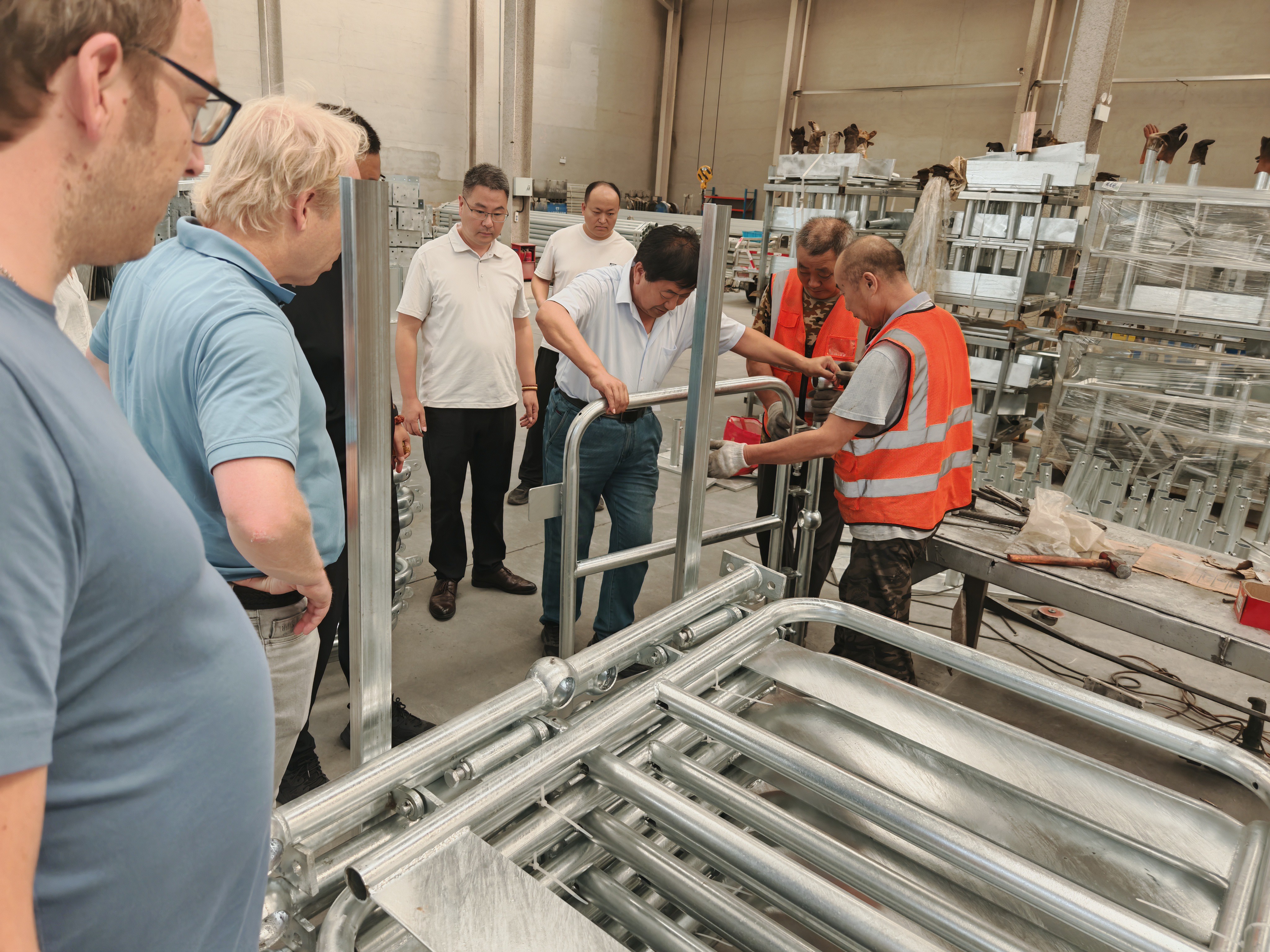
 Netherlands Client Delegation Visits Our Factory to Advance European Highway Guardrail CooperationOct 10, 2026
 AASHTO M180 Guardrail Requirements: A Practical Guide to Material ComplianceOct 10, 2026
 Port Safety Barriers: Selecting Protection for Vehicle Lanes and Loading AreasOct 10, 2026
Where Hanging Plate Works Best in Bridge Components
In bridge construction, the Hanging Plate does more than connect steel parts. It helps carry load, control movement, and improve installation accuracy in demanding transport projects.
When used in the right location, a Hanging Plate can reduce on-site adjustment, support safer erection, and improve long-term structural stability under traffic, wind, and vibration.
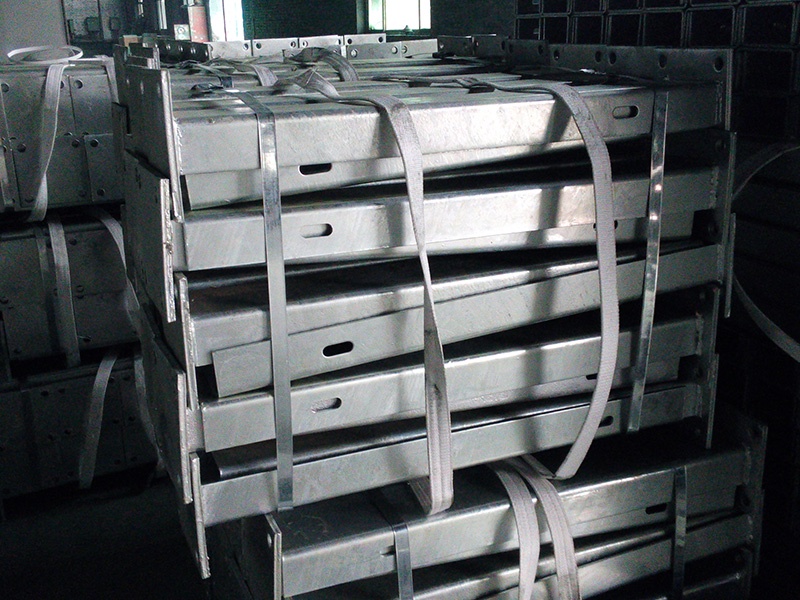
That matters even more when fabrication must match drawings exactly. Drilling, bending, rust removal, shot peening, non-destructive testing, galvanizing, and painting all affect fit and service life.
Practical uses of Hanging Plate across bridge systems
- Use a Hanging Plate at beam-to-bracket connection points where stable load transfer is needed. It helps keep alignment controlled during assembly and reduces stress concentration at critical joints.
- Apply a Hanging Plate in suspended support zones for utility trays, inspection walkways, or secondary steel. This keeps added components organized without overloading the main bridge members.
- Choose a Hanging Plate for expansion-related connection areas where slight movement must be allowed. Proper slotting and bolt detailing can prevent restraint cracking and unwanted deformation.
- Install a Hanging Plate at stiffener-supported locations when local reinforcement is required. This works well where repeated traffic vibration may loosen weaker or poorly distributed connections.
- Use a Hanging Plate in maintenance-access structures, especially where future removal matters. A well-designed plate can simplify replacement work without cutting or damaging adjacent steel elements.
- Specify a Hanging Plate in barrier transition areas on transport structures. It can support attached steel components while keeping load paths clear between bridge edge details and safety systems.
What to check before finalizing a Hanging Plate design
A Hanging Plate should never be selected by thickness alone. Plate geometry, bolt pattern, weld position, and corrosion protection all influence actual field performance.
It also helps to review fabrication limits early. If a design looks simple on paper but is hard to drill, bend, galvanize, or inspect, delays usually show up during production.
In new bridge builds
For new projects, the best results come when the Hanging Plate is coordinated with the entire steel package, not treated as a small accessory.
That means checking connection tolerances, erection sequence, coating system, and the relationship with barriers, drainage supports, and edge protection details.
In retrofit or widening work
Retrofit jobs are less forgiving. Existing dimensions may differ from old drawings, so the Hanging Plate often needs customized hole spacing, thickness adjustment, or non-standard geometry.
This is where made-to-drawing steel production becomes useful. Accurate manufacturing and inspection reduce mismatch risk before parts even reach the bridge site.
Common issues that are easy to overlook
- Do not ignore galvanizing buildup around holes and edges. It may seem minor, but it can affect bolt fit, seating quality, and final Hanging Plate installation speed.
- Avoid placing a Hanging Plate where drainage paths are blocked. Standing water near steel connections increases corrosion risk and shortens the useful life of coated components.
- Check whether welds limit inspection access after assembly. A strong connection is not enough if future testing and maintenance become difficult or unsafe.
- Do not assume field drilling will solve alignment errors. It often weakens finish quality, extends installation time, and creates avoidable quality-control issues.
Related steel components that improve system performance
On transport projects, a Hanging Plate often works alongside support members beyond the bridge itself. Barrier and roadside safety details also need reliable steel coordination.
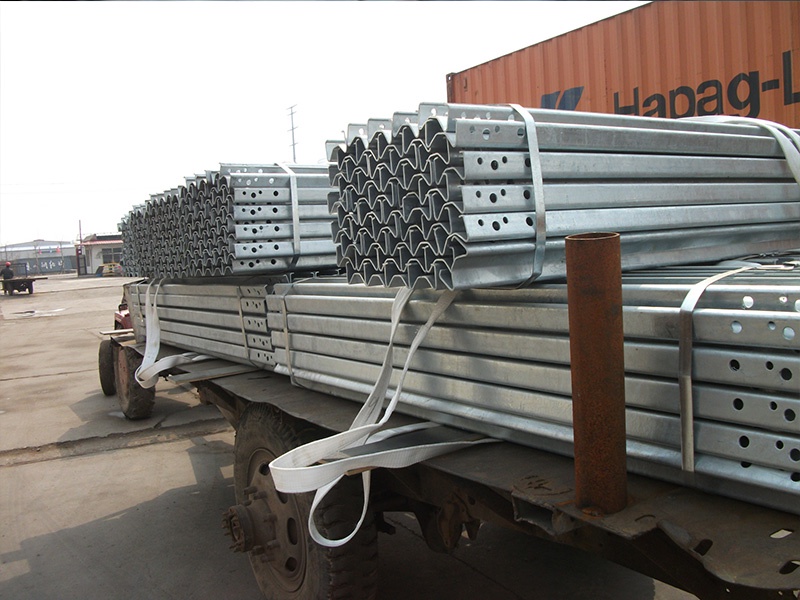
For example, Sigma Posts are widely used in highway guardrail systems to provide vertical support and transfer force into the foundation.
Available in C-type, U-type, Z-type, and H-type, they can be produced in non-standard sizes with different diameters, wall thicknesses, and lengths based on drawings or site conditions.
Hot-dip galvanizing helps maintain rust resistance outdoors. Standard spacing is often 4 meters, with 2 meters used at key positions that require stronger support control.
A simple way to decide if a Hanging Plate solution is right
Start with three questions. Where is the real load going, how will the part be installed, and what will happen after years of exposure and repeated traffic effects?
If the Hanging Plate improves load transfer, simplifies construction, and supports inspection and corrosion protection, it is usually the right direction.
The best outcomes come from integrating design, manufacturing, and installation early. When drawings, fabrication steps, and site conditions stay aligned, a Hanging Plate becomes a durable solution instead of a future problem.
Leave A Reply
Need More Details?
Contact me for details on creating and managing design projects, project features, and services and prices
consult
Our company was established in 1998. It‘s a Chinese pioneer enterprise integrating production and sales, committed to providing high-quality steel products to customers at home and abroad.

First class quality service and professional after-sales team.
Get in Touch
*We respect your confidentiality and all information are protected.