






NEWS
Categories List
Start with the roadway condition, not the catalog
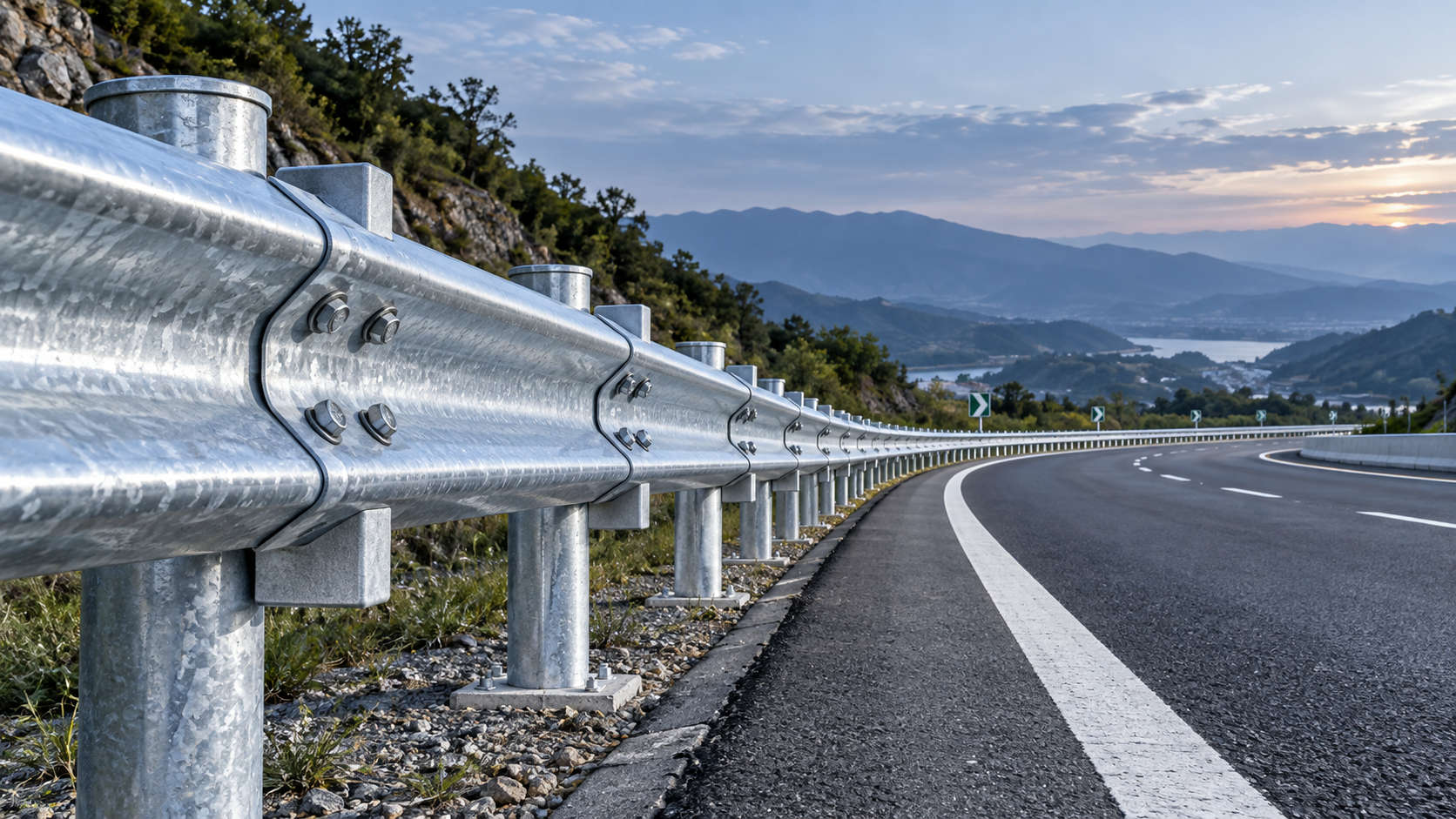
When a project includes steep slopes, narrow medians, or bridge approaches, the Guardrail decision usually goes wrong in one of two ways: the barrier type is chosen too early, or the installation details are left too late. Both create expensive field fixes. A better approach is to check the road condition first, then match the system, post spacing, transition details, coating, and fabrication scope to the actual risk on site.
For project managers, the practical goal is simple: the system has to perform during impact, fit the geometry you actually have, and go in without turning installation into a sequence of change orders. That means looking at slope shape, working width, end conditions, bridge connections, drainage interference, and corrosion exposure before you approve drawings or release production.
What to check before selecting the barrier system
Use this checklist in the same order your team will feel the consequences if something is missed.
- Slope recoverability: On steep embankments, ask whether an errant vehicle can recover on the slope or whether it will continue down the face. If recovery is unlikely, the guardrail is not just a line item; it becomes the primary containment measure.
- Available offset: Measure the real distance from traffic edge to posts, not the nominal distance on concept drawings. Tight shoulders and utility conflicts often reduce workable space.
- Median behavior: In medians, the question is not only whether a barrier is needed, but whether the width and cross-slope increase the chance of crossover crashes. Narrow medians usually leave less room for system deflection.
- Bridge approach transition: A barrier run that performs well in open roadway can still fail the project if the stiffness transition into the bridge rail is poorly handled. This is one of the first drawing packages worth reviewing in detail.
- Foundation and soil condition: Post behavior depends on embedment and support. Soft shoulders, fill areas, drainage structures, and pavement edge breakout can change installation feasibility and impact performance.
If these checks are still vague at tender stage, lock the decision points into the submittal process. Do not let fabrication begin from a generic section while the alignment and transitions are still unsettled.
Steep slopes: where alignment discipline matters most
On steep slopes, small layout errors become performance problems. A guardrail placed too close to the slope break may leave the post line without adequate support. Placed too far inward, it can reduce usable shoulder width and complicate maintenance access. The right answer depends on the section geometry, but the check is always the same: compare barrier line, post location, and slope break on the same drawing, then verify the same relationship in the field before drilling or driving posts.
Another recurring issue is trying to solve a hazardous section with a standard run and no adjustment for local geometry. Curves, drainage inlets, culvert headwalls, and access breaks often interrupt continuity. If a run includes those interruptions, review every nonstandard segment individually rather than assuming the assembly works as one uninterrupted length.
Medians: focus on deflection, not just placement
Median installations get approved too often on plan view alone. That is not enough. You need to know how much room the system has to work during impact and what sits behind it. If the median is narrow, adjacent traffic, drainage structures, or opposing lanes may leave little tolerance for barrier movement. In those cases, system selection and spacing detail matter more than the nominal length of need.
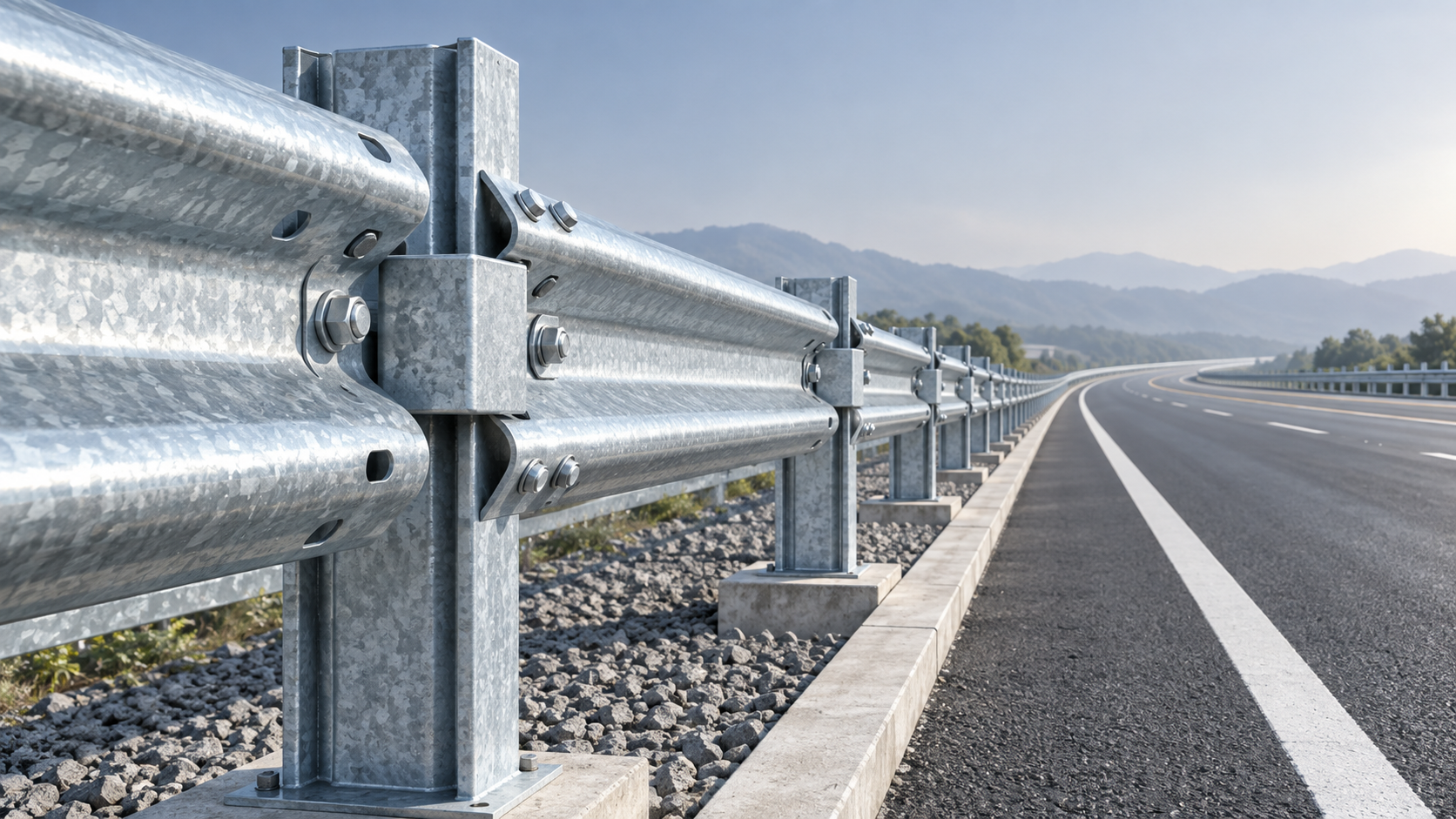
This is where a heavier profile may make sense for hazardous road sections and high-exposure highway segments. For example, Thrie-Beam Guardrail is commonly considered when stronger impact guidance and durability are priorities. Based on the provided product information, it is used on highways and other hazardous sections, uses a hot-dip galvanized coating, is intended to absorb collision energy and redirect vehicles, and is produced to align with standards such as U.S. AASHTO M180 and Brazil’s ANBT standards. That does not remove the need to verify project-specific drawings; it tells you where this type of system belongs in the conversation.
Bridge approaches: review the transition details early
Bridge approaches are less forgiving than open road sections because you are connecting systems with different stiffness and support conditions. The usual mistake is leaving the transition as a late-stage fabrication detail. By then, hole patterns, post types, rail height continuity, and anchorage details are already harder to change.
Check these items before production release:
- Whether the approach barrier and bridge rail are shown in one coordinated drawing set.
- Whether rail height remains consistent through the transition.
- Whether bolt holes, splice locations, and post spacing are resolved, not marked generically.
- Whether deck edge, parapet geometry, and shoulder width leave practical room for installation crews and equipment.
If one of these is missing, stop the release. A rushed transition package is one of the fastest ways to create site rework.
Do not separate material choice from environment
For exposed transportation projects, corrosion resistance is not a finish issue. It affects service life, maintenance planning, and whole-life cost. Hot-dip galvanized coating is often selected because it suits highway exposure and helps the system hold up over time. When the supplied product data indicates a service life of over 20 years, treat that as part of your durability review, not a substitute for checking the project environment. Coastal air, deicing salts, runoff patterns, and damaged coating during installation all affect the result on site.
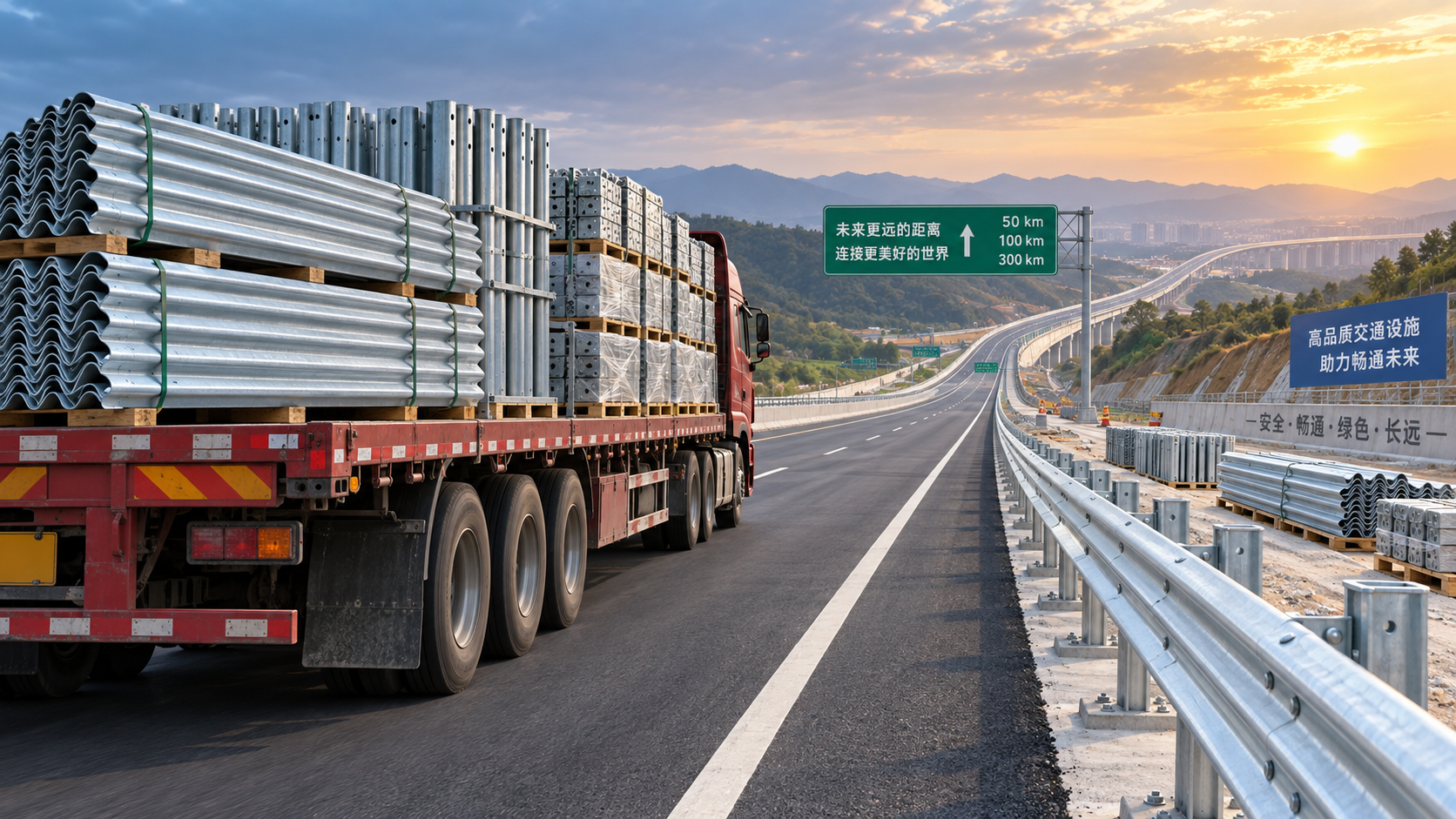
This is also where manufacturing scope matters. If your supplier handles drilling, bending, rust removal, shot peening, non-destructive testing, galvanizing, and painting according to drawings, that can reduce coordination gaps between design intent and delivered components. But only if your drawings are complete enough to drive fabrication accurately.
A short pre-production review saves field delays
What usually causes avoidable trouble
A few patterns show up again and again:
- Using one standard barrier detail across slope sections, medians, and bridge approaches without checking how the support condition changes.
- Treating corrosion protection as a purchasing comparison only, instead of linking it to exposure and maintenance access.
- Releasing fabrication before transition details and post conflicts are fully marked on approved drawings.
- Reviewing compliance references too late, especially on projects tied to named standards or export market requirements.
If you need a practical sequence, do it this way: confirm the hazard geometry, classify the installation area by slope, median, or bridge approach, review the required standard named in the project documents, lock the transition details, then release manufacturing. After that, field verification should focus on post location, rail continuity, coating condition, and installation access. That order keeps the Guardrail package tied to real site conditions instead of wishful assumptions from early drawings.
Leave A Reply
Need More Details?
Contact me for details on creating and managing design projects, project features, and services and prices
consult
Our company was established in 1998. It‘s a Chinese pioneer enterprise integrating production and sales, committed to providing high-quality steel products to customers at home and abroad.

First class quality service and professional after-sales team.
Get in Touch
*We respect your confidentiality and all information are protected.