






NEWS
Categories List
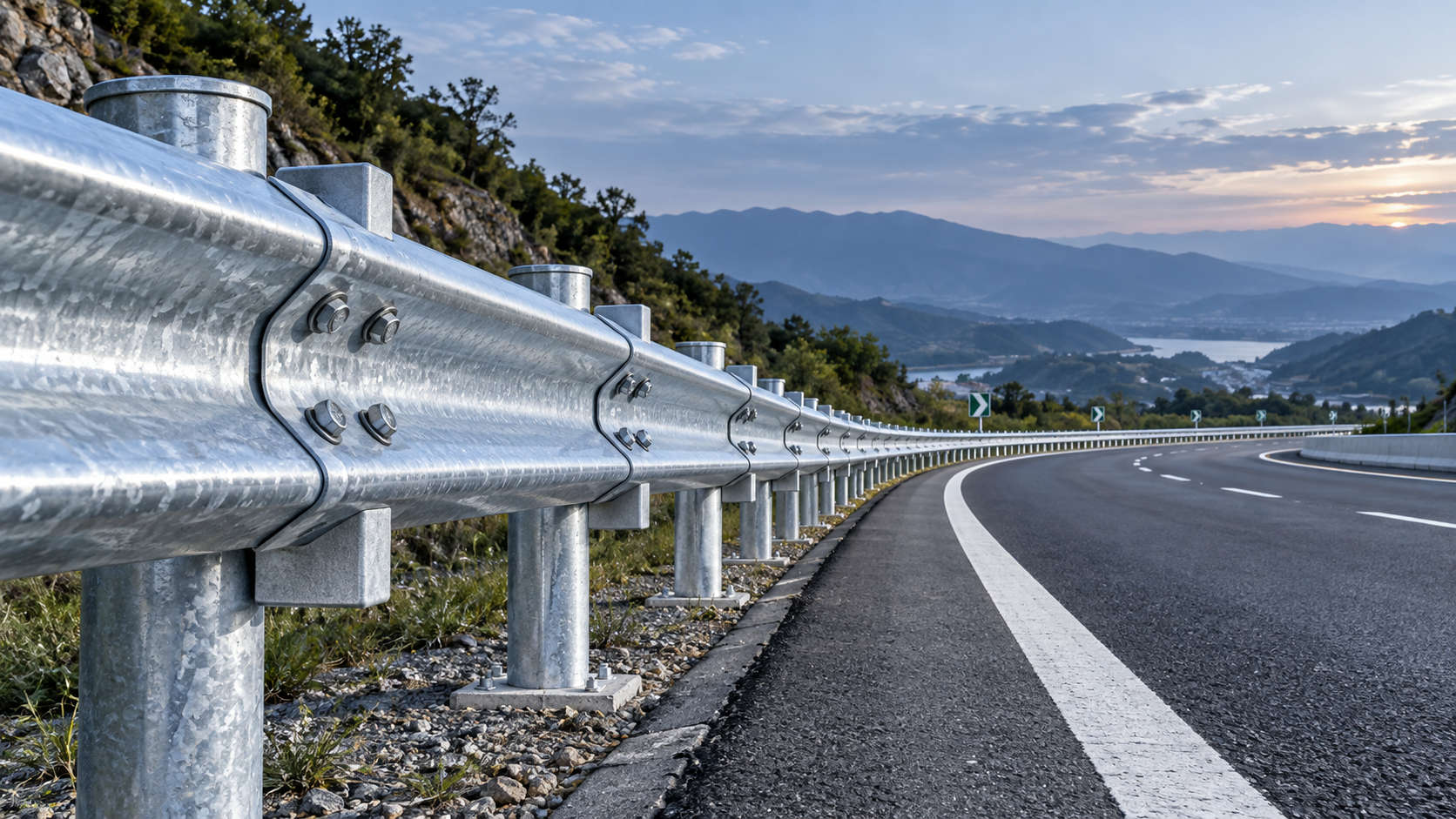
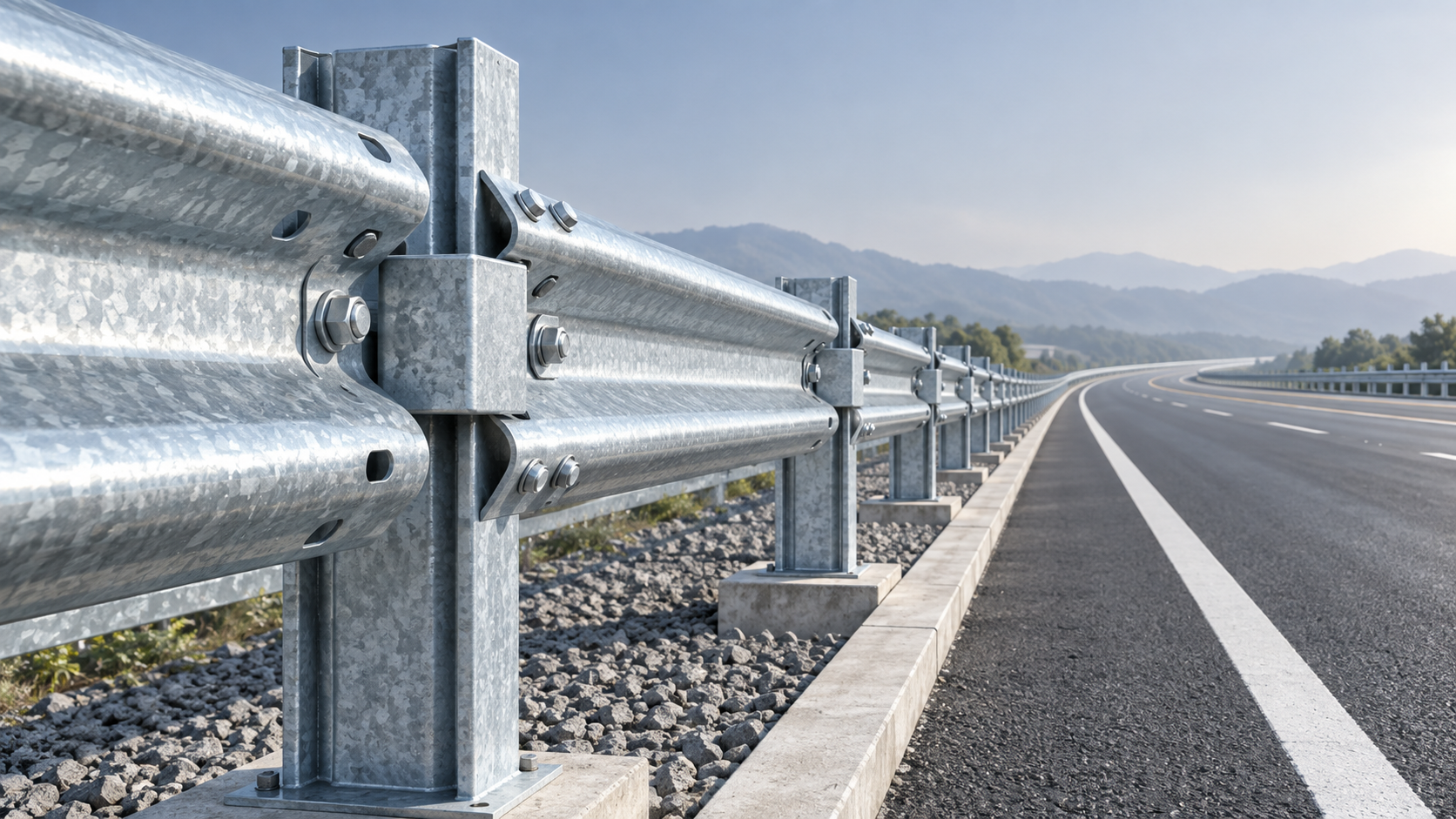
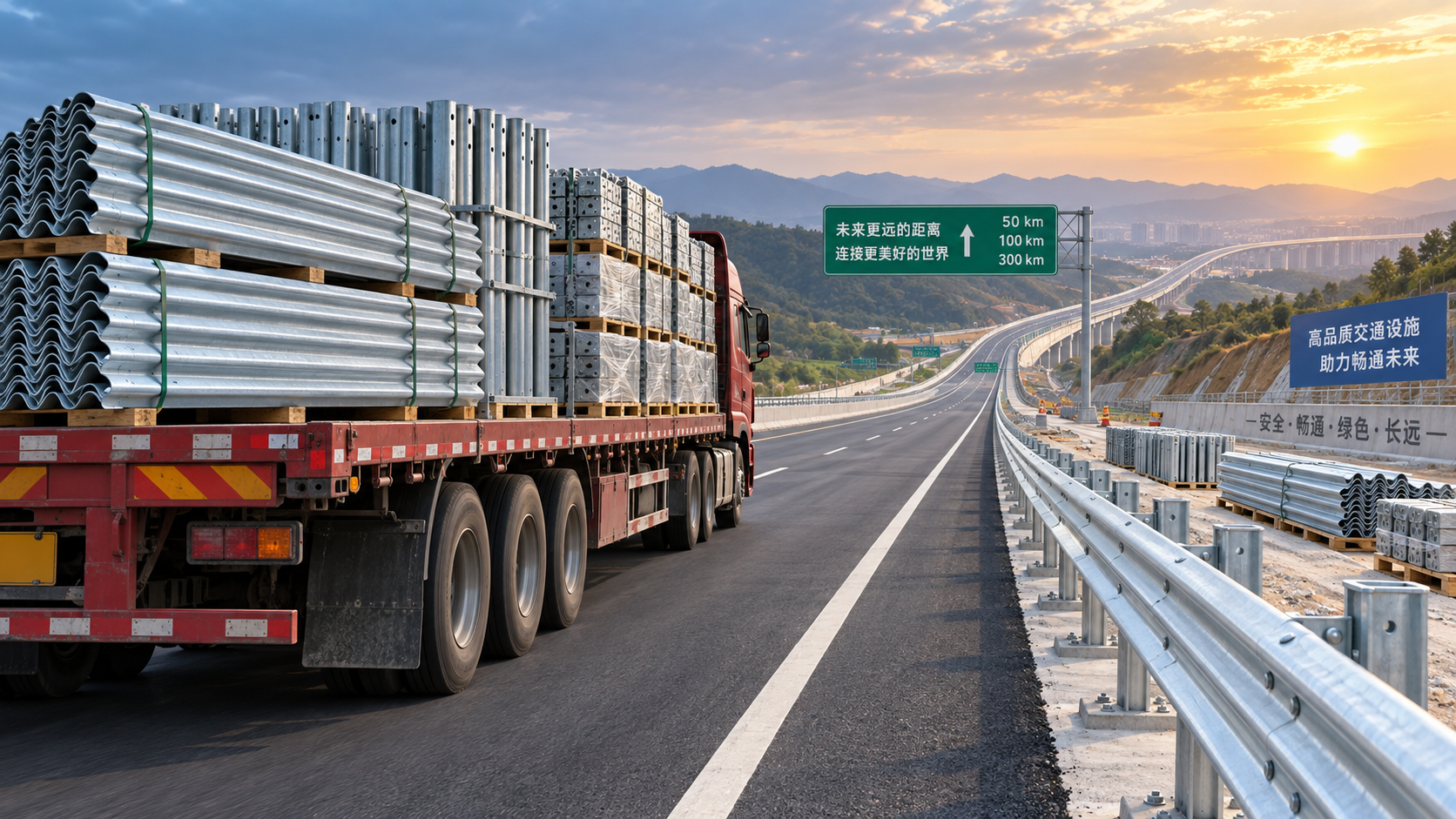
Comparing a highway barrier quote by cost per metre is one of the fastest ways to make a misleading purchasing decision. Two suppliers may quote the same beam profile, similar galvanizing language, and the same route length, yet arrive at noticeably different totals because the post spacing is different. One quotation may include more posts, more drilling, more installation labour, and more freight weight. The other may appear cheaper, but may be based on a spacing arrangement that does not match the approved drawing, the required containment level, or site conditions.
For procurement teams, the useful question is not simply, “Which Highway Barrier Price is lower?” It is, “Are these quotes pricing the same barrier system, for the same layout, with the same safety and durability obligations?” Post spacing sits at the centre of that comparison.
Why post spacing changes the real cost of a guardrail system
A steel highway barrier is a connected system rather than a collection of separate beams. The rail, posts, blocks or spacers, bolts, end terminals, foundations, and installation geometry all work together when a vehicle strikes the barrier. Reducing the distance between posts generally increases the number of support points over a given length. That usually raises the quantity of posts, post-related hardware, excavation or driving operations, and handling work.
The steel weight of the rail itself may remain similar per metre, but the total system weight does not. On a long project, the added number of posts can materially affect raw material consumption, galvanizing tonnage, loading plans, container utilization, and on-site labour. This is why a quotation that looks competitive on a “barrier per metre” basis can become less attractive after all accessories are counted.
At the same time, wider spacing should never be treated as an automatic saving. It can alter system behaviour under impact. Whether a wider arrangement is acceptable depends on the approved barrier design, beam type, post section, soil or foundation conditions, offset, roadside hazard, and applicable project requirements. Procurement should not ask a supplier to “optimize” spacing purely to reduce price unless the design authority has confirmed that the alternative is compliant.
Put every quote onto the same measurement basis
The cleanest way to compare offers is to rebuild each one into a common bill of quantities. Do not rely only on the supplier’s stated total length or unit rate. Ask for the calculation behind it: number of rail sections, post count, post spacing, spacer count, bolt sets, terminal sections, transitions, and any special components at bridges, culverts, curves, or hazardous roadside locations.
A quotation should also state whether its quoted length is the installed barrier length, the nominal rail length, or the centre-to-centre distance between end treatments. These are not always identical. End terminals and transitions can make a short section disproportionately expensive, while a long uninterrupted run may have a lower average installed cost.
It is sensible to calculate two internal figures: the supplied-material cost per installed metre and the complete installed-system cost per metre. The first helps compare manufacturing offers. The second is more useful for project budgeting. Keeping those figures separate prevents freight or installation exclusions from being hidden inside a seemingly low Highway Barrier Price.
Check what happens at non-standard sections
Uniform spacing is easy to price on a straight, open road. Real projects are rarely that simple. Curves, embankments, drainage structures, bridge approaches, access openings, changes in shoulder width, and terminal locations can require different arrangements. A supplier that prices every metre as a standard run may be offering a preliminary estimate rather than a buildable package.
This is particularly important where a barrier transitions between roadside conditions. Post lengths may change because of slope or ground conditions. Concrete foundations may be needed where driven posts are unsuitable. A drawing may call for additional rail overlap, adjusted post locations, or a specific transition detail. Those items should appear in the quotation as identifiable lines, not as vague allowances.
When reviewing supplier submissions, ask them to mark any assumptions made about soil, installation access, and existing underground services. A post-driving rate is not meaningful if the site later requires pre-drilling, rock excavation, or concrete works. The lowest quote can quickly lose its advantage once those assumptions are corrected.
Do not separate spacing from compliance and impact performance
Barrier spacing must be reviewed as part of the specified system. It is not a free design variable. If project documents reference a particular standard, approved drawing, or tested configuration, suppliers should identify exactly how their proposed rail, posts, blockouts, fasteners, and spacing align with it. Where there is any deviation, it should be clearly flagged for engineering review rather than quietly absorbed into a commercial quote.
For example, a W-beam solution intended for highways or hazardous road sections may be selected because it is designed to absorb collision energy and redirect a vehicle toward its normal travel path. A product such as the Brazil ABNT 6971 Guardrail may be relevant where the project requires a hot-dip galvanized W-beam configuration associated with ABNT 6971 or AASHTO M180 requirements. However, the final suitability still depends on the project drawing, specified assembly, local acceptance process, and installation conditions. A standard name alone does not prove that every quoted component and spacing arrangement is equivalent.
This point matters commercially. A supplier may quote a lighter post, a shorter post, or a different spacer arrangement that reduces weight. That does not automatically mean the offer is wrong, but it means the buyer needs a traceable technical comparison before approving it. Procurement should request drawings, component schedules, coating requirements, and inspection documents early, especially when offers differ sharply.
Look beyond steel weight: fabrication and coating are part of the quote
More closely spaced posts mean more individual components to manufacture and finish. Each post may require cutting, punching or drilling, bending where applicable, surface preparation, galvanizing, and inspection. The same applies to rail sections and connection hardware. Material weight remains important, but fabrication complexity often explains why two offers with similar tonnage do not match.
For exposed roadside steelwork, clarify the corrosion-protection scope rather than accepting a generic statement that the product is “galvanized.” Confirm whether hot-dip galvanizing is included for rails, posts, brackets, bolts, and smaller accessories; whether damaged coating from handling or field cutting has a defined repair method; and whether painting is required after galvanizing. In coastal, wet, industrial, or de-icing-salt environments, coating details deserve more attention because premature corrosion creates maintenance costs long after the original purchase order is closed.
A manufacturer with in-house control of drilling, bending, rust removal, shot peening where required, non-destructive testing where specified, galvanizing, and painting can often provide a clearer responsibility chain. That does not remove the need for inspection, but it makes it easier to identify who is accountable for dimensions, coating records, packaging, and non-conforming parts.
A practical way to normalize supplier offers
Before making a commercial recommendation, issue the same clarification sheet to each bidder. Include the approved route length, required post spacing, rail overlap direction if specified, post type and length, coating requirement, terminals, transitions, and installation responsibilities. Then require each supplier to return a component-by-component quantity schedule.
There are a few questions worth asking directly:
- How many posts are included for the quoted installed length, and what spacing calculation was used?
- Are end terminals, transitions, curved sections, and non-standard post locations included or excluded?
- Does the price include all bolts, washers, blockouts, brackets, and splice hardware?
- Which components receive hot-dip galvanizing, and what documentation will be supplied for the coating process?
- Is the offer based on the purchaser’s drawing, the supplier’s design proposal, or a preliminary assumption?
- What site conditions could trigger an installation variation?
If a supplier cannot provide a transparent answer to these questions, the quote may still be useful as a budget indication, but it should not be treated as a firm like-for-like comparison. This is especially true for cross-border procurement, where packing method, port delivery terms, damage allowances, and replacement-part lead times can differ as much as the fabricated steel price.
The cheapest spacing is not always the least-cost decision
Wider post spacing can reduce immediate material and installation quantities, but only where the specified barrier system permits it. Closer spacing can increase the purchase cost while being appropriate for the approved configuration or more demanding roadside condition. The right comparison is therefore not “more posts versus fewer posts.” It is “fully compliant installed system versus fully compliant installed system.”
A sound purchasing decision should leave a clear audit trail: the drawing used, the post-spacing assumption, component quantities, coating scope, exclusions, and responsibility for installation changes. Once those points are aligned, Highway Barrier Price becomes a useful commercial metric. Before that, it is only a number attached to assumptions that may not be visible in the quotation.
Leave A Reply
Need More Details?
Contact me for details on creating and managing design projects, project features, and services and prices
consult
Our company was established in 1998. It‘s a Chinese pioneer enterprise integrating production and sales, committed to providing high-quality steel products to customers at home and abroad.

First class quality service and professional after-sales team.
Get in Touch
*We respect your confidentiality and all information are protected.