






NEWS
Categories List
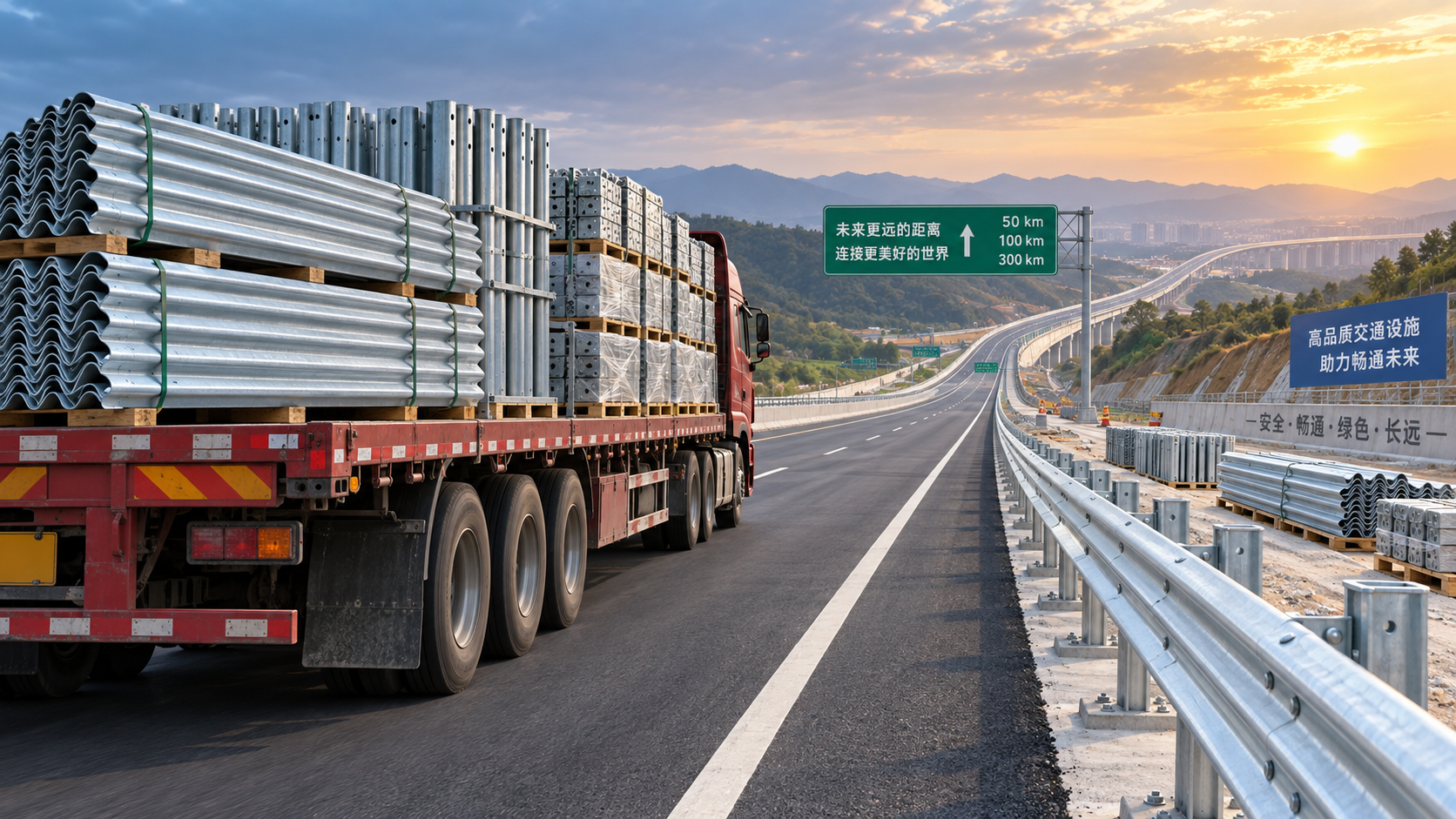
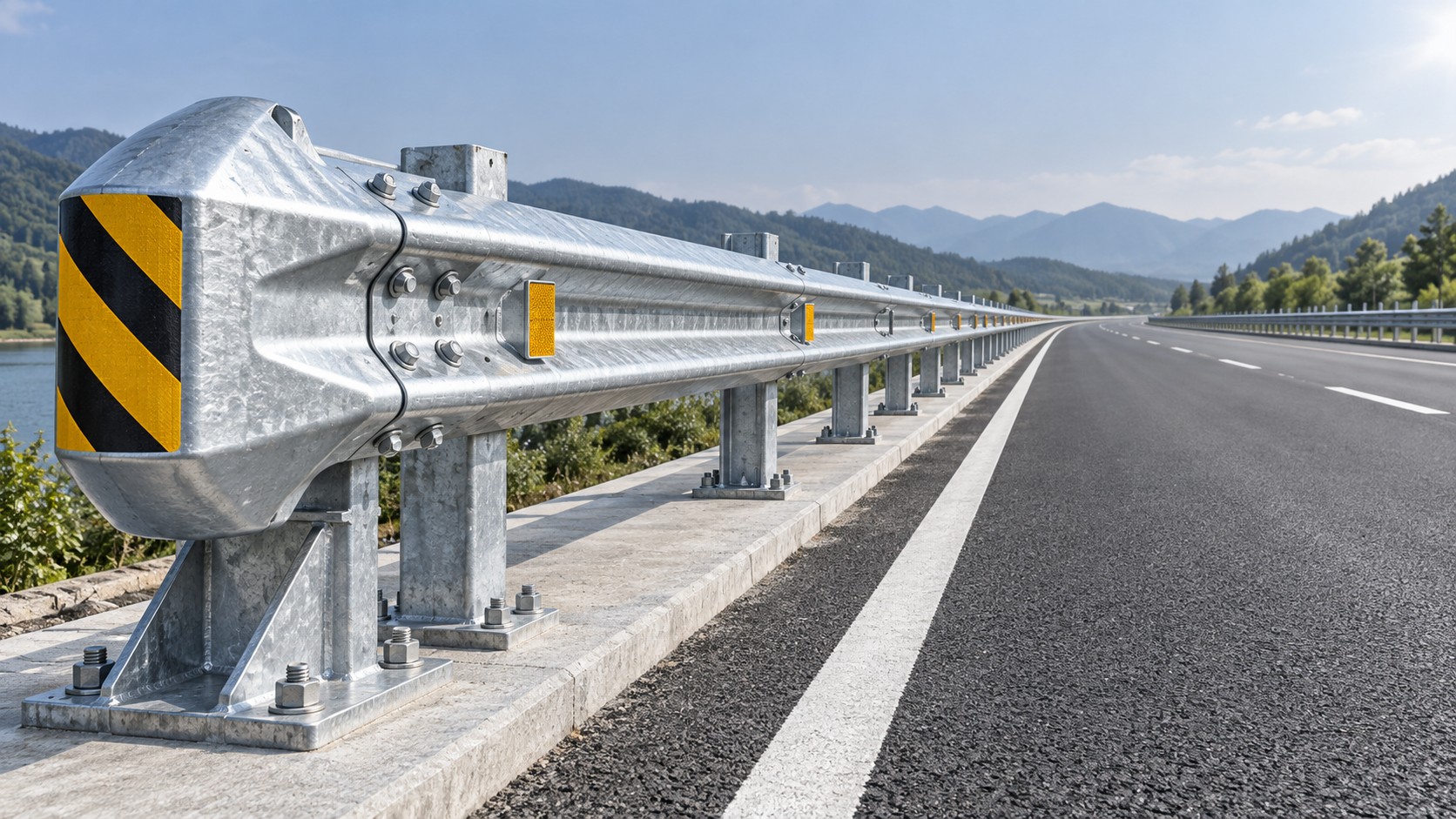
For large highway barrier orders, freight distance can change the delivered cost enough to reverse an apparently cheaper quotation. The factory price may be lower, but a supplier located farther from the project can require more truck movements, longer transit time, extra handling, or a less efficient loading plan. Procurement decisions should therefore compare the full Highway Barrier Price at the delivery point, not only the price per meter or per tonne shown on the initial quote.
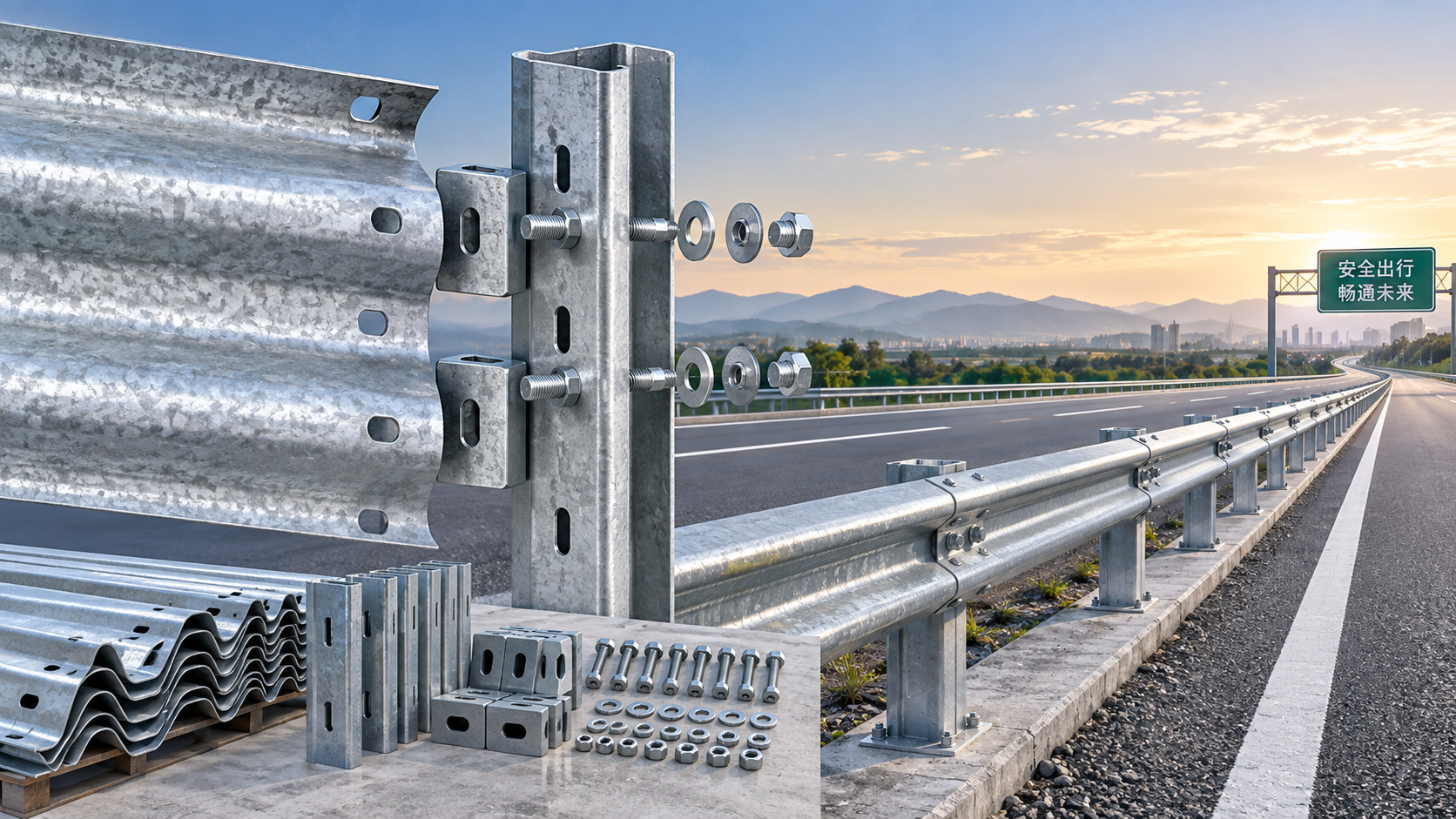
Distance matters most when the order contains long steel components, mixed accessories, several delivery points, or a fixed installation schedule. Guardrail beams, posts, end terminals, bolts, blocks, and base plates do not all load in the same way. Freight is affected by the physical shape of the order as much as by the route length.
Freight distance is only the starting point
Road freight is often quoted by vehicle type, route, loading time, delivery conditions, and the number of trips required. A longer route usually costs more, but the relationship is not always linear. A supplier located modestly farther away may still offer a better landed cost when it can load full vehicles efficiently, consolidate components properly, and avoid delays at the project site.
Conversely, a nearby factory may not be the lowest-cost choice if its loading plan leaves significant unused capacity or requires several partial deliveries. This is common when procurement compares a simple beam price without checking how posts, spacers, fasteners, terminals, and other parts will be packed alongside the beams.
Why large orders do not automatically dilute freight costs
Buyers often assume that a larger order always produces a lower freight cost per unit. This is often true when the order fills vehicles consistently and goes to one accessible destination. It becomes less reliable when the project is released in sections, includes custom components, or must be sent to several work fronts.
A highway project may need barriers delivered along different sections of a route rather than to one warehouse. Each additional drop can add waiting time, handling effort, and coordination. If the installer cannot unload a full vehicle immediately, the carrier may need to wait or return later. Those costs can appear as separate charges or be built into a higher delivered rate.
The order can also cross a practical transport threshold. One additional quantity increment may require another truck even when that truck is only partly loaded. In that situation, ordering a little more material does not necessarily reduce the freight allocation per unit. The relevant question is not “Is this a large order?” but “How many efficiently loaded shipments does this exact order require?”
Long steel components make loading efficiency a pricing issue
Guardrail systems are transport-sensitive because many parts are long, rigid, and difficult to rearrange once loaded. Beam length, post length, bundle dimensions, protective packing, and stacking limits affect how much can be carried in one vehicle. A quotation should therefore define whether the freight assumption is based on loose loading, bundled loading, palletized accessories, or another documented arrangement.
Custom fabrication can change the calculation. A post with a different diameter, wall thickness, or length may be appropriate for the site, but it can alter bundle size and vehicle utilization. Custom drilling, bending, galvanized finishing, or protective treatment also needs to be completed in a sequence that supports shipment readiness. A low unit price is less useful when components are available at different times and force fragmented dispatches.
For systems that require vertical support and load transfer, component compatibility matters beyond the steel price. For example, a U Post Base Plate can be specified with C-type, U-type, Z-type, or H-type post arrangements according to drawings and site conditions. If base plates, posts, energy-absorbing blocks, and bolted connectors are supplied as a coordinated package, they can usually be packed and released in a more controlled sequence than separately sourced components.
Compare quotations on a landed-cost basis
The most useful comparison is a common delivery scenario. Give each supplier the same material schedule, destination, unloading requirements, required delivery date, and packaging expectation. Then separate the quote into product value, freight, packaging, loading, unloading support where applicable, and any cost associated with staged delivery.
Do not accept vague wording such as “freight included” without understanding the boundary. It may mean delivery to a regional depot, delivery to the site entrance, or delivery under conditions that assume unrestricted vehicle access. The point of transfer, unloading responsibility, and allowance for waiting time should be visible in commercial terms.
- Use one bill of materials and one revision of drawings for every supplier comparison.
- Provide the actual delivery location, including whether the shipment goes to a warehouse, an urban work zone, or a roadside installation area.
- Ask for the assumed vehicle type, shipment count, loading method, and dispatch sequence.
- Identify whether quoted freight covers all barrier components or only the main beams.
- Compare the cost of a single delivery with the cost of staged delivery aligned to installation progress.
- Check whether site access requires special timing, smaller vehicles, or temporary storage.
When a farther manufacturer can still be the better purchase
A more distant source can remain commercially attractive when its manufacturing scope reduces coordination cost. A supplier that can work from project drawings, produce guardrails and associated steel products, complete drilling and bending, carry out surface preparation and galvanizing, inspect finished parts, and arrange shipment from one production plan can reduce the chance of missing or mismatched components.
This does not mean freight should be treated as a minor detail. It means the factory price and transport price must be read together with execution risk. A project may benefit from one coordinated source when the barrier design includes non-standard posts, critical locations with closer support spacing, or components that must arrive in the correct installation order. Splitting purchases across several suppliers can make individual line items look economical while creating extra consolidation, storage, and delay costs.
Local sourcing is often preferable when delivery is urgent, site access is complicated, quantities are too small to fill efficient loads, or installation plans are changing frequently. The decision should follow the project’s logistics pattern rather than a simple distance rule.
The questions to settle before placing the order
Before issuing a purchase order, procurement should confirm the final destination, quantity by component, required delivery sequence, packaging method, unloading arrangement, and drawing revision. These details determine whether the quoted Highway Barrier Price reflects a realistic delivered scope or only an attractive factory-gate number.
It is also worth confirming what happens if the schedule changes. Barrier installation is commonly affected by civil works, traffic control, weather, and access conditions. A supplier may be able to manufacture the order on time but still need storage, reloading, or multiple dispatches if the site cannot receive it as planned. Agreeing the release process early prevents freight from becoming an unplanned cost after production is complete.
The practical buying rule is straightforward: select the quotation that delivers the correct, complete barrier system to the usable point of installation with a workable shipment plan. Freight distance affects the final cost, but vehicle utilization, component coordination, site access, and delivery timing determine how strongly it affects the result.
Leave A Reply
Need More Details?
Contact me for details on creating and managing design projects, project features, and services and prices
consult
Our company was established in 1998. It‘s a Chinese pioneer enterprise integrating production and sales, committed to providing high-quality steel products to customers at home and abroad.

First class quality service and professional after-sales team.
Get in Touch
*We respect your confidentiality and all information are protected.