






NEWS
Categories List
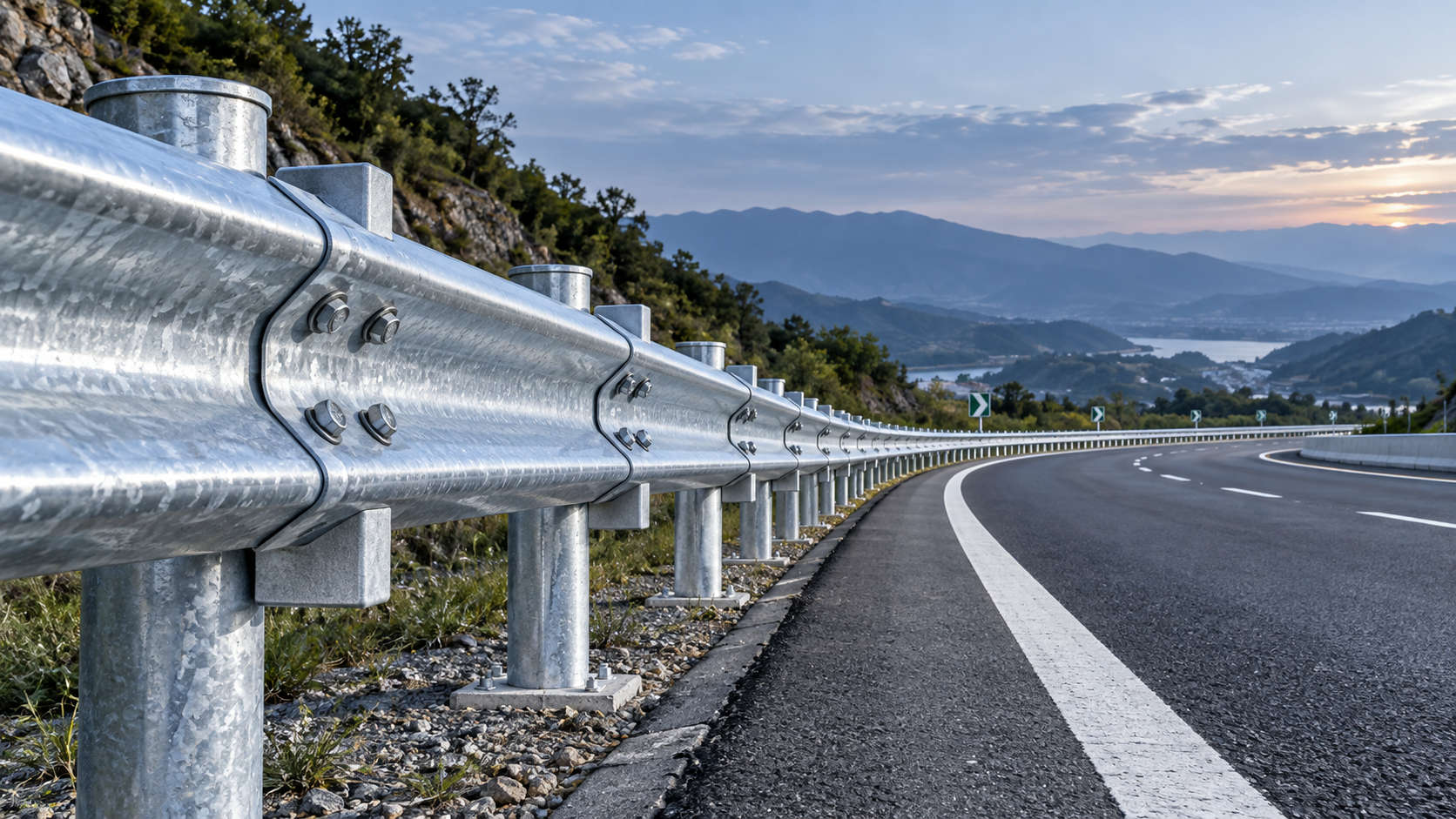
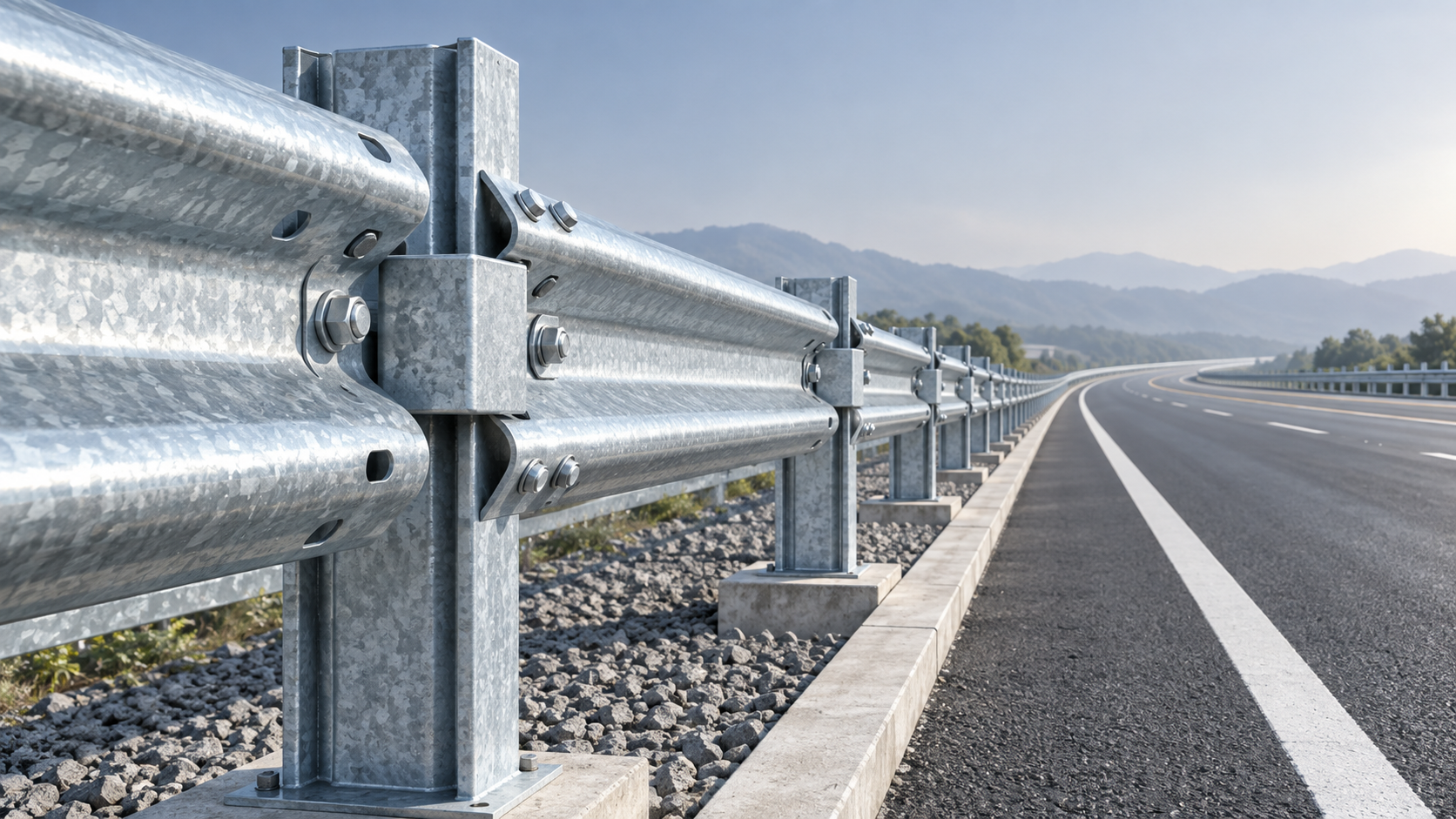
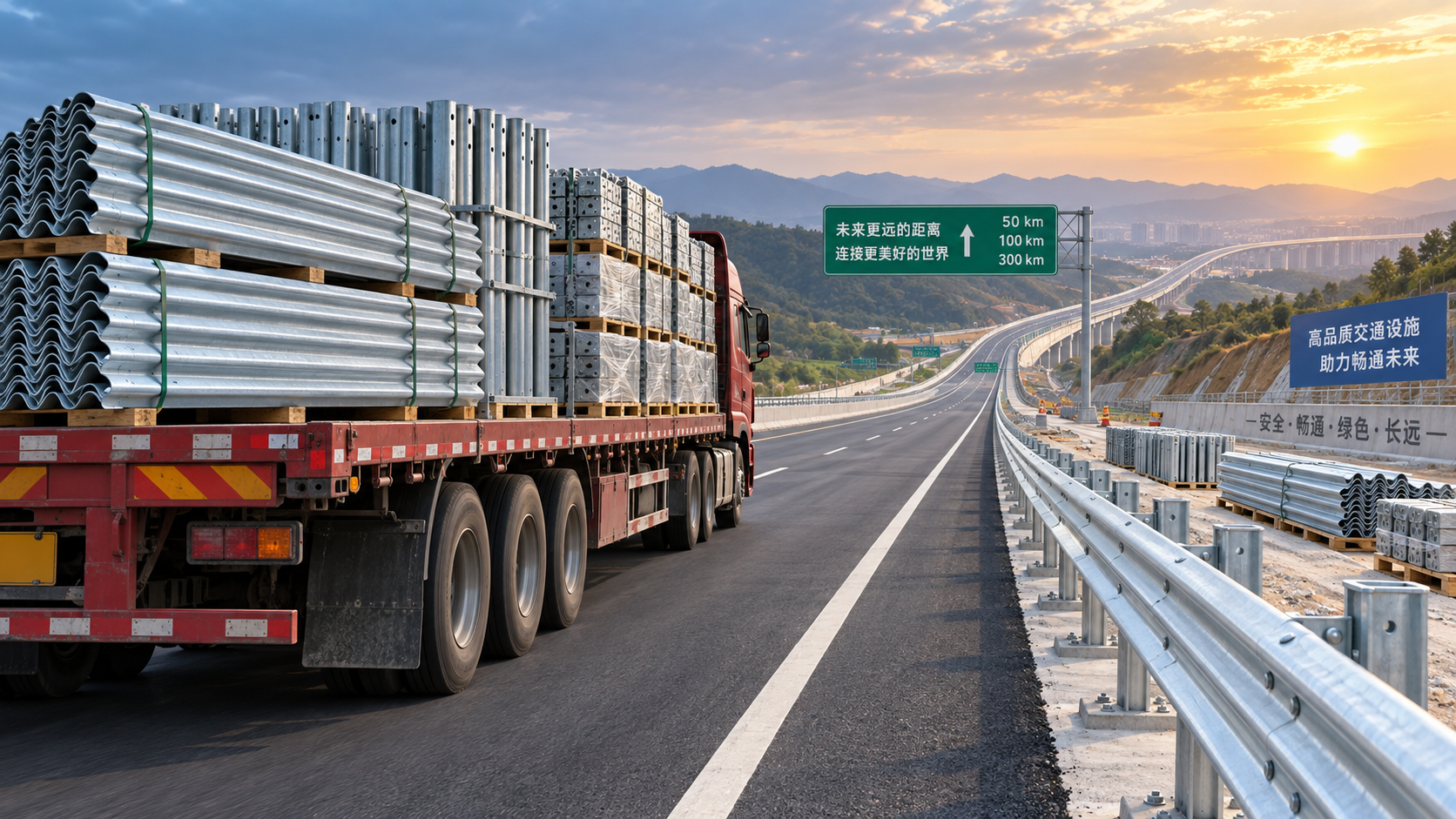
A low Highway Barrier Price does not, by itself, prove that crash-test evidence is missing. It can, however, be a valid trigger for a deeper review. When a quoted system is materially less expensive than comparable offers, the difference may come from efficient production and a simpler delivery scope—but it may also reflect omitted testing documentation, reduced steel section properties, unverified coating work, substituted components, or a barrier configuration that does not match the tested assembly.
This matters when a barrier is being approved for a roadside location where containment performance, deflection, anchorage, and corrosion resistance are all part of the safety outcome. A low purchase cost can become a serious quality issue if the delivered rails, posts, blocks, bolts, and installation geometry cannot be tied back to a verified crash-tested system. The practical response is not to reject the lowest quotation automatically. It is to ask whether the quoted product is technically identical to the configuration supported by the available evidence.
Price is a screening signal, not a technical verdict
Highway barrier quotations can vary for legitimate reasons. Steel may be sourced under different commercial conditions. A manufacturer may have in-house drilling, bending, shot peening, galvanizing coordination, or fabrication capacity that reduces handling costs. Freight, packaging, delivery boundaries, and installation responsibilities may also be treated differently from one quotation to another.
The concern begins when the price difference cannot be explained through a clear scope comparison. A supplier may quote only selected parts of a system, omit connection hardware, use a different post section, exclude coating requirements, or offer a layout that has not been evaluated as a complete assembly. In those situations, the number is not comparable even if the product description appears similar.
A barrier is not simply a set of steel members. Its roadside behavior depends on how the parts work together: rail profile, steel thickness, post type, post spacing, blockout geometry, fasteners, soil or foundation assumptions, terminal treatment, and installation tolerances. Crash-test evidence is meaningful only when it applies to that complete configuration or to a clearly justified equivalent configuration.
Where missing evidence tends to hide
Documentation gaps are not always obvious in a quotation. A supplier may state that a barrier “meets a standard” without identifying the exact tested arrangement, test level, report reference, or limits of use. Such wording should not be treated as proof of crash performance.
During technical review, separate the following documents rather than accepting one general compliance statement:
- Crash-test report or valid evaluation record: This should identify the system configuration, tested components, barrier length or arrangement where relevant, vehicle conditions, impact conditions, measured performance, and the organization that issued the report.
- System drawings: Drawings should show rail sections, post shape and size, spacings, blockouts, bolt locations, hole patterns, and critical dimensions.
- Material certificates: These should establish the steel grade, thickness, mechanical properties, and heat or batch traceability required by the project specification.
- Coating records: Hot-dip galvanizing or paint requirements should be supported by inspection records appropriate to the specified corrosion-protection system.
- Manufacturing and final-inspection records: These may include dimensional checks, hole-position verification, weld inspection where welding is part of the item, and identification of nonconforming material.
A test report for one rail-and-post combination cannot automatically validate another. Replacing a post profile, changing the post spacing, reducing steel thickness, moving bolt holes, using a different blockout, or altering embedment conditions can change stiffness, load transfer, vehicle interaction, and deflection. The smaller component may look interchangeable in a warehouse, but it may not behave as an equivalent part during impact.
Compare the offered assembly against the tested assembly
The most useful review is a line-by-line configuration comparison. Place the supplier’s quotation and drawings beside the crash-test documentation. Do not start with broad claims such as “same design” or “similar performance.” Start with the physical details that control barrier behavior.
Where a quotation describes “equivalent” components, ask the supplier to define equivalence technically. A commercial declaration is not enough. The review should establish whether the component is covered by the same tested design, a recognized approved variation, or project-specific engineering verification. If neither evidence nor a defensible technical basis is available, it should be treated as an open safety and compliance risk rather than a paperwork issue.
Posts deserve special attention
Post selection is often where price reductions become difficult to see. The post is responsible for providing vertical support and transferring impact loads into the foundation. It helps prevent excessive shifting or overturning of the guardrail line. Its profile, section thickness, steel properties, spacing, and embedment condition all influence the response of the full barrier system.
For example, a standard layout may use posts at 4-meter intervals, while areas requiring greater support may use 2-meter spacing. Neither arrangement should be assumed acceptable simply because the rail remains unchanged. The spacing must be consistent with the approved system design and the conditions at the location.
When a project requires C-type supports, the relevant review should cover the actual post dimensions, hole pattern, galvanizing condition, and compatibility with the specified rail and energy-absorbing components. Properly specified C Posts can be manufactured to drawings and integrated with matching blocks and bolted connectors, but the supplied configuration still needs to be checked against the project’s approved barrier arrangement. Custom fabrication is useful for non-standard site conditions; it does not automatically extend the scope of an existing crash-test record.
Questions that expose an incomplete quotation
A supplier that can support the offered system should be able to answer focused questions without relying on vague assurances. The following questions are particularly useful before a low-priced offer is approved:
- Which exact barrier configuration does the quoted price cover, including rail, posts, blockouts, bolts, terminals, and installation accessories?
- What document supports the impact performance of that configuration, and what are its stated application limits?
- Do the quoted steel grades, section dimensions, and post spacings match the supported design?
- Which items are excluded from the price: galvanizing, testing records, connection hardware, delivery, installation, or inspection?
- How are materials traced from incoming steel through drilling, bending, surface preparation, galvanizing, and final release?
- What controls prevent substitution of rail thickness, bolt class, post profile, or coating process after approval?
The quality review should also examine whether the manufacturer’s process can repeatedly produce the specified geometry. Hole alignment affects field assembly. Incorrect bending can alter rail fit. Inadequate rust removal before coating can compromise corrosion protection. Galvanizing defects or damaged coatings may not affect the initial appearance of the installation, yet they can shorten service life in exposed environments. These are production-control concerns, but they become safety concerns when deterioration weakens the system or prevents proper maintenance.
Do not confuse material testing with crash performance
Mill certificates, galvanizing inspection results, and dimensional reports are necessary quality documents, but they do not replace crash-test evidence. They confirm that individual materials or manufactured parts meet stated properties and tolerances. A crash test or valid system-level evaluation addresses a different question: how the complete barrier arrangement performs when subjected to the relevant impact conditions.
The reverse is also true. A crash-test record does not excuse weak production traceability. A system can be supported by valid historical evidence, yet the delivered product may still differ from that system because of uncontrolled material substitutions, incorrect hole locations, missing spacers, inconsistent post dimensions, or incomplete coating. Approval should therefore require both levels of confidence: evidence for the system and inspection evidence for the actual supply.
When a low price can be acceptable
A low Highway Barrier Price can be acceptable when the scope is transparent and the technical basis remains intact. A manufacturer may offer a competitive price because fabrication steps are controlled internally, production is organized efficiently, or the buyer provides complete drawings that reduce design uncertainty. The deciding factor is whether the supplier can demonstrate that the lower price has not been created by removing performance-critical work or supplying a configuration outside the supported design.
Before release for manufacture, freeze the approved bill of materials and drawings. Identify which dimensions and components are safety-critical, require batch traceability for steel and fasteners, and define inspection hold points before galvanizing and before shipment. Any requested field change—especially to post spacing, foundation condition, rail height, connectors, or support profile—should be reviewed against the original performance evidence rather than accepted as a minor installation adjustment.
The appropriate conclusion is cautious rather than automatic: a low price is a reason to verify crash-test coverage and manufacturing controls, not proof that they are absent. If the supplier cannot connect the quoted assembly to clear system evidence and controlled production records, the price comparison is incomplete and the barrier should not be treated as technically approved.
Leave A Reply
Need More Details?
Contact me for details on creating and managing design projects, project features, and services and prices
consult
Our company was established in 1998. It‘s a Chinese pioneer enterprise integrating production and sales, committed to providing high-quality steel products to customers at home and abroad.

First class quality service and professional after-sales team.
Get in Touch
*We respect your confidentiality and all information are protected.