






NEWS
Categories List
Why AASHTO M180 Guardrail Zinc Coating Matters
For long roadside service, zinc coating is not a small detail. In an AASHTO M180 Guardrail system, it is one of the main barriers against corrosion, section loss, and early replacement.
When coating quality is inconsistent, the guardrail may still look acceptable at delivery. Problems usually appear later, after rain, deicing salts, and repeated temperature changes start attacking exposed steel.
That is why AASHTO M180 Guardrail zinc coating requirements deserve close review before approval, installation, and final acceptance. A quick visual check is never enough for real compliance.
What to Confirm First
Start with the basics. Confirm whether the supplied rail elements, posts, and accessories are produced to the correct material grade, dimensions, and galvanizing process required for the project.
- Check whether the galvanizing method matches project documents and applicable standards. Hot-dip galvanizing is typically expected for AASHTO M180 Guardrail components exposed to long-term outdoor conditions.
- Review mill certificates, coating reports, and inspection records together. If paperwork is complete but traceability between batches and delivered parts is unclear, treat that as a risk.
- Measure representative coating thickness instead of relying only on appearance. Bright finish does not guarantee sufficient zinc mass, especially around edges, punched holes, and formed sections.
- Confirm the surface was properly prepared before galvanizing. Poor rust removal, oil residue, or scale can reduce coating adhesion and create early peeling or uncoated areas.
- Inspect damaged spots from loading, transport, and site handling. A compliant factory coating can still fail in service if scratches and impact marks remain untreated before installation.
Inspection Points That Often Get Missed
AASHTO M180 Guardrail reviews often focus on beam thickness and profile. In practice, coating failures usually begin at details that receive less attention during routine inspection.
- Pay special attention to cut ends, bolt holes, and bent zones. These locations are more likely to show thin coating, local holidays, or damage from fabrication and stacking.
- Do not ignore fasteners and connecting hardware. If rails meet coating requirements but bolts, nuts, or washers have weaker corrosion protection, system durability drops quickly.
- Compare actual coating readings across several positions on the same piece. Wide variation may indicate unstable process control, even when average values seem acceptable.
- Watch for excessive zinc runs, lumps, or ash inclusions. Heavy buildup may look protective, but it can interfere with fit-up, bolt seating, or splice alignment.
- Check whether repair methods for small damaged areas follow project rules. Random zinc-rich paint touch-up without clear acceptance criteria can cause disputes during handover.
A practical note on posts and support members
The rail beam is only part of the system. Support members also need stable corrosion protection, because section loss at the post can reduce impact performance long before the beam looks critical.
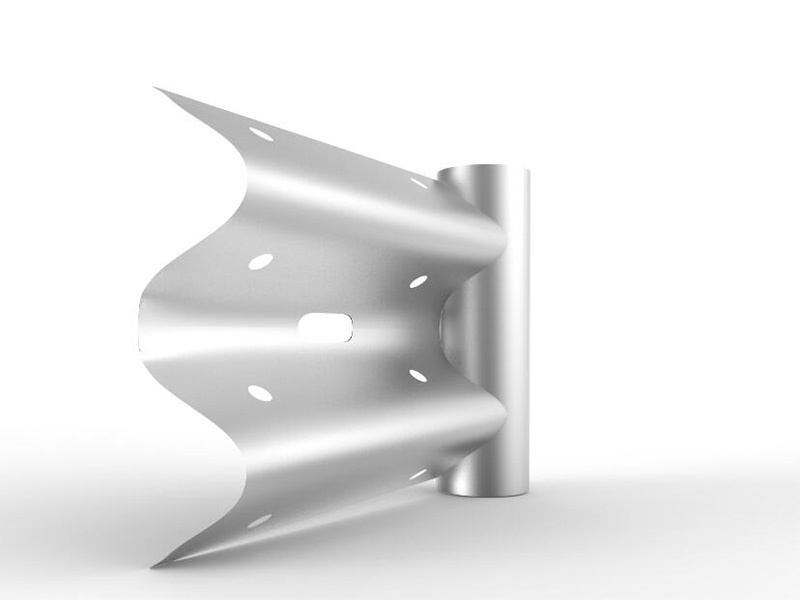
In many highway guardrail systems, C Posts provide vertical support and help transfer impact force into the foundation. Standard spacing is often 4 meters, with 2 meters used at critical locations.
If site conditions are unusual, customized post sections and matching blocks or bolted connectors should be checked together, not as separate items. That helps keep the full system reliable after installation.
How Manufacturing Affects Coating Quality
AASHTO M180 Guardrail coating performance starts long before galvanizing. Drilling, bending, shot blasting, rust removal, and dimensional control all influence how evenly zinc bonds to the steel surface.
When fabrication is done according to drawings and controlled procedures, coating consistency becomes much easier to maintain. The same is true for non-destructive testing, surface preparation, galvanizing, and final painting where required.
What to Check in Real Project Situations
Coastal and deicing-salt environments
In these locations, AASHTO M180 Guardrail coating quality becomes even more important. Salt exposure accelerates corrosion at scratches, edges, and joints, so marginal zinc thickness tends to fail early.
It helps to increase sampling around connection areas and lower splash zones. If repairs are needed, document the method clearly before acceptance, not after field complaints begin.
Mountain roads and difficult installation sites
Remote sites often cause more handling damage than factory defects. Repeated lifting, temporary storage, and rough ground contact can remove zinc at corners and post bases.
For these projects, inspect again after unloading and before installation. Components manufactured under international standards, including hot-dip galvanized support members, still need field protection to keep compliance meaningful.
A Simple Acceptance Approach
- Prepare one acceptance sheet that combines drawings, coating results, heat numbers, and site observations. This prevents approval decisions based only on appearance or incomplete delivery documents.
- Sample across rails, posts, and hardware from multiple bundles. For AASHTO M180 Guardrail work, single-piece checks rarely show the true consistency of the full batch.
- Record nonconformities with location, quantity, and photo evidence immediately. Delayed reporting makes it harder to distinguish manufacturing defects from transport or installation damage.
- Ask for process details when readings vary unexpectedly. Reliable suppliers should explain drilling, bending, shot peening, galvanizing, and inspection controls without vague answers.
- Before final sign-off, confirm that the installed system remains complete, aligned, and protected, including posts, blocks, connectors, and repaired coating areas where permitted.
Final Takeaway
AASHTO M180 Guardrail zinc coating requirements are really about service life, safety, and avoiding preventable maintenance. The best results come from checking coating quality as part of the whole system, not as an isolated test item.
When drawings, fabrication, galvanizing, inspection, and installation all stay connected, it becomes much easier to judge whether a delivered guardrail system is ready for long-term roadside use.
If the next project involves custom layouts or site-specific support details, review the full manufacturing and coating route early. That usually saves more time than fixing corrosion issues after installation.
Leave A Reply
Need More Details?
Contact me for details on creating and managing design projects, project features, and services and prices
consult
Our company was established in 1998. It‘s a Chinese pioneer enterprise integrating production and sales, committed to providing high-quality steel products to customers at home and abroad.

First class quality service and professional after-sales team.
Get in Touch
*We respect your confidentiality and all information are protected.