






NEWS
Categories List
Recent Posts
 Netherlands Client Delegation Visits Our Factory to Advance European Highway Guardrail CooperationOct 10, 2026
 AASHTO M180 Guardrail Requirements: A Practical Guide to Material ComplianceOct 10, 2026
 Port Safety Barriers: Selecting Protection for Vehicle Lanes and Loading AreasOct 10, 2026
Keeping roadside safety systems effective starts with proper inspection and timely upkeep. For after-sales maintenance work, understanding AASHTO M180 Guardrail requirements helps teams spot damage early, plan repairs faster, and keep barriers performing as intended.
This article focuses on the warning signs that matter most in daily field service. It also shows how accurate fabrication, solid steel processing, and durable corrosion protection support safer highways and smoother maintenance operations.
What to check first on an AASHTO M180 Guardrail line
When an AASHTO M180 Guardrail needs attention, the first pass should be simple and practical. Start with impact marks, alignment, post stability, splice condition, and coating damage. These five points usually reveal whether a local repair is enough or a longer section needs replacement.
- Look for rail beam kinks, waves, or flattening after impact. Even small shape changes can reduce energy absorption and affect how the AASHTO M180 Guardrail redirects vehicles.
- Check posts for leaning, uplift, or looseness at the base. A damaged support can shift load paths and allow the rail to deflect too much during another collision.
- Inspect bolts, splice connections, and blockouts carefully. Missing or stretched hardware often looks minor, but it can weaken continuity across the entire guardrail section.
- Watch for rust at cut edges, drilled holes, and scratched galvanized surfaces. Corrosion usually starts in these exposed areas and spreads faster than many teams expect.
- Measure rail height and post spacing in repaired zones. Incorrect dimensions may leave the AASHTO M180 Guardrail compliant in appearance, but not reliable in real impact conditions.
In routine highway service, bent rails are easy to notice, but spacing errors are often missed. If a post was replaced in a hurry, confirm whether the original layout was restored, especially near curves, bridges, and median transitions.
Warning signs that often get overlooked
Some failures do not look urgent at first. However, these details often decide whether an AASHTO M180 Guardrail still performs correctly in the next impact.
- Pay attention to slight post rotation, not just visible bending. Rotation can indicate soil loosening or hidden foundation movement that reduces the barrier’s overall resistance.
- Check drainage around posts and along shoulders. Standing water accelerates corrosion, softens support soil, and may shorten the service life of the guardrail system.
- Review coating damage after mowing, snowplow contact, or debris strikes. Repeated surface abrasion can expose steel and create long-term maintenance problems.
- Inspect transition areas more carefully than standard runs. Changes in stiffness, post spacing, or connection details make these locations more sensitive to small defects.
- Do not ignore non-destructive signs like unusual vibration or noise under traffic. These may point to loose connectors or weakened support elements.
A common field issue is replacing only the visibly damaged beam while keeping compromised posts. That saves time in the moment, but it often leads to repeat repairs and inconsistent barrier behavior later.
How support components affect maintenance results
The rail gets most of the attention, but support members control load transfer. In many highway guardrail systems, correct post selection and spacing directly affect whether the system overturns, shifts, or stays stable during impact.
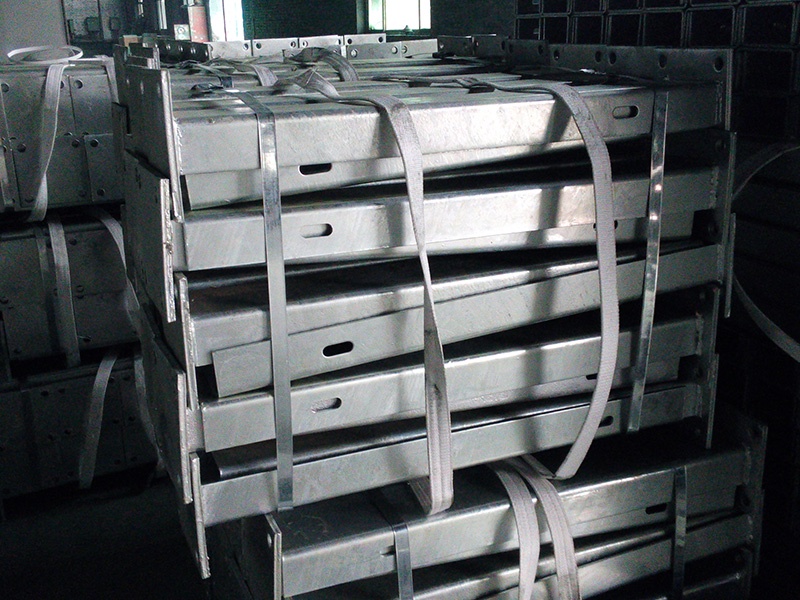
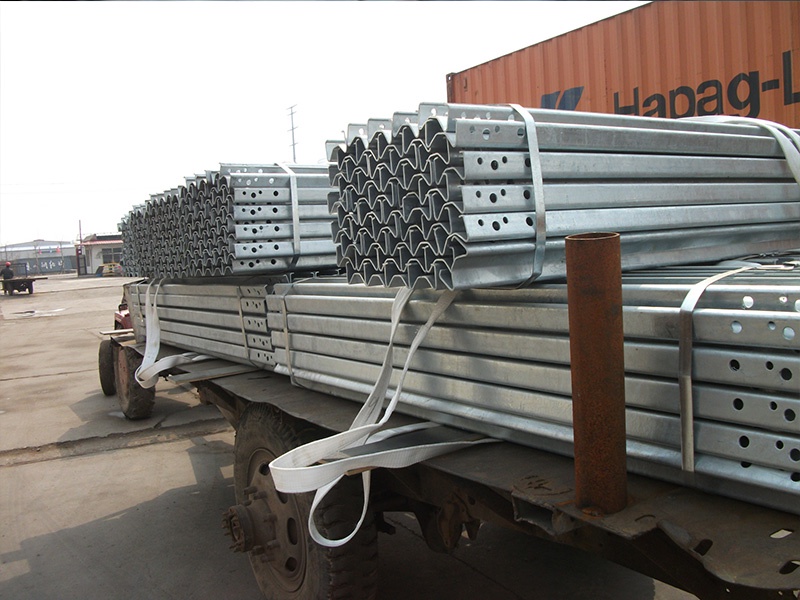
For example, Z Post components are used to provide vertical support and transfer forces into the foundation. Standard post spacing may be 4 meters, while critical locations may require 2 meters, depending on the site condition and design intent.
When replacing supports, it helps to confirm the original profile and service environment. C-type, U-type, Z-type, and H-type options may be used in different arrangements, and non-standard posts can also be produced from drawings or field requirements.
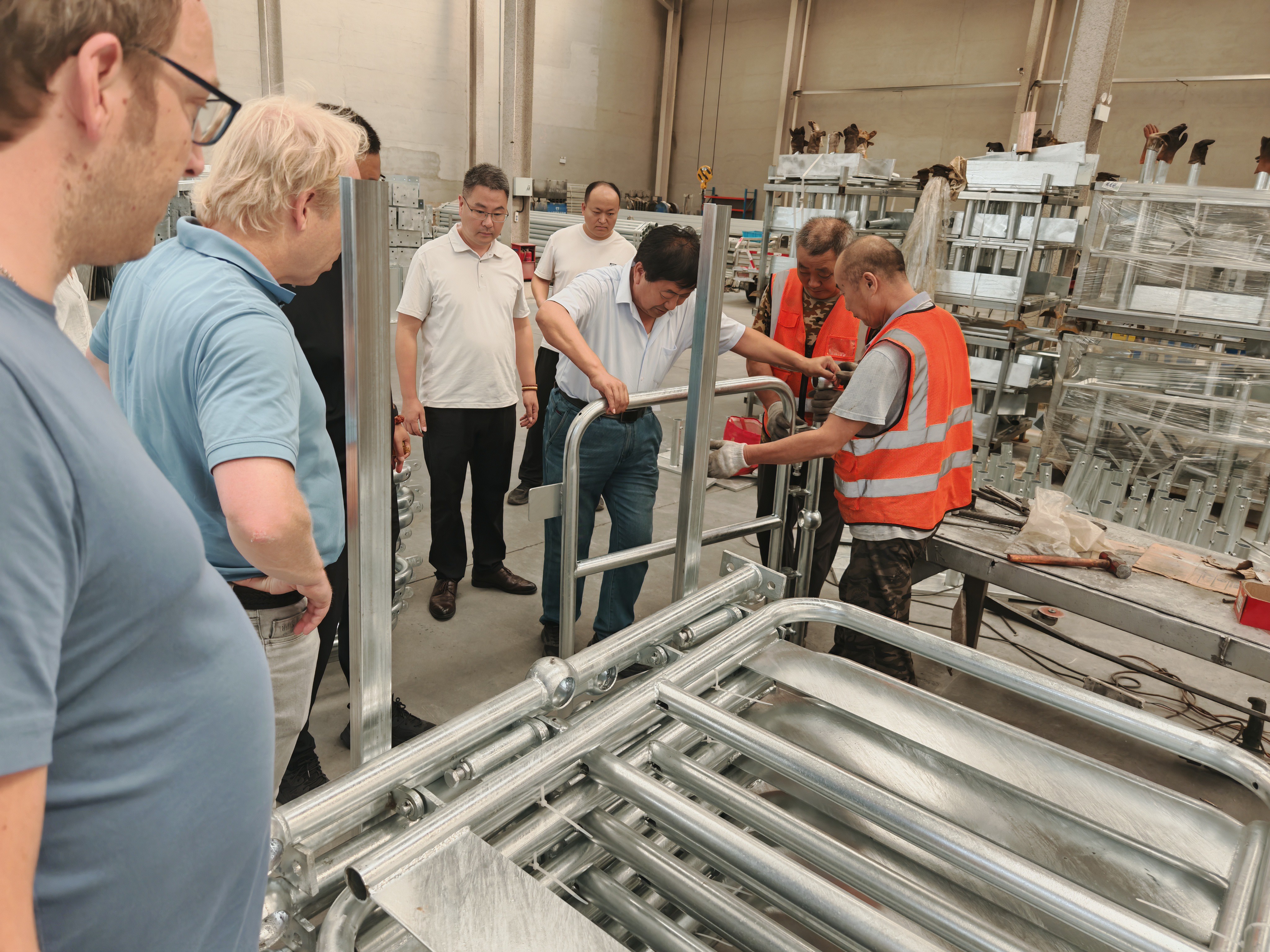
This is where manufacturing quality matters. Drilling accuracy, bending control, rust removal, shot peening, non-destructive testing, galvanizing, and painting all influence how reliably a replacement part performs after installation.
Quick field decisions that save rework
Different roadside situations need different checks
On straight roadside sections, consistency is the main concern. Check whether the AASHTO M180 Guardrail maintains even height, smooth line, and correct splice orientation. Small installation errors become easier to spot over long runs.
Near ramps, bridges, and terminals, details matter more than speed. These areas usually have tighter geometry and more frequent impacts. Any mismatch in support stiffness or connector integrity should be treated as a priority.
In wet or coastal environments, corrosion control deserves extra attention. Hot-dip galvanized components generally provide stronger long-term resistance, but scratches, cut ends, and bolt interfaces still need regular review.
On repairs involving custom layouts, drawing control is essential. If the replacement was made from site-specific plans, verify every drilled hole, bend, and connector position before closing the work order.
Practical steps before closing a maintenance job
- Record impact location, damaged length, hardware count, and post condition. Good documentation helps compare recurring failures and supports better planning for future AASHTO M180 Guardrail repairs.
- Confirm replacement parts match the original design intent. If drawings are available, compare hole positions, section type, coating method, and connection details before installation.
- Use complete system thinking during repair. Matching rails, posts, energy-absorbing blocks, and bolts usually provides better reliability than mixing unrelated components.
- Inspect final alignment from several viewing angles and distances. A quick walk-through often catches height changes or offset issues missed during close-up work.
- Escalate unusual or repeated damage patterns for design review. Recurrent failure may indicate a site problem, not just a product replacement issue.
Reliable maintenance of an AASHTO M180 Guardrail is not only about replacing damaged steel. It is about restoring the system’s original performance through correct inspection, proper spacing, sound fabrication, and durable surface protection.
If a repair area shows repeated bending, post movement, or corrosion, the next step is to review the full barrier assembly and the replacement specification. That approach usually prevents repeat failures and keeps roadside safety work more efficient.
Leave A Reply
Need More Details?
Contact me for details on creating and managing design projects, project features, and services and prices
consult
Our company was established in 1998. It‘s a Chinese pioneer enterprise integrating production and sales, committed to providing high-quality steel products to customers at home and abroad.

First class quality service and professional after-sales team.
Get in Touch
*We respect your confidentiality and all information are protected.