






NEWS
Categories List
Recent Posts
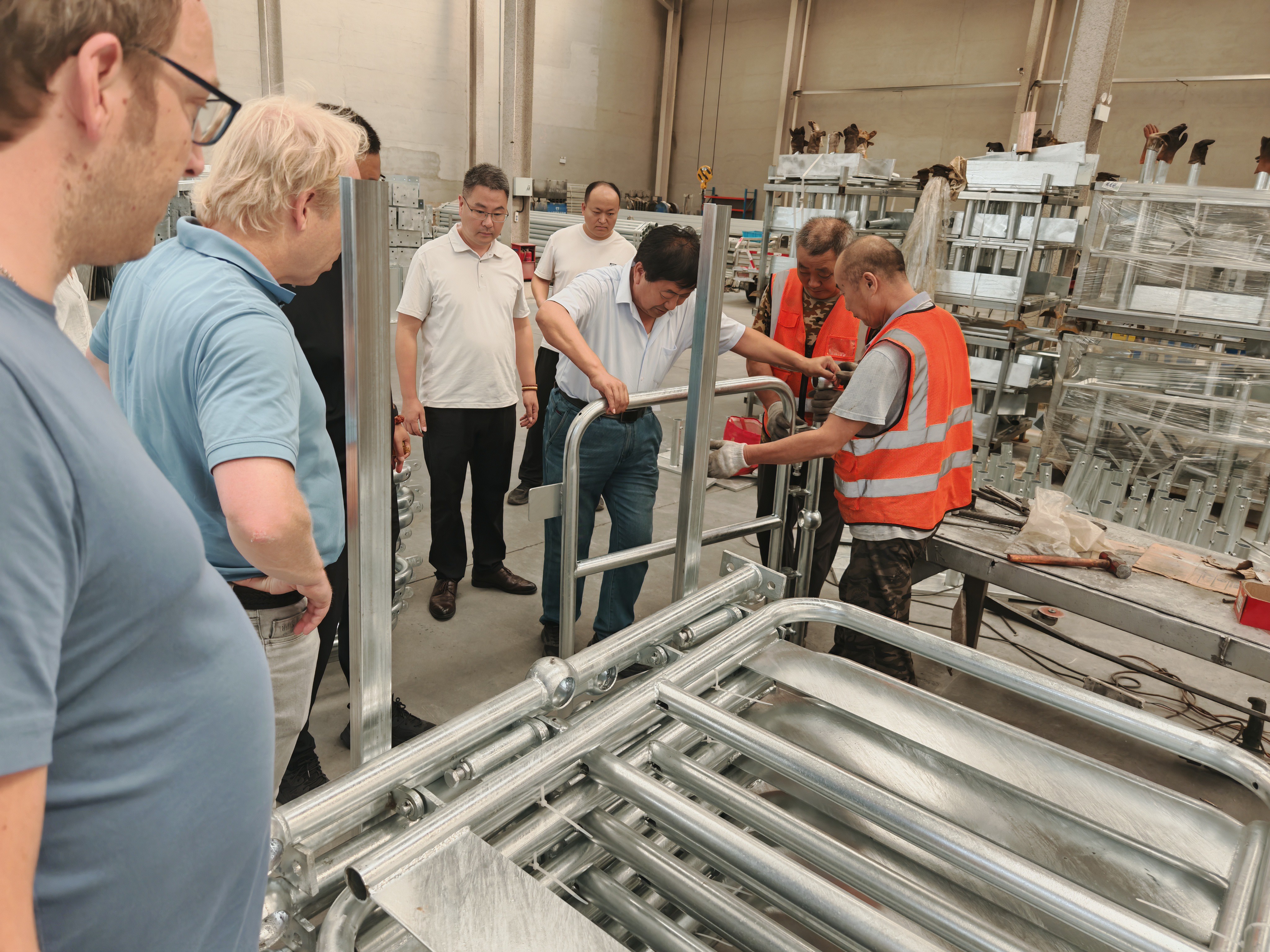
 Netherlands Client Delegation Visits Our Factory to Advance European Highway Guardrail CooperationOct 10, 2026
 AASHTO M180 Guardrail Requirements: A Practical Guide to Material ComplianceOct 10, 2026
 Port Safety Barriers: Selecting Protection for Vehicle Lanes and Loading AreasOct 10, 2026
Z Post Guardrail Supplier Guide for Highway Projects
Choosing the right Z Post Guardrail Supplier is not just a purchasing exercise. On a highway project, the supplier affects design coordination, fabrication accuracy, corrosion protection, installation fit, and ultimately how well the barrier system performs in service. A post that looks acceptable on paper can still create delays or rework if hole positions drift, galvanizing quality is inconsistent, or the supplier cannot match the project drawings exactly.
That is why experienced buyers usually look beyond unit price. They want to know whether the supplier can interpret engineering documents correctly, control fabrication tolerances, manage protective coatings for the local environment, and support the project from quotation through delivery and installation. In highway work, those details matter more than sales language.
What makes a Z post supplier worth shortlisting
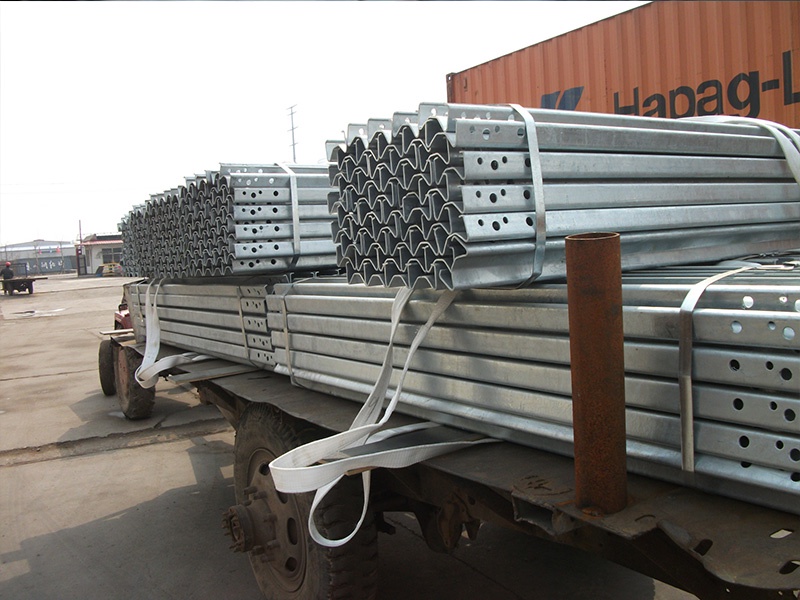
Z posts are used because they can provide the structural behavior required by many roadside protection systems while remaining practical to manufacture and install. But the supplier’s real value appears when the project is not standard. Bridge transitions, median openings, ramp divergences, and sections near lighting poles or pier protection zones often require more than catalog dimensions. They need drawing-based production and a team that can identify conflicts before steel is cut.
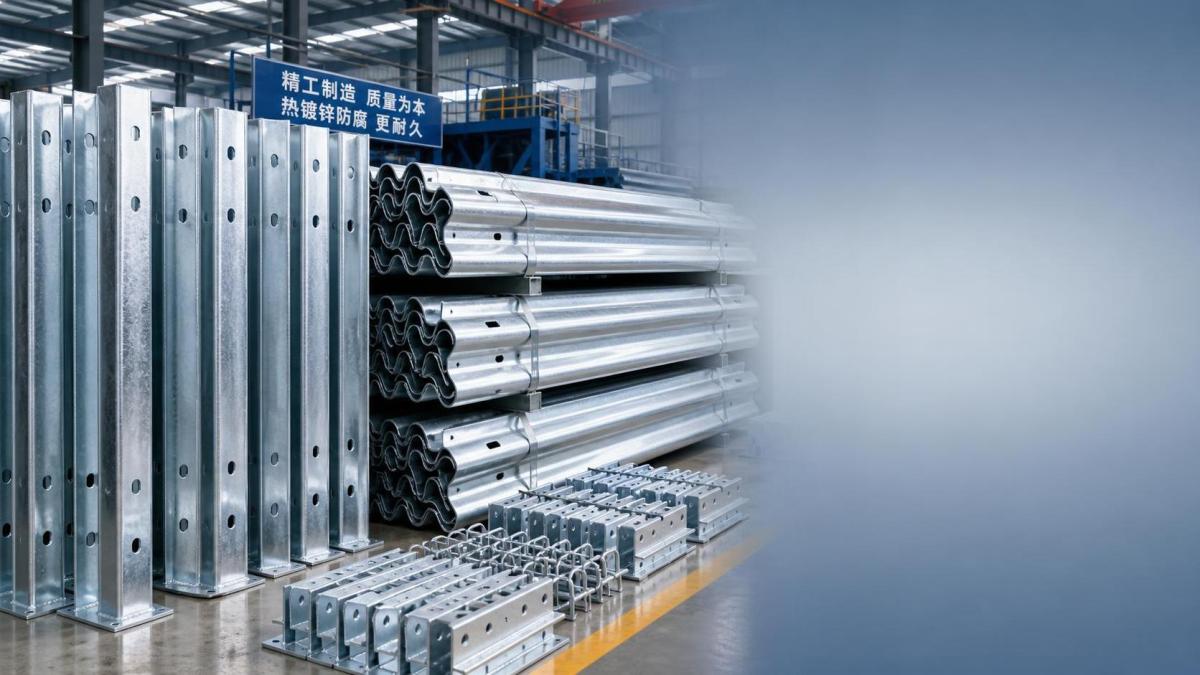
A capable manufacturer should be able to work in two directions: design according to your plan, or manufacture precisely according to your drawings. That includes handling drilling, bending, rust removal, shot peening, non-destructive testing, galvanizing, and painting in a controlled sequence. These are not decorative process steps. Each one influences fit-up, coating adhesion, durability, and field performance.
If a supplier cannot clearly explain how it manages those operations, that is usually a sign to probe deeper.
The questions that reveal real manufacturing capability
Many guardrail suppliers can provide a quotation quickly. Fewer can explain how they keep production aligned with highway project requirements. When reviewing a Z post supplier, it helps to ask practical questions rather than broad ones.
For example, can they produce to project drawings without forcing unnecessary redesign? Do they verify critical hole spacing, bend geometry, and mating dimensions before galvanizing? Can they accommodate both standard runs and special components within the same delivery package? If coating is required for coastal or high-salt-fog conditions, do they offer finishing options suited to that exposure rather than defaulting to a generic treatment?
Inspection capability also deserves attention. Non-destructive testing is especially relevant where weld quality or hidden defects could affect long-term reliability. Even when a project specification does not require extensive testing on every component, a supplier with in-house quality control discipline is generally easier to work with than one that treats inspection as an afterthought.
Why coating and material decisions should not be left to the end
Highway guardrail systems spend years exposed to rain, de-icing chemicals, airborne salt, dust, and impact vibration. So the supplier selection process should include a serious discussion about steel grade, surface preparation, and protective finish. A lower initial price can become expensive if early corrosion affects service life or triggers maintenance in hard-to-access locations.
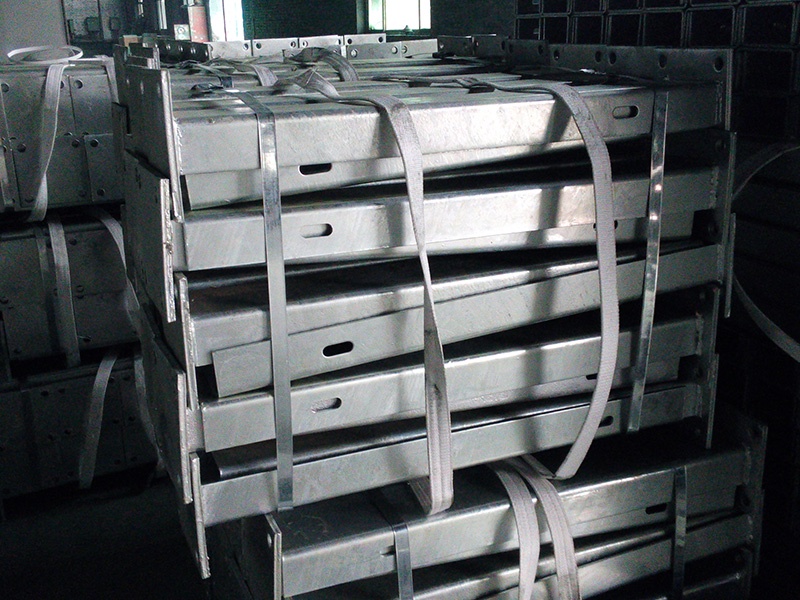
This is particularly relevant for special connection or reinforcement parts used in demanding zones. In some layouts, engineers may specify components such as Hanging Plate elements made from high-quality hot-rolled steel plates for areas like bridge sections, median strip openings, or ramp divergences. Where higher stiffness, higher impact resistance, and minimal deformation are required, these details can strengthen the overall crash performance of the system. In corrosive environments, zinc-aluminum-magnesium coatings or powder coatings may also be considered, depending on the project requirement and finishing strategy.
The point is not that every project needs the same accessory or coating package. It is that the supplier should be comfortable discussing service environment, not only steel tonnage.
Drawings, tolerances, and the hidden cost of “almost correct”
In highway projects, “almost correct” often means field modification. That can delay installation crews, create coating damage at cut edges, and introduce uncertainty into the finished barrier line. For Z posts, dimensional accuracy is not limited to overall length. Hole location, flange shape, straightness after forming, and consistency across batches all affect installation speed.
This is why suppliers with strong drawing control tend to perform better. They usually review fabrication documents early, confirm revision status, and flag mismatches between posts, beams, spacers, and foundation details before production starts. If your project includes custom layouts, ask how drawing revisions are tracked and how approval is documented. That process discipline often tells you more than a polished brochure.
Delivery support matters as much as production
A supplier can manufacture good steel and still become a problem if packaging, labeling, and installation coordination are weak. Highway jobs are rarely installed in a perfect warehouse environment. Material may arrive in phases, be staged outdoors, or move directly to different work fronts. Clear part identification and shipment planning reduce confusion on site.
This is where full-service suppliers can offer practical value. If quotation, design support, manufacturing, and installation are connected, there is less room for handoff error. The contractor gets a clearer path from approved drawing to fabricated product to field assembly. That does not remove the need for project oversight, but it usually makes coordination easier.
A simple way to compare suppliers
Where buyers often make the wrong call
One common mistake is comparing suppliers only on quoted steel weight or nominal section size. Another is assuming that all galvanizing is equal, regardless of surface preparation or environmental exposure. Buyers also sometimes overlook how special parts behave under impact. In critical locations, components with extremely high section modulus and bending stiffness may be justified because they better resist collision-induced deformation and help preserve barrier geometry after impact.
The right choice depends on the project, but the wrong choice is usually easy to recognize in hindsight: too many clarifications, too much field correction, and too little confidence in what arrives on site.
For highway projects, a strong Z Post Guardrail Supplier is usually one that can translate drawings into manufacturable steel, apply the right process controls, and stay engaged through delivery and installation. Before placing an order, it is worth confirming the technical drawings, coating requirements, inspection scope, packaging method, and any special conditions such as coastal exposure or non-standard transitions. Those are the details that separate a smooth installation from a difficult one.
Leave A Reply
Need More Details?
Contact me for details on creating and managing design projects, project features, and services and prices
consult
Our company was established in 1998. It‘s a Chinese pioneer enterprise integrating production and sales, committed to providing high-quality steel products to customers at home and abroad.

First class quality service and professional after-sales team.
Get in Touch
*We respect your confidentiality and all information are protected.