






NEWS
Categories List
Recent Posts
 Netherlands Client Delegation Visits Our Factory to Advance European Highway Guardrail CooperationOct 10, 2026
 AASHTO M180 Guardrail Requirements: A Practical Guide to Material ComplianceOct 10, 2026
 Port Safety Barriers: Selecting Protection for Vehicle Lanes and Loading AreasOct 10, 2026
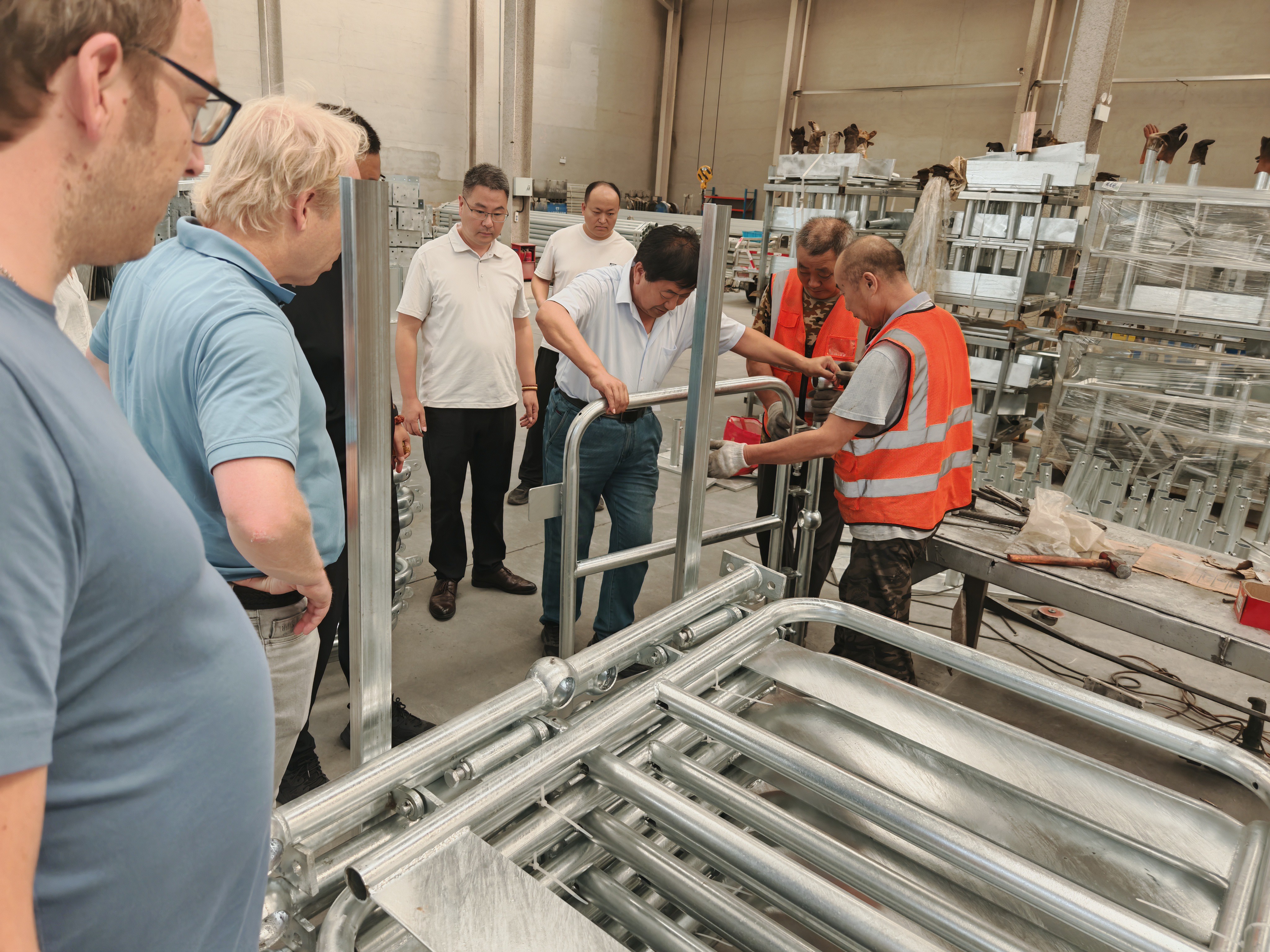
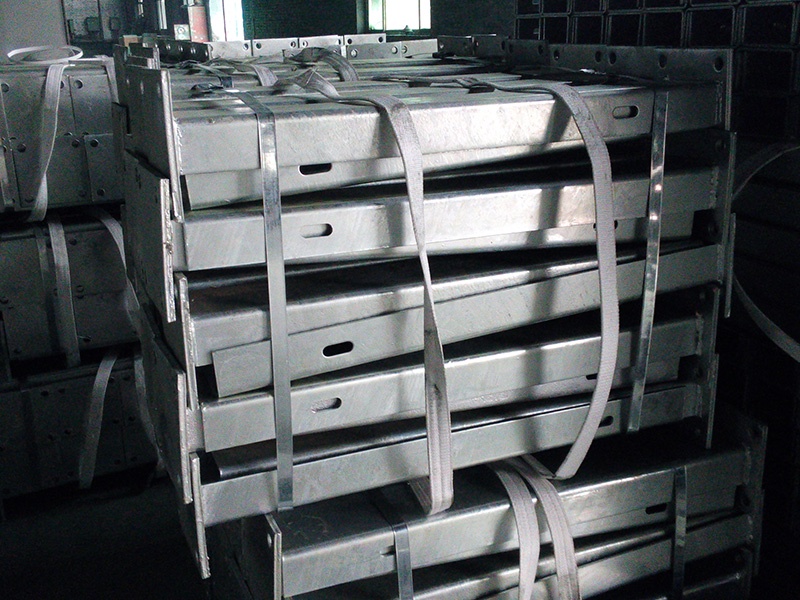
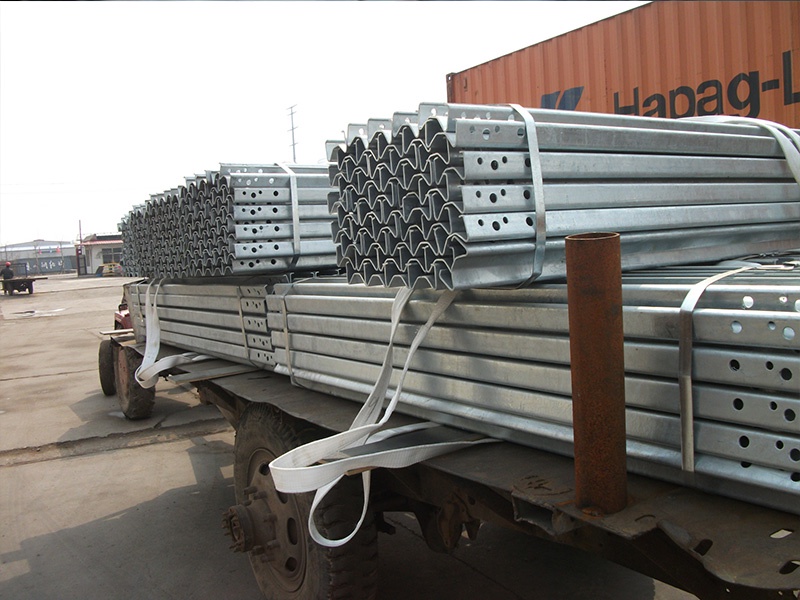
Understanding Z Post Guardrail Price is essential when planning a safe, durable, and cost-effective highway barrier project. For many buyers, the challenge is not simply finding a low number on a quotation sheet. The real task is figuring out what that number includes, what performance level it supports, and whether the post system will still meet expectations after years of weather exposure, vehicle impact, and site-specific stress. If you are sourcing for a road contractor, infrastructure distributor, or public project, a smart price comparison has to go beyond unit cost.
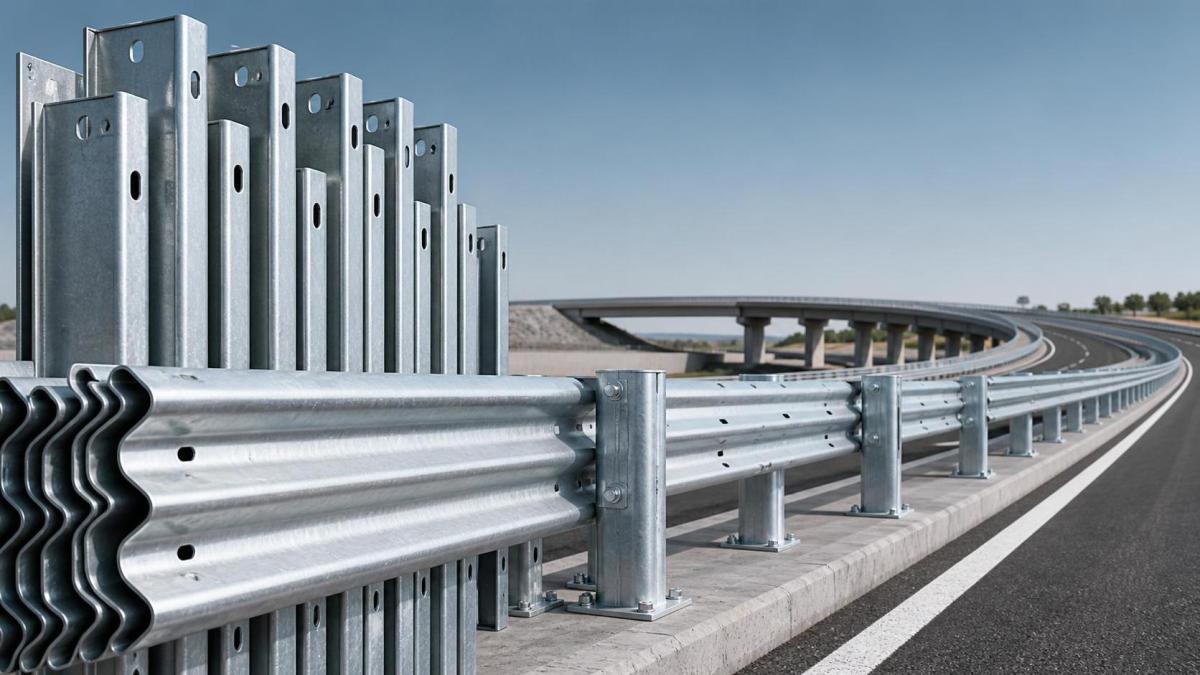
In guardrail systems, the post is not a minor accessory. It plays a central role in vertical support, load transfer, and system stability. When a vehicle strikes the barrier, the post helps disperse force into the foundation and reduces the risk of the guardrail overturning or shifting too far out of line. That is why pricing varies so much from one inquiry to another: buyers are often comparing products that look similar on paper but differ in steel quality, spacing requirements, coating method, fabrication precision, and compliance level.
What really drives Z Post Guardrail Price?
The biggest factor is usually steel. Changes in raw material cost directly affect the final post price, especially for projects with large volumes. But steel price alone does not explain everything. Thickness, profile type, hole accuracy, length tolerance, and forming quality all influence production cost. A post made for routine highway sections may not carry the same fabrication demands as one intended for critical locations where post spacing is reduced from 4 meters to 2 meters.
Surface treatment is another major cost component. In transportation environments, corrosion resistance is not optional. Hot-dip galvanizing adds cost upfront, yet it often lowers lifecycle expense by extending service life and reducing replacement frequency. Some projects also require painting after galvanizing, either for added protection or visibility needs. When comparing supplier quotes, it is worth checking whether rust removal, shot peening, and coating preparation are already included, because these steps affect both durability and price.
Fabrication complexity matters more than many buyers expect. Standard production is generally more economical, while custom drilling patterns, non-standard dimensions, or project-specific bending can increase labor and setup time. If the supplier is manufacturing according to your drawings, pricing may reflect not only material and processing but also inspection control and tolerance management.
Why one quotation can look cheaper but cost more later
A lower offer can be attractive, especially in competitive tendering. Still, guardrail posts are part of a safety system, not a decorative steel purchase. If a low quote leaves out testing, galvanizing thickness, connector compatibility, or dimensional consistency, the savings may disappear during installation or future maintenance. Misaligned holes, poor coating adhesion, or inconsistent section forming can slow field work and create expensive corrections.
It is also common for buyers to compare prices without checking the scope. Does the offer include matching bolts and energy-absorbing blocks? Are inspection records available? Is the post manufactured under international standards? These details can significantly change the final installed cost even if the initial ex-works price appears lower.
Key specifications buyers should confirm before asking for price
To get a meaningful quotation, buyers should define more than just “guardrail post.” A useful inquiry usually includes profile type, dimensions, steel grade if specified, coating requirement, quantity, delivery location, and drawing references. For highway guardrail systems, spacing also affects the calculation. A layout based on 4-meter spacing differs from one requiring 2-meter spacing at curves, bridges, ramps, or other critical sections.
It also helps to clarify whether the project needs standard or non-standard posts. Some road projects use common profiles such as C-type, U-type, Z-type, or H-type, while others require special geometry to match local design plans or site constraints. If a supplier can manufacture according to your drawings, that flexibility can be valuable, but the quote should reflect the exact fabrication scope.
How to compare suppliers without getting lost in technical jargon
The easiest way to compare suppliers is to ask the same set of questions each time. Start with the basics: What standard is the post produced to? What is the coating method? What inspections are performed before shipment? Can the supplier support custom fabrication based on drawings or actual site conditions? Then move to practical issues: lead time, packaging, loading method, and whether related steel components can be supplied together.
For buyers handling complete barrier projects, a manufacturer that can support quotation, design coordination, production, and installation planning often creates fewer risks than a seller offering only basic supply. In highway projects, procurement mistakes are rarely isolated. A mismatch in one part can delay the entire barrier line.
That is one reason some buyers look for a source that can handle drilling, bending, rust removal, non-destructive testing, galvanizing, and painting under a controlled production process. More integrated manufacturing often means better consistency, especially when posts need to align with guardrail beams, blocks, and bolted connectors from the same project package.
Where product design affects budget and performance
Not every project should chase the lowest-cost post profile. Design should reflect roadway conditions, expected impact demand, and foundation behavior. In some applications, a properly engineered Z Post can support the system by providing stable vertical load transfer while helping maintain barrier alignment after impact. The design value comes not from the name of the profile alone, but from how well it matches the full system layout, spacing, and installation environment.
Buyers should also think about long-term reliability. Posts manufactured and inspected under international standards, with hot-dip galvanizing for rust resistance, usually offer better predictability over time. If the supplier can also provide matching connectors and energy-absorbing blocks, that reduces the risk of piecing together incompatible components from multiple sources.
Common pricing mistakes buyers make
One frequent mistake is requesting a quote too early, before project details are clear. That often produces a rough number that changes later, causing confusion during budgeting. Another mistake is treating all galvanized products as equal. Galvanizing quality can vary depending on pretreatment, process control, and finishing, and those differences show up in outdoor service life.
Some buyers also underestimate the impact of custom work. A non-standard post may be absolutely necessary for a project, but custom production should be identified from the start so lead time and cost are realistic. Finally, buyers sometimes focus only on ex-factory price and ignore logistics, especially for long steel products where packing efficiency and shipping method influence total landed cost.
A practical checklist before you approve the order
Before placing the purchase order, confirm these points in writing: exact profile and dimensions, spacing assumptions, steel and coating requirements, drawing revision, included accessories, inspection scope, packaging details, and delivery terms. If your project has unusual terrain or connection details, ask whether the manufacturer can adapt the post accordingly rather than forcing a standard item into a non-standard situation.
It is also wise to ask for manufacturing capability details. A supplier that can produce based on plans, customize to field conditions, and maintain process control from forming to finishing is usually better positioned to support transportation projects where fit-up and durability matter. If needed, a second discussion about coatings, tolerances, and installation sequence can prevent misunderstandings that are far more expensive after delivery.
Final thought for buyers balancing safety and budget
Z Post Guardrail Price should never be judged in isolation. The best purchase is the one that fits the design, arrives ready for efficient installation, and performs reliably over time. In transportation infrastructure, that balance is what protects both the budget and the roadway user. A carefully reviewed quote—grounded in material quality, fabrication accuracy, corrosion protection, and system compatibility—will almost always lead to a better outcome than the lowest number alone.
For buyers sourcing the Z Post or related highway guardrail steel products, the smartest approach is simple: define the project clearly, compare offers on equal terms, and choose a manufacturing partner that understands how roadside safety systems work in the real world.
Leave A Reply
Need More Details?
Contact me for details on creating and managing design projects, project features, and services and prices
consult
Our company was established in 1998. It‘s a Chinese pioneer enterprise integrating production and sales, committed to providing high-quality steel products to customers at home and abroad.

First class quality service and professional after-sales team.
Get in Touch
*We respect your confidentiality and all information are protected.