






NEWS
Categories List
Recent Posts
 Netherlands Client Delegation Visits Our Factory to Advance European Highway Guardrail CooperationOct 10, 2026
 AASHTO M180 Guardrail Requirements: A Practical Guide to Material ComplianceOct 10, 2026
 Port Safety Barriers: Selecting Protection for Vehicle Lanes and Loading AreasOct 10, 2026
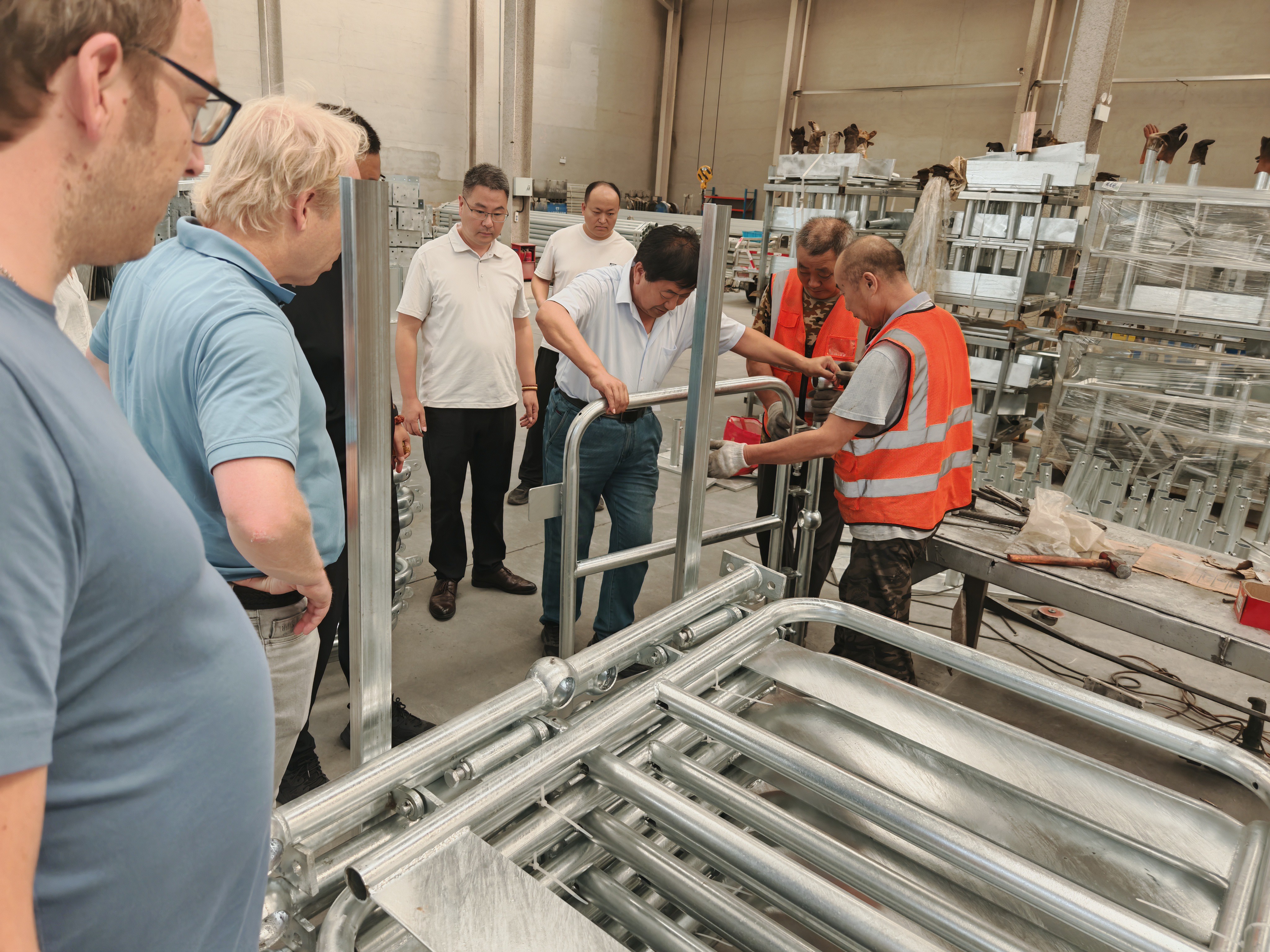
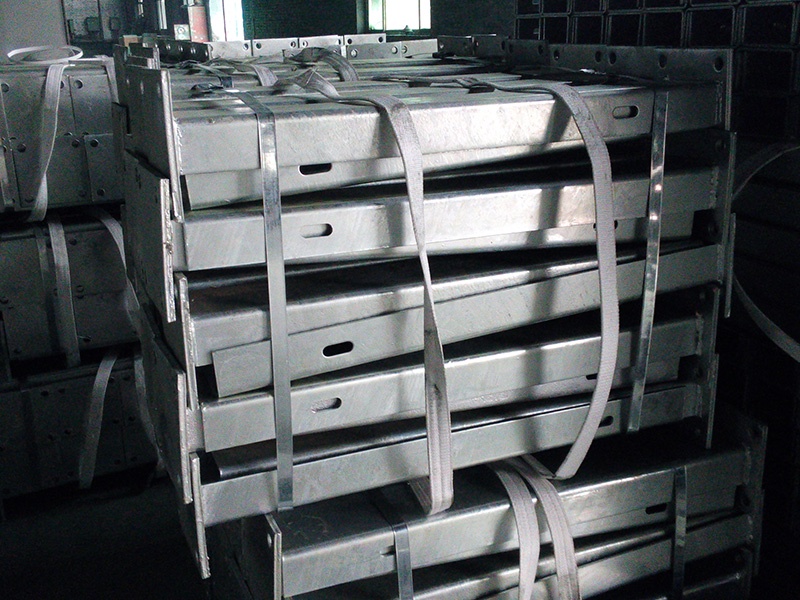
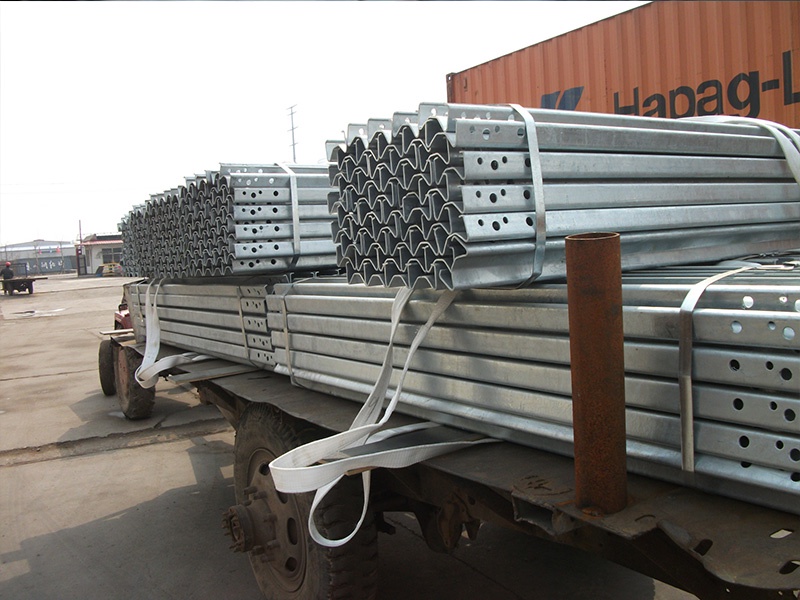
In transport infrastructure procurement, the question behind “manufacturer vs supplier” is rarely academic. Buyers are usually trying to reduce project risk: Will the guardrail system match the drawings, meet the required standard, arrive on time, and perform as expected once installed? In the case of Z post guardrails, that distinction matters because the post is not just a steel component. It affects barrier alignment, installation efficiency, crash performance, corrosion life, and ultimately the cost of rework.
A manufacturer produces the Z posts and related guardrail components through controlled processes such as forming, drilling, rust removal, galvanizing, painting, and inspection. A supplier may do that as well, but in many cases the supplier is primarily a sourcing and distribution party, purchasing from one or more factories and reselling to the project owner, contractor, or distributor. The gap between those two roles becomes visible when a project needs customization, documentation, tight delivery coordination, or troubleshooting after the order is placed.
Why the distinction matters more in transportation projects
On a typical road safety project, procurement decisions are tied to compliance and field conditions. A Z post that looks acceptable on paper may still create problems if hole positions are inconsistent, section dimensions vary, galvanizing thickness is uneven, or the steel grade does not align with the specification. In a warehouse product business, these issues might be manageable. On a highway or municipal road project, they can trigger installation delays, rejection by supervision teams, or expensive replacement after delivery.
That is why buyers searching this topic are usually asking a practical question: who actually controls the outcome? If the answer is the factory, then the discussion can move toward raw material selection, manufacturing tolerance, non-destructive testing, coating process, and production scheduling. If the answer is a trading supplier without production control, then the buyer needs to put more effort into qualification, inspection, and contract protection.
What a manufacturer usually controls
A serious guardrail manufacturer is involved in more than metal processing. It can usually support quotation, drawing review, design adaptation, manufacturing, and in some cases installation coordination. For buyers, this matters because the manufacturer is closest to the variables that determine whether the final product matches the project requirement.
- Production consistency: The factory controls forming, drilling, bending, and dimensional tolerance.
- Surface treatment: Rust removal, shot peening, galvanizing, and painting are managed within a defined process route.
- Quality records: Inspection reports, material certificates, and testing records are easier to trace back to source.
- Customization: Non-standard hole spacing, post length, coating requirements, or drawing-based production are more practical.
- Lead-time visibility: The production schedule is usually more transparent than in a multi-layer sourcing chain.
This does not mean every manufacturer is automatically the better choice. Some factories are strong in production but weak in communication, export documentation, packaging detail, or after-sales support. But if the project involves custom drawings or strict technical review, direct manufacturing capability usually gives the buyer more control over risk.
What a supplier usually adds, and where the limits appear
A supplier is not necessarily a weak option. In some cases, suppliers create value by combining products from different factories, handling export processes, offering local inventory, or simplifying communication for overseas buyers. For smaller contractors or distributors that need mixed road safety products rather than a single custom production run, a capable supplier can reduce coordination time.
The issue is that many buyers assume a supplier has the same level of production control as a manufacturer. That assumption often fails under pressure. When there is a coating defect, tolerance dispute, missing test report, or schedule change, the supplier may need to go back to the factory and negotiate on the buyer’s behalf. That extra layer can slow problem resolution and blur accountability.
In other words, a supplier can be efficient at moving goods, but not always at controlling how those goods are made.
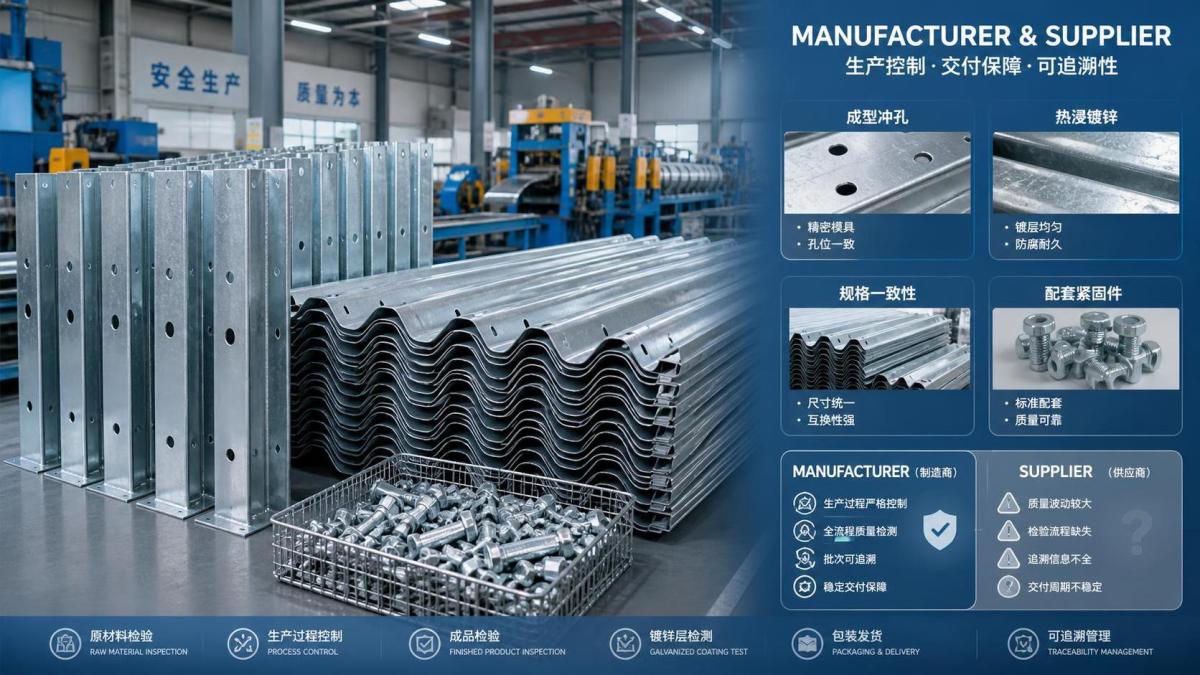
For Z post guardrails, the hidden differences show up in four areas
1. Drawing-based production
Z post systems are often purchased against project drawings or regional standards rather than broad catalog descriptions. If your requirement includes specific dimensions, punching layouts, material grade, coating type, or compatibility with an existing barrier system, a manufacturer is generally better positioned to confirm feasibility before production starts. A supplier may relay the request accurately, but the validation still depends on the factory behind them.
2. Quality traceability
For transport projects, “quality” is not just whether the steel looks clean on arrival. Buyers may need traceability on steel origin, galvanizing process, inspection steps, and test methods. When non-destructive testing or documented process control is part of the expected quality system, dealing with the production source directly often makes audits and approvals more straightforward.
3. Delivery risk
Many buyers focus on unit price and overlook production sequencing. Guardrail orders frequently involve posts, beams, spacers, fasteners, and accessories that must arrive in sync. If one party is sourcing from multiple factories without tight coordination, delivery gaps can affect installation crews and site planning. A manufacturer with broader in-house capability, or with clear control over its subcontracted processes, usually reduces that risk.
4. Change management
Project changes are common. Hole positions may be revised, coating requirements may shift, or quantities may change after final site measurement. Manufacturers can usually assess the impact on tooling, production time, and cost with fewer assumptions. Suppliers can still manage the change, but the response is only as strong as the production partner’s flexibility.
Common assumptions that do not always hold up
“Buying from a supplier is always cheaper.” Not necessarily. A supplier may have stronger logistics consolidation or better short-term stock pricing, but for custom or large-volume orders, the added layer can increase total cost. Rework, documentation gaps, and delay claims can easily erase a lower initial quote.
“A manufacturer will handle everything better.” Also not always true. Some manufacturers are excellent at fabrication and poor at international project support. If documentation, language response, local delivery coordination, or bundled purchasing matters, a capable supplier may outperform a factory on the commercial side.
“The product is standardized, so source type does not matter.” For standard items with verified stock, that can be partly true. But in road safety systems, standard-looking products still need correct dimensions, coating, and compatibility. Minor deviations can create major field issues.
How buyers should decide in real procurement scenarios
If the project involves more than posts alone, buyers should also think in terms of system accessories and impact interfaces. In some transport applications, related components such as Spring Steel Buffers may come into the conversation as part of the broader roadside safety or steel accessory package. That does not change the core question, but it does reinforce the value of understanding whether your counterparty is producing key components directly or simply assembling a sourcing basket.
What to verify before placing the order
Whether you are speaking with a manufacturer or a supplier, the safest procurement approach is to move beyond the company label and verify operational reality.
- Ask who actually makes the Z posts. If it is outsourced, ask to what extent and for which processes.
- Request production and inspection details. This includes steel grade, dimensional tolerance, coating method, and any testing records available.
- Check drawing confirmation procedures. Especially important for custom punching, lengths, or project-specific layouts.
- Review galvanizing and surface-treatment capability. Long-term corrosion performance is not a minor detail in transport infrastructure.
- Clarify delivery responsibility. One contact point should own schedule, packaging, completeness, and discrepancy handling.
- Confirm experience with road safety applications. Steel processing experience alone is not the same as understanding infrastructure requirements.
A useful signal is how the company handles technical questions early in the process. If the response stays at brochure level, the risk is higher. If the team can discuss drawings, manufacturing steps, inspection logic, and installation implications in a concrete way, that usually indicates stronger project capability.
The real issue is accountability
For B2B buyers in transportation, “manufacturer vs supplier” is ultimately a question of accountability across the whole order cycle. Who confirms the drawing? Who controls the forming and drilling? Who stands behind galvanizing quality? Who fixes the problem if a shipment reaches site with deviations? Those answers matter more than the title on the business card.
In low-risk, stock-based purchases, a supplier may be perfectly suitable. In customized guardrail procurement, especially where compliance, field fit, and long service life matter, direct manufacturing capability usually gives the buyer a stronger position. The smartest buyers do not stop at the label. They trace responsibility all the way back to the process that makes the post.
Leave A Reply
Need More Details?
Contact me for details on creating and managing design projects, project features, and services and prices
consult
Our company was established in 1998. It‘s a Chinese pioneer enterprise integrating production and sales, committed to providing high-quality steel products to customers at home and abroad.

First class quality service and professional after-sales team.
Get in Touch
*We respect your confidentiality and all information are protected.