






NEWS
Categories List
Recent Posts
 Netherlands Client Delegation Visits Our Factory to Advance European Highway Guardrail CooperationOct 10, 2026
 AASHTO M180 Guardrail Requirements: A Practical Guide to Material ComplianceOct 10, 2026
 Port Safety Barriers: Selecting Protection for Vehicle Lanes and Loading AreasOct 10, 2026
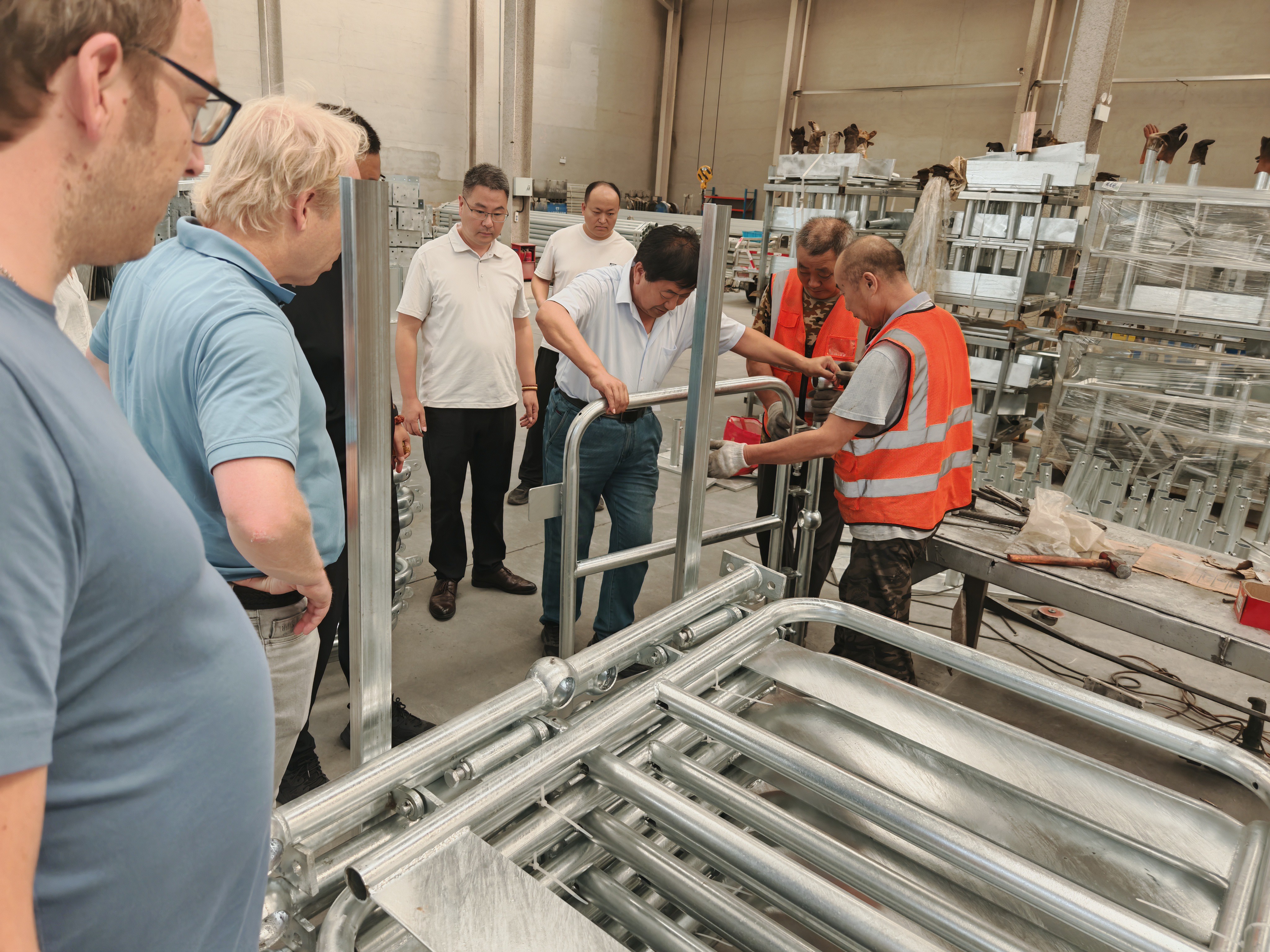
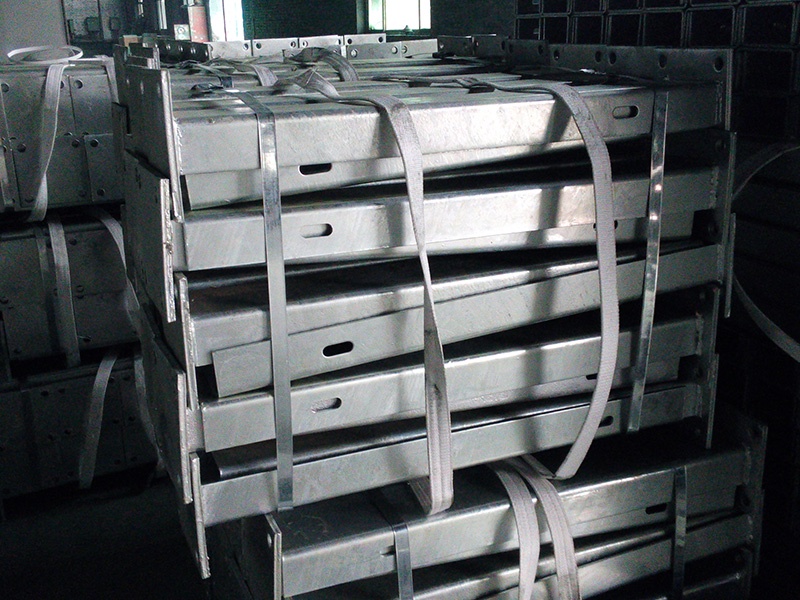
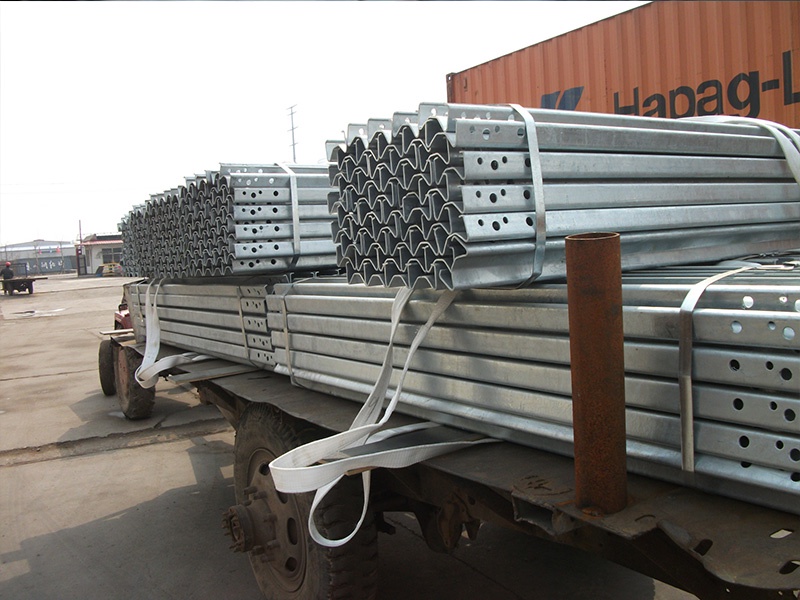
Understanding Z Post Guardrail Cost Per Meter is essential for buyers planning highway safety projects or steel barrier procurement. Pricing can vary based on material specifications, galvanizing, fabrication processes, project quantity, and installation requirements. As a manufacturer of highway guardrails and steel products, we provide customized design, production, and installation services to help clients balance cost, compliance, and long-term performance. This guide explains the key factors that influence pricing and what buyers should evaluate before making a decision.
What Is the Real Search Intent Behind Z Post Guardrail Cost Per Meter?
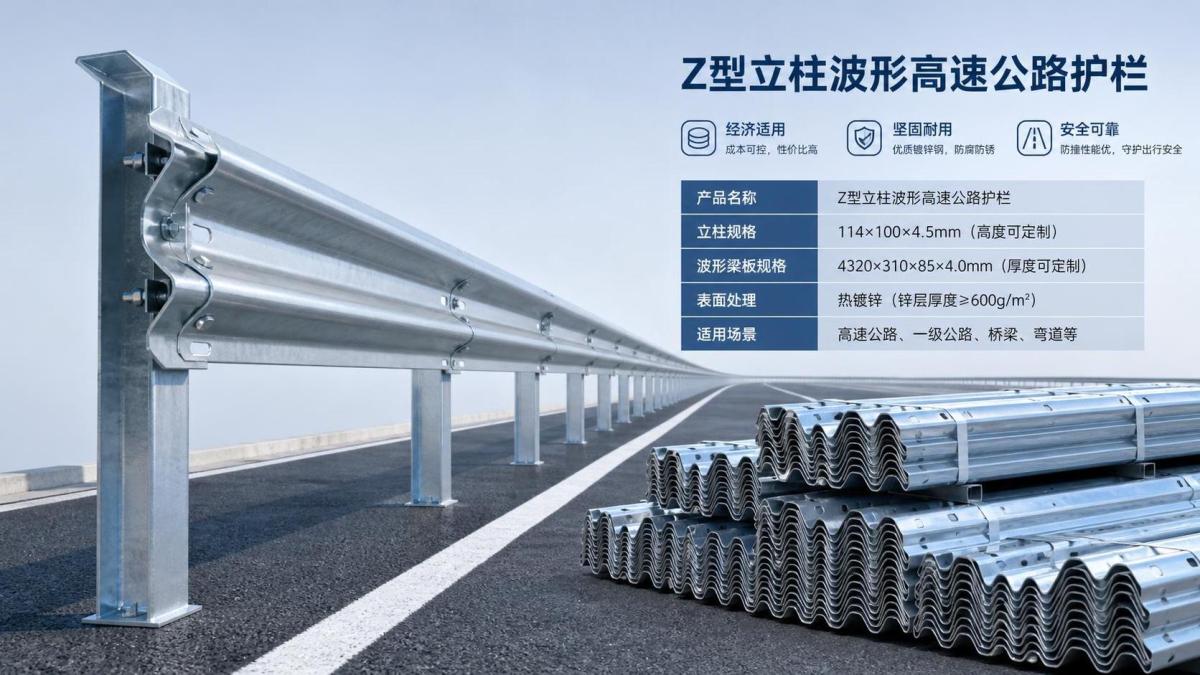
Most buyers searching for Z Post Guardrail Cost Per Meter are not looking for a rough number alone. They want to understand what drives the price and how to compare offers accurately.
In practice, this search usually comes from project owners, contractors, procurement teams, and engineering managers who need a reliable basis for budgeting, supplier selection, and specification review.
They are often asking three practical questions: what affects the per meter price, what level of quality is included, and how to avoid paying more later because of poor performance.
Why Price Per Meter Varies More Than Many Buyers Expect
Z post guardrail pricing is rarely a fixed universal rate because the final cost depends on the exact configuration of the system, not just the visible barrier length.
The post type, steel thickness, coating requirement, hole pattern, panel profile, and project standard all influence manufacturing complexity and material consumption, which directly change the cost per meter.
For example, a project requiring higher steel mass, thicker galvanizing, or strict tolerance control will naturally cost more than a basic order intended for less demanding conditions.
That is why experienced buyers do not compare quotations by meter alone. They compare scope, compliance, treatment process, accessories, and service life expectations at the same time.
What Factors Have the Biggest Impact on Z Post Guardrail Cost Per Meter?
The first major cost factor is raw material. Steel price changes affect nearly every guardrail order, especially when weight per meter or strength requirements increase.
The second factor is corrosion protection. Hot-dip galvanizing adds clear long-term value, but coating thickness, surface preparation, and quality control all affect the initial unit price.
Fabrication requirements also matter. Drilling, bending, rust removal, shot peening, non-destructive testing, galvanizing, and painting each add labor, equipment time, and inspection steps.
Quantity has a strong effect as well. Larger volumes usually reduce the per meter cost because production setup, tooling, and transport can be spread across more units.
Installation conditions should not be ignored. Difficult terrain, remote locations, urgent timelines, and special foundation or fixing requirements can increase the total project cost significantly.
What Buyers Usually Care About More Than the Lowest Number
Serious buyers are usually less concerned with finding the lowest possible quoted price and more concerned with whether the delivered system will pass inspection and perform reliably.
A very low price can hide thinner steel, weaker coating protection, incomplete accessories, or looser dimensional control. These issues often create higher maintenance or replacement costs later.
For procurement managers, the more useful question is whether the quoted guardrail delivers acceptable lifecycle value, not whether it wins on headline price alone.
For contractors, schedule reliability is equally important. Delays in production, incomplete documentation, or inconsistent hole alignment can create site problems that cost far more than modest unit savings.
How to Compare Quotes Without Making a Costing Mistake
Start by checking whether each quotation is based on the same drawings, post spacing, beam profile, steel grade, coating standard, and accessory list. Without that, price comparisons are misleading.
Next, confirm whether the quote covers only supply or also includes design support, manufacturing optimization, packing, shipping, and installation service. These details change the real project cost.
Ask for clarity on galvanizing standard, coating thickness, testing procedure, and dimensional tolerance. A complete quote should explain what quality controls are included rather than leaving assumptions open.
It is also wise to ask about lead time, production capacity, and experience with export or local compliance requirements. A lower quote has limited value if supply risk is high.
How Product Design and Standards Influence Value
In many highway and hazardous road applications, buyers evaluate not only cost but also crash performance, corrosion resistance, and standard compliance across the full guardrail system.
One example is Armco Barrier, widely used on highways and hazardous road sections because its wave-shaped design helps absorb collision energy and redirect vehicles.
Systems built to recognized standards such as U.S. AASHTO M180 or Brazil’s ANBT standards often carry stronger long-term value because they support compliance, performance confidence, and specification alignment.
When a product also uses hot-dip galvanized coating and offers a service life of over 20 years, the higher upfront cost can be justified by lower maintenance frequency and better durability.
When a Higher Cost Per Meter Can Actually Save Money
A higher per meter price may be the better commercial choice when the guardrail system is installed in corrosive climates, high-traffic corridors, or sections with strict safety requirements.
In those cases, better coating quality, stronger impact resistance, and tighter production control reduce the likelihood of premature failure, repeated maintenance, and replacement disruption.
This is especially relevant for public infrastructure and large private developments where downtime, repair access, and compliance exposure create costs that are not visible in a simple unit-price comparison.
Buyers should therefore treat cost per meter as one decision metric, not the only decision metric. The real objective is cost efficiency over the service life of the barrier.
What Information You Should Prepare Before Requesting a Quote
To get an accurate quotation, buyers should provide drawings, required standards, total length, post type, coating requirement, delivery location, and whether installation is included.
If the project is still in planning, giving a road class, expected traffic condition, site environment, and target budget can help the manufacturer recommend a practical guardrail solution.
Clear project data reduces pricing uncertainty and helps avoid revisions later. It also allows the supplier to optimize fabrication, logistics, and material selection more efficiently.
Manufacturers that support quotation, design, manufacturing, and installation under one process can often help buyers reduce coordination risk while improving cost transparency.
How to Judge a Manufacturer Beyond the Quoted Price
Look at whether the supplier can design according to your plan or manufacture according to your drawings with stable quality control through each production stage.
A capable manufacturer should be able to explain its processing steps clearly, including drilling, bending, rust removal, shot peening, non-destructive testing, galvanizing, and painting where required.
That level of process control matters because guardrail performance depends on consistency, not just on nominal dimensions shown in a quotation sheet.
It is also useful to review previous project experience, standard compliance capability, and whether the supplier can handle both customized production and practical installation support.
Conclusion: Focus on Total Value, Not Meter Price Alone
Z Post Guardrail Cost Per Meter is an important starting point, but it is only one part of a sound buying decision. Material, coating, fabrication, standards, quantity, and installation all shape the final cost.
The most informed buyers compare quotations based on equivalent specifications and expected service performance, not just the lowest number on the page. That approach reduces risk and improves project outcomes.
When evaluating suppliers, prioritize clear specifications, verified process capability, and long-term durability. A guardrail system that performs reliably for years is usually the better investment.
For highway safety projects, the right purchase decision comes from balancing price, compliance, and lifecycle value with the realities of the installation environment and project goals.
Leave A Reply
Need More Details?
Contact me for details on creating and managing design projects, project features, and services and prices
consult
Our company was established in 1998. It‘s a Chinese pioneer enterprise integrating production and sales, committed to providing high-quality steel products to customers at home and abroad.

First class quality service and professional after-sales team.
Get in Touch
*We respect your confidentiality and all information are protected.