






NEWS
Categories List
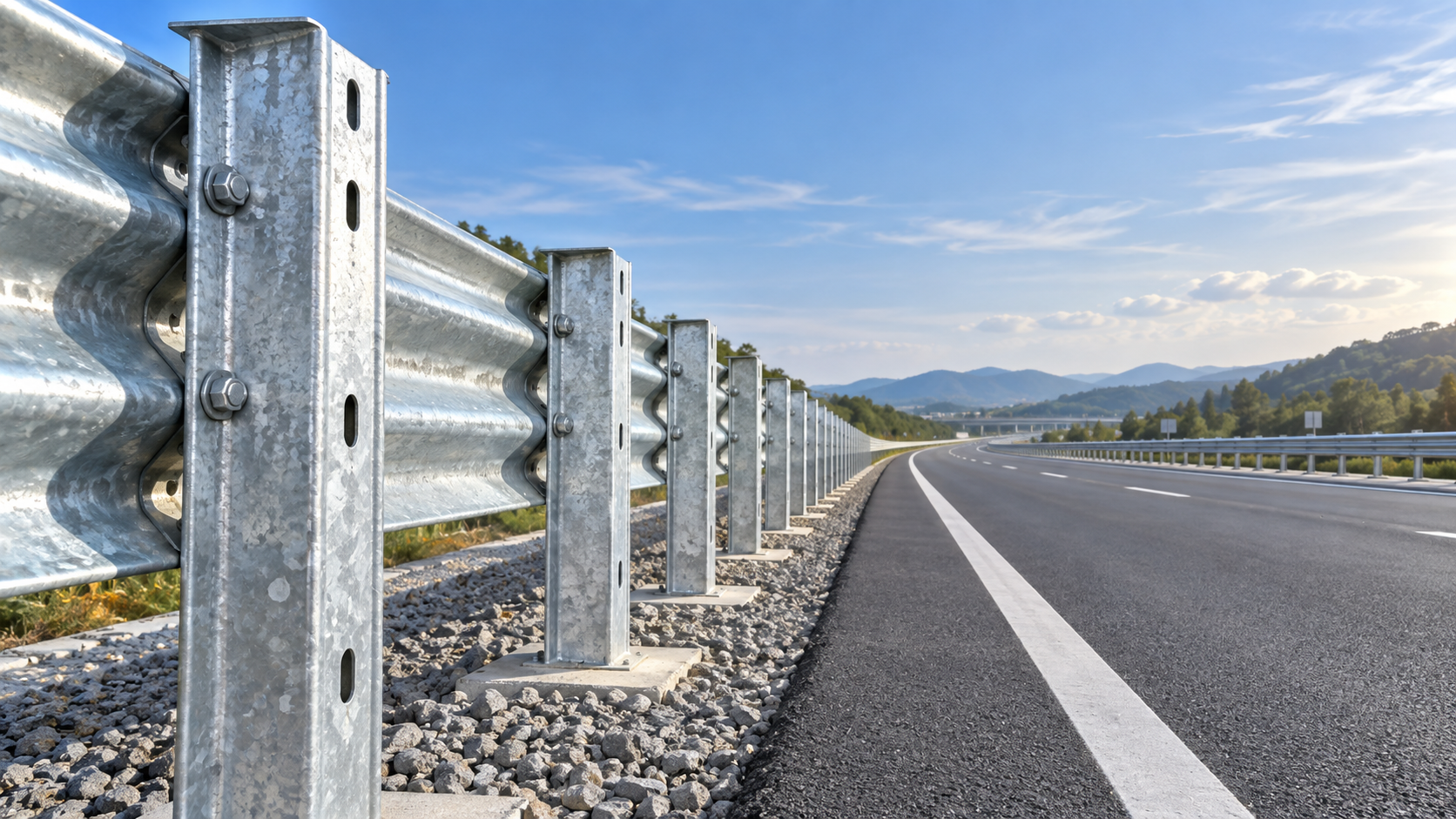
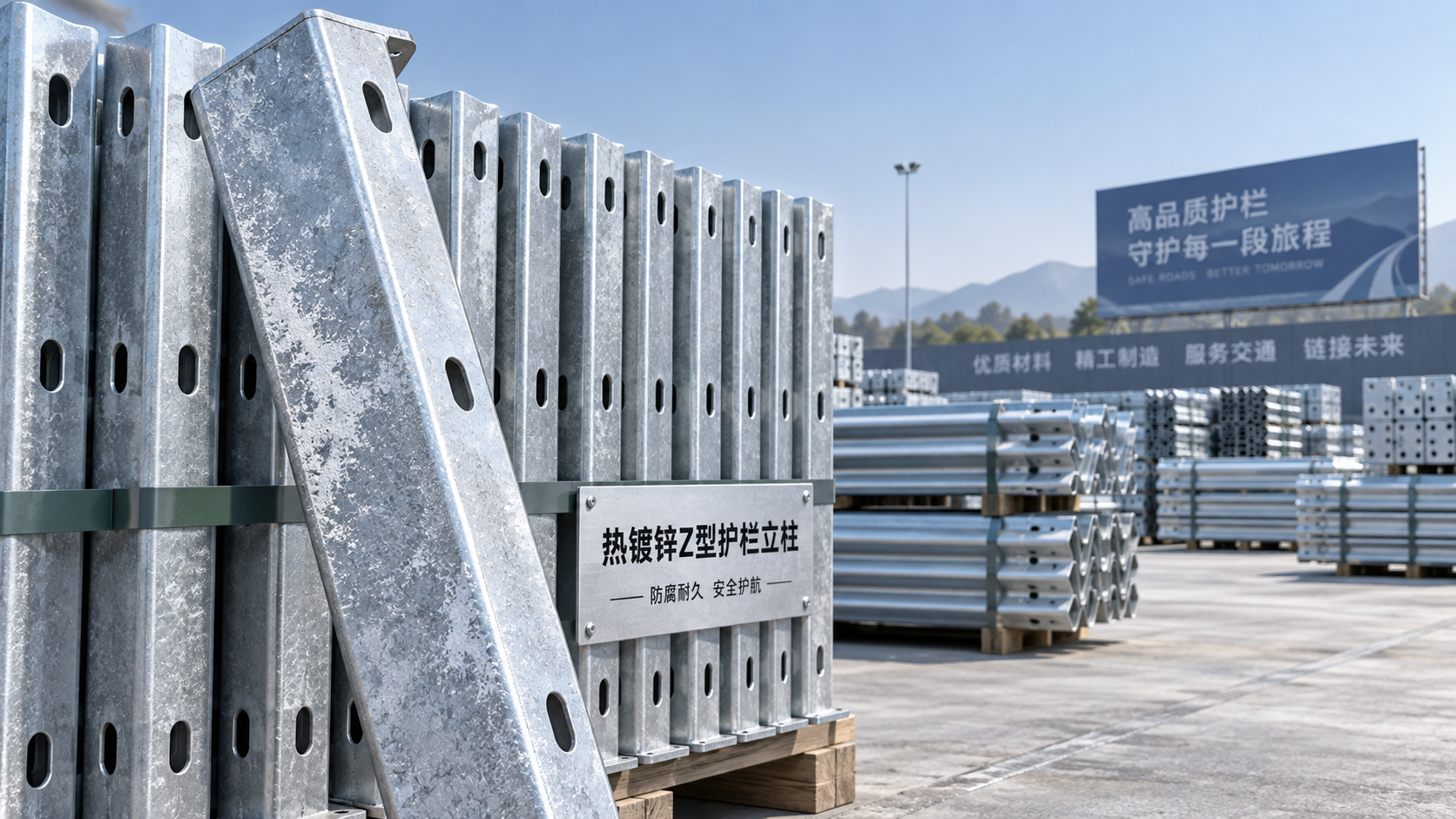
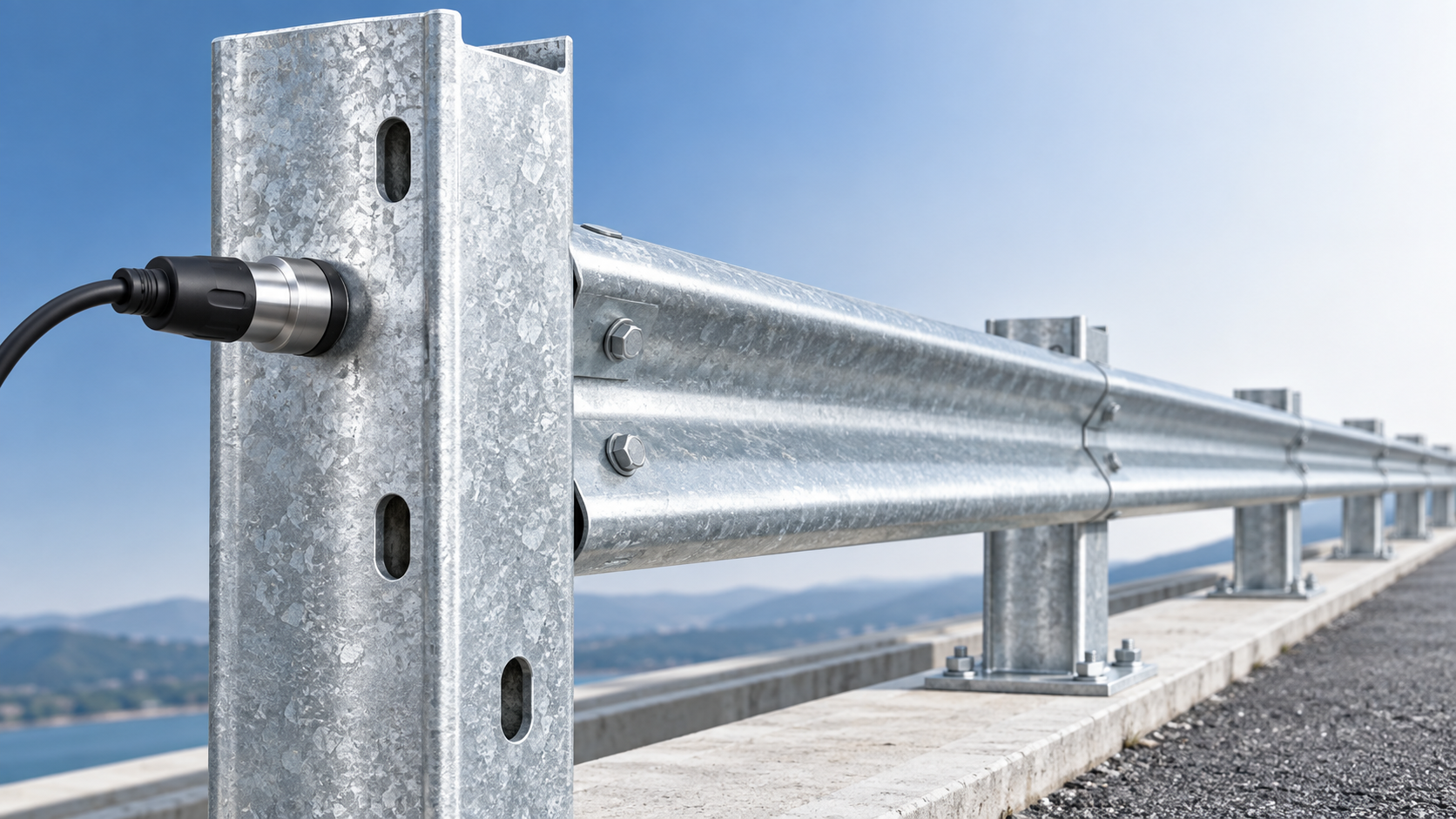
For a highway guardrail Galvanized Z Post, the first standard to check is usually ASTM A123/A123M when the project is specified under North American practice. Where the contract follows AASHTO requirements, buyers will commonly see AASHTO M 111, which addresses hot-dip galvanizing of iron and steel products and is closely aligned with ASTM A123/A123M.
That answer needs one important qualification: the correct standard is the one named by the road authority, design specification, or project contract. ASTM A123 is not automatically interchangeable with EN ISO 1461, local highway standards, or an owner-specific galvanizing schedule. A Z post can look adequately galvanized while still failing the required coating mass, inspection procedure, repair rule, or documentation requirement under the governing specification.
Start with the standard for the finished post, not the zinc material
A Z post is a fabricated structural component. It may be cut, punched, drilled, bent, welded, or fitted with connection features before galvanizing. For that reason, buyers should distinguish the standard for the finished fabricated steel item from standards that apply only to zinc feedstock, sheet coating, bolts, or small hardware.
For many guardrail procurements, ASTM A123/A123M is the relevant reference because it covers hot-dip galvanized coatings applied to fabricated iron and steel products. It addresses coating thickness or coating weight requirements, finish, adherence, inspection, and the basis for acceptance.
ASTM A153/A153M may also appear in a guardrail package, but it is generally associated with iron and steel hardware such as bolts, nuts, washers, and similar items. It should not be used as a substitute for the galvanizing requirement of the Z post itself simply because both components are supplied together.
For projects governed by European or international specifications, EN ISO 1461 may be the governing standard for hot-dip galvanized coatings on fabricated iron and steel articles. In that case, the purchase order should call for EN ISO 1461 directly rather than describing the requirement vaguely as “equivalent to ASTM.” Similar wording can create disputes because nominal coating thickness, sampling, acceptance criteria, and permitted repair practices may differ between standards.
Why a standard name alone is not enough
Writing “hot-dip galvanized to ASTM A123” is a better starting point than simply stating “galvanized,” but it still leaves several procurement risks unless the post design and inspection basis are clear.
Coating requirements under fabricated-steel galvanizing standards are tied to the steel article, including its material thickness. A buyer should therefore provide the final approved Z-post drawing, steel grade, section thickness, hole pattern, welded details, and any special fabrication requirements before quotation. A supplier cannot reliably commit to the finished coating result from a generic post description alone.
This matters especially for Z sections because the formed shape has edges, returns, corners, holes, and potentially tight geometry around connection areas. Those details influence drainage, venting, surface preparation, handling, and the visual appearance of the coating. They can also affect whether excess zinc, bare spots, sharp runs, or blocked holes become an installation problem.
- State whether the Z post is hot-dip galvanized after all cutting, punching, welding, and fabrication are complete.
- Attach the latest controlled drawing rather than relying on a profile name or nominal dimensions.
- Identify the governing standard and edition required by the contract.
- Specify whether any road authority or owner requirement takes precedence over the cited galvanizing standard.
- Define requirements for holes, threads, bearing faces, bolt interfaces, and locations that must remain clear for assembly.
Ask for coating thickness by standard, and measure it correctly
Procurement teams often request a single zinc thickness for every part of a guardrail system. That can be useful when a project specification explicitly requires it, but it should not be used carelessly. The applicable galvanizing standard may establish acceptance according to the thickness of the steel article and the measurement method, rather than a blanket minimum applied to every point on every component.
A supplier quotation should identify the specified galvanizing standard and confirm that inspection will be conducted on the completed post. Thickness measurement is normally performed with suitable non-destructive magnetic instruments on the galvanized surface. For a formed Z post, measurements should represent accessible and relevant surfaces rather than being limited to one convenient flat area.
Buyers should also avoid treating a visually bright or heavily textured surface as proof of compliance. Appearance can vary with steel chemistry, surface condition, fabrication details, bath operation, and cooling. A dull gray coating, a shinier surface, or localized texture is not by itself a pass or failure. Acceptance should follow the project standard, required coating measurement, continuity expectations, and serviceability of the finished post.
Where the specification calls for a coating mass rather than a thickness value, the inspection record should use the required unit and test method. Conversion between coating mass and thickness may be useful for engineering discussion, but it should not replace the acceptance basis stated in the contract.
Guardrail use adds requirements beyond corrosion resistance
The galvanizing standard protects the corrosion-control portion of the purchase. It does not confirm that a Z post has the required section properties, yield strength, dimensional tolerance, impact performance, installation depth, post spacing, or guardrail-system compatibility.
A highway guardrail post is part of a tested or engineered system. Its geometry and connection arrangement affect rail height, blockout position, deflection behavior, and load transfer into the ground or foundation. Changing the post thickness, hole locations, bolt size, steel grade, or galvanized coating sequence without reviewing the system design can create a compliance issue even when the coating itself meets ASTM A123 or EN ISO 1461.
The interface with related components deserves the same attention. For example, a guardrail section may use posts at approximately 4-meter spacing in ordinary sections and closer spacing at critical locations, depending on the approved design. Where the support is mounted to a foundation rather than driven into soil, the post and base connection must be assessed as an assembly. A properly specified H Post Base Plate can provide vertical support and transfer loads into the foundation, but its galvanized finish, bolt interfaces, dimensions, and connection details still need to match the governing guardrail design.
In other words, the galvanizing standard should be listed alongside, not in place of, the structural and system requirements. A purchase order that focuses only on zinc coating can receive a corrosion-resistant post that is still unsuitable for the intended barrier arrangement.
Inspection documents should be defined before production
For a repeatable procurement process, define the evidence required at delivery. The goal is not to create paperwork for its own sake; it is to make acceptance measurable before components arrive at the site.
A practical document package may include the approved fabrication drawing, steel material certificates where required, galvanizing certificate or inspection report, coating-thickness records, dimensional inspection results, and records for any approved repair. If the project requires third-party inspection, hold points and witness requirements should be agreed before fabrication and galvanizing begin.
Repair is an area where broad purchase-order language can become expensive. Small uncoated areas or handling damage may sometimes be repaired under an applicable standard or project procedure, but the permitted repair method, repaired area limits, surface preparation, and inspection criteria need to be controlled. Do not assume that zinc-rich paint applied after delivery has the same acceptance status as a properly approved repair performed under the contract requirements.
Buyers should also specify how damaged coating caused by drilling, field cutting, welding, or modification after galvanizing will be handled. Field changes are common sources of exposed steel and can also invalidate a supplier’s original coating certificate for the altered component.
Questions to put in the RFQ
The following questions usually expose ambiguity early, when it is still inexpensive to correct:
- Which standard governs the hot-dip galvanizing of the completed Z post: ASTM A123/A123M, AASHTO M 111, EN ISO 1461, or a project-specific requirement?
- Which edition of that standard applies, and does the owner specification impose additional coating requirements?
- Will galvanizing occur after punching, drilling, welding, and all other fabrication operations?
- What final steel thicknesses and tolerances apply to each post variant?
- How will coating thickness be measured, sampled, recorded, and accepted?
- Are repaired areas permitted, and which repair procedure is acceptable?
- Which holes, interfaces, and bolted connections must remain free of zinc buildup?
- What documents must accompany the shipment?
- Does the supplied Z post match the approved guardrail-system drawing and post-spacing arrangement?
The most defensible specification is usually straightforward: name the governing project standard, apply the appropriate fabricated-steel galvanizing standard to the finished Z post, provide the approved drawings, and define inspection and documentation requirements. That approach prevents a common purchasing mistake: comparing suppliers only by price and a generic claim of “hot-dip galvanized,” then discovering that the delivered posts were produced to a different acceptance basis than the highway project requires.
Leave A Reply
Need More Details?
Contact me for details on creating and managing design projects, project features, and services and prices
consult
Our company was established in 1998. It‘s a Chinese pioneer enterprise integrating production and sales, committed to providing high-quality steel products to customers at home and abroad.

First class quality service and professional after-sales team.
Get in Touch
*We respect your confidentiality and all information are protected.