






NEWS
Categories List
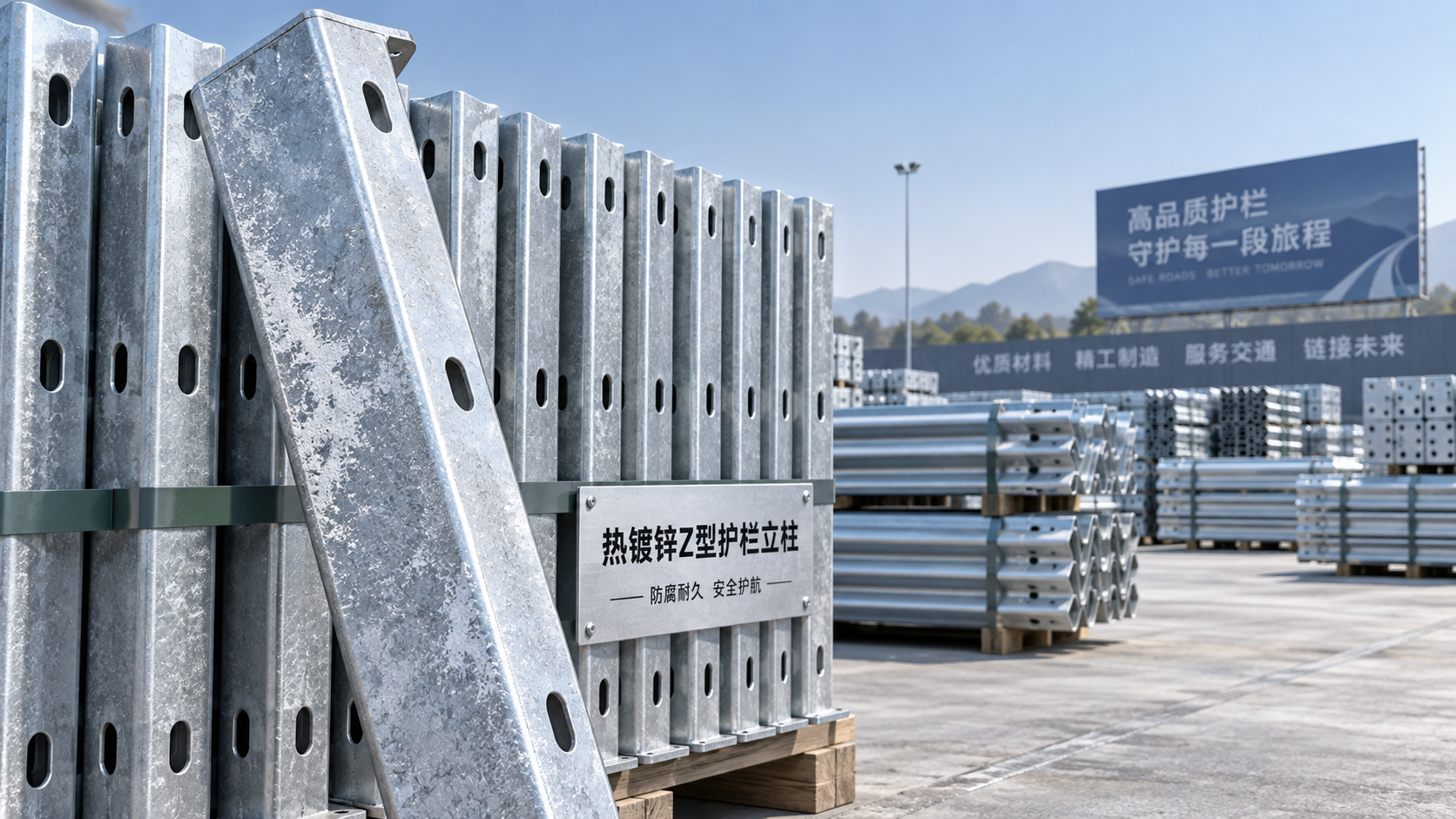
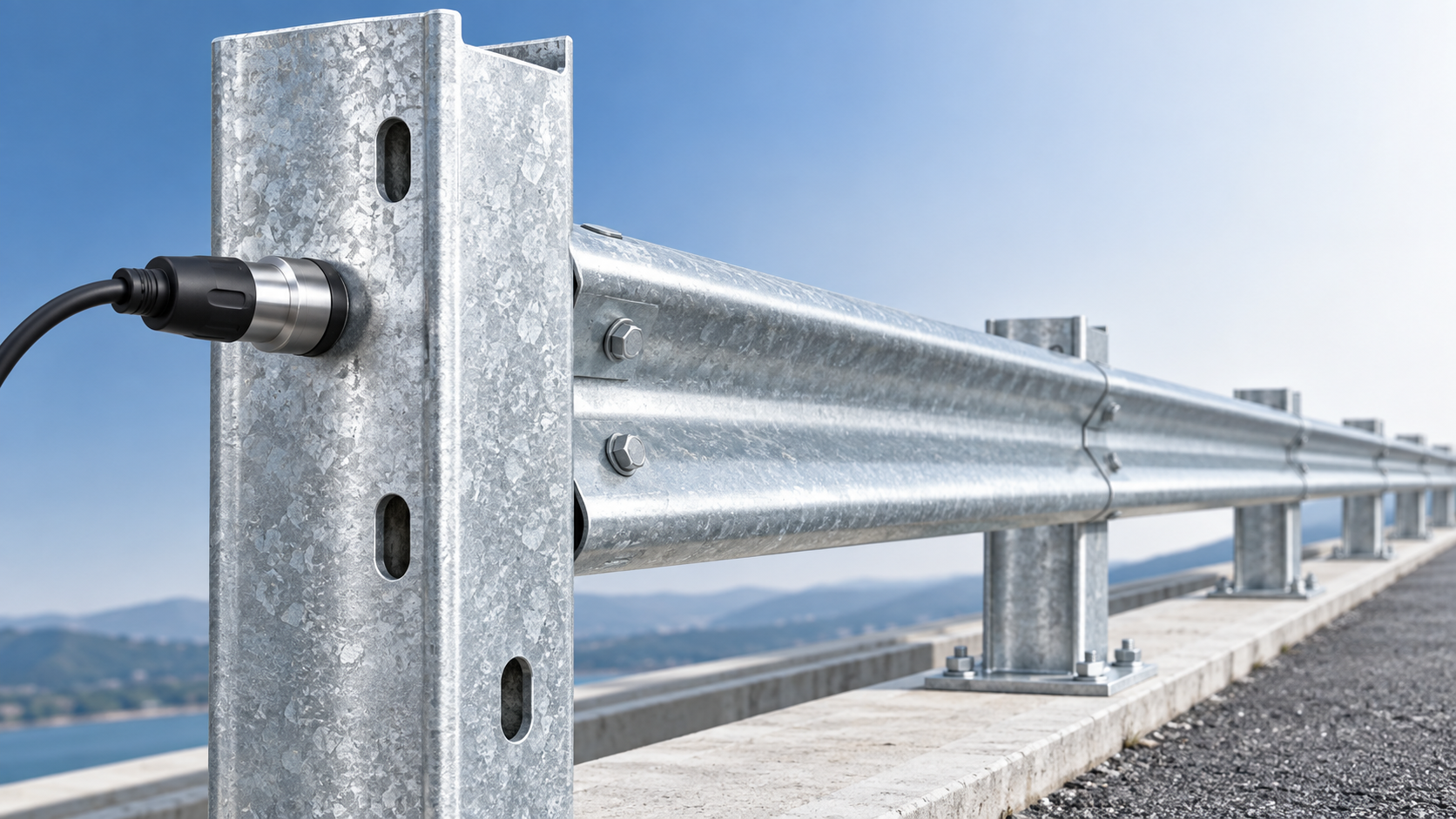
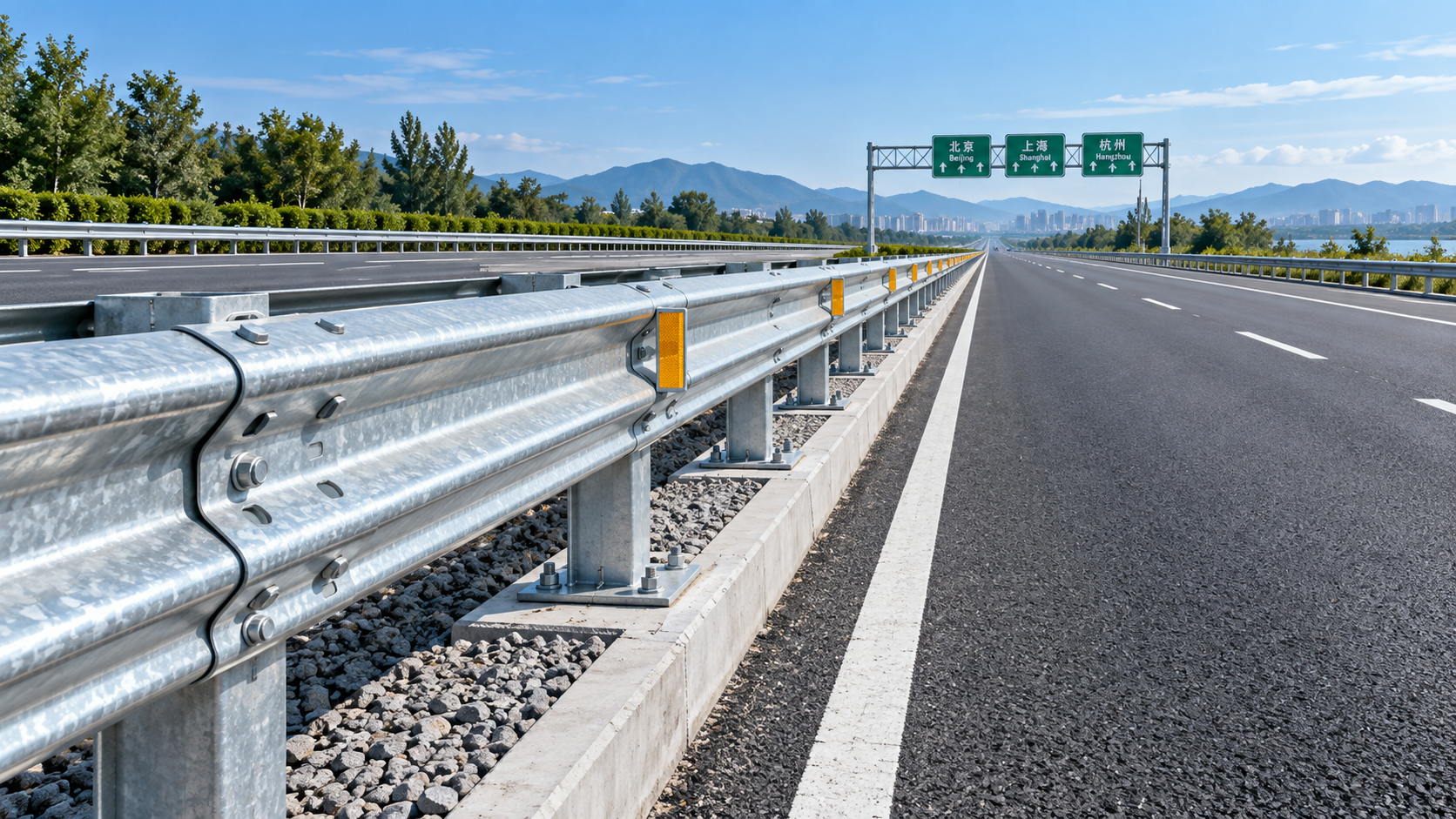
A newly delivered Galvanized Z Post may look flawless when it leaves the galvanizing line, yet arrive at a project yard with pale, chalky patches on its surface. For quality control and safety teams, that discovery can be unsettling. The immediate question is usually practical: is this merely a storage stain, or has the protective zinc coating already been compromised?
In many cases, white rust is not a sign that the steel itself is rusting. It is a zinc corrosion product that develops when freshly galvanized steel remains wet with limited air circulation. Even so, it should never be dismissed without inspection. A light white film may have little effect on service life, while dense, powdery buildup can indicate measurable zinc loss and may justify rework, replacement, or further coating assessment before guardrail posts are installed.
What white rust actually is on a Galvanized Z Post
White rust, also called wet-storage stain, forms on zinc-coated steel under damp, poorly ventilated conditions. When rainwater, condensation, or trapped moisture remains between tightly packed posts, zinc reacts with water and oxygen. The resulting surface deposits are commonly white, off-white, or light gray. They may appear as a thin haze, isolated marks, or thick chalk-like areas that can be rubbed off by hand.
The key issue is that new galvanizing does not immediately have the same stable protective surface as galvanized steel that has spent time in a dry, open atmosphere. Over time, zinc naturally develops a tighter protective patina. But when a newly galvanized Z post is bundled, stacked, wrapped, or stored where moisture cannot evaporate, that normal stabilization process is interrupted.
For highway guardrail components, this often happens after manufacturing rather than during installation. A bundle may be exposed to rain before shipment, covered in plastic while still damp, unloaded onto wet ground, or stored with little separation between posts. The lower portions of a stack and the contact areas between nested profiles are especially vulnerable.
White rust is not the same as red rust
This distinction matters during receiving inspection. White rust originates from the zinc coating. Red, orange, or dark brown corrosion generally indicates that the underlying steel has become exposed and is oxidizing. A white film can be an early warning that deserves attention, but it does not automatically mean the base steel is damaged.
That said, severe wet-storage staining can consume enough zinc to reduce the coating’s remaining protective life. The visual appearance alone does not always reveal the extent of that loss. A thin, adherent stain may be largely cosmetic. Thick, loose, porous deposits, especially where the finish appears rough or uneven beneath the deposit, deserve closer review.
Quality personnel should therefore avoid two opposite mistakes: rejecting every faint white mark as a failure, or accepting extensive white buildup simply because no red rust is visible.
A practical receiving inspection: what to check before installation
When white rust is found on a shipment of galvanized Z posts, begin with a controlled assessment rather than a quick visual judgment from the top of the bundle. Open representative bundles and examine surfaces that are most likely to retain moisture: post-to-post contact zones, inside bends, lower stack layers, strap locations, and areas beneath packaging.
- Identify the pattern. Localized marks near contact points often suggest trapped moisture. Widespread staining across exposed surfaces may point to prolonged wet storage or poor drainage during transport.
- Check whether deposits are light or heavy. A thin, tightly adherent white film is different from a thick, loose, powdery layer.
- Look for bare steel or reddish discoloration. These conditions require a more serious review because they may indicate coating discontinuity or steel corrosion.
- Compare affected and unaffected areas. This helps the inspector judge whether the issue is isolated or shipment-wide.
- Measure coating condition where appropriate. Coating thickness measurement and documented visual assessment provide a more defensible basis for disposition than appearance alone.
- Record storage and transit evidence. Photographs of packaging, wet banding, condensation, standing water, or blocked drainage can help identify the root cause and prevent recurrence.
Inspection should include the actual functional condition of the component, not just its finish. A Z post used in a roadside barrier system must retain its required geometry, hole pattern, edge condition, and zinc protection. White rust does not normally alter the structural shape of the post, but it can affect acceptance decisions when coating quality is part of the project specification.
When cleaning is reasonable—and when it is not enough
For light wet-storage staining, the most sensible first step is often to separate the posts, allow them to dry thoroughly, and remove loose deposits with a soft non-metallic brush or clean cloth. Aggressive grinding, wire brushing, or abrasive cleaning should not be the default response. Those methods can remove more zinc than the white rust itself and may create an unnecessary repair problem.
If deposits remain after drying, or if the affected area is extensive, the material should be evaluated against the project’s coating requirements and the applicable galvanizing or owner specification. The purpose is not to make every post look newly galvanized again. The purpose is to confirm that the remaining coating can still provide the intended corrosion protection over the service life expected for that roadway environment.
Reconditioning may be appropriate where the zinc layer remains adequate but appearance needs improvement. By contrast, a post with visible base steel, substantial local zinc depletion, deep surface attack, or widespread damage should be held for technical review. Any touch-up or repair method should be compatible with the governing specification and approved by the responsible quality authority.
Why white rust can become a roadway asset concern
In transportation work, galvanized guardrail posts are often installed in environments that are already demanding: roadside moisture, de-icing salts, drainage runoff, coastal air, vegetation contact, and soil splash. The zinc coating is intended to act as the first line of defense against these exposures. Losing part of that protection before installation may shorten the margin available in service.
Safety managers also have a documentation concern. If staining is found at the delivery stage but no inspection record exists, it becomes difficult later to determine whether deterioration resulted from manufacturing, transport, jobsite storage, installation practices, or field exposure. A simple receiving report can prevent that uncertainty. It should note the delivery date, weather conditions, affected bundle numbers, severity, inspection results, and the agreed disposition.
This is particularly important when posts are part of a complete barrier assembly. Connections, rail interfaces, and fastener locations should be checked for moisture retention as well. Components such as a Third Wave Connector should be kept dry and separated during storage so water is not trapped at overlapping galvanized surfaces before assembly.
Common causes that are easy to overlook
White rust is often blamed on galvanizing quality alone, but the cause may lie in handling after production. Freshly galvanized parts can leave the plant in acceptable condition and still develop wet-storage stain within a short period if packaging and storage conditions are unfavorable.
One frequent cause is packaging that protects against dirt but traps humidity. Plastic wrapping around wet or warm steel can create condensation. Another is stacking bundles directly on soil, wet timber, or an unpaved surface where splashing and ground moisture reach the lowest posts. Poorly sloped storage areas can leave water standing beneath bundles after rainfall.
Transport practices matter as well. Bundles loaded tightly with no drainage path can retain water after exposure to rain. Long transit periods, sea freight, temperature changes, and enclosed trailers can intensify condensation risks. The issue is less about one rain event than about whether the surfaces can dry quickly afterward.
Storage practices that prevent repeat problems
The best prevention is simple in principle: keep galvanized steel dry, ventilated, and able to drain. In practice, it requires attention at every handoff between manufacturer, carrier, distributor, and contractor.
- Store galvanized Z posts above ground on stable dunnage that allows airflow beneath the bundles.
- Arrange stacks so water drains away rather than collecting in channels, bends, or nested sections.
- Use covers that shed rain while leaving open sides or ventilation gaps; do not seal damp material in impermeable wrapping.
- Remove damaged or water-holding packaging promptly after delivery.
- Avoid prolonged storage in enclosed, humid locations unless ventilation and condensation control are in place.
- Inspect materials after rain, temperature swings, or extended transit before the bundles are moved deeper into inventory.
Manufacturing controls also support prevention. Proper surface preparation, galvanizing, handling, and packaging all influence how well a finished post reaches the site. For custom guardrail and steel products, coordination between drawing requirements, fabrication details, galvanizing sequence, and shipping arrangement helps reduce places where moisture can remain trapped.
A balanced acceptance decision protects both schedule and durability
White rust on a new Galvanized Z Post should trigger inspection, not panic. Minor wet-storage staining may be acceptable when the zinc coating remains sound and the project requirements are met. Heavy, loose, widespread staining or any indication of exposed steel should be treated as a quality issue requiring documented evaluation.
For QC teams, the strongest approach is evidence-based: inspect representative areas, distinguish white zinc corrosion from red steel corrosion, assess coating condition, preserve records, and correct the storage practice that caused the moisture exposure. For safety managers, that process helps ensure that posts entering a roadside barrier system have not lost protective performance before they ever face the road environment they were designed to serve.
Leave A Reply
Need More Details?
Contact me for details on creating and managing design projects, project features, and services and prices
consult
Our company was established in 1998. It‘s a Chinese pioneer enterprise integrating production and sales, committed to providing high-quality steel products to customers at home and abroad.

First class quality service and professional after-sales team.
Get in Touch
*We respect your confidentiality and all information are protected.