






NEWS
Categories List
Recent Posts
 Netherlands Client Delegation Visits Our Factory to Advance European Highway Guardrail CooperationOct 10, 2026
 AASHTO M180 Guardrail Requirements: A Practical Guide to Material ComplianceOct 10, 2026
 Port Safety Barriers: Selecting Protection for Vehicle Lanes and Loading AreasOct 10, 2026
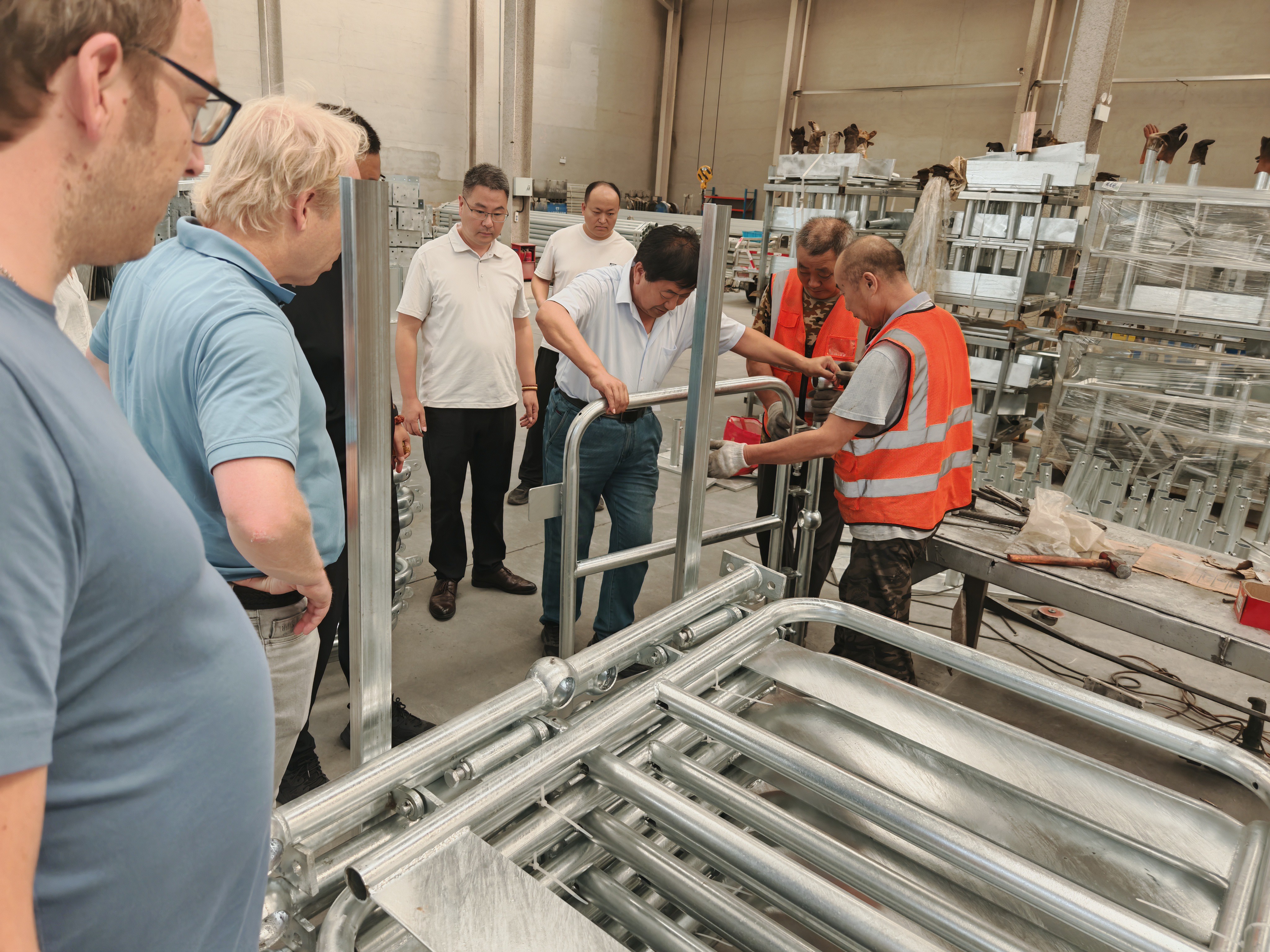
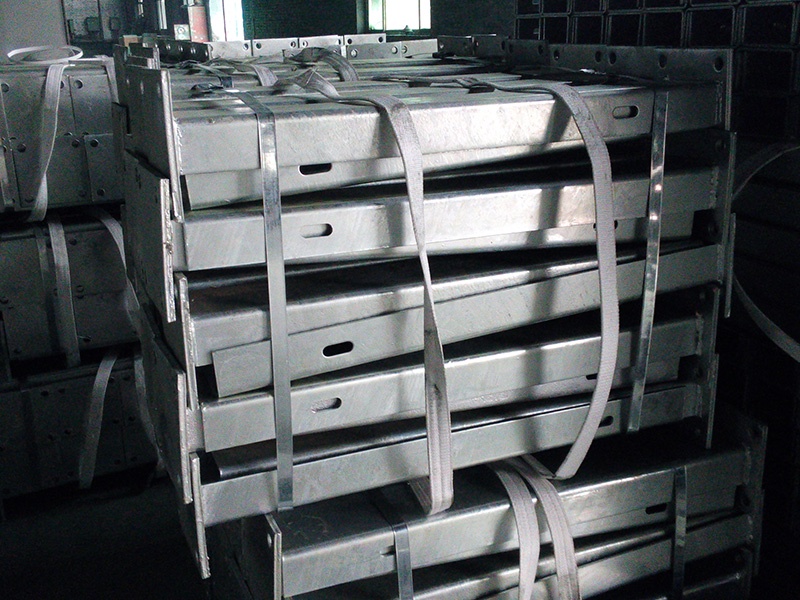
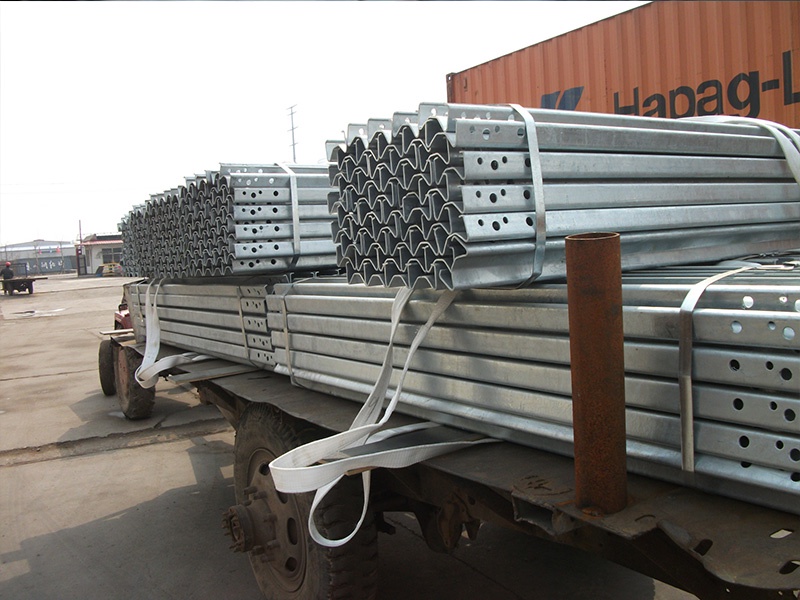
Choosing a Z post guardrail manufacturer is not only a pricing exercise. The supplier you select will influence roadside safety performance, fabrication accuracy, lead times, coating life, and how many problems show up once installation begins. A guardrail system may look simple on paper, but buyers in transportation projects usually learn that details around steel grade, hole positioning, galvanizing, and drawing control matter a lot more than the initial quote suggests.
If you are comparing manufacturers before buying, the best approach is to ask practical questions early. Good suppliers should be able to explain how they handle design input, manufacturing tolerances, corrosion protection, testing, and project support without turning the conversation into vague sales language.
Start with standards, not with unit price
The first question is simple: which standards will the product be made to, and how will compliance be verified? For Z post guardrails, this usually affects dimensions, material selection, coating requirements, and compatibility with the rest of the barrier system. If your project is tied to a national road authority, consultant specification, or export market, the manufacturer should confirm exactly which standard governs production rather than saying the product is “customizable” and leaving it there.
You should also ask whether the manufacturer is producing from your drawings, from approved plans, or from its own shop drawings for review. That sounds administrative, but it often determines where errors happen. In practice, the more clearly drawing responsibility is defined, the lower the risk of misaligned posts, missing holes, or installation delays on site.
Ask how the steel is processed, not just sourced
A manufacturer should be able to walk you through its production process in plain terms. For guardrail and steel products, that often includes drilling, bending, rust removal, shot peening, non-destructive testing where required, galvanizing, and painting. Each step affects final performance. Bending accuracy affects fit-up. Surface preparation affects coating adhesion. Galvanizing quality influences service life far more than many buyers expect.
This is where a useful question is: what in-house processes do you control, and what is outsourced? There is no universal right answer, but you need clarity. If galvanizing is outsourced, who manages coating inspection? If hole punching or drilling is done in batches, how is dimensional consistency checked? A reliable supplier should be able to show how quality is maintained from raw steel to finished shipment.
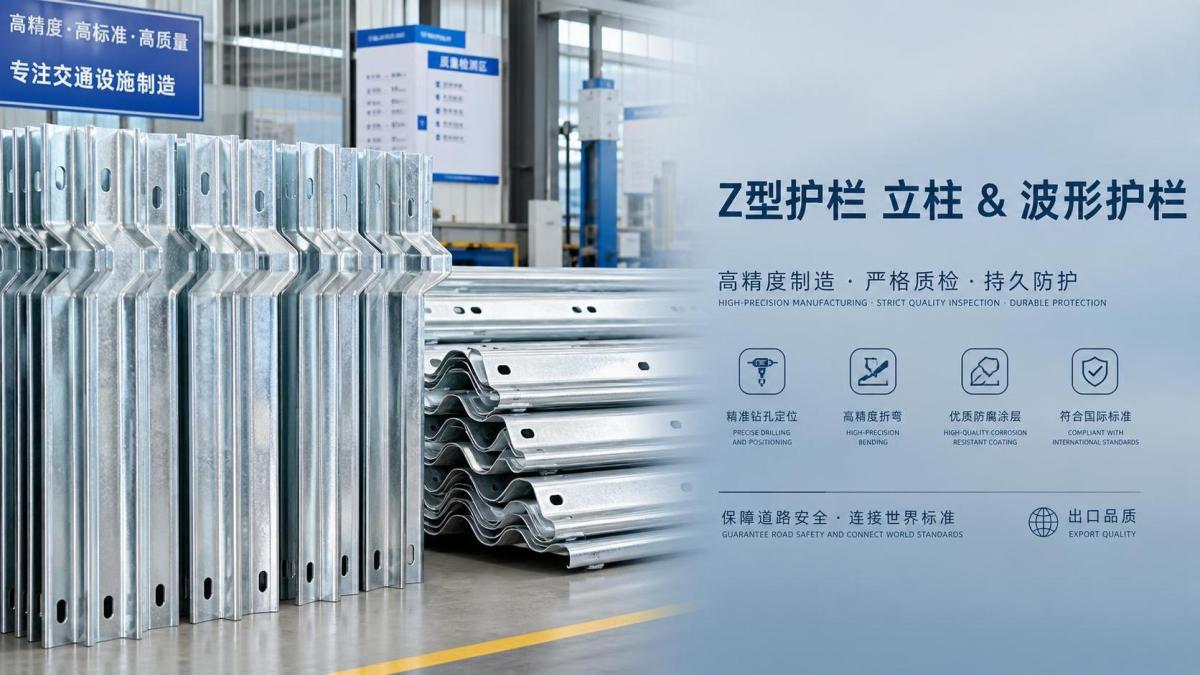
Corrosion protection deserves its own conversation
Transportation buyers often focus heavily on impact performance, but roadside steel usually spends far more time fighting weather than absorbing collisions. That is why it is worth asking what galvanizing standard or coating method will be used, what thickness or treatment is specified in the project documents, and whether painted finishes are applied over galvanized surfaces when required.
For coastal roads, mountain routes, or regions with de-icing salts, coating quality can shift long-term maintenance costs significantly. A hot-dip galvanized finish is common for this reason, but the actual suitability still depends on local conditions and project requirements. If a manufacturer cannot discuss corrosion risk by environment, that is usually a warning sign.
Make sure customization is real, not just promised
Many projects do not use off-the-shelf geometry. Road alignment, embankment conditions, bridge transitions, and local safety requirements can all require changes in length, hole layout, post spacing, or connection details. Ask whether the supplier can design according to your plan or manufacture strictly according to your drawings. Those are different capabilities, and both can be valuable depending on how far your engineering has progressed.
A manufacturer with real project experience should also be comfortable discussing installation consequences. For example, a technically correct part that is difficult to align in the field can still create schedule and labor problems. Quotation, design, manufacturing, and installation support are more connected than they appear in a tender document.
Ask for proof of manufacturing discipline
Before buying, request details on inspection points: incoming material checks, dimensional verification, weld inspection if applicable, surface preparation records, and final packing control. You do not need a theatrical quality presentation. You need to know whether the supplier has a repeatable process.
For export or multi-package infrastructure jobs, packing and traceability matter more than buyers sometimes assume. Mixed bundles, poor labeling, or incomplete accessory sets can slow site work even when the steel itself is acceptable. A serious manufacturer should be able to explain how posts, rails, fasteners, and related components are identified and shipped.
Capacity and lead time should be discussed in project terms
Do not stop at “How fast can you deliver?” Ask what production capacity is available for your specification, whether tooling changes are needed, and which stages are most likely to affect schedule. Sometimes fabrication is quick but galvanizing slots are limited. Sometimes the issue is not manufacturing at all, but drawing approval or packing for overseas shipment.
This matters especially when a supplier offers both standard highway guardrails and market-specific variants. For example, some systems used on highways and hazardous road sections are designed to absorb impact energy and guide vehicles back toward their normal path while maintaining long outdoor durability. A product such as Norway Guardrail may also be discussed in relation to certifications like U.S. AASHTO M180 or Brazil’s ANBT standards, but whether it fits your job still depends on the approved drawings, road class, and local acceptance criteria.
Do not ignore installation support
Some buyers assume installation is entirely the contractor’s issue. In reality, support from the manufacturer can prevent a lot of site confusion. Ask whether the supplier provides installation guidance, assembly details, or drawing clarification during execution. Even when the manufacturer is not responsible for field work, responsive technical support can reduce mistakes around orientation, overlap direction, bolt sets, and transitions.
This becomes even more relevant for customized systems or exported goods, where local crews may not be familiar with the exact configuration shipped.
A short list of questions worth sending before RFQ approval
Ask the manufacturer to answer these clearly:
- Which standard or project specification will govern production?
- Will you manufacture from our drawings, from your design, or from jointly approved shop drawings?
- What are the material and galvanizing requirements, and how are they inspected?
- Which processes are completed in-house: drilling, bending, surface treatment, testing, painting?
- How do you control dimensional tolerances and component matching?
- What is the realistic lead time for this specification and quantity?
- How are products packed, labeled, and prepared for installation sequencing?
- What technical support is available if issues appear during installation?
A supplier that can answer those questions directly is usually easier to work with than one offering a lower price but little process transparency.
Before placing an order, try to align three things: the approved technical standard, the manufacturing route, and the site installation reality. If those are disconnected, problems tend to show up late and cost more to fix. If they are aligned, you are far more likely to receive a guardrail system with the durability, fit, and compliance your transportation project actually needs.
Leave A Reply
Need More Details?
Contact me for details on creating and managing design projects, project features, and services and prices
consult
Our company was established in 1998. It‘s a Chinese pioneer enterprise integrating production and sales, committed to providing high-quality steel products to customers at home and abroad.

First class quality service and professional after-sales team.
Get in Touch
*We respect your confidentiality and all information are protected.