






NEWS
Categories List
Where does a bend highway guardrail fit into a road safety project?
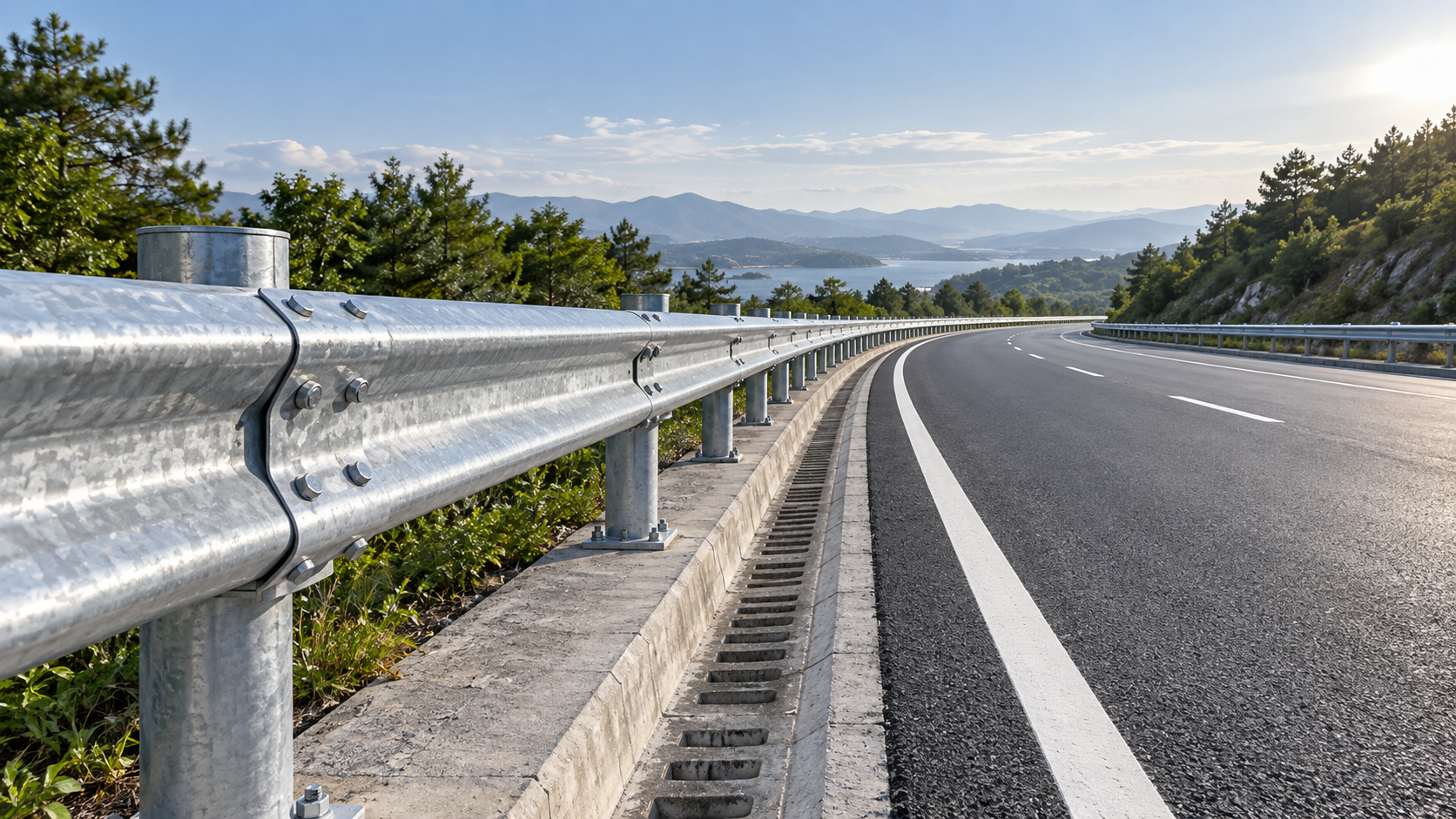
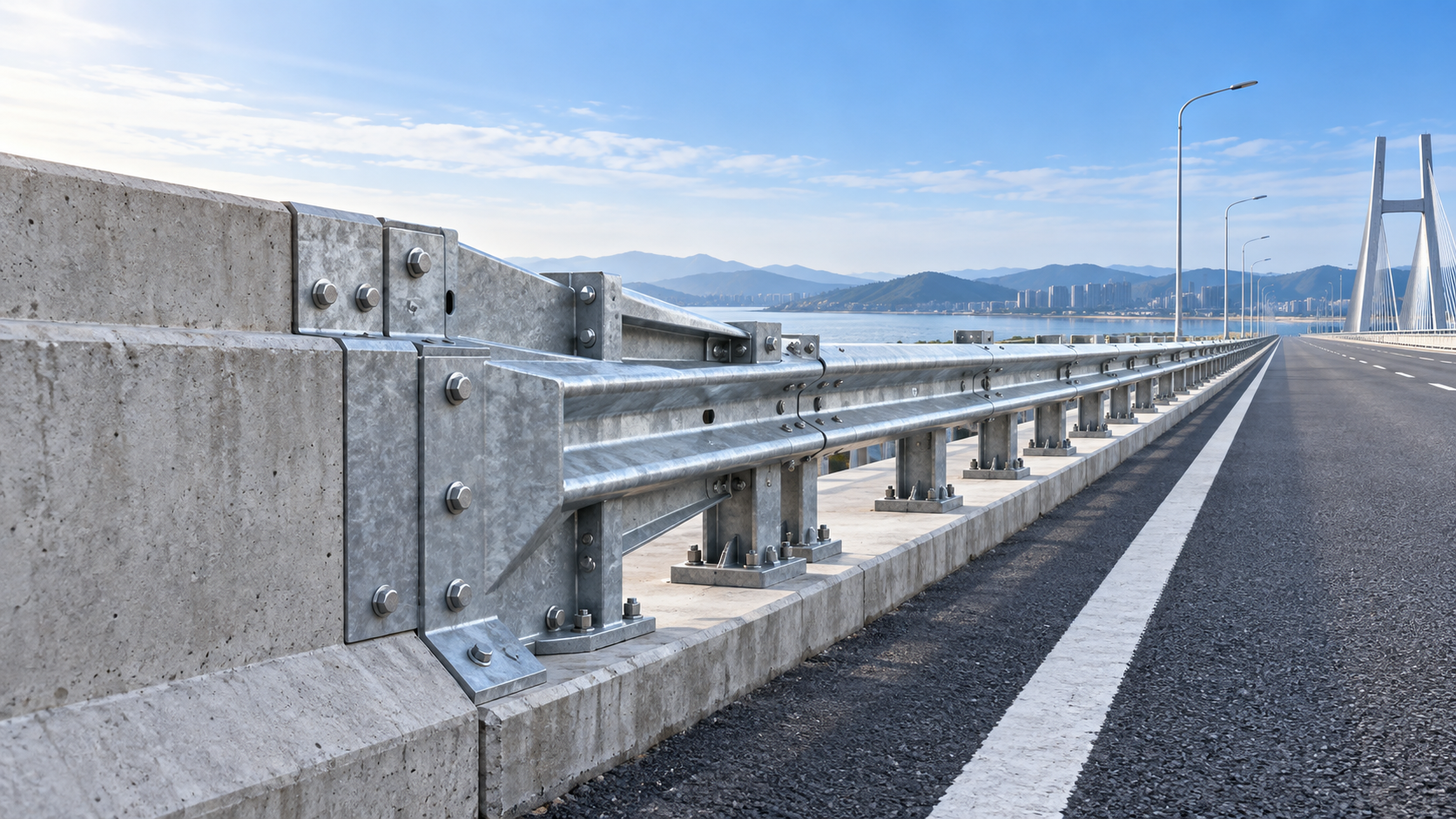
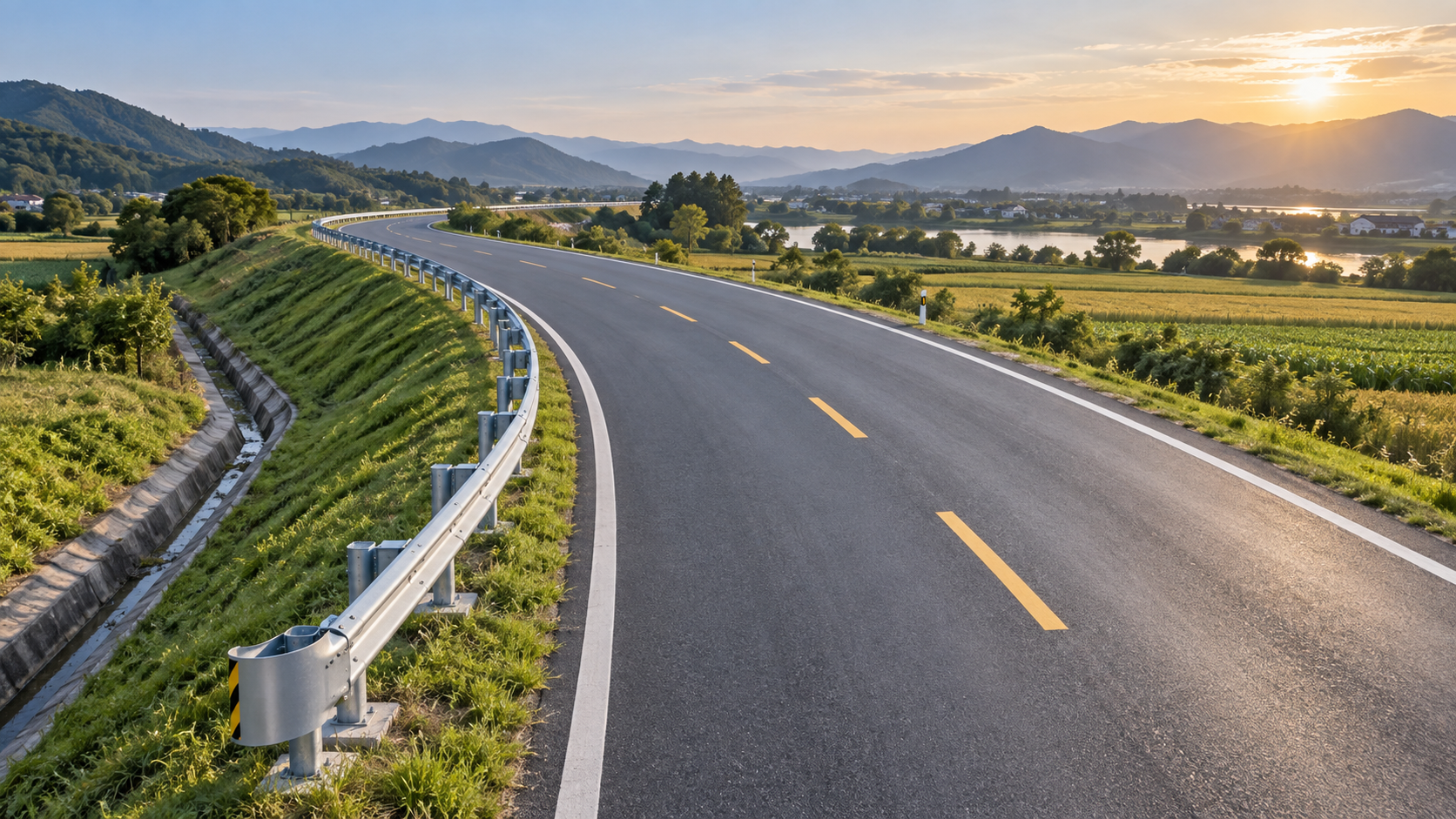
A Bend Highway Guardrail is a roadside barrier section that has been formed to match a curve, ramp edge, median line, bridge approach, or other non-straight alignment. Its job is the same as any guardrail: redirect an errant vehicle and reduce the chance of a more severe crash. The difference is that it is shaped to follow the road geometry closely, so the barrier can stay continuous where a straight section would leave gaps, awkward joints, or weak transitions.
In practical road work, these guardrails are common anywhere the alignment changes direction or space is tight. That includes highway curves, interchange ramps, mountain roads, median openings, toll approaches, and transition areas near bridges or retaining structures. If the barrier line cannot stay true with standard straight rails, a bent section usually becomes part of the solution.
Is a bend highway guardrail different from a standard straight guardrail?
Yes, but not in the way many people first assume. It is not just a straight rail forced into place on site. A proper Bend Highway Guardrail is manufactured to match the required radius or layout so the system can keep its intended line, post connection, and impact behavior.
When crews try to make straight material fit a curve without proper forming, several problems show up quickly: uneven post alignment, bolt hole mismatch, local stress in the steel, and inconsistent rail height. Those issues do not just affect appearance. They can change how the barrier performs during impact and make installation slower than expected.
How do you know when a bent section is actually needed?
The decision usually comes down to geometry, continuity, and safety performance. If the roadway alignment changes enough that straight rail sections cannot follow the line without visible offset or forced installation, bent sections should be considered.
Project teams normally check a few things first:
- Plan drawings showing the curve radius, tangent points, and offsets
- Post locations and spacing along the actual barrier line
- Transition areas where the guardrail connects to bridges, terminals, or other roadside hardware
- Available installation tolerance in the field
If those checks show that straight rail would twist, step out from the designed path, or create a poor connection at joints, a bent section is usually the safer and cleaner choice.
Which road locations use it most often?
Some locations come up again and again in highway work. Sharp horizontal curves are the obvious example, but they are not the only one. Bent rails are also used where the barrier line has to transition smoothly through changing conditions.
The common thread is simple: wherever the barrier line must be precise, especially around changing geometry, a bent guardrail becomes more than a convenience. It becomes part of the system’s reliability.
What should buyers or engineers check before ordering one?
This is where mistakes are expensive. The most useful documents are not general descriptions but the actual project drawings and layout details. A supplier needs the road alignment, required radius or shape, rail profile, hole positions, section lengths, coating requirements, and connection details. If any of that is missing, the risk of rework rises fast.
Before production starts, check these items against the drawings:
- Rail type and cross-section
- Bending direction and target geometry
- Hole layout after bending
- Post spacing and support arrangement
- Surface treatment such as galvanizing or painting
- Installation sequence at transitions or critical points
Manufacturing quality matters as much as the drawing package. For formed steel products used in guardrail systems, operations like drilling, bending, rust removal, shot peening, non-destructive testing, galvanizing, and painting directly affect fit and durability.
Does the support hardware matter as much as the rail itself?
Absolutely. A curved rail still depends on stable posts, connectors, and base components to transfer loads correctly. In some highway guardrail systems, support parts such as the H Post Base Plate are used to provide vertical support and load transfer, helping disperse force into the foundation so the guardrail system is less likely to overturn or shift significantly.
That becomes especially relevant in critical locations where support spacing changes. The provided product data notes post spacing of 4 meters for regular guardrail sections and 2 meters at critical locations. It also lists C-type, U-type, Z-type, and H-type options, which shows why hardware selection cannot be treated as an afterthought. The rail line, support arrangement, and connectors have to work together.
What are the most common installation mistakes?
The most common mistake is assuming a bent guardrail solves everything by itself. It does not. Field problems usually come from poor dimensional coordination rather than from the idea of using a curved section.
- Using the wrong radius or reversing the bend direction
- Ignoring actual post locations and trying to make the rail fit by force
- Overlooking bolt hole alignment after forming
- Mixing incompatible support parts or transition pieces
- Damaging the protective coating during handling or adjustment
A good field check is to compare shop drawings, stakeout points, and delivered parts before full installation starts. Catching one wrong curve early is much easier than rebuilding an entire transition zone later.
Is a bend highway guardrail more expensive?
Usually, yes, on a per-piece basis. Forming, inspection, and project-specific fabrication add cost compared with standard straight sections. But the better question is whether it reduces total project cost and risk. On curved or constrained alignments, properly manufactured bent sections often save time during installation and reduce the chance of field modification, rejected parts, or poor system continuity.
So the cost decision should be tied to the drawing complexity, installation conditions, and the consequences of a bad fit, not just the unit price of the rail.
What is the smartest way to evaluate one for a project?
Start with the alignment, not the catalog. If the barrier must pass through curves, ramps, medians, or tight transitions, review the drawings and mark every place where a straight section would need to be forced into position. Then check the support layout, connection details, and coating requirements together. That tells you whether a Bend Highway Guardrail is simply helpful or genuinely necessary.
A reliable rule is this: when roadway geometry becomes complex, precision in the barrier line matters more than keeping every component standard. If the rail, posts, and support hardware are designed from the same set of drawings, the finished system is far more likely to fit cleanly and perform as intended.
Leave A Reply
Need More Details?
Contact me for details on creating and managing design projects, project features, and services and prices
consult
Our company was established in 1998. It‘s a Chinese pioneer enterprise integrating production and sales, committed to providing high-quality steel products to customers at home and abroad.

First class quality service and professional after-sales team.
Get in Touch
*We respect your confidentiality and all information are protected.