






NEWS
Categories List
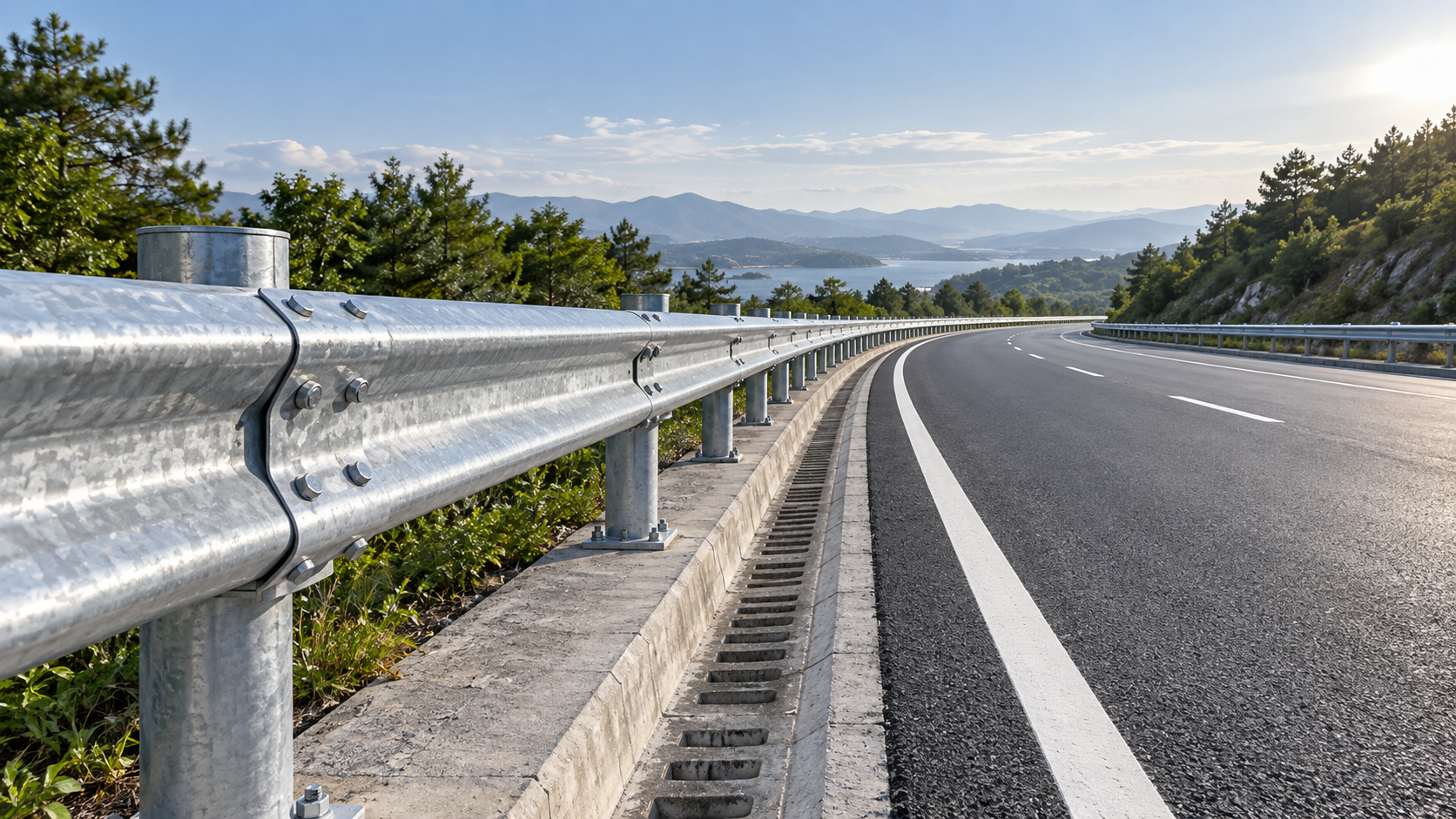
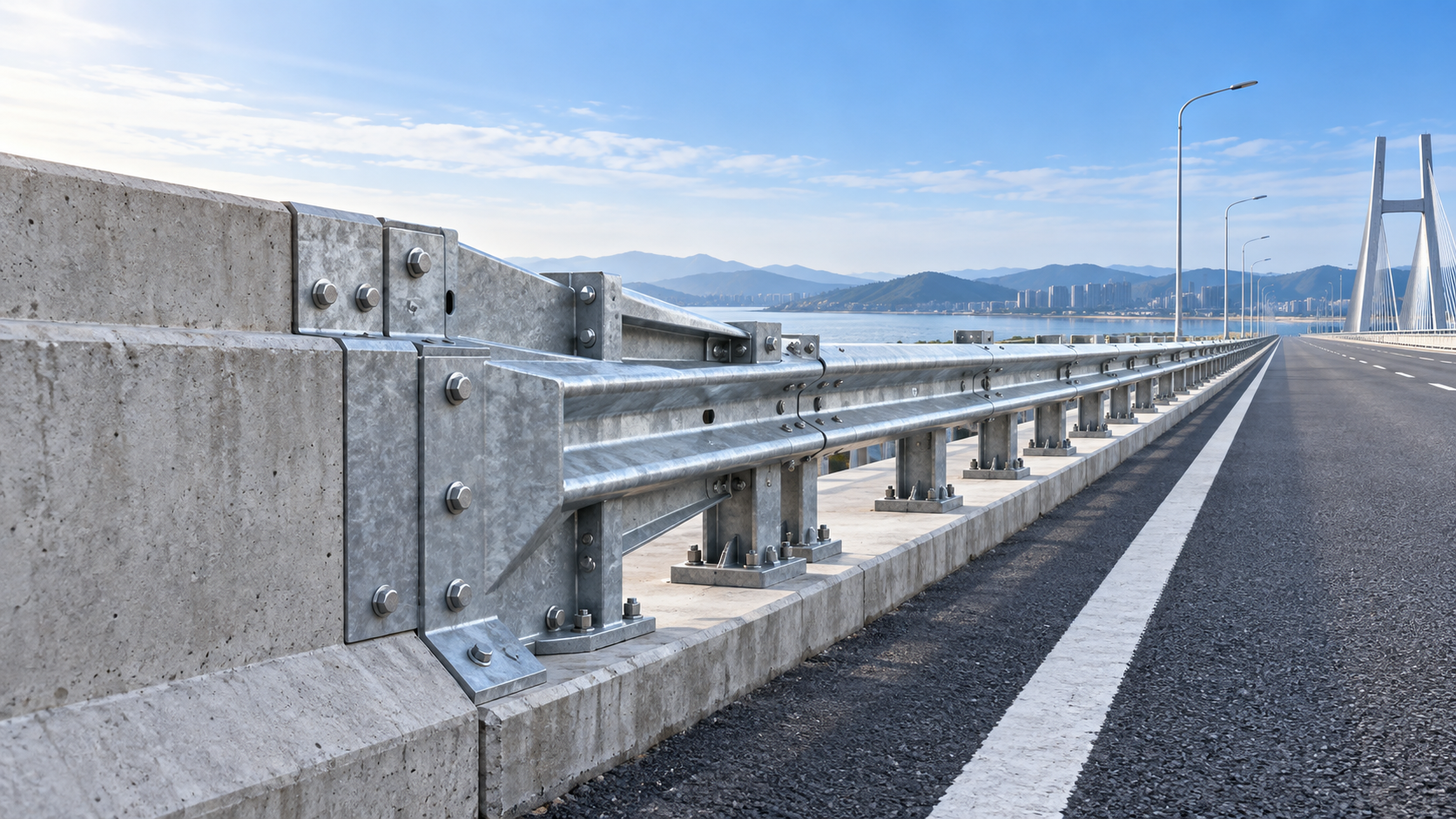
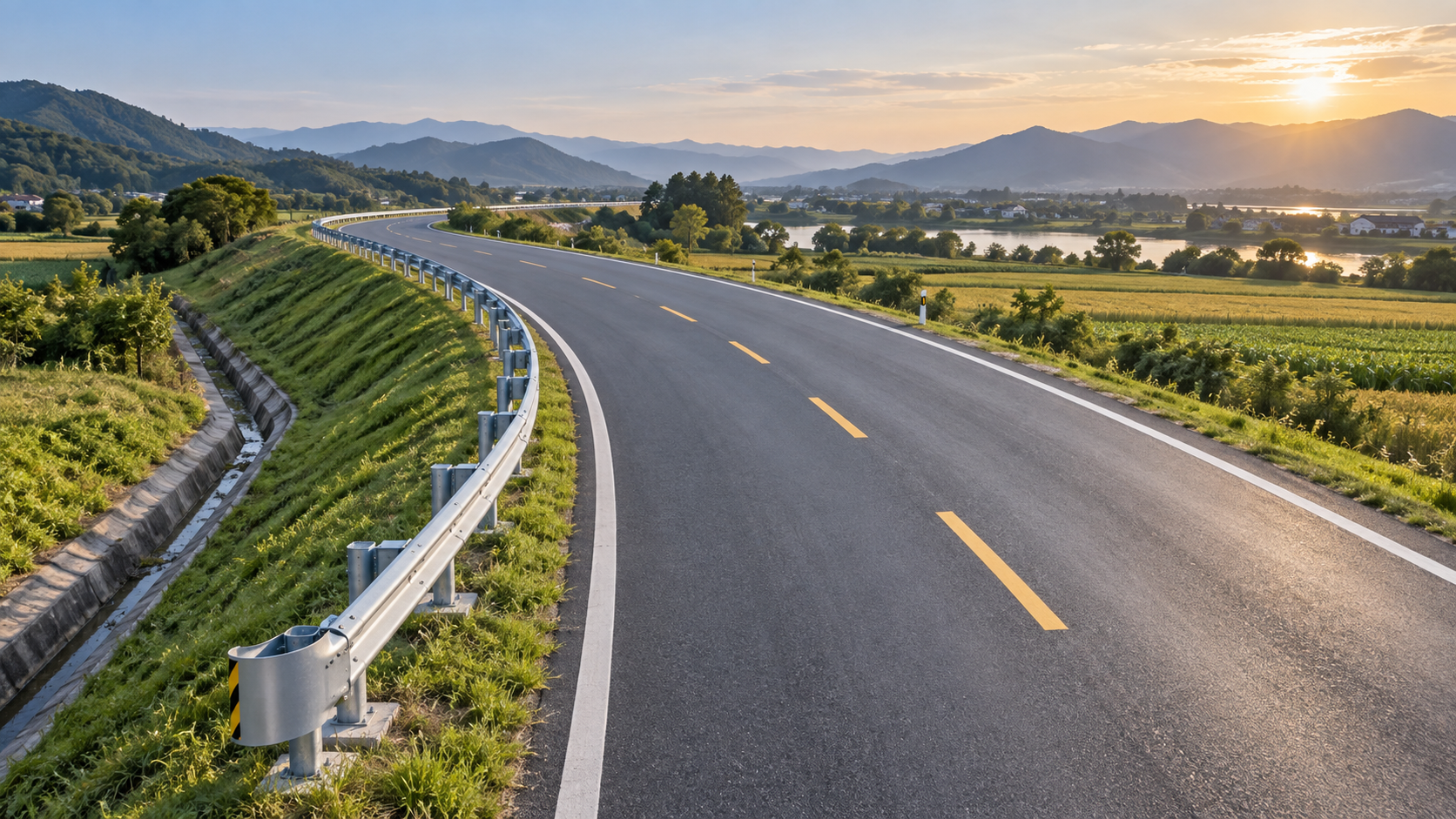
A highway barrier can appear economical on a bid sheet and still become the higher-cost option over its working life. The reason is simple: the purchase price covers only the visible steel and hardware. The lifecycle cost of a Highway Safety Barrier System also includes engineering fit, corrosion protection, freight, installation productivity, inspection, repair exposure, traffic-management disruptions, and the likelihood of premature replacement.
For a commercial evaluation, the central question is not “Which barrier has the lowest unit price?” It is “Which compliant system is least likely to create avoidable cost and operational risk over the required service period?” A durable, correctly specified barrier may carry a higher initial cost yet reduce field labor, repair frequency, and asset-renewal pressure. Conversely, a low initial quote can conceal incomplete components, weak coating control, or installation assumptions that become expensive once work begins.
Start with the installed system, not the price per meter
Barrier quotations are often compared by rail length, post count, or steel weight. Those measures are useful, but they do not represent the installed asset. A functioning system depends on the relationship between rails, posts, blocks, terminals, fasteners, foundations or soil conditions, transitions, and site geometry. Omitting or downgrading one element can affect both installation cost and later impact performance.
Before comparing offers, separate the cost into three stages:
- Acquisition cost: design review, materials, fabrication, protective treatment, packing, transport, and documentation.
- Delivery and installation cost: traffic control, setting out, post driving or foundation work, assembly, equipment time, labor, inspections, and corrections.
- Ownership cost: routine inspections, corrosion-related maintenance, impact repairs, spare-part availability, traffic management during repairs, and eventual replacement.
This approach prevents a frequent evaluation error: comparing one supplier’s full assembly against another supplier’s rail-and-post figure. A quote should identify what is included at every interface, especially end treatments, connectors, energy-absorbing parts, bolts, and any non-standard post or transition detail.
Material grade and steel thickness influence more than durability
Steel selection affects the barrier’s ability to maintain its geometry during handling, installation, service loading, and repair. It also influences fabrication consistency. A buyer should confirm the specified material requirements, dimensional tolerances, rail profile, post section, and thickness rather than assuming that visually similar components are equivalent.
Thickness alone is not a complete quality measure. A heavier section may increase material and transport cost without being appropriate for the required system configuration. On the other hand, underspecified steel can create deformation during transport, difficulty maintaining alignment, or a shorter service life in exposed locations. The right question is whether the component matches the approved design and applicable project requirements, not whether it is simply the lightest or heaviest option.
Fabrication quality also enters the cost picture. Drilling locations, bends, punched holes, edges, and weld-related requirements must be controlled so parts assemble without forced alignment. Field crews lose time when holes do not match, bolts cannot seat correctly, or rail sections need adjustment. Small dimensional deviations multiplied across a long roadside installation can create significant labor and traffic-control cost.
Corrosion protection is often the longest-term cost driver
For exposed roadside steel, corrosion protection is not a cosmetic line item. It determines how long the barrier can remain in service before corrosion reduces section integrity, damages connections, or creates a cycle of spot repairs. The severity depends on local moisture, drainage, de-icing exposure, industrial atmosphere, coastal conditions, vegetation contact, and areas where debris traps water against the steel.
Hot-dip galvanizing is commonly used to provide long-term rust resistance, but a lifecycle review should look beyond the word “galvanized” in a quotation. Ask how the process is controlled, what inspection records are available, how drilled or fabricated parts are handled, and whether packing and loading practices protect the coating before installation. Damage from poor handling may require repair work before the barrier is even commissioned.
Where the specification calls for additional paint or a duplex protection approach, distinguish between a true service-life requirement and an unnecessary addition. The coating system should match the exposure environment and maintenance strategy. Paying for a more elaborate finish may be justified in highly aggressive conditions; it may add little value in a location where standard galvanizing is suitable and regular inspection is feasible.
Post design and spacing can change installation and repair economics
Posts transfer forces from the rail into the ground and help prevent the guardrail line from shifting or overturning excessively. Their profile, length, spacing, embedment conditions, and compatibility with the rail system affect both safety behavior and field productivity.
In a typical highway guardrail arrangement, a 4-meter post spacing may be used in standard sections, while critical locations may require 2-meter spacing. Tighter spacing increases the number of posts, hardware, driving operations, and installation time. It should not be treated as an avoidable cost if the design requires it. Instead, evaluators should isolate these locations in the bill of quantities so that a necessary design feature is not mistaken for supplier price inflation.
Ground conditions deserve the same attention. Rocky layers, buried utilities, existing pavement edges, slopes, drainage structures, and constrained medians can slow post installation or require alternative details. A supplier may price standard driving conditions while the site actually requires predrilling, special foundations, or modified posts. The resulting variation cost can exceed the apparent saving from a low material bid.
Where drawings or site constraints do not match standard sections, a supplier capable of manufacturing non-standard posts from drawings or verified site conditions can reduce interface risk. For example, a Z Post can be specified as part of a guardrail assembly when its dimensions, spacing, support role, and connection details are aligned with the applicable system design. The value lies in proper integration, not in selecting a post profile in isolation.
Design verification reduces expensive field changes
A substantial share of lifecycle cost is determined before fabrication begins. Designs should be checked for roadway alignment, offsets, terminal locations, bridge approaches, culvert crossings, slopes, drainage, and transitions to other restraint systems. These are the areas where standard guardrail runs often become non-standard.
During evaluation, request a clear statement of design responsibility. One party may manufacture strictly to supplied drawings, while another may also review drawings, identify fabrication conflicts, and support installation planning. Neither model is inherently better, but the scope must be understood. If the purchaser retains design responsibility, the quotation should not be judged as though it includes engineering verification. If design support is included, the deliverables and approval process should be defined.
A practical review should test several questions:
- Are rail, post, block, bolt, and terminal details from the same compatible assembly?
- Do drawings show the required spacing changes near hazards, transitions, or constrained areas?
- Are holes, bolt sizes, and overlap directions consistent across fabrication drawings?
- Does the design account for drainage and the ability to inspect the backside of the barrier?
- Have access and installation sequencing been considered where traffic lanes remain operational?
These questions are less about adding paperwork and more about avoiding field improvisation. Alterations made after galvanized components arrive on site can create delays, coating-repair needs, and uncertainty about whether the modified assembly still meets its intended configuration.
Installation productivity has a direct cost and an indirect safety cost
Installation cost is affected by more than labor rates. Crew output depends on the availability of complete, correctly labeled components; the ease of handling rail lengths; post-driving conditions; bolt access; assembly tolerances; and the duration of lane closures. A system that arrives in organized bundles with matching connectors and documented part identification is easier to install and inspect than one requiring site sorting or unplanned substitutions.
Traffic management is particularly important. Each additional shift under lane closure conditions can increase direct work-zone expenditure and roadside exposure. Procurement teams should therefore examine whether proposed packaging, delivery lots, and installation sequencing support the actual work plan. A low freight figure is not necessarily an advantage if delivery arrives in mixed or poorly protected loads that slow distribution along the roadway.
Installation acceptance should confirm line and height, post position, rail overlap direction, bolt tightness, terminal assembly, coating damage, and completeness of blocks and connectors. These checks cost far less when performed during construction than when deficiencies are found after the roadway is reopened.
Repair frequency is shaped by maintainability, not only impact events
All roadside barriers may require repair after impact. Lifecycle differences arise from how easily the damaged section can be identified, isolated, supplied, and restored without replacing unaffected components. Standardized hardware and readily available matching sections can reduce downtime. Proprietary or poorly documented details may create a spare-parts dependency that is not obvious at initial purchase.
Evaluate repairability through realistic maintenance questions. Can the owner identify each rail, post, spacer, and fastener from supplied records? Are spare components included or available under the same specification? Does a damaged rail section require disturbance of several adjacent sections? Can galvanized repairs be made appropriately when superficial installation damage occurs? Are special tools or unusual bolt types required?
Maintenance access also matters. Barriers placed close to drainage channels, steep slopes, vegetation, or fixed objects may take longer to inspect and repair. This does not necessarily rule out the design, but it should be reflected in ownership planning rather than ignored because the initial installation is straightforward.
Compare suppliers on evidence that affects future cost
A robust commercial comparison uses a common technical basis. Each bidder should respond to the same drawings, quantities, coating requirements, inspection needs, delivery terms, and installation scope. Then compare not only totals but also exclusions, assumptions, and evidence of process control.
The most defensible procurement decision usually comes from assigning cost and risk to the correct stage of ownership. A barrier system with controlled manufacturing, appropriate corrosion protection, compatible components, and realistic installation assumptions is easier to budget, inspect, repair, and retain in service. The initial material price remains important, but it should be treated as one input in a lifecycle decision rather than the decision itself.
Leave A Reply
Need More Details?
Contact me for details on creating and managing design projects, project features, and services and prices
consult
Our company was established in 1998. It‘s a Chinese pioneer enterprise integrating production and sales, committed to providing high-quality steel products to customers at home and abroad.

First class quality service and professional after-sales team.
Get in Touch
*We respect your confidentiality and all information are protected.