






NEWS
Categories List
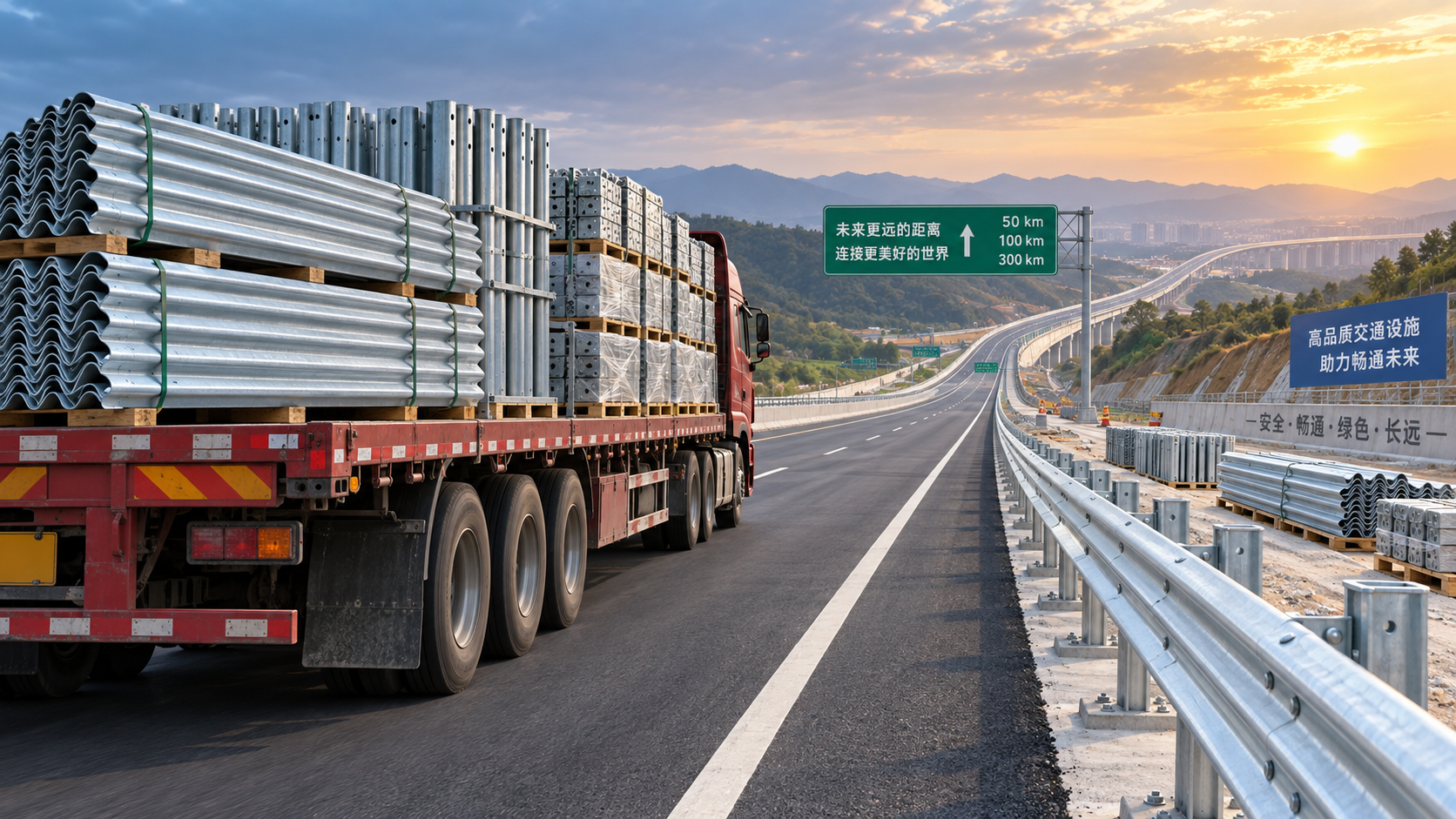
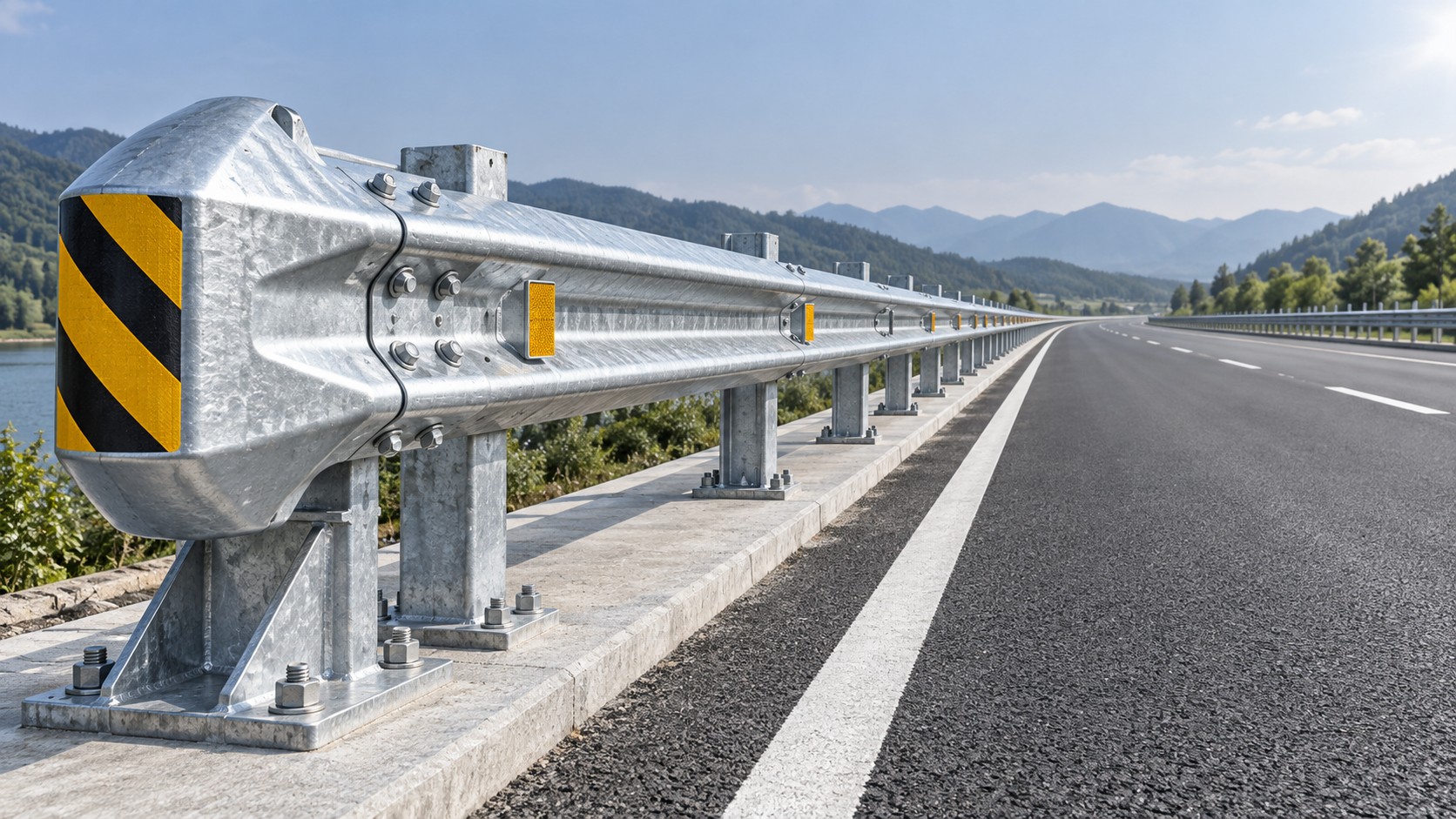
What Brazil ABNT 6971 Really Means in a Guardrail Project
When people first come across Brazil ABNT 6971, they often assume it is just a paperwork item for bidding in the Brazilian market. In practice, it matters much earlier than procurement and much later than delivery. For highway guardrail projects, this standard sits close to the point where design intent, steel quality, fabrication accuracy, and field performance meet. If that sounds broader than a simple material rule, that is because guardrails are not judged by appearance alone. They are judged by whether the installed system behaves as expected under service conditions and whether the supplied components match the technical basis of the project.
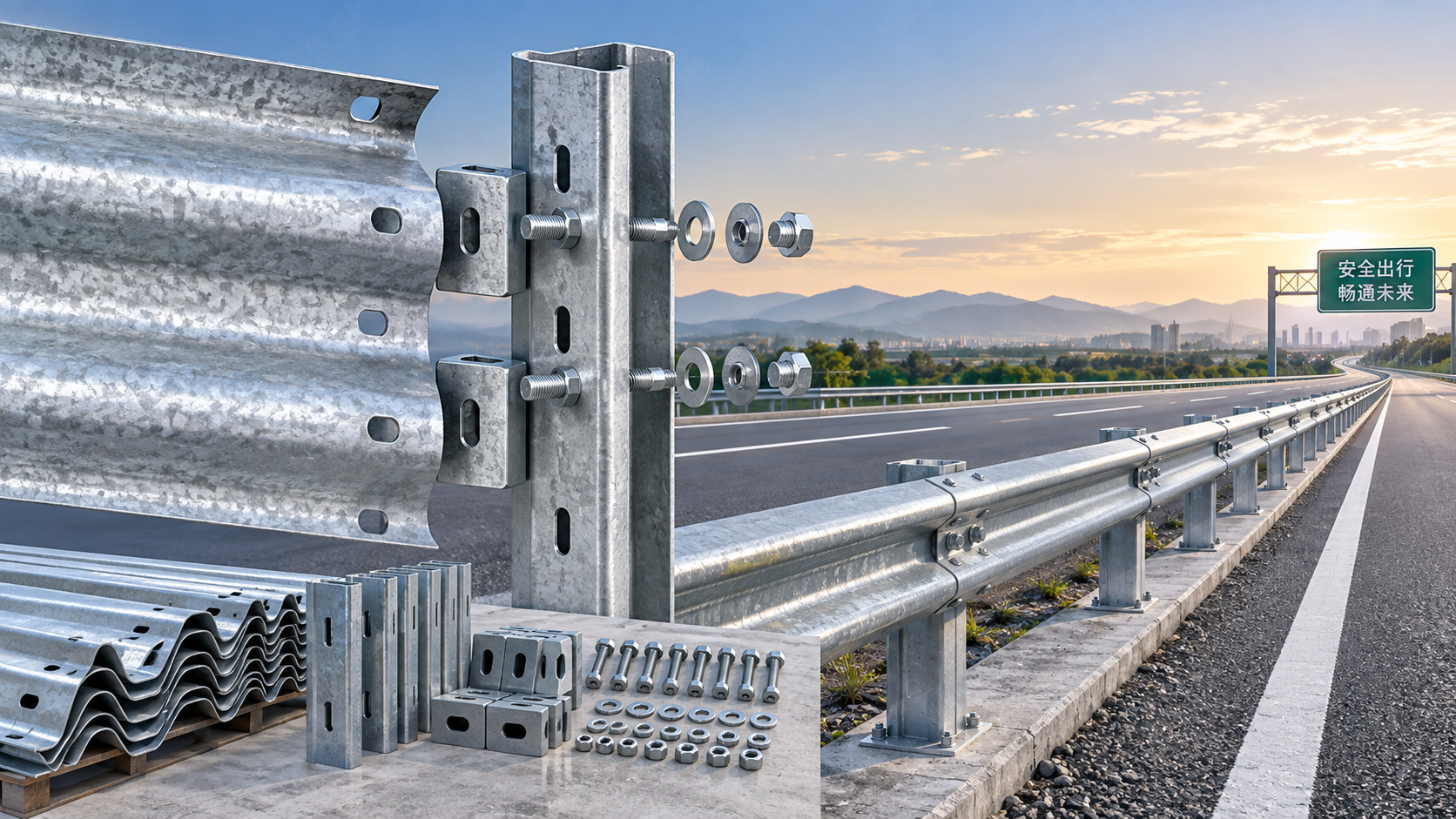
That is why Brazil ABNT 6971 is usually discussed in the same conversation as section profile, thickness control, corrosion protection, dimensional tolerances, connection details, and compatibility between beams, posts, spacers, terminals, and fasteners. A guardrail line can look correct from a distance and still fail compliance if the steel grade, hole positioning, galvanizing condition, or bending accuracy does not match the standard or the approved drawings.
More Than a Material Specification
In highway work, standards rarely operate in isolation. A project team may refer to a national standard such as Brazil ABNT 6971 not only to define the product itself, but also to establish a common technical language for suppliers, designers, inspectors, and contractors. That matters in South American infrastructure projects where imported components, local fabrication, and site-specific design adjustments may all appear in the same supply chain.
For buyers and engineers, the practical question is not “Does the supplier know the standard name?” but “Can the supplier manufacture to the standard in a controlled way?” In guardrail production, that means checking whether the workshop can hold consistent dimensions after drilling and bending, whether rust removal and surface preparation are handled correctly before coating, and whether galvanizing or painting is applied in a way that supports the specified service life. These steps are not decorative process items. They directly affect fit-up on site and long-term corrosion resistance.
A capable manufacturer will usually treat the standard as one layer of control, not the only layer. The approved project drawings, the road authority requirements, and the installation environment still matter. Coastal exposure, humid regions, heavy truck routes, bridge transitions, and median layouts all change the risk profile even when the nominal guardrail type remains the same.
Where Misunderstandings Start
One common misunderstanding is that compliance can be reduced to beam shape and steel thickness. That is incomplete. Guardrail systems are assemblies. If the beam meets the drawing but the post spacing, bolt pattern, or spacer geometry is off, installation becomes slower and the system may no longer behave as intended. Another misunderstanding is that “equivalent” steel products are acceptable without a structured technical review. In some cases they may be, but only after verifying the actual dimensions, mechanical properties, coating method, and connection details against the project requirement.
This is where manufacturing discipline becomes visible. In real procurement work, the difficult part is often not producing one acceptable sample. It is producing hundreds or thousands of pieces that remain consistent across batches. For highway guardrails and related steel products, processes such as drilling, bending, shot peening, non-destructive testing, galvanizing, and painting are part of that consistency chain. A deviation introduced early in fabrication tends to surface later at the site as alignment problems, assembly delays, or inspection comments.
How Engineers and Buyers Usually Evaluate It
When Brazil ABNT 6971 appears in tender or project documents, experienced teams usually look at several checkpoints rather than a single certificate:
- Whether the supplied guardrail type matches the required geometry and connection layout in the design package.
- Whether the steel processing route can maintain repeatable hole location, curvature, and dimensional tolerance.
- Whether corrosion protection aligns with the exposure condition and contract requirement.
- Whether inspection records, material traceability, and fabrication documents are complete enough for project review.
- Whether installation support is available when the project includes non-standard transitions, bridge interfaces, or customized layouts.
That last point is often underestimated. A supplier may be perfectly good at routine production but less effective when the project includes mixed components or site-specific modifications. In those cases, design interpretation matters almost as much as manufacturing. Some projects also require adjacent structural items, frames, or support assemblies to be coordinated with the barrier system. That is where broader steel fabrication capability can help. For example, companies that also produce custom structural items such as Steel Frames are often better positioned to manage dimensional coordination across related highway components, provided the project specifications are clear.
Why It Matters Beyond Compliance
The reason Brazil ABNT 6971 matters is not only that a contract may require it. The deeper reason is that highway guardrails are part of a safety system exposed to impact, weather, vibration, drainage conditions, and long service periods. If a project uses guardrails that are only superficially similar to the specified system, the risk is not always immediate failure. More often, the problem appears as premature corrosion, difficult installation, component mismatch, or disputes during inspection and acceptance.
For imported or cross-border supply, the standard also helps reduce ambiguity. Without a recognized reference, buyers may compare quotations that look similar on paper but are based on different assumptions about material grade, coating thickness, tolerances, or accessory scope. That usually leads to rework, clarification cycles, and avoidable cost later in the project.
What to Ask Before You Specify or Purchase
If you are evaluating a guardrail supplier for a Brazil-related project, a few questions tend to reveal whether the standard is being understood in a real engineering sense. Ask how the supplier controls dimensional accuracy after forming. Ask what documentation accompanies the material and coating process. Ask whether production follows your plan, your drawings, or the supplier’s own interpretation of the system. And ask how non-standard details are handled when the site condition does not match a typical roadside segment.
Manufacturers with a full production chain can usually respond more clearly here. If they can quote, review drawings, manufacture, and support installation under one technical workflow, there is less room for mismatch between design and fabrication. That does not replace project verification, but it does make compliance easier to manage. The same applies when related fabricated parts, including secondary structural items or Steel Frames, need to be aligned with the barrier package.
A Practical Reading of the Standard
The useful way to read Brazil ABNT 6971 is not as an isolated code reference, but as a filter for project decisions. It helps you ask better questions about what is being supplied, how it is being made, whether it matches the intended guardrail system, and how likely it is to pass inspection without argument. In highway work, those are not abstract concerns. They affect schedule, installation quality, maintenance exposure, and ultimately the reliability of the roadside protection system.
So when the standard appears in a specification, treat it as a technical baseline that needs to be carried through design review, fabrication, and site execution. That is where its value becomes real.
Leave A Reply
Need More Details?
Contact me for details on creating and managing design projects, project features, and services and prices
consult
Our company was established in 1998. It‘s a Chinese pioneer enterprise integrating production and sales, committed to providing high-quality steel products to customers at home and abroad.

First class quality service and professional after-sales team.
Get in Touch
*We respect your confidentiality and all information are protected.