






NEWS
Categories List
Recent Posts
 Netherlands Client Delegation Visits Our Factory to Advance European Highway Guardrail CooperationOct 10, 2026
 AASHTO M180 Guardrail Requirements: A Practical Guide to Material ComplianceOct 10, 2026
 Port Safety Barriers: Selecting Protection for Vehicle Lanes and Loading AreasOct 10, 2026
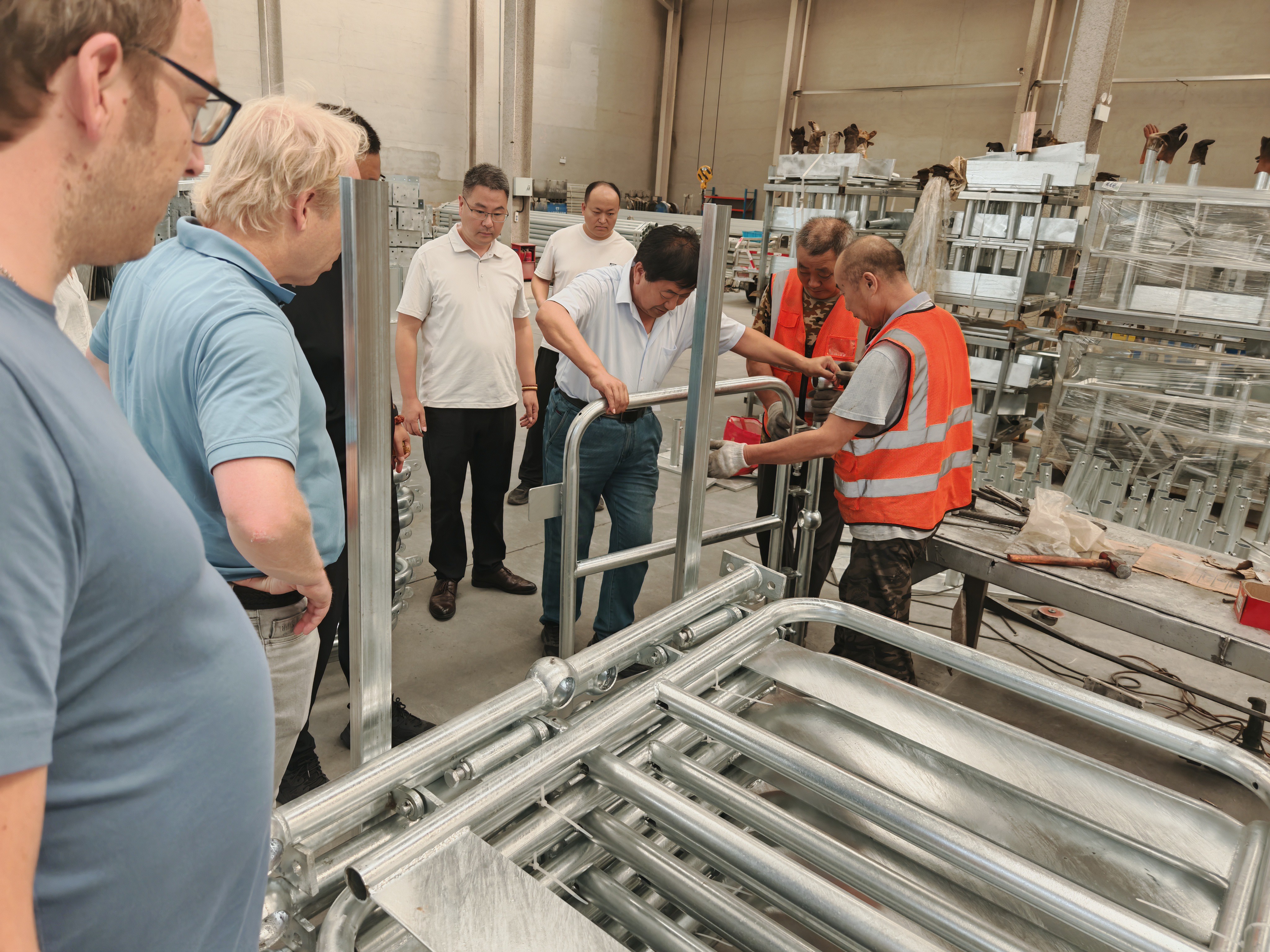
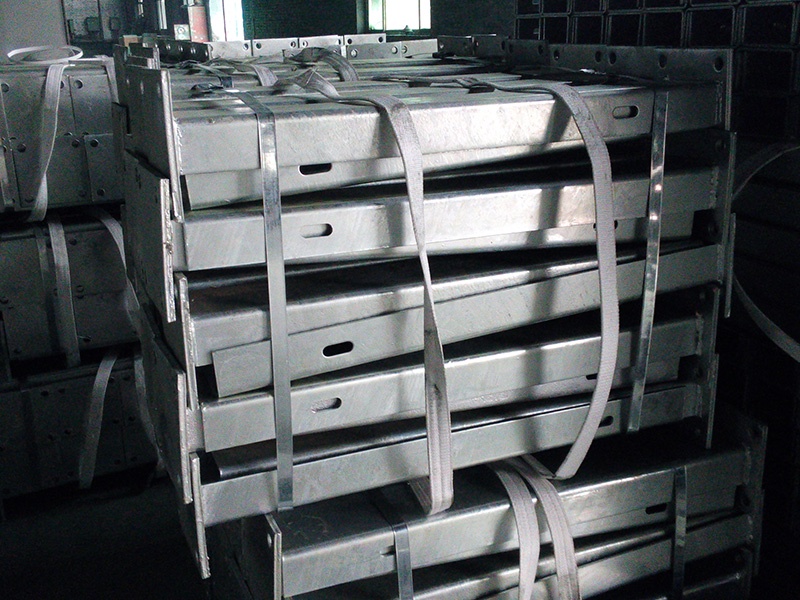
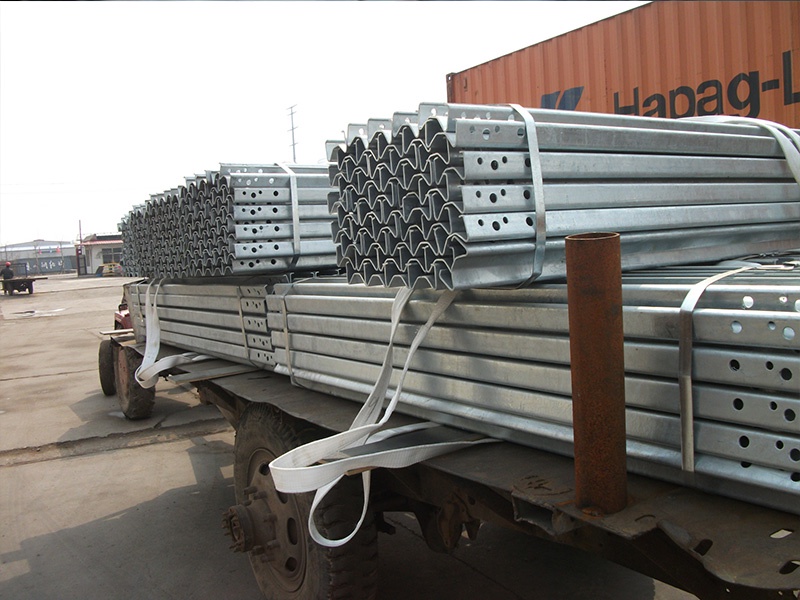
When evaluating Z post guardrail price, several factors can make a significant difference, from raw material costs and galvanizing standards to design specifications, order volume, and installation requirements. For transportation projects, understanding these variables helps buyers control budgets while ensuring safety, durability, and compliance. In this article, we’ll break down the key elements that influence pricing and show how customized manufacturing can deliver better long-term value.
For many buyers, the first instinct is to compare unit prices. That seems practical, but in guardrail procurement, the lowest quoted number rarely tells the whole story. A Z post may look simple on paper, yet its price is shaped by engineering demands, steel quality, surface protection, production complexity, and even the road environment where it will be installed. In highway projects, small specification differences can lead to meaningful cost changes.
Steel Cost Is Usually the Starting Point
Among all pricing factors, raw material cost is one of the most visible. Since guardrail posts are steel products, fluctuations in steel market prices directly affect manufacturing cost. If the project requires thicker sections, higher strength material, or tighter tolerance control, the price will naturally increase.
Buyers should also pay attention to whether the quotation is based only on material weight or on the full manufacturing scope. Two suppliers may appear close in price, while one includes drilling, bending, rust removal, shot peening, non-destructive testing, galvanizing, and painting, and the other does not. In transport infrastructure, those process details matter because they influence not just price, but service life and safety performance.
Design Specifications Change the Cost More Than Many Expect
Not every highway guardrail system uses the same post configuration. Site conditions, impact requirements, and roadway geometry all influence post design. A standard section may be relatively cost-efficient, while a non-standard profile or a post adapted to special terrain can require additional tooling, production setup, or fabrication time.
For example, in highway guardrail systems, post spacing is often around 4 meters, but at critical locations it may be reduced to 2 meters. That single design adjustment can increase the total number of posts needed, which immediately raises overall project cost. It may also affect connector quantity, transport volume, and installation workload. In other words, the “price of a post” and the “cost of the system” are closely linked but not identical.
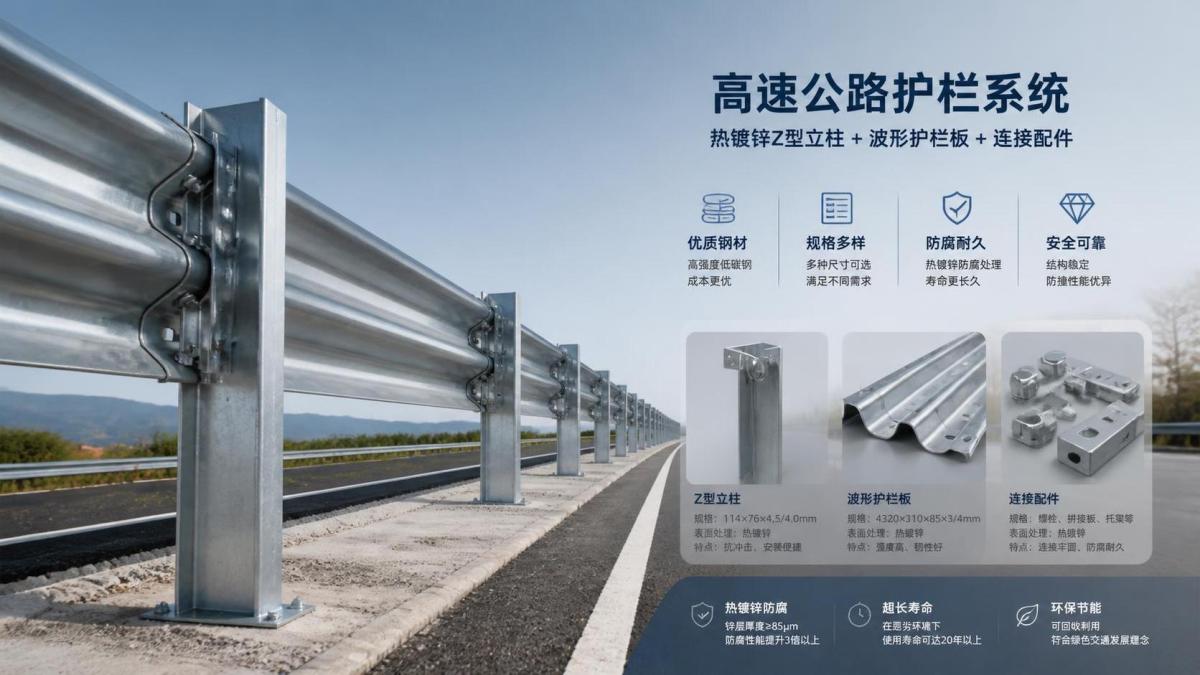
There are also different structural types used in practice, including C-type, U-type, Z-type, and H-type posts. Selection depends on engineering design rather than preference alone. A buyer comparing prices without confirming the exact required type may be comparing products that are not truly equivalent.
Galvanizing Standards Have a Major Impact on Long-Term Value
One of the biggest pricing differences in guardrail posts comes from corrosion protection. Hot-dip galvanizing is widely used because highway safety products are exposed to rain, road salt, temperature changes, and long service cycles. A post with stronger anti-corrosion treatment usually costs more upfront, but it may reduce replacement frequency and maintenance risk over time.
This is especially important for transport authorities, contractors, and project owners working in coastal areas, humid regions, or roads with winter de-icing conditions. A lower initial price may become expensive later if the coating performance is weak or inconsistent. That is why buyers should ask not just whether galvanizing is included, but what standard, thickness range, and inspection requirements are being followed.
Products such as Z Post are often selected with this long-term durability in mind, especially when they are manufactured and inspected according to international standards and treated with hot-dip galvanizing for rust resistance.
Manufacturing Accuracy and Inspection Requirements Also Affect Price
In transportation infrastructure, dimensional accuracy is not a minor issue. Posts must align with beams, blocks, and bolted connections so the system performs as intended during impact. If a project has stricter tolerances, more detailed inspection steps, or added testing requirements, cost will rise accordingly.
Processes such as non-destructive testing and shot peening are not always visible in a finished product, but they contribute to consistency and reliability. For critical road sections, bridge approaches, ramps, and high-risk curves, buyers are often less concerned with shaving off a small amount from the unit price and more focused on whether the posts will integrate correctly with the full barrier system.
Customization Can Raise the Quote—but Sometimes Saves Money Overall
There is a common assumption that custom production always means unnecessary extra cost. In reality, that depends on the project. If on-site conditions are unusual, if existing drawings need to be matched, or if the road alignment creates non-standard installation points, customization may actually prevent field modifications, material waste, and installation delays.
A manufacturer that can design according to a project plan or produce according to customer drawings offers a practical advantage here. Custom drilling positions, adapted dimensions, and matched components can reduce problems during installation. For infrastructure teams working against deadlines, avoiding rework can be more valuable than choosing the cheapest standard post.
This is also where matching accessories matter. Energy-absorbing blocks and bolted connectors are not secondary details; they are part of the integrity of the guardrail system. If the post quote excludes key compatible components, the initial price may look attractive while the final procurement cost turns out higher.
Order Volume, Logistics, and Installation Conditions Shape the Final Number
Large orders typically benefit from better production efficiency, material planning, and shipping consolidation. Smaller batches, on the other hand, may carry higher per-unit cost because setup, handling, and transport are spread over fewer pieces. If the order includes multiple specifications, mixed finishes, or urgent delivery, pricing can shift again.
Freight is another overlooked element. Guardrail posts are heavy steel products, so transport distance and loading efficiency matter. A buyer sourcing from far away may find that a lower factory price is offset by higher logistics cost. Packaging needs, export requirements, and delivery schedules can all influence the real purchasing cost.
Installation conditions matter too. Posts intended for standard roadside sections are different from those for complex terrain or critical locations. If installation requires closer spacing, special foundations, or strict alignment tolerances, procurement decisions should be made with the full installation picture in mind rather than product price alone.
How Buyers Can Compare Quotations More Effectively
If you are collecting quotes for a transportation project, ask suppliers to clarify what is included. A useful comparison should cover material specification, dimensions, coating process, testing scope, included accessories, production tolerance, and lead time. Without that, a cheaper quote may simply be a less complete one.
It also helps to confirm whether the supplier can handle the full service chain: quotation, design support, manufacturing, and installation coordination if needed. In practice, a supplier with in-house process control can often deliver more stable quality and better schedule visibility than one that outsources critical steps.
For projects with special drawings or non-standard roadside conditions, it is wise to ask early whether custom manufacturing is possible. A post that provides vertical support and load transfer, dispersing impact force into the foundation and helping prevent the guardrail system from shifting or overturning, should be chosen as part of a safety solution—not as an isolated commodity.
Price Matters, but Fitness for the Project Matters More
The real question is not simply, “How much does a Z post cost?” but “What exactly am I paying for?” In highway guardrail systems, price reflects a combination of steel input, fabrication processes, protective treatment, engineering detail, order scale, and service support. When these factors are aligned with actual project needs, the result is usually better value, fewer installation headaches, and more dependable long-term performance.
For buyers in the transportation sector, the smartest approach is to evaluate quotes through both a cost lens and a project-risk lens. A well-made post built to the right standard may not always be the lowest-priced item on the list, but it is often the one that makes the overall guardrail system safer, more durable, and more economical over its full life cycle.
Leave A Reply
Need More Details?
Contact me for details on creating and managing design projects, project features, and services and prices
consult
Our company was established in 1998. It‘s a Chinese pioneer enterprise integrating production and sales, committed to providing high-quality steel products to customers at home and abroad.

First class quality service and professional after-sales team.
Get in Touch
*We respect your confidentiality and all information are protected.