






NEWS
Categories List
Recent Posts
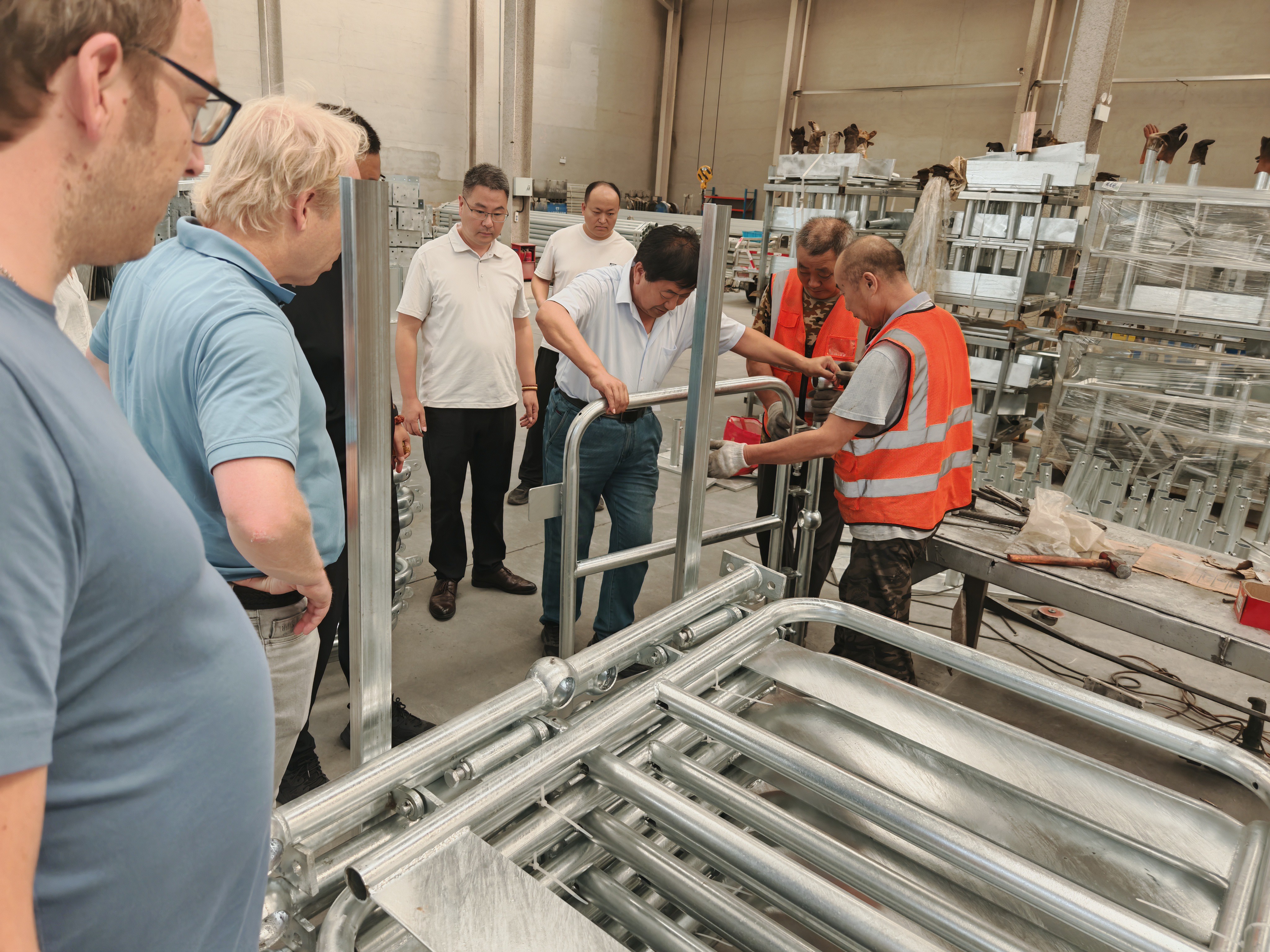
 Netherlands Client Delegation Visits Our Factory to Advance European Highway Guardrail CooperationOct 10, 2026
 AASHTO M180 Guardrail Requirements: A Practical Guide to Material ComplianceOct 10, 2026
 Port Safety Barriers: Selecting Protection for Vehicle Lanes and Loading AreasOct 10, 2026
Understanding Z Posts in Roadside Infrastructure
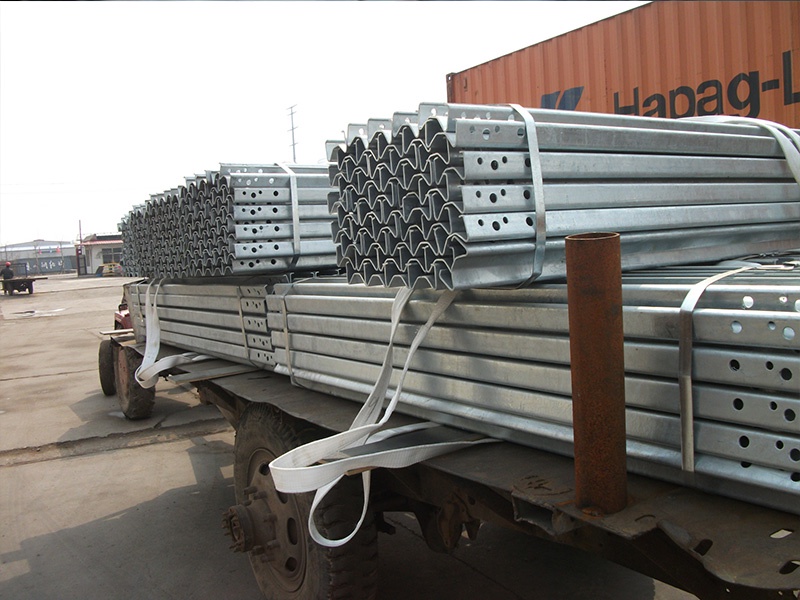
In transport infrastructure, a Z Post is a steel support member with a cross-section shaped roughly like the letter “Z.” That profile is not just a naming convenience. It is used because the shape gives a useful balance of stiffness, material efficiency, and installation practicality. In roadside systems, where posts are repeated over long distances and exposed to impact, vibration, water, salt, and soil movement, that balance matters more than it might on paper.
People often come across the term when looking at guardrail supports, delineation systems, or certain fencing arrangements along highways and transport corridors. A Z Post is not the only post type used in these applications, and it is not automatically the best choice everywhere. But it remains common because it is relatively straightforward to fabricate, easy to integrate with other steel components, and well suited to projects where corrosion protection and repeatable installation are part of the decision.
Why the Z Shape Is Used
The section geometry helps distribute load while keeping the post lighter than a bulkier solid or closed section might be. In roadside safety work, the post does not act alone; it works as part of a system with rail beams, spacers, fasteners, end treatments, and foundations or driven embedment. The post has to provide support under normal service conditions, but in some systems it also needs to deform in a controlled way during impact.
That is one reason experienced engineers do not choose a post simply by shape name. They look at steel thickness, section dimensions, hole patterns, protective coating, soil conditions, and the overall barrier design. A Z Post may perform very differently depending on those details. The same general profile can also be adapted for fencing and perimeter applications where impact behavior is less critical than line stability and corrosion life.
Where Z Posts Are Commonly Used
The most familiar use is in roadside safety systems. Along highways, ramps, medians, and bridge approaches, steel posts support barrier rails intended to redirect or contain vehicles. In these environments, the post spacing, embedment, and connection details are usually tied to the approved system design rather than selected freely.
Z Posts are also seen in transport-related fencing. This can include right-of-way fencing, boundary protection near rail or road corridors, and controlled-access sections where fast installation and long runs are typical. Their profile makes them practical for repeated production and field handling, especially when the project requires punching or drilling at consistent intervals.
In some projects, they are used near drainage edges, embankments, or curves where alignment control is important. That said, the surrounding environment changes the decision. Soft ground, aggressive coastal exposure, or highly constrained bridge sections may push designers toward a different support type or a heavier protective treatment.
What Engineers and Buyers Usually Check
If you are reviewing a Z Post for a transport project, the basic question is not “Is it strong?” in the abstract. The real question is whether it matches the system and the site.
A few points usually deserve attention:
- Section size and steel thickness, because these affect stiffness and energy response.
- Hole location and tolerances, especially where rails or brackets must align over long distances.
- Coating system, since galvanized or painted finishes may be chosen differently for inland, industrial, or coastal exposure.
- Manufacturing consistency, including bending accuracy, drilling quality, and surface preparation.
- Compatibility with the approved barrier or fence assembly.
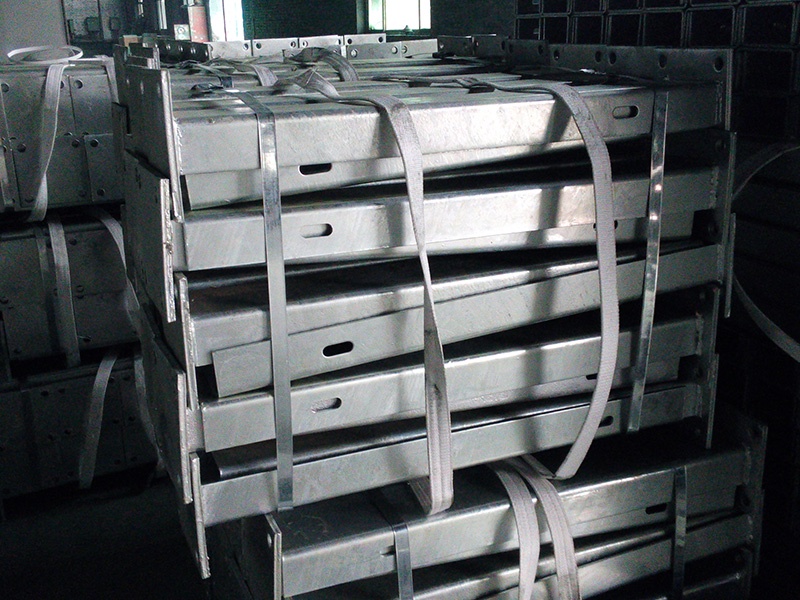
This is where manufacturing capability becomes more than a brochure line. In practice, posts for transport infrastructure often require controlled drilling, bending, rust removal, shot peening, non-destructive testing where specified, and then galvanizing or painting. If a supplier can work directly from project drawings or adapt production to a design plan, it reduces the chances of field modifications later, and field modifications on safety hardware are rarely where you want surprises.
Z Posts in Guardrail Systems: Useful, but Not Isolated
A common mistake is to treat the post as the whole story. In guardrail systems, performance depends on how the parts behave together. The post may be efficient, but if the end treatment, transition, or connection zone is poorly selected, the overall system can still be the weak point.
That is why critical locations such as bridge sections, median openings, ramp divergences, and other high-risk expressway segments often receive extra attention at the ends or transitions. In those areas, components like End Cover are used as part of the broader safety assembly. Made from high-quality hot-rolled steel plates, these components are chosen for applications that need very high bending stiffness and impact resistance, with coating options such as zinc-aluminum-magnesium or warning-color powder finishes depending on exposure and visibility needs. The point is not that every Z Post installation needs the same accessory, but that post selection should always be viewed in system context.
Material and Corrosion Considerations
Transport steel lives outdoors, often in punishing conditions. Deicing salts, sea air, standing water, damaged coatings, and debris impact all shorten service life if protection is not planned properly. For Z Posts, galvanizing is a common choice, but not the only one. Some projects add paint or use alternative coating systems when visibility or enhanced corrosion resistance is required.
In coastal or high-salt-fog environments, coating performance becomes a specification issue, not an afterthought. If adjacent barrier components are designed for long service life, the posts should not become the premature maintenance item. This is also one reason custom manufacturing to drawing can be valuable: transport jobs are rarely identical, and small differences in environment or support spacing can change what is sensible.
When a Z Post May Not Be the Best Choice
There are situations where another section may be preferred. Very heavy containment systems, unusual foundation constraints, or projects governed by a specific approved barrier family may require sigma, C, U, or other post types instead. In rehabilitation work, the replacement part also needs to match the existing system details; “close enough” is not a safe assumption for roadside hardware.
For fence applications, the same logic applies. A Z profile may be efficient for long straight runs, but gate areas, corner conditions, or places with higher pull loads may need a different support arrangement.
A Practical Way to Think About It
If you are trying to understand Z Posts, the simplest takeaway is this: they are shaped steel supports commonly used where transport infrastructure needs repeatable strength, efficient material use, and reliable integration with roadside systems. They are especially familiar in guardrails and transport fencing, but they only make sense when matched to the full design, the installation method, and the exposure conditions.
For actual project selection, it is usually worth checking the drawings, the barrier system requirements, and the coating specification before focusing on the profile name alone. In transport work, details like hole placement, finish quality, and compatibility with adjoining components often decide whether a solution performs smoothly in the field or becomes a maintenance problem a few seasons later.
Leave A Reply
Need More Details?
Contact me for details on creating and managing design projects, project features, and services and prices
consult
Our company was established in 1998. It‘s a Chinese pioneer enterprise integrating production and sales, committed to providing high-quality steel products to customers at home and abroad.

First class quality service and professional after-sales team.
Get in Touch
*We respect your confidentiality and all information are protected.