






NEWS
Categories List
Recent Posts
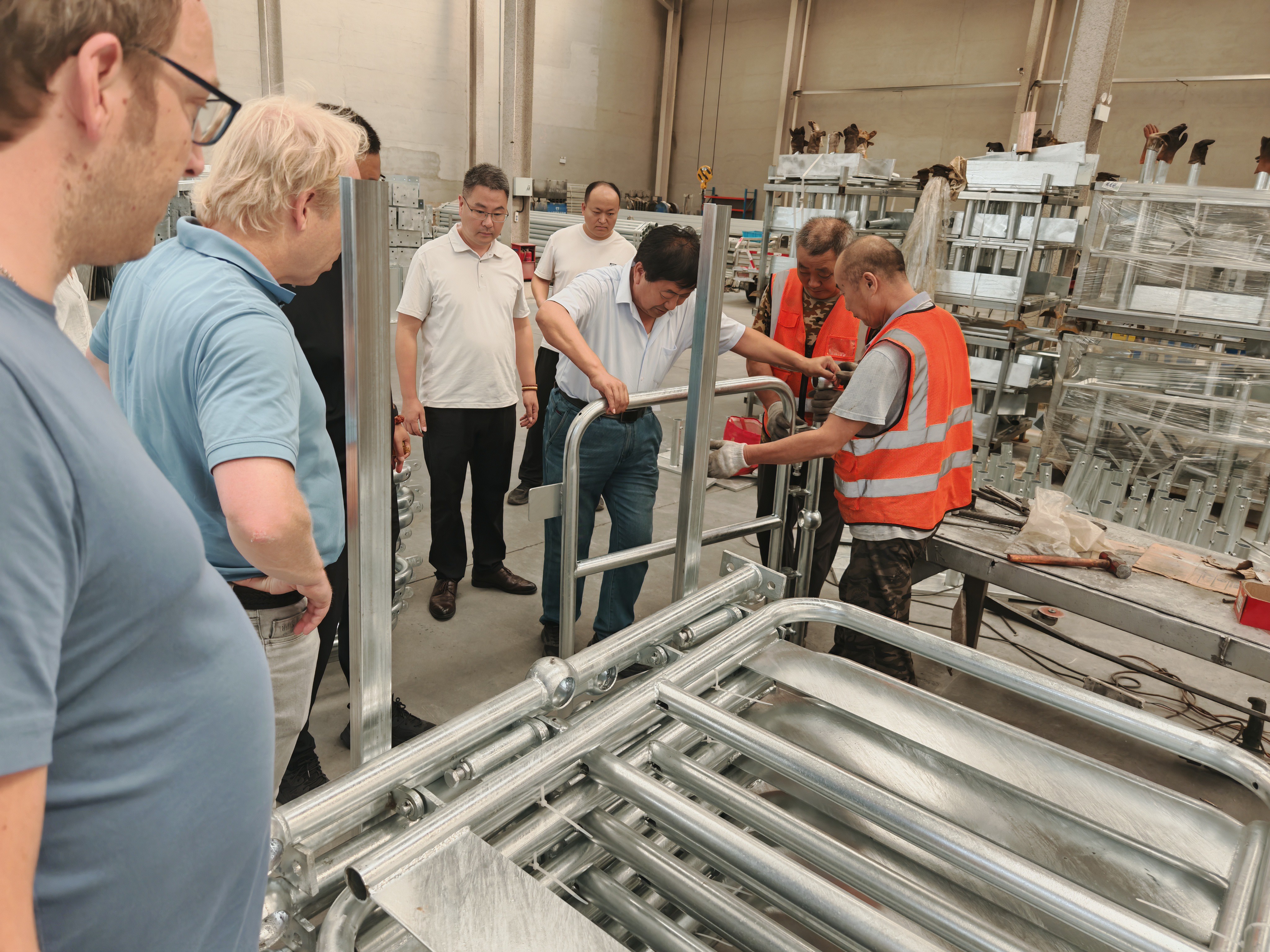
 Netherlands Client Delegation Visits Our Factory to Advance European Highway Guardrail CooperationOct 10, 2026
 AASHTO M180 Guardrail Requirements: A Practical Guide to Material ComplianceOct 10, 2026
 Port Safety Barriers: Selecting Protection for Vehicle Lanes and Loading AreasOct 10, 2026
Urban Safety Barrier Planning for Dense Streets
Effective Urban Safety Barrier planning protects pedestrians, vehicles, and roadside assets where lanes are tight and traffic loads stay high.
In dense streets, every meter matters. Barrier decisions affect safety, drainage, maintenance access, traffic flow, and long-term operating cost.
That is why planning cannot stop at product selection. It needs design coordination, fabrication accuracy, and an installation method that fits the site.
With custom steel manufacturing, quotation support, and drawing-based production, Urban Safety Barrier systems can meet strict project requirements without slowing delivery.
Why Dense Streets Need Smarter Barrier Planning
Urban roads create a different risk profile from open highways. Speeds vary, sightlines are shorter, and roadside conflict points are much closer.
A good Urban Safety Barrier plan must handle more than vehicle redirection. It should also protect bus stops, utility zones, medians, sidewalks, and bridge approaches.
From a project delivery perspective, the challenge is balancing four demands at the same time:
- Crash performance and energy absorption
- Compliance with local and international standards
- Corrosion resistance in polluted urban environments
- Fast installation with limited road closures
When one of these is ignored, the Urban Safety Barrier may still pass procurement, but underperform during service or create avoidable construction delays.
Key Planning Factors Before Final Design
Early planning should start with road function and exposure level. A downtown collector street needs a different barrier approach from an elevated connector or tunnel exit.
In practical terms, review these factors first:
- Traffic mix, including buses, trucks, motorcycles, and bicycles
- Available offset distance from travel lanes
- Foundation condition and buried utilities
- Required working width and deflection behavior
- Drainage paths, lighting poles, and sign structures
- Maintenance frequency and replacement access
This stage is also where drawing-based customization adds value. Precise drilling, bending, and fabrication reduce field adjustments and protect the installation schedule.
For complex projects, engineering teams often prefer a supplier that can quote, design, manufacture, and support installation as one coordinated process.
How Material Quality Affects Urban Safety Barrier Performance
Material quality has a direct effect on lifecycle cost. In urban streets, barriers face rainwater, deicing chemicals, abrasion, and frequent minor impacts.
A reliable Urban Safety Barrier system should come from controlled steel processing and traceable quality checks throughout production.
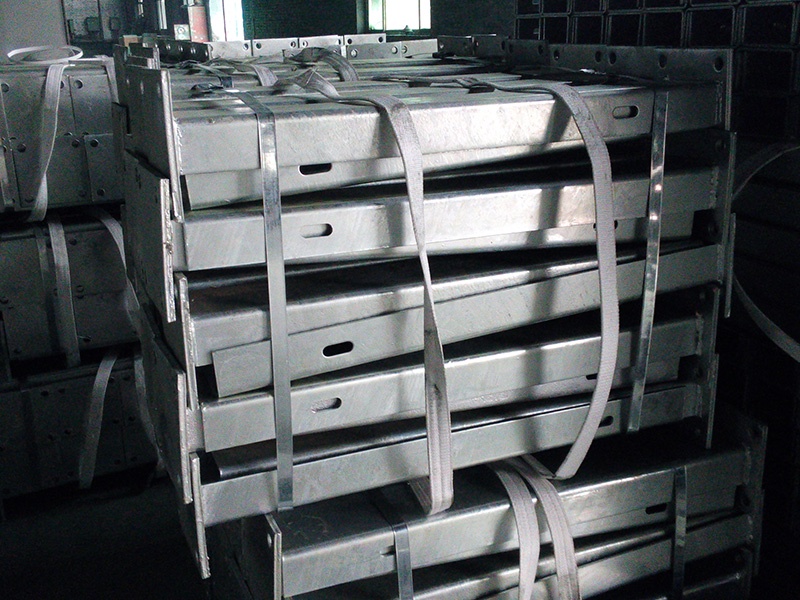
Typical manufacturing steps that improve consistency include rust removal, shot peening, non-destructive testing, galvanizing, and painting where required.
These steps matter because visible finish quality alone does not guarantee structural performance. The real test is whether the barrier keeps its behavior under impact and weather exposure.
This is where solutions such as Norway Guardrail can be relevant for high-risk sections connected to urban corridors or transition zones.
Choosing the Right Barrier Solution for Constrained Streets
Not every street needs the same profile, post spacing, or surface treatment. The right Urban Safety Barrier should match the site’s operational pressure.
For example, sections near ramps, bridge entries, and hazardous alignments usually need stronger impact response and better vehicle guidance behavior.
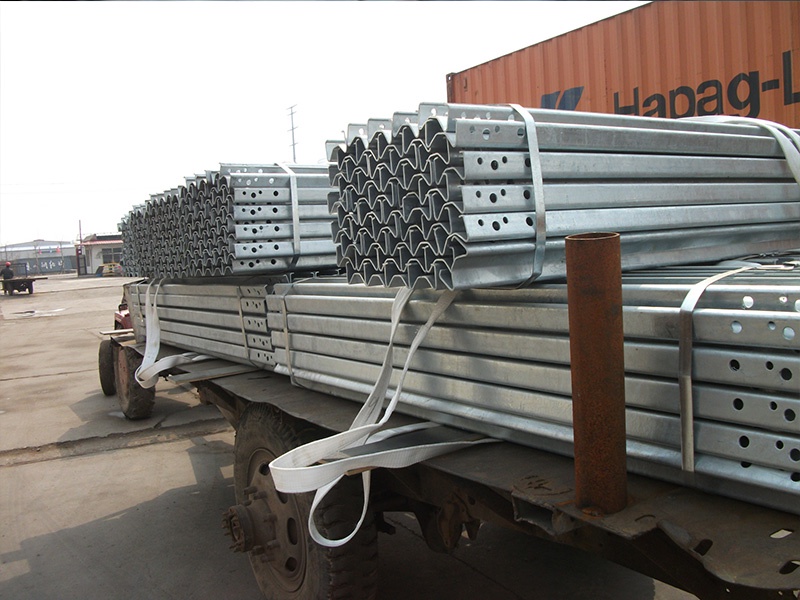
A wave-shaped steel system can help absorb collision energy and steer vehicles back toward their intended path, reducing secondary crash risk.
When export-grade compliance is required, certified options aligned with U.S. AASHTO M180 or Brazil’s ANBT standards support cross-market project confidence.
In addition, hot-dip galvanized coatings are especially useful where service life expectations exceed 20 years and corrosion resistance cannot be compromised.
For mixed networks that include highways and hazardous road sections, a product like Norway Guardrail can fit broader corridor safety planning without forcing a separate procurement path.
A Practical Delivery Framework for Urban Projects
The most effective Urban Safety Barrier projects follow a simple but disciplined workflow from concept to site handover.
- Define risk zones and performance targets by street segment
- Confirm drawings, dimensions, and utility conflicts early
- Select coating, test requirements, and compliance standards
- Lock fabrication details before traffic control planning
- Sequence installation to minimize lane occupation time
- Inspect anchors, alignment, finish, and connection accuracy
This approach reduces rework and makes procurement decisions easier to defend. It also helps teams compare options using performance and lifecycle value, not just unit price.
More importantly, it turns Urban Safety Barrier planning into a project control tool, not a late-stage material purchase.
Common Risks and How to Avoid Them
Several issues repeatedly weaken barrier performance on dense streets. Most of them start in coordination, not in the factory.
- Using standard layouts where utility congestion requires custom detailing
- Ignoring deflection needs in narrow roadside spaces
- Choosing coatings without considering pollution and moisture exposure
- Treating installation as separate from manufacturing tolerances
- Buying only on price without checking testing and certification depth
The fix is straightforward. Bring fabrication, compliance, and site installation into the same review cycle before issuing final quantities.
That step alone often improves schedule certainty and gives the Urban Safety Barrier system a better fit with real street conditions.
Final Planning Takeaway
Urban Safety Barrier planning works best when safety, manufacturability, and installation are considered together from the beginning.
For dense streets, the strongest solution is usually a customized steel barrier program backed by design support, controlled production, and verified quality.
When project teams define risks early, align drawings with fabrication, and select durable certified systems, urban corridors become safer and easier to manage over time.
The next practical step is to review your street sections, hazard points, and performance targets together, then match them with a barrier design that can be manufactured and installed without compromise.
Leave A Reply
Need More Details?
Contact me for details on creating and managing design projects, project features, and services and prices
consult
Our company was established in 1998. It‘s a Chinese pioneer enterprise integrating production and sales, committed to providing high-quality steel products to customers at home and abroad.

First class quality service and professional after-sales team.
Get in Touch
*We respect your confidentiality and all information are protected.