






NEWS
Categories List
Recent Posts
 Netherlands Client Delegation Visits Our Factory to Advance European Highway Guardrail CooperationOct 10, 2026
 AASHTO M180 Guardrail Requirements: A Practical Guide to Material ComplianceOct 10, 2026
 Port Safety Barriers: Selecting Protection for Vehicle Lanes and Loading AreasOct 10, 2026
Impact Attenuator Selection: Fixed vs Redirective Systems
Choosing the right Impact Attenuator is critical for balancing crash performance, site limits, maintenance needs, and lifecycle cost.
This guide compares fixed and redirective systems in practical terms for highway project evaluation and long-term roadside safety planning.
In real projects, the best answer rarely comes from unit price alone.
A sound Impact Attenuator decision depends on impact angle, available width, recovery time, repair access, and compliance targets.
What Fixed and Redirective Systems Actually Do
A fixed Impact Attenuator is designed mainly for head-on crash energy absorption.
It usually works best where side hits are unlikely or where shielding geometry limits angled vehicle contact.
A redirective Impact Attenuator absorbs frontal energy and also guides an errant vehicle away during side-angle impacts.
That added function can improve performance near gore areas, ramp terminals, and exposed roadside hazards.
The difference sounds simple, but the site context changes everything.
If traffic approach angles vary, redirective performance often becomes a key decision factor.
When a Fixed Impact Attenuator Makes More Sense
Fixed systems are often selected for narrow sites with predictable approach paths.
They can be a practical fit at toll islands, median noses, or barrier ends with low side-hit exposure.
Their advantages usually include simpler geometry, easier understanding of crash function, and lower initial procurement cost.
- Limited installation footprint
- Straightforward maintenance planning
- Suitable for head-on protection priorities
- Often easier budget approval for basic applications
Still, the limitation is clear.
If a vehicle is likely to strike from the side, a fixed system may not provide the desired redirection behavior.
When a Redirective Impact Attenuator Is the Better Choice
Redirective systems are usually preferred where traffic patterns create meaningful side-impact risk.
This is common at interchange ramps, lane splits, temporary alignments, and high-speed transition zones.
A redirective Impact Attenuator can reduce secondary collision risk by controlling vehicle path after contact.
That matters when adjacent structures, workers, or active lanes increase consequence severity.
- Better suited for oblique impact scenarios
- Useful near high-exposure roadside objects
- Can support broader safety objectives across varied traffic movements
- Often chosen where operational risk outweighs higher upfront cost
The tradeoff is that redirective systems may require more careful alignment, anchoring review, and post-impact repair planning.
Key Evaluation Criteria Before You Decide
For technical evaluation, it helps to compare both options against the same decision framework.
Look beyond the crash test headline.
Check transition compatibility, foundation details, corrosion protection, and replacement part availability.
That is where many selection mistakes become expensive later.
Why Manufacturing Quality Changes Field Performance
An Impact Attenuator only performs as intended when manufacturing quality is controlled from start to finish.
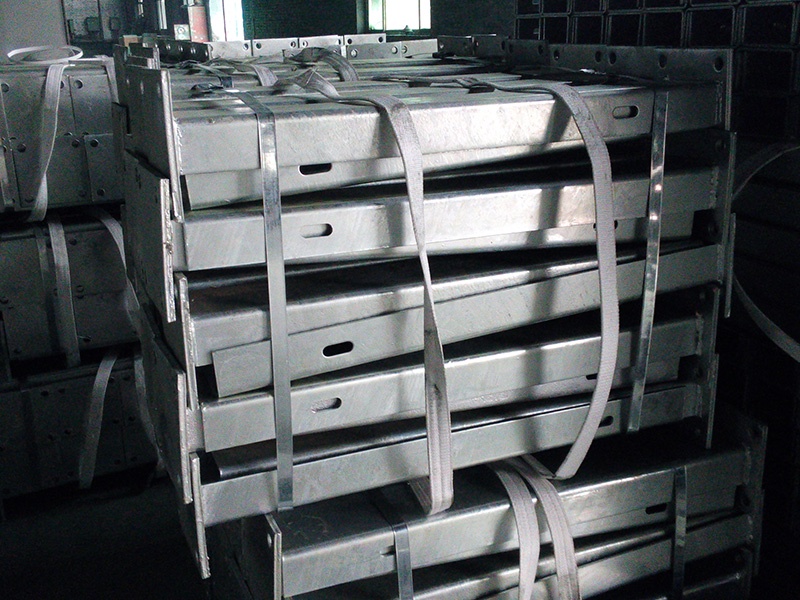
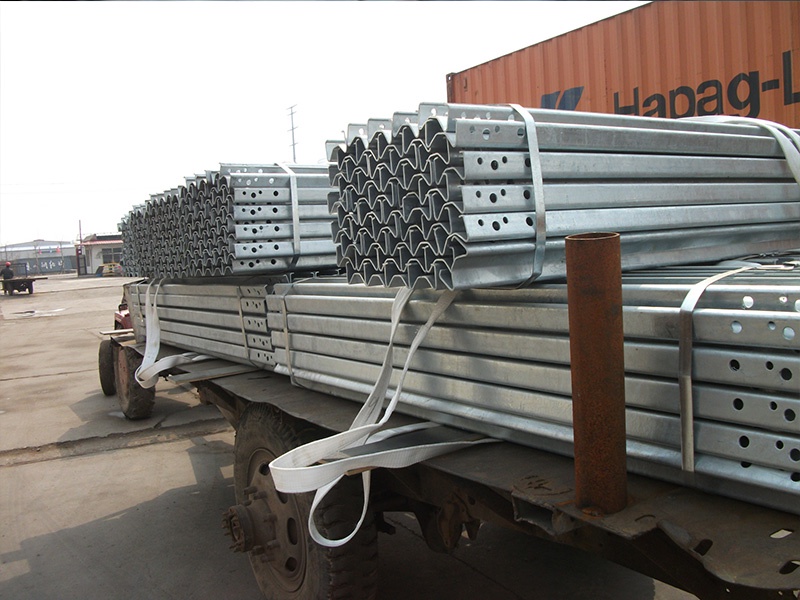
For highway guardrails and steel products, process discipline directly affects fit-up, durability, and replacement reliability.
Important steps include drilling, bending, rust removal, shot peening, non-destructive testing, galvanizing, and painting.
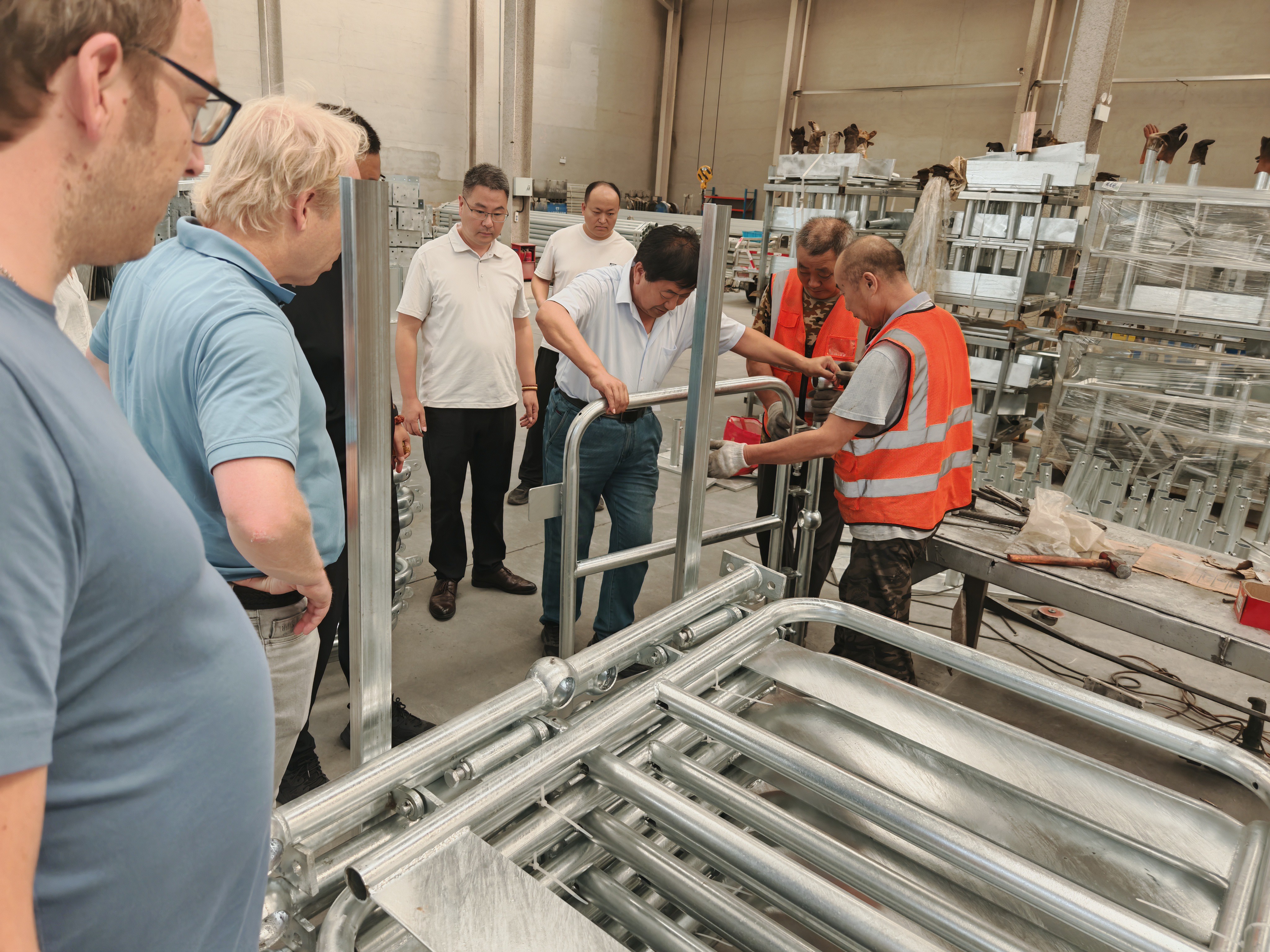
Projects also benefit when the supplier can support quotation, design, manufacturing, and installation coordination.
That makes it easier to match production to your drawings or refine details from a project plan.
In some assemblies, related components such as Spring Steel Buffers can also support broader roadside system performance.
A Practical Selection Process for Highway Projects
- Define the hazard and likely vehicle approach angles.
- Confirm speed environment, lane geometry, and working width limits.
- Review crashworthiness criteria and local specification requirements.
- Compare repair frequency, spare parts access, and crew response time.
- Estimate total cost across installation, inspection, repair, and downtime.
- Verify supplier capability to manufacture accurately from plans or drawings.
This process keeps the Impact Attenuator decision tied to real operating conditions instead of assumptions.
It also helps justify procurement decisions when stakeholders ask why one system was chosen over another.
Final Decision Guidance
Choose a fixed Impact Attenuator when frontal protection is the main need and side-hit exposure is low.
Choose a redirective Impact Attenuator when angled impacts are credible and the consequence of vehicle redirection failure is high.
The strongest evaluations combine crash function, site geometry, maintenance reality, and manufacturing quality in one decision.
If your project involves custom steel fabrication, detailed drawings, or integrated roadside components, align early with a manufacturer that can execute to specification.
That approach leads to a more reliable Impact Attenuator selection and fewer surprises after installation.
Leave A Reply
Need More Details?
Contact me for details on creating and managing design projects, project features, and services and prices
consult
Our company was established in 1998. It‘s a Chinese pioneer enterprise integrating production and sales, committed to providing high-quality steel products to customers at home and abroad.

First class quality service and professional after-sales team.
Get in Touch
*We respect your confidentiality and all information are protected.