






NEWS
Categories List
Recent Posts
 Netherlands Client Delegation Visits Our Factory to Advance European Highway Guardrail CooperationOct 10, 2026
 AASHTO M180 Guardrail Requirements: A Practical Guide to Material ComplianceOct 10, 2026
 Port Safety Barriers: Selecting Protection for Vehicle Lanes and Loading AreasOct 10, 2026
Road Work Safety depends on more than cones and caution tape. In transportation projects, safe traffic flow begins with barriers that can absorb impact, signs that drivers understand at a glance, and installation quality that holds up under real conditions.
That matters on busy highways, bridge approaches, median openings, and temporary diversions. A work zone is a moving risk environment, and small failures in visibility, layout, or structural protection can quickly become major incidents.
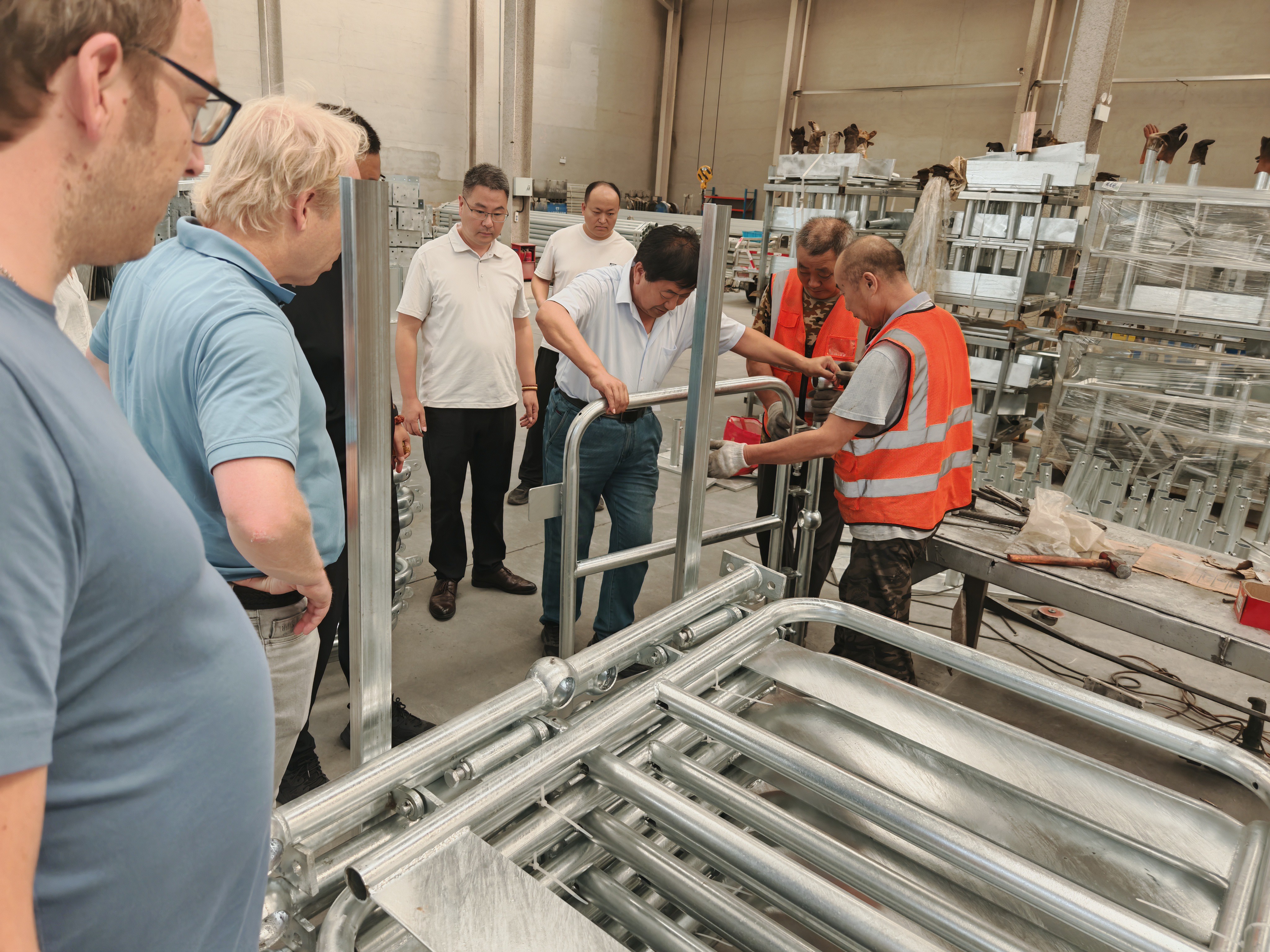
Road Work Safety also has a manufacturing side. Guardrails and related steel products must match project drawings, traffic conditions, and site exposure, while fabrication, surface treatment, and installation all influence field performance.
Why road work zones demand a system view
A work zone is not a single product. It is a coordinated system of protection, warning, and guidance. Drivers need early notice, operators need separation, and vehicles need controlled paths through changing road geometry.
Road Work Safety improves when these elements support each other. A clear sign loses value if the lane taper is confusing. A strong barrier helps less if it is installed in the wrong location or with poor alignment.
This is why transportation projects usually assess traffic speed, lane width, sight distance, work duration, and roadside hazards together rather than in isolation.
Barriers are the physical backbone
Barriers create the most direct layer of protection. They separate live traffic from active work areas and reduce the chance that an errant vehicle reaches people, equipment, or exposed structures.
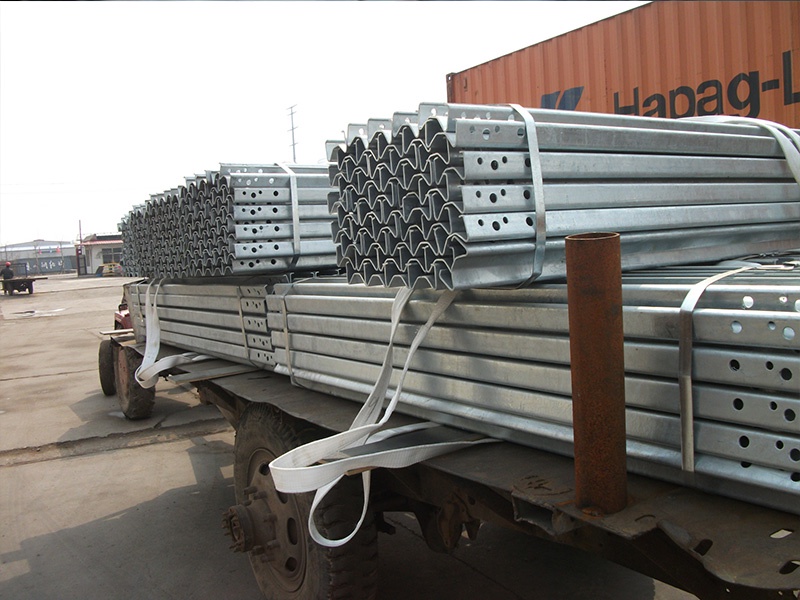
In permanent or semi-permanent applications, steel guardrail systems remain a practical choice because they combine strength, controlled deformation, and manageable installation. Their performance, however, depends heavily on material quality and manufacturing precision.
For projects with specific drawings or unusual layouts, custom production often becomes necessary. Drilling, bending, rust removal, shot peening, non-destructive testing, galvanizing, and painting all contribute to consistency and service life.
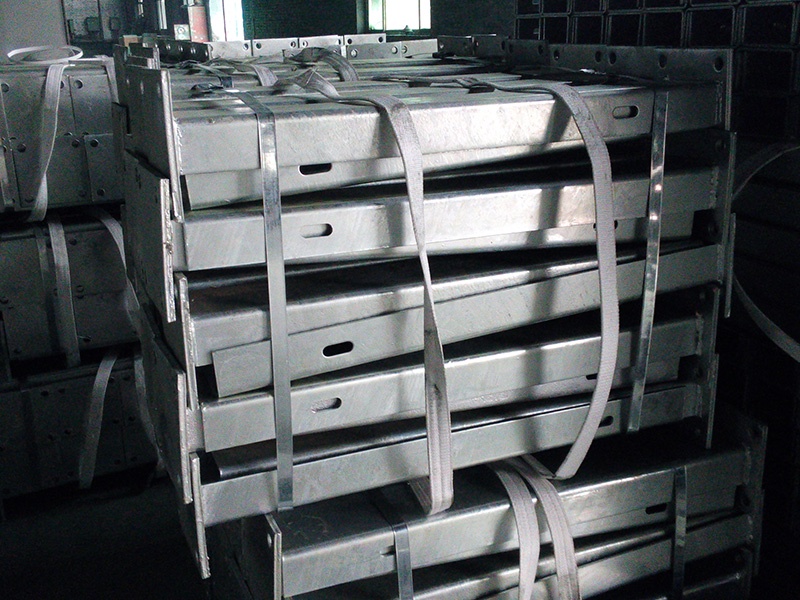
In critical sections, reinforced components may be selected to improve crash performance. One example is Hanging Plate, often used in highway safety systems, bridge sections, median strip openings, pier protection zones, and ramp divergences.
What makes a barrier suitable
- Adequate stiffness for the road class and expected impact conditions
- Reliable deformation behavior instead of brittle failure
- Corrosion protection suited to coastal, humid, or high-salt-fog environments
- Compatibility with the project’s alignment, terminals, posts, and transition sections
Where guidance performance and structural stability are especially demanding, components made from high-quality hot-rolled steel plates can offer higher stiffness, higher impact resistance, and minimal deformation after collision loading.
Signs do more than warn
Signs shape driver behavior before a barrier ever comes into play. Good work zone signing gives enough time to reduce speed, change lanes, and understand what is happening ahead without hesitation.
Road Work Safety usually weakens when signs are placed too late, crowded with messages, or inconsistent from one stage to the next. Drivers then react abruptly, which increases side-swipe and rear-end risk.
Visibility is equally important. Reflective surfaces, warning colors, and clean presentation help signs remain legible in rain, dust, and low light. In some steel safety accessories, powder coatings in colors such as yellow or green also support visual guidance.
Safer traffic flow is planned, not improvised
Traffic flow through a work zone should feel predictable. That usually means gradual tapers, readable lane shifts, controlled merging points, and enough recovery space around equipment and temporary hazards.
In practice, Road Work Safety planning often focuses on three questions: where traffic must go, where traffic must not go, and what drivers need to understand before they arrive.
Where material and fabrication quality matter most
Not every project faces the same demands. Coastal highways, bridge approaches, and high-speed ramp divergences place more stress on safety hardware than low-speed, short-duration maintenance zones.
That is where service life and structural consistency become practical concerns. Zinc-aluminum-magnesium coatings and well-controlled surface finishing can support durability for more than 30 years in harsh salt-fog exposure.
The same logic applies to fabrication accuracy. When a supplier can work from a plan or from detailed drawings, the result is easier fit-up on site, more reliable installation, and fewer compromises during assembly.
This reduces the gap between design intent and field reality, which is central to Road Work Safety on complex transportation jobs.
A practical way to review a work zone setup
A useful review starts with exposure rather than products. Look at traffic speed, traffic volume, fixed-object hazards, available shoulder space, and how often the layout will change.
- Check whether barriers are matched to likely impact conditions
- Confirm that signs are visible before the decision point
- Review transitions at ramps, medians, and bridge sections carefully
- Verify coating, corrosion protection, and installation details for the site environment
- Compare supplied components against drawings and field tolerances
In high-risk locations, even a specialized detail such as a second Hanging Plate selection can make sense when stronger guidance and crash resistance are needed.
Moving from compliance to confidence
Road Work Safety is strongest when planning, manufacturing, and installation are treated as one chain. Barriers, signs, and traffic flow plans should not merely satisfy a checklist. They should fit the actual road, the actual hazard, and the actual operating conditions.
A sensible next step is to review current work zone layouts against site-specific risks, then compare the required performance with the steel products, coatings, and fabrication methods being specified. That creates a clearer basis for safer decisions and longer-lasting infrastructure.
Leave A Reply
Need More Details?
Contact me for details on creating and managing design projects, project features, and services and prices
consult
Our company was established in 1998. It‘s a Chinese pioneer enterprise integrating production and sales, committed to providing high-quality steel products to customers at home and abroad.

First class quality service and professional after-sales team.
Get in Touch
*We respect your confidentiality and all information are protected.