






NEWS
Categories List
Recent Posts
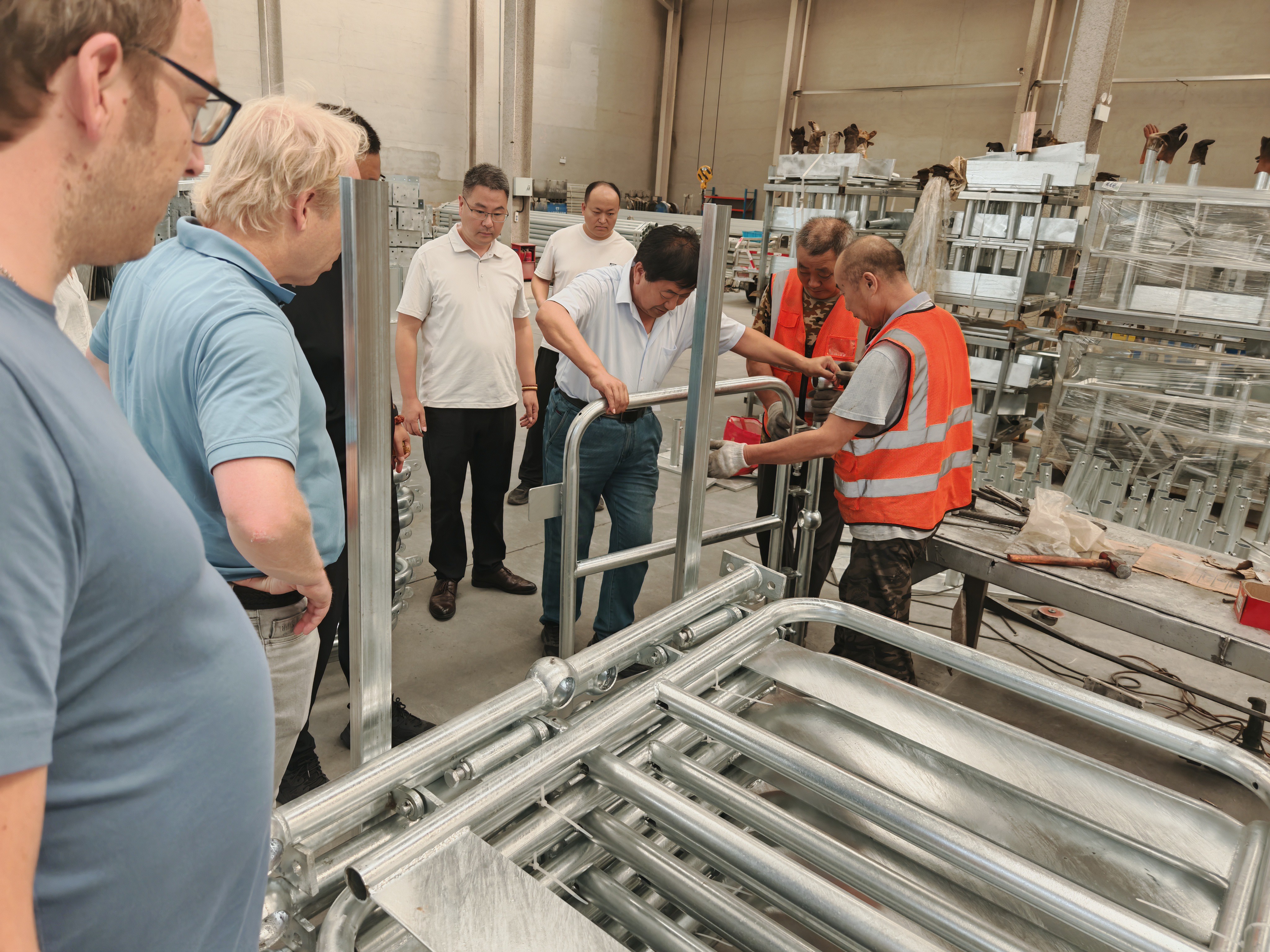
 Netherlands Client Delegation Visits Our Factory to Advance European Highway Guardrail CooperationOct 10, 2026
 AASHTO M180 Guardrail Requirements: A Practical Guide to Material ComplianceOct 10, 2026
 Port Safety Barriers: Selecting Protection for Vehicle Lanes and Loading AreasOct 10, 2026
Highway Guardrail Buying Guide: Specs That Change Total Cost
Buying a Highway Guardrail is not only about unit price. The real cost sits inside the specification sheet, compliance needs, and site conditions.
A lower quote can become expensive after coating upgrades, thicker steel, custom drilling, or installation constraints are added.
That is why smart purchasing starts with total project cost, not just the price per meter.
This guide explains which Highway Guardrail specs move cost the most, and how to compare offers without missing hidden risks.
1. Steel Grade And Thickness Directly Affect Price
Steel is one of the largest cost drivers in any Highway Guardrail purchase.
When thickness increases, material weight rises fast. Even a small change in gauge can reshape the entire budget.
Higher steel grades also raise price, but they often improve impact performance, forming stability, and service life.
In practical purchasing, the key question is simple: what level of performance does the road actually require?
- Thicker rail beams usually cost more in steel, freight, and handling.
- Special steel grades may improve crash resistance and forming accuracy.
- Over-specifying can waste budget without adding real project value.
A balanced Highway Guardrail specification should match road speed, traffic mix, and local compliance standards.
2. Coating System Changes Long-Term Cost More Than Many Buyers Expect
Corrosion protection is where low upfront pricing often creates high lifetime expense.
For Highway Guardrail systems, hot-dip galvanizing remains a common choice because it performs well in harsh outdoor conditions.
Still, coating thickness, galvanizing quality, and surface preparation all matter. A weak coating can shorten replacement cycles dramatically.
This becomes more important in coastal zones, industrial areas, and roads with heavy rain or de-icing exposure.
Manufacturing steps such as rust removal, shot peening, galvanizing, and painting are not small details. They shape durability and maintenance cost.
If service life is a procurement priority, coating specifications deserve the same attention as base steel price.
3. Standards And Testing Requirements Can Expand Scope Quickly
A Highway Guardrail that meets one market requirement may not fit another project without modification.
Compliance with national or project-specific standards affects material selection, dimensions, hole positions, and inspection procedures.
Non-destructive testing, traceability documents, and third-party inspection can also raise cost, but they reduce acceptance risk later.
From a purchasing view, this is usually a good trade when delays or rework would be expensive.
4. Custom Design And Fabrication Often Create Hidden Cost
Standard Highway Guardrail systems are usually more cost-efficient than custom versions.
Once a project needs special lengths, unique bending, non-standard hole patterns, or matching to site drawings, production becomes less straightforward.
That means more setup time, tighter quality checks, and sometimes lower manufacturing efficiency.
This is where supplier capability matters. A manufacturer that can quote, design, produce, and support installation usually handles complexity with fewer delays.
If the project is based on your drawings, confirm tolerances, drilling positions, bending details, and coating requirements before production starts.
5. Installation Conditions Should Be Reviewed Before Ordering
A Highway Guardrail quote can look competitive until site realities enter the picture.
Difficult terrain, remote delivery points, limited access, and foundation conditions can all increase total installed cost.
Posts, spacers, terminals, and fasteners should be checked as a full system, not as isolated parts.
This also means installation planning should happen early, especially for highways and hazardous road sections.
- Confirm whether the quote includes accessories and connection hardware.
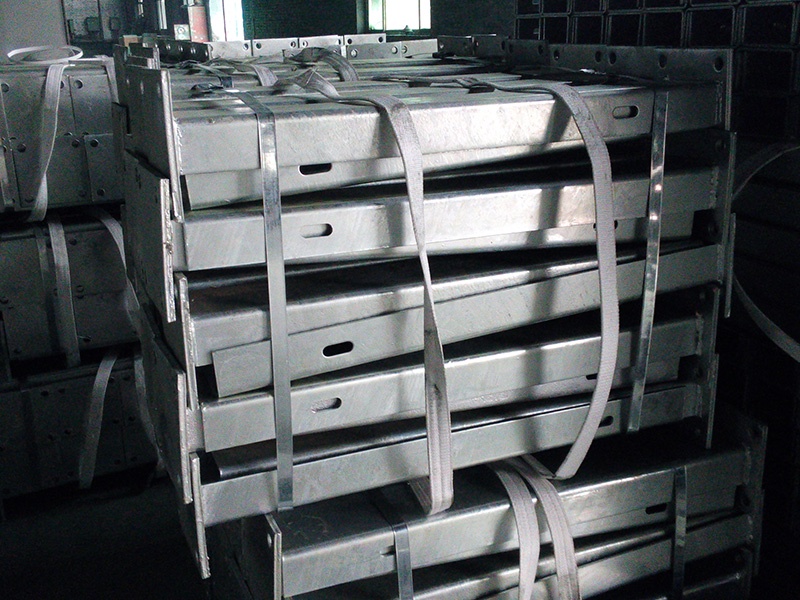
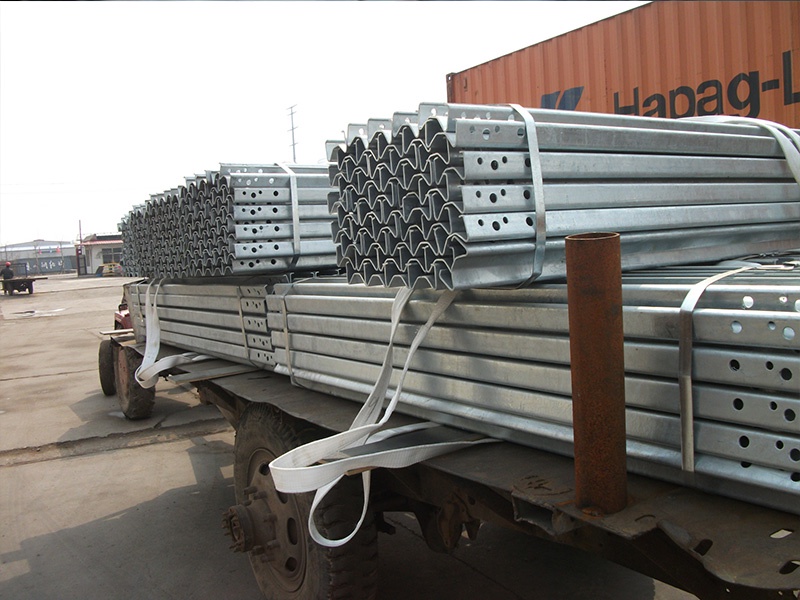
- Check transport packaging for long-distance or export delivery.
- Review installation method against local equipment and labor availability.
6. Product Fit Matters More Than Lowest Price
In many projects, a well-matched standard product offers the best value.
One example is AASHTO M180 Guardrail, used on highways and hazardous road sections.
Its wave-shaped design helps absorb impact energy and guide vehicles back toward their normal path.
For buyers comparing long-term value, features like hot-dip galvanized coating, international standard compliance, and a service life above 20 years can change the cost equation.
The point is not to chase one model blindly. It is to compare performance, compliance, and maintenance together.
7. A Better Highway Guardrail RFQ Saves Time And Money
Many pricing gaps come from incomplete inquiry documents, not supplier differences alone.
A clear RFQ makes Highway Guardrail offers easier to compare and reduces change orders later.
- Define the required standard and application environment.
- Specify rail profile, thickness, coating, and accessories.
- Provide drawings when custom fabrication is needed.
- Ask for testing scope, lead time, and installation support details.
- Request a total cost breakdown, not only unit pricing.
When the specification is clear, the buying decision becomes faster, cleaner, and less risky.
Final Takeaway
The best Highway Guardrail purchase is rarely the cheapest line item.
Steel grade, thickness, coating, compliance, fabrication detail, and installation conditions all shape the final number.
A practical review of these specs helps control cost without weakening safety or durability.
Before placing the order, compare suppliers on full-service capability, drawing support, manufacturing quality, and total lifecycle value. That is where better procurement decisions usually start.
Leave A Reply
Need More Details?
Contact me for details on creating and managing design projects, project features, and services and prices
consult
Our company was established in 1998. It‘s a Chinese pioneer enterprise integrating production and sales, committed to providing high-quality steel products to customers at home and abroad.

First class quality service and professional after-sales team.
Get in Touch
*We respect your confidentiality and all information are protected.