






NEWS
Categories List
Recent Posts
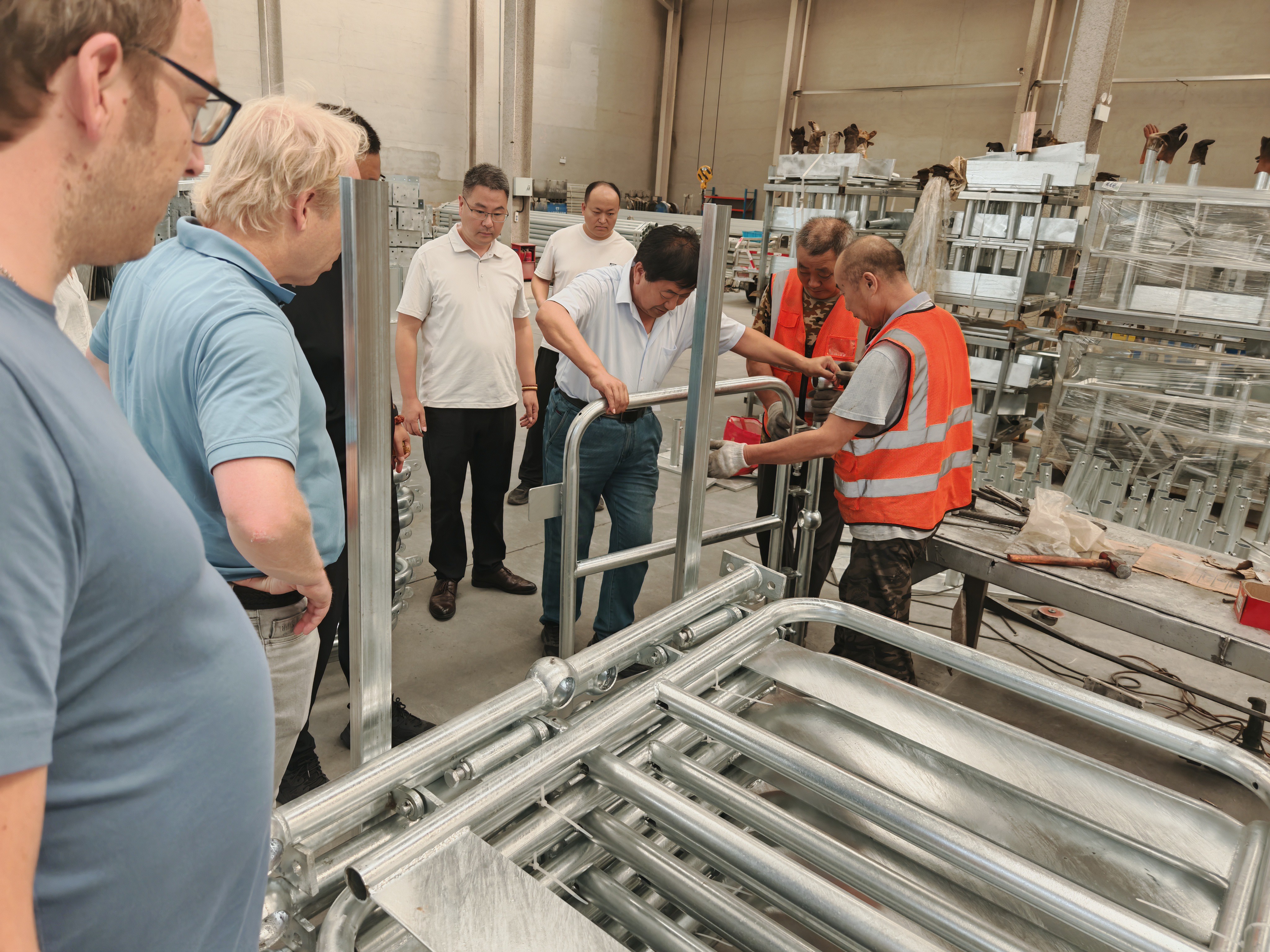
 Netherlands Client Delegation Visits Our Factory to Advance European Highway Guardrail CooperationOct 10, 2026
 AASHTO M180 Guardrail Requirements: A Practical Guide to Material ComplianceOct 10, 2026
 Port Safety Barriers: Selecting Protection for Vehicle Lanes and Loading AreasOct 10, 2026
Road Safety Barrier System Options for Curves, Medians, and Exits
Choosing the right Road Safety Barrier System for curves, medians, and exits affects both safety outcomes and project delivery.
These locations see changing speeds, limited recovery space, and higher crash severity.
That means barrier selection cannot rely on standard details alone.
In practice, a Road Safety Barrier System must match geometry, soil conditions, impact exposure, and maintenance expectations.
The most effective approach combines compliant design, precise manufacturing, and installation support from the start.
Why Curves, Medians, and Exits Need Different Barrier Strategies
A Road Safety Barrier System performs differently depending on where it is installed.
On curves, vehicles often hit at angles that increase rail deflection and post loading.
In medians, the main concern is crossover prevention and redirection in limited space.
At exits, the barrier must protect gore areas, shield obstacles, and manage transition zones cleanly.
More importantly, each zone has different construction tolerances and traffic management constraints.
- Curves need controlled deflection and stable alignment.
- Medians need strong containment within narrow footprints.
- Exits need smooth transitions and reliable hazard shielding.
This is why a Road Safety Barrier System should be evaluated by application, not by product label alone.
How to Select the Right Road Safety Barrier System
Selection starts with site data, not with a catalog.
Review design speed, roadside hazards, shoulder width, embankment slope, and expected impact conditions.
Then confirm the required containment level and working width.
A practical Road Safety Barrier System decision usually depends on five points.
- Crash performance under local standards and project specifications.
- Durability in coastal, wet, or high-corrosion environments.
- Ease of fabrication for radius sections, terminals, and transitions.
- Installation speed during limited lane closure windows.
- Lifecycle cost, including repair frequency and replacement logistics.
From a delivery standpoint, custom manufacturing can reduce field modification and shorten installation time.
That matters when schedules are tight and rework creates traffic disruption.
Recommended Applications by Road Section
Curved Sections
Curves often require a Road Safety Barrier System with consistent rail geometry and dependable post spacing.
If the radius is tight, fabricated bending accuracy becomes critical.
Poor fit can create alignment stress, weak joints, and uneven redirection performance.
Median Protection
For medians, the Road Safety Barrier System must control crossover risk without consuming too much space.
Engineers usually focus on dynamic deflection, vehicle redirection, and maintenance access.
A durable galvanized system is often preferred where exposure and repair cycles are severe.
Exit Ramps and Gore Areas
Exits bring fast decision points and abrupt path changes.
Here, a Road Safety Barrier System must support clean transitions, terminal compatibility, and accurate placement around fixed objects.
Missed tolerances at exits often lead to installation delays and future repair issues.
Material and Manufacturing Factors That Change Performance
Barrier performance is not only about drawings.
Production quality directly affects how a Road Safety Barrier System behaves in service.
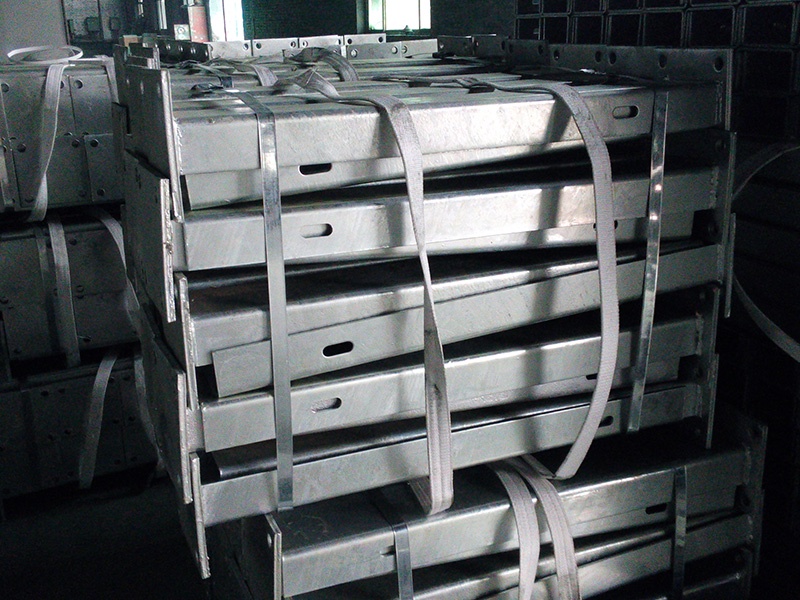
Key processes include drilling precision, bending control, rust removal, shot peening, non-destructive testing, galvanizing, and painting.
These steps improve fit, coating quality, and long-term reliability.
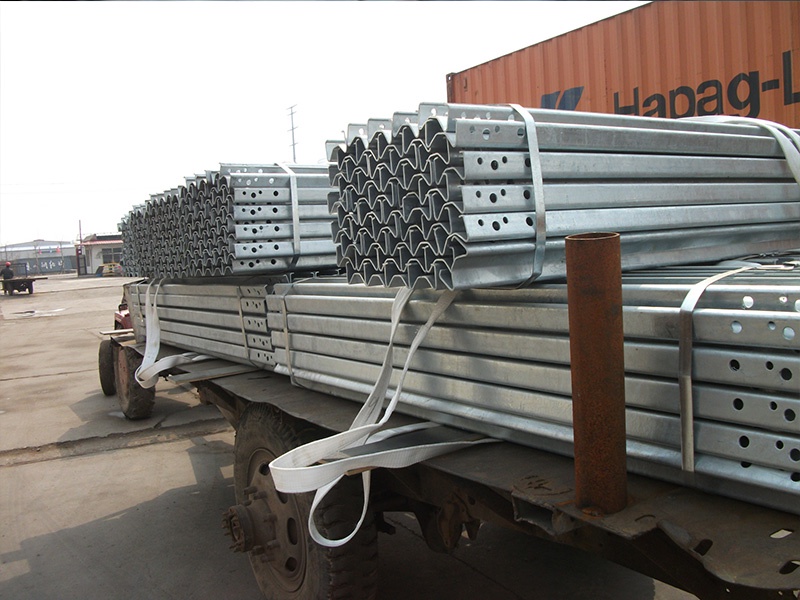
For example, Brazil ABNT 6971 Guardrail is used on highways and hazardous road sections.
Its wave-shaped design helps absorb impact energy and guide vehicles back to their path.
With hot-dip galvanized coating, service life can exceed 20 years in suitable conditions.
Compliance with AASHTO M180 and ABNT-related requirements also supports broader project use.
Common Project Risks and How to Avoid Them
Many barrier issues begin before materials reach the site.
The first risk is unclear geometry for curves and transitions.
The second is choosing a Road Safety Barrier System without checking local soil or foundation conditions.
The third is underestimating corrosion exposure near industrial zones or coastal roads.
- Validate layout data before fabrication starts.
- Confirm standard requirements for rail, posts, and coating.
- Request manufacturing details for curved and custom sections.
- Review installation sequencing with traffic control planning.
- Plan spare components for high-risk impact zones.
A supplier that supports quotation, design, manufacturing, and installation can reduce coordination gaps across these steps.
What a Strong Barrier Supply Partner Should Deliver
A reliable Road Safety Barrier System partner does more than ship steel components.
They should review plans, manufacture to drawings, and adapt production to site-specific needs.
That includes custom drilling, controlled bending, protective finishing, and quality checks before delivery.
In complex highway work, this support helps keep the Road Safety Barrier System aligned with both design intent and field reality.
For curves, medians, and exits, the best solution is usually the one prepared early, manufactured accurately, and installed with fewer surprises.
When barrier selection is tied closely to site conditions, compliance, and fabrication quality, safety performance and project efficiency improve together.
Leave A Reply
Need More Details?
Contact me for details on creating and managing design projects, project features, and services and prices
consult
Our company was established in 1998. It‘s a Chinese pioneer enterprise integrating production and sales, committed to providing high-quality steel products to customers at home and abroad.

First class quality service and professional after-sales team.
Get in Touch
*We respect your confidentiality and all information are protected.