






NEWS
Categories List
Recent Posts
 Netherlands Client Delegation Visits Our Factory to Advance European Highway Guardrail CooperationOct 10, 2026
 AASHTO M180 Guardrail Requirements: A Practical Guide to Material ComplianceOct 10, 2026
 Port Safety Barriers: Selecting Protection for Vehicle Lanes and Loading AreasOct 10, 2026
Why does a Ped Terminal matter at the end of a roadside barrier?
A Ped Terminal is the treatment placed at the end of a guardrail system. Its job is not decorative. It manages impact, controls vehicle redirection, and reduces the danger of a blunt rail ending.
When people research roadside barrier ends, they usually focus on crash safety first. That is the right starting point, because end treatment performance often decides whether a barrier helps or creates another hazard.
In practical highway work, a Ped Terminal also affects installation layout, steel quality requirements, maintenance planning, and compliance review. That is why it is worth understanding before comparing drawings or specifications.
A good system works as part of the full guardrail line, not as an isolated component. The terminal, posts, beam, anchorage, and foundation conditions must perform together under impact.
What does a Ped Terminal actually do during a collision?
The short answer is energy management and vehicle guidance. A Ped Terminal helps reduce crash severity by controlling how the rail end reacts when struck from the front or the side.
In a head-on hit, the system is expected to absorb or dissipate impact energy. In an angled hit, it should help redirect the vehicle instead of allowing severe snagging or penetration.
This is why material consistency matters. Steel thickness, hole accuracy, bending quality, galvanizing, and connection tolerances all influence how the Ped Terminal behaves in real service.
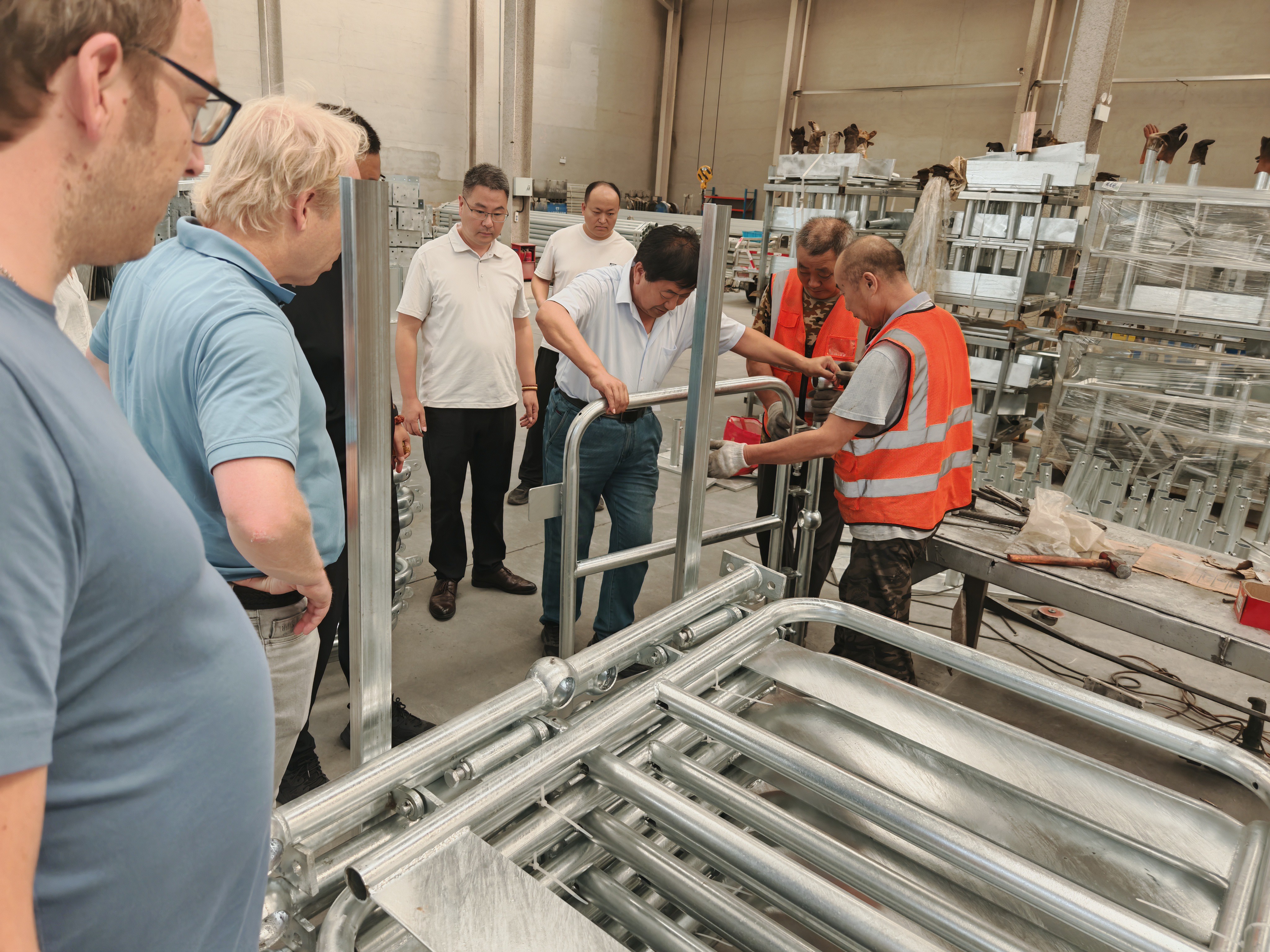
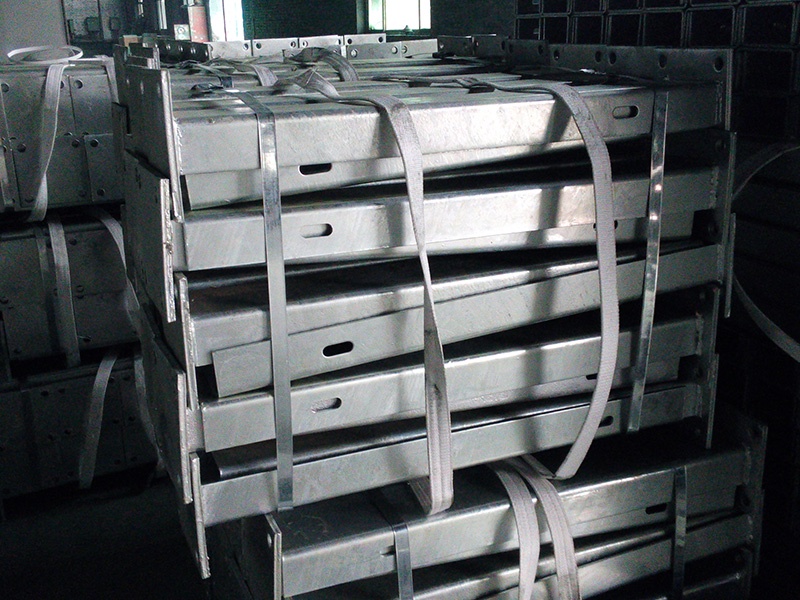
Manufacturing quality is not a side issue here. Processes such as drilling, bending, rust removal, shot peening, non-destructive testing, galvanizing, and painting directly support durability and predictable performance.
Where is a Ped Terminal commonly used, and when is it worth extra attention?
You will usually see a Ped Terminal at highway shoulders, ramps, medians, bridge approaches, and hazardous roadside sections where a continuous barrier cannot simply stop without treatment.
Extra attention is needed where traffic speed is higher, approach angles are less predictable, or roadside space is limited. These conditions place more pressure on geometry, anchoring, and terminal selection.
In some projects, the terminal is paired with barrier systems built to recognized standards. For example, AASHTO M180 Guardrail is commonly discussed for highways and hazardous road sections because the barrier system must work with the end treatment, not against it.
A quick field judgment table
The questions below help narrow down whether a Ped Terminal needs closer review during planning or procurement.
How do you judge whether one Ped Terminal option is suitable?
A common mistake is choosing by appearance or price alone. A better approach is to compare the Ped Terminal against the road environment, barrier type, and fabrication consistency.
Look at these factors together:
- Crashworthiness requirements and applicable standards.
- Compatibility with the selected guardrail profile and post arrangement.
- Steel processing quality, including dimensional accuracy and surface treatment.
- Expected service life, maintenance access, and replacement practicality.
- Whether the design is built to your drawings or adapted from an existing plan.
In real projects, suppliers that support quotation, design, manufacturing, and installation coordination can reduce mismatch between drawings and site conditions. That is especially useful when the Ped Terminal must fit a customized layout.
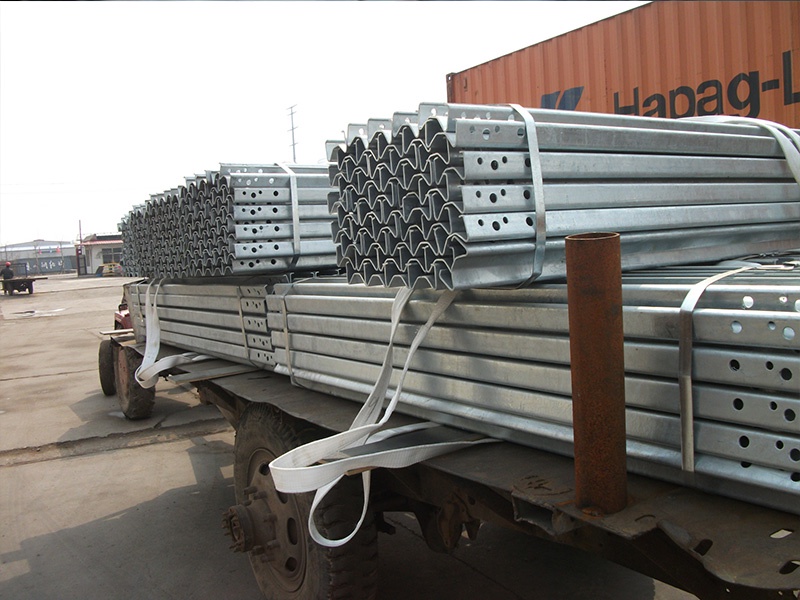
Where long service life matters, a system using hot-dip galvanized steel and tested fabrication processes usually offers a more dependable baseline for roadside durability.
What is often misunderstood about Ped Terminal performance?
One misunderstanding is thinking the terminal alone guarantees safety. In reality, poor installation height, weak foundations, or incompatible rail sections can undermine a well-designed Ped Terminal.
Another issue is assuming all galvanized steel products perform the same. Coating quality, base steel control, and manufacturing discipline make a real difference over years of weather exposure.
It is also easy to overlook how barrier systems work as a corridor safety package. A wave-shaped guardrail profile with reliable impact resistance can improve redirection behavior when properly matched to the terminal.
That is one reason some projects compare terminal layouts alongside systems such as AASHTO M180 Guardrail, which is valued for impact energy absorption, corrosion resistance, and service life that can exceed 20 years under suitable conditions.
Before moving forward, what should you confirm?
Start with the road scenario. Confirm speed environment, hazard type, available space, and whether the Ped Terminal must redirect, absorb energy, or do both within a defined layout.
Then check the technical path. Review drawings, rail compatibility, steel specifications, corrosion protection, and any required standards or local approvals.
Finally, ask practical questions about lead time and execution. Can the supplier manufacture to drawing, verify critical dimensions, and support installation details without leaving site conflicts unresolved?
A clear Ped Terminal evaluation usually comes down to three things: fit for the road, fit for the barrier system, and fit for long-term maintenance. If those points are documented early, later decisions become much easier.
Leave A Reply
Need More Details?
Contact me for details on creating and managing design projects, project features, and services and prices
consult
Our company was established in 1998. It‘s a Chinese pioneer enterprise integrating production and sales, committed to providing high-quality steel products to customers at home and abroad.

First class quality service and professional after-sales team.
Get in Touch
*We respect your confidentiality and all information are protected.