






NEWS
Categories List
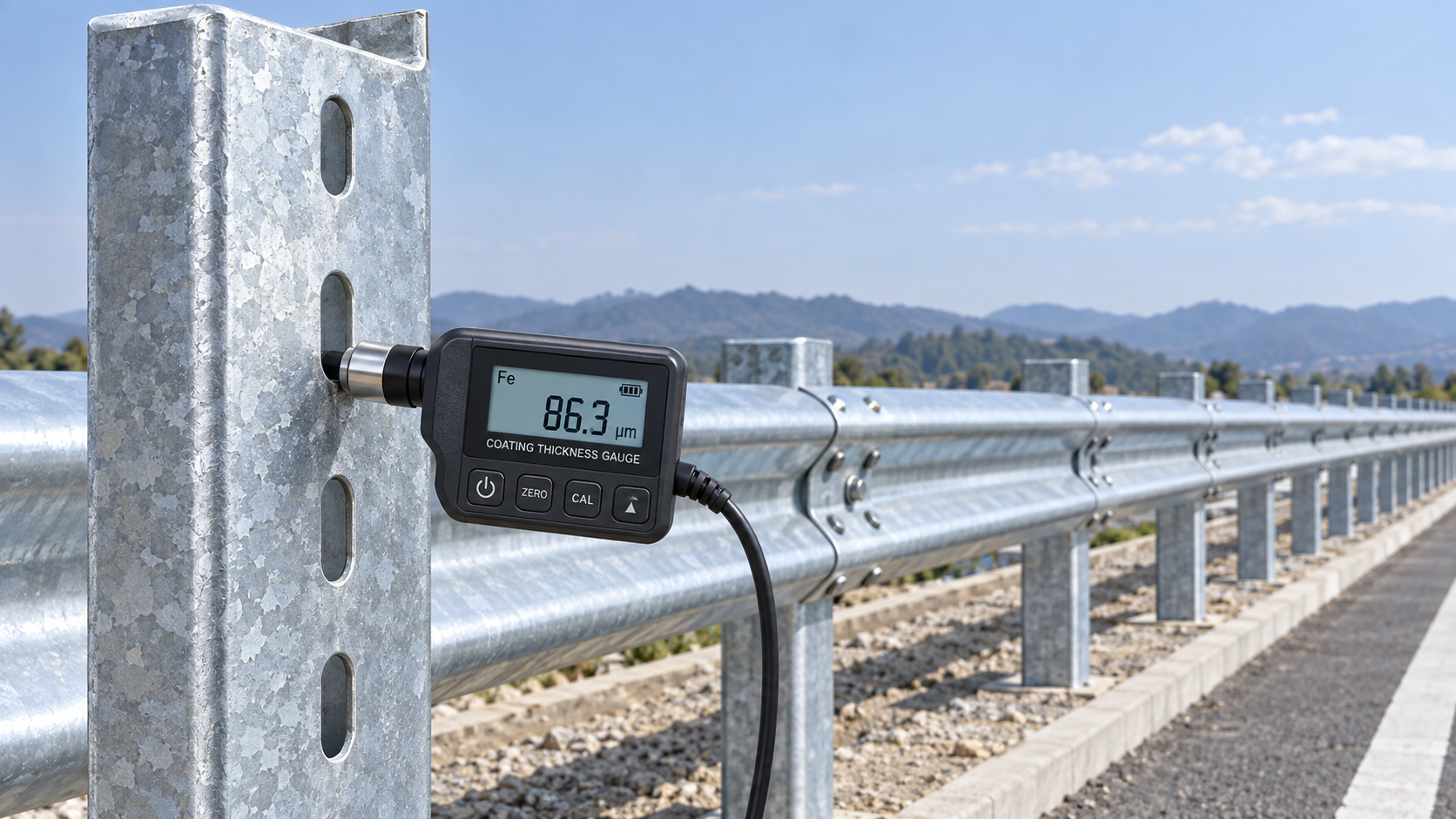
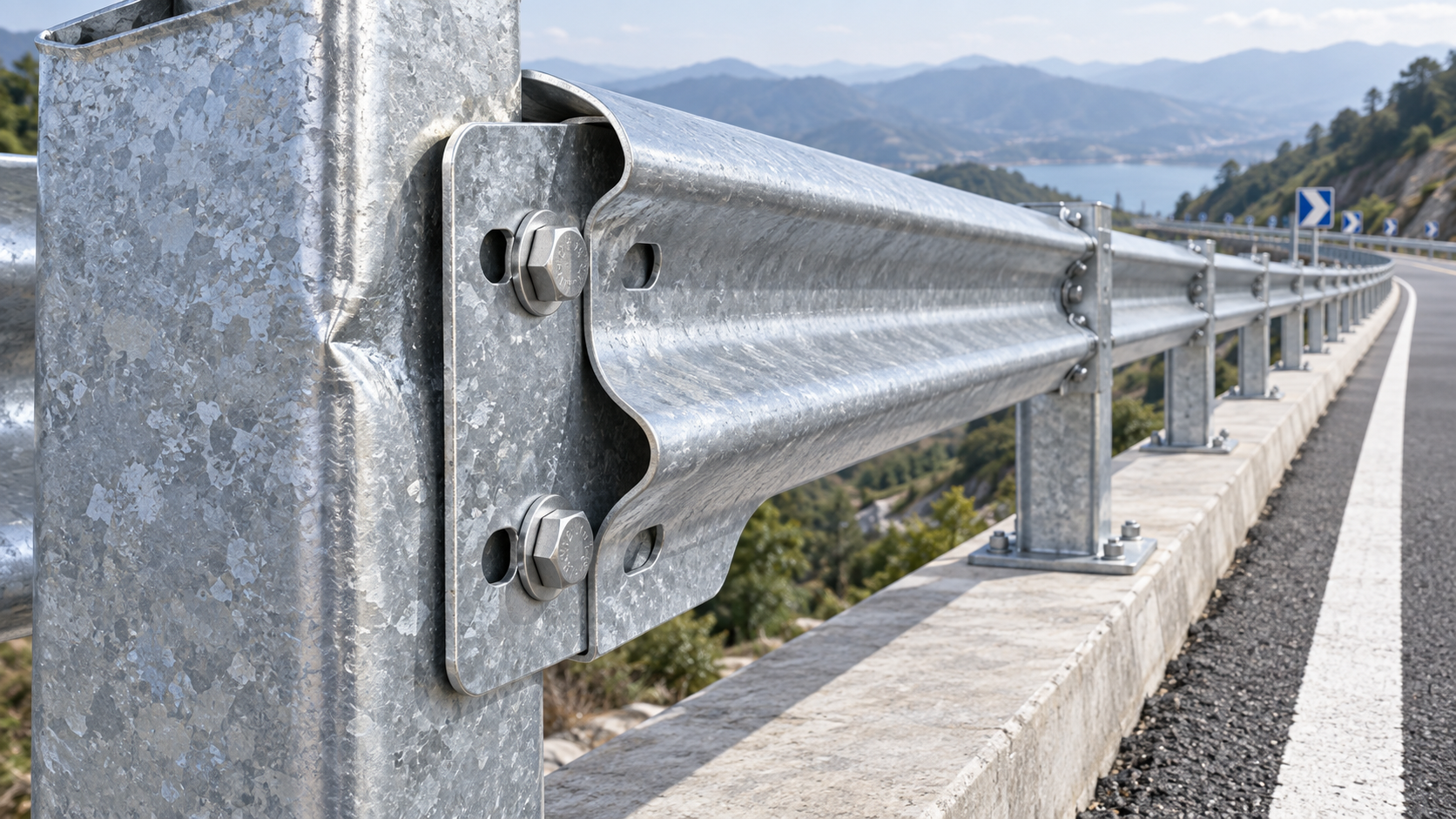
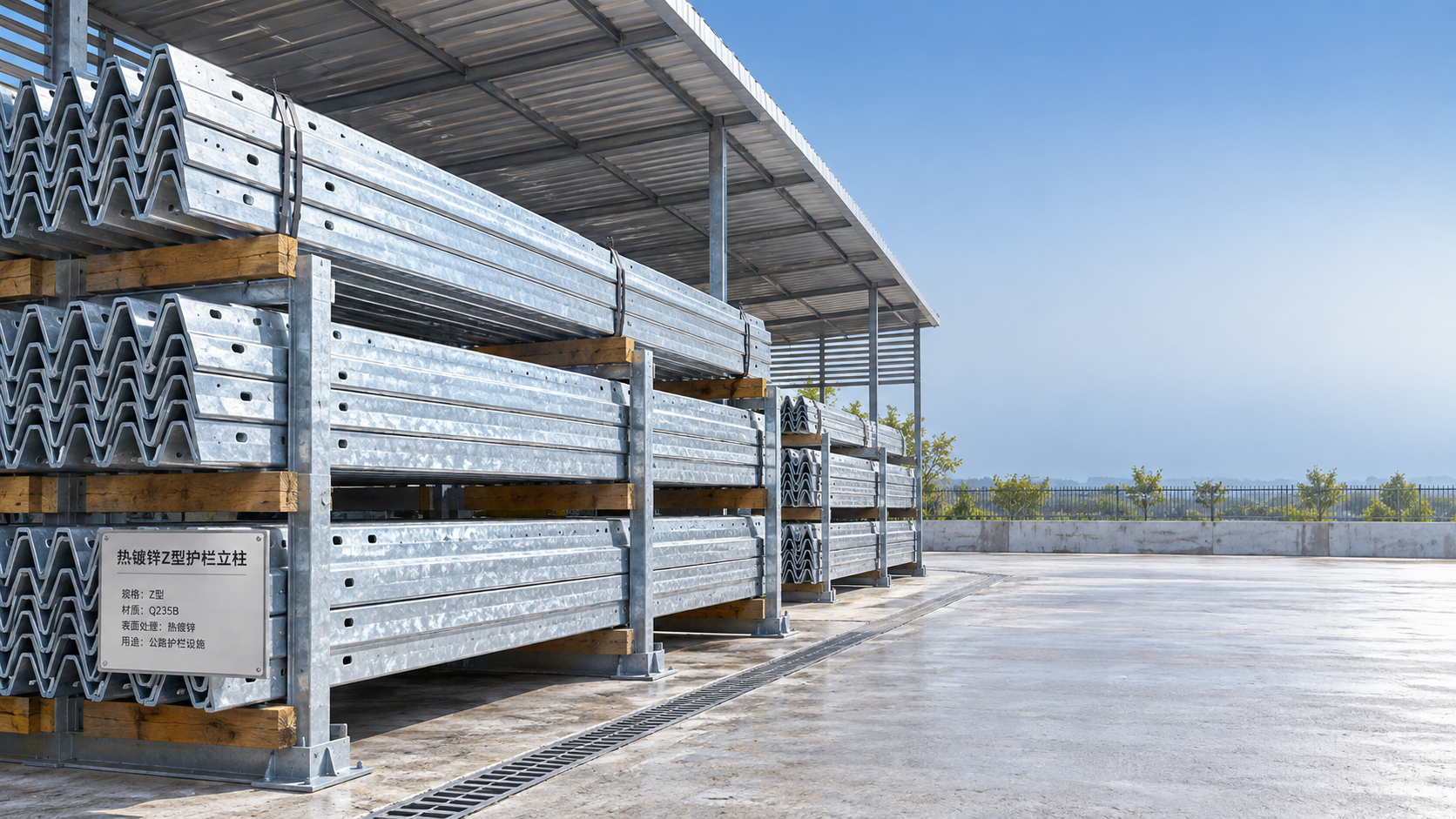
Uneven zinc coverage on a Galvanized Z Post is not automatically a reason for rejection. Hot-dip galvanizing is not a cosmetic paint finish, and posts can show shade variation, spangle differences, drain marks, or localized roughness while still meeting the required coating mass and corrosion-protection standard.
The line is crossed when the variation leaves steel insufficiently protected, creates a likely early corrosion point, affects fit-up during guardrail installation, or falls below the project’s stated coating requirements. For highway guardrail systems, that decision matters. A post may remain hidden behind rails and soil for years, so a small untreated area at a drilled hole, edge, or ground-line zone can become the start of a much larger maintenance issue.
Start with the project requirement, not appearance alone
Before rejecting a shipment, confirm which galvanizing standard and acceptance criteria apply to the contract. Highway projects may refer to ASTM A123/A123M, ISO 1461, EN ISO 1461, a national road authority specification, or a customer-specific drawing note. These documents do not necessarily use identical sampling rules, thickness requirements, repair limits, or definitions of acceptable surface condition.
This is where inspections sometimes go wrong: a quality team sees a dark patch beside a bright zinc surface and assumes the darker area is thin. It may be thicker, not thinner. Steel chemistry, surface condition after pickling, cooling rate, and zinc-iron alloy layer formation can all change the finish. A dull gray area can be sound galvanizing. A bright, smooth-looking area can still be too thin if process control was poor.
The practical rule is simple: reject based on measurable non-conformance or a clearly specified visual defect, not because the coating does not look uniform from several meters away.
What uneven zinc coverage should trigger concern?
A Galvanized Z Post deserves closer inspection when the coating variation appears in areas that are difficult to repair after installation: the post toe, embedded section, punched or drilled holes, sharp bends, weld zones, and interfaces where bolts, spacer blocks, or guardrail components bear against the post.
The following conditions are commonly more serious than normal color variation:
- Visible bare steel, reddish rust, or areas where zinc is clearly absent.
- Thin or discontinuous coating at edges, corners, holes, slots, welds, or formed bends.
- Uncoated patches hidden by zinc ash, white deposits, oil, packaging debris, or temporary touch-up material.
- Heavy zinc runs, spikes, lumps, or sharp drips that prevent the rail, bolt, washer, or bracket from seating correctly.
- Peeling, flaking, cracking, or poor adhesion when the coating is lightly tested in accordance with the applicable inspection procedure.
- Deep pits, trapped residues, or rough inclusions that create exposed steel or reduce the usable section at a critical location.
- Localized coating thickness below the project minimum, even when the average reading across the post appears acceptable.
A rough coating alone is not always rejectable. Excessive reactivity between the steel and molten zinc can produce a thick, matte, or uneven surface. However, if that roughness interferes with assembly, produces fragile high spots, or breaks away during handling, it becomes a functional defect rather than a purely visual one.
Inspect the post in the same way it will work in the field
Z posts are not flat coupons. Their flanges, webs, bends, punched locations, and lower installation area create different galvanizing conditions. Inspection should reflect that geometry. Do not take all coating readings from the easiest broad, flat flange and call the post acceptable.
A sensible receiving inspection begins after packaging is removed and the steel is clean enough to see. Inspect under adequate light. Turn the post rather than judging one face only. Pay particular attention to the transition around bends and welded attachments, because these locations can collect residues before galvanizing or develop coating irregularities after dipping.
Where the specification calls for thickness verification, use a calibrated magnetic coating-thickness gauge suitable for galvanized steel. Record readings at representative locations on each sampled post, including both accessible faces and areas near holes or formed features where practical. Gauge readings should be compared with the applicable standard and the purchase requirement; they should not be judged against a generic number copied from another project.
It is also worth checking whether the apparent defect is repeatable. One isolated patch may indicate a handling mark, contamination, or a localized galvanizing issue. The same thin area appearing on multiple posts from the same production batch suggests a process problem, such as incomplete cleaning, poor racking orientation, inadequate drainage, or inconsistent immersion conditions.
Separate acceptable variation from a rejectable defect
When repair is reasonable—and when it is not
Not every localized defect requires scrapping an entire post. Many galvanizing standards and project specifications allow controlled repair of small damaged or uncoated areas using approved zinc-rich materials, zinc solder, or thermal zinc spray. But “repairable” does not mean “repair without documentation.” The permitted method, repaired-area limit, surface preparation, dry-film thickness where relevant, and inspection record should all follow the governing requirement.
A repair should not become a way to hide systematic poor galvanizing. If a batch contains repeated bare spots, widespread thin coating, or patching around numerous holes and bends, the right decision is normally to stop acceptance and investigate the batch. Rework may be possible, but it should be proposed by the manufacturer and accepted by the project authority or designated inspector where required.
Be especially cautious with repaired areas that will be buried, exposed to road splash, de-icing salts, or standing water. These conditions demand a more conservative judgment because later access is expensive and corrosion can progress out of sight.
Document a rejection so it can be defended
A rejection note that says “zinc coating uneven” is rarely enough. It gives the supplier little direction and leaves the project team exposed if the decision is challenged. Record the purchase order, drawing revision, post size, heat or batch identification where available, quantity inspected, sampling method, defect location, photos with scale, coating-thickness readings, gauge calibration status, and the exact specification clause used for the disposition.
Photographs should show both the close-up defect and its position on the Z post. A close image of exposed steel is useful; an image showing that it is beside a bolt hole or at the soil-line portion is far more useful. Keep accepted and rejected material physically separated until the supplier response and corrective action are clear.
For manufacturers, the best prevention begins before the galvanizing bath. Drilling, bending, weld cleaning, rust removal, shot peening where specified, and non-destructive testing all affect whether the finished steel is ready for coating. Fabrication residues, inaccessible crevices, poor venting or drainage design, and rough weld treatment can all show up later as a “galvanizing problem.” The coating shop should receive steel that is designed and prepared to galvanize well.
That same discipline applies across a complete road restraint system. A wave-shaped Norway Guardrail system is intended to absorb collision energy and help guide a vehicle back toward its normal path; its long-term performance depends on compatible, properly protected posts and connection parts as much as on the rail itself. Where a project specifies standards such as U.S. AASHTO M180 or Brazil’s ANBT requirements for related guardrail components, confirm the exact scope rather than assuming one certificate covers every post, fastener, and coating requirement.
The practical rejection decision
Reject a Galvanized Z Post when uneven zinc coverage creates exposed steel, fails the applicable thickness or adhesion requirement, obstructs installation, or exceeds the project’s allowed repair provisions. Hold and investigate when the defect pattern is repeated across the batch. Accept visual variation only after confirming that coverage is continuous and measured performance meets the governing specification.
In highway work, “good enough to install” is not a reliable acceptance standard. The better question is whether the post will remain protected at its most vulnerable locations for the service conditions it is expected to face. If the inspection record cannot answer that question, the material should not move to installation yet.
Leave A Reply
Need More Details?
Contact me for details on creating and managing design projects, project features, and services and prices
consult
Our company was established in 1998. It‘s a Chinese pioneer enterprise integrating production and sales, committed to providing high-quality steel products to customers at home and abroad.

First class quality service and professional after-sales team.
Get in Touch
*We respect your confidentiality and all information are protected.