






NEWS
Categories List
Recent Posts
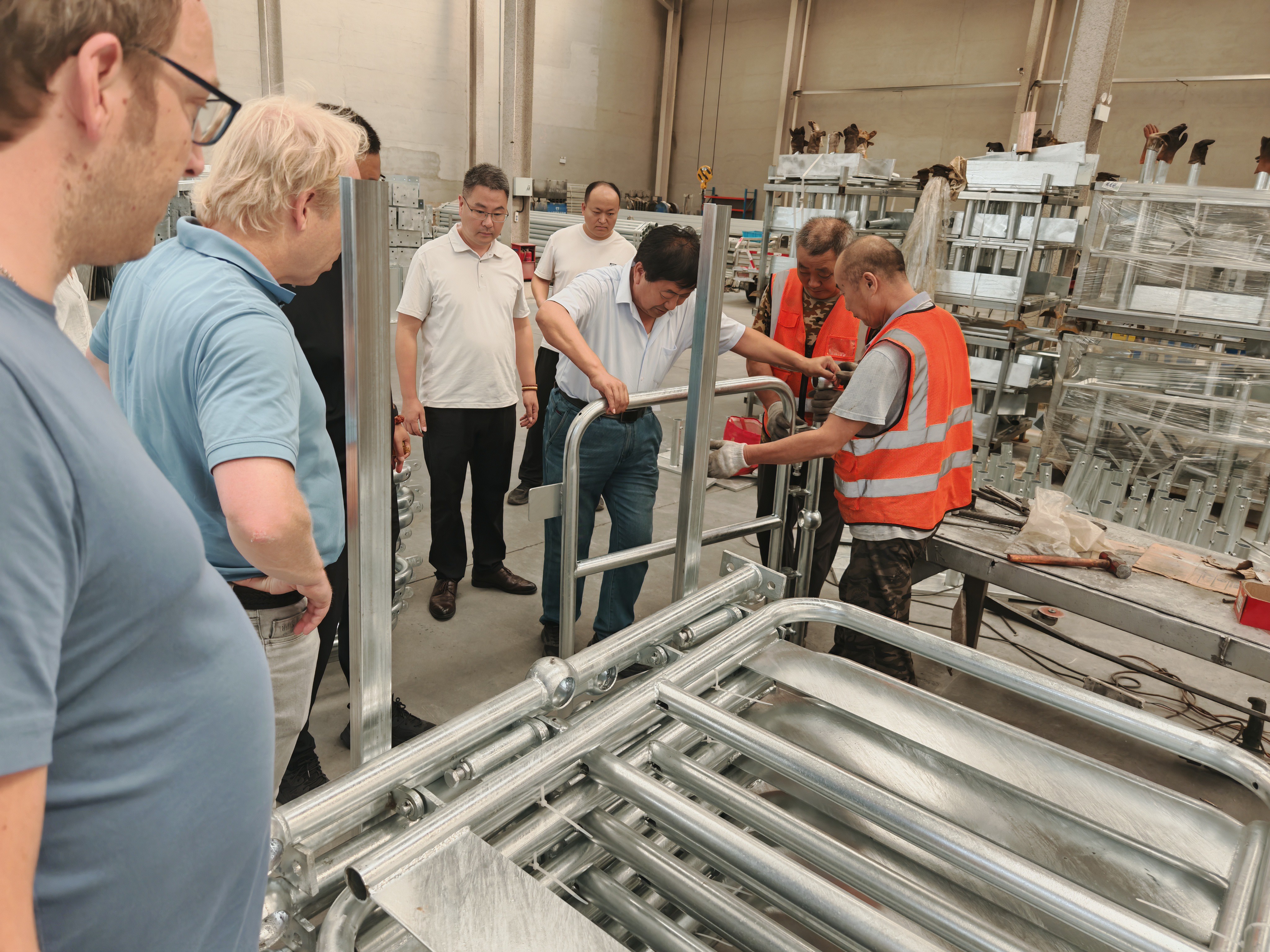
 Netherlands Client Delegation Visits Our Factory to Advance European Highway Guardrail CooperationOct 10, 2026
 AASHTO M180 Guardrail Requirements: A Practical Guide to Material ComplianceOct 10, 2026
 Port Safety Barriers: Selecting Protection for Vehicle Lanes and Loading AreasOct 10, 2026
Comparing Z Post Guardrail Manufacturers Takes More Than a Price Sheet
Choosing the right supplier is critical when you compare Z post guardrail manufacturers before ordering. In transport projects, a post is not just a steel piece that holds the rail in place. Its dimensions, steel quality, forming accuracy, coating performance, and fit with the rest of the barrier system all affect installation speed and long-term roadside safety. A low quote may look attractive at bid stage, but if the posts arrive with poor hole accuracy, inconsistent galvanizing, or unclear traceability, the real cost shows up later on site.
That is why experienced buyers usually compare manufacturers on a broader set of points: production capability, process control, drawing support, delivery discipline, and whether the supplier understands how highway safety components behave in actual service conditions.
Start with manufacturing depth, not marketing claims
Many companies can trade guardrail components. Fewer can genuinely manufacture them. When comparing Z post suppliers, one of the first practical questions is whether they control the main production steps themselves or outsource key operations. For highway guardrails and steel products, the difference matters.
A manufacturer with in-house capabilities for drilling, bending, rust removal, shot peening, non-destructive testing, galvanizing, and painting usually has better control over dimensional consistency and finish quality. That does not automatically guarantee better product performance, but it often reduces the risk of variation between batches. It also makes problem-solving easier when your drawing needs a small revision or your project requires non-standard details.
If the supplier says they can quote, design, manufacture, and support installation based on your plan or drawings, ask how that workflow actually runs. Who checks the drawings? Who confirms tolerances? At what point are hole positions, post length, and coating requirements frozen for production? Those details tell you more than a polished brochure will.
Material quality should be verified at the drawing level
In guardrail procurement, “steel post” is too vague to be useful. Different projects place very different demands on a Z post depending on terrain, soil condition, climate, traffic mix, and barrier configuration. A supplier should be able to discuss the steel grade, thickness range, and forming requirements in relation to your drawings, not in general language.
This is where buyers sometimes make a common mistake: they compare only total weight and unit price. Weight matters, of course, but the real question is whether the post matches the specified structural role in the system. If the steel plate quality is inconsistent or the formed geometry drifts outside tolerance, the post may still look acceptable in a warehouse while creating installation issues in the field.
Ask for clarity on raw material sourcing, mill documentation if required by the project, and inspection points during forming and drilling. If your project is subject to local transport authority rules or a specific standard, that alignment needs to be confirmed before production starts, not after the truck arrives.
Galvanizing quality is often where suppliers begin to separate
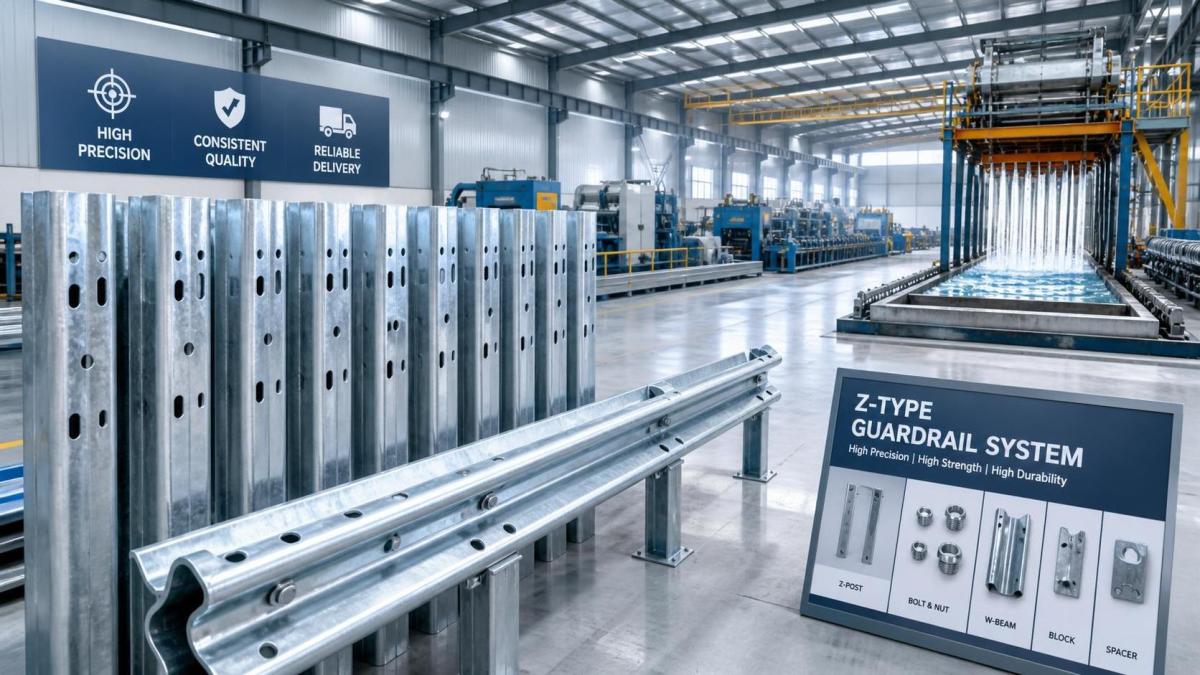
For roadside steel exposed to rain, de-icing salts, coastal air, and constant temperature swings, coating performance is not a cosmetic issue. It is a service-life issue. When comparing manufacturers, ask how they handle surface preparation before galvanizing or painting, what inspection methods they use, and how they manage coating consistency on edges, holes, and formed sections.
This matters even more in aggressive environments. In coastal or high-salt-fog regions, buyers often look beyond standard hot-dip galvanizing discussions and ask whether alternative protective systems are available for specific components. On some high-risk sections, bridge approaches, or median openings, stronger barrier elements may also be considered. For example, a component such as Open Box Beam 2.4m may be selected for locations where very high stiffness, impact resistance, and minimal deformation are priorities. That does not replace the need to evaluate Z posts carefully, but it shows why the supplier should understand the full barrier system rather than isolated parts.
Customization ability is not just about saying “yes” to drawings
A lot of manufacturers will say they can produce according to drawings. The more useful question is how well they can manage non-standard work without creating delay or quality drift. In transport infrastructure, customization often means practical complications: unusual post spacing, mixed component interfaces, project-specific hole patterns, staged deliveries, or installation constraints near bridges and ramps.
A capable manufacturer should be able to review your plan, flag potential fabrication or installation conflicts early, and suggest adjustments before the order is locked. That is a valuable service. It prevents the kind of avoidable site issue where rails, posts, and connection pieces technically belong to the same system but do not fit cleanly during erection.
In other words, good customization support is less about flexibility in sales language and more about engineering discipline.
Look at inspection, traceability, and what happens when something is wrong
This part gets overlooked until there is a problem. Before ordering, ask what inspection records the manufacturer can provide and how they handle nonconforming products. If non-destructive testing is part of their process for relevant items, ask where it fits into production. If coating or dimensional checks are performed, ask whether they are batch-based, piece-based, or tied to customer sampling requirements.
Also ask a simple but revealing question: if a shipment arrives and one pallet has a mismatch in hole spacing, what is the response process? A serious manufacturer usually has a clearer answer than a reseller. You are listening for accountability, replacement timing, and whether they can trace the issue back to a production stage.
Delivery capability should match project reality
In highway work, delivery timing can be just as important as unit cost. Delays affect lane closures, installation crews, and sometimes adjacent civil works. Comparing manufacturers means checking whether their lead time is based on actual capacity or optimistic quoting.
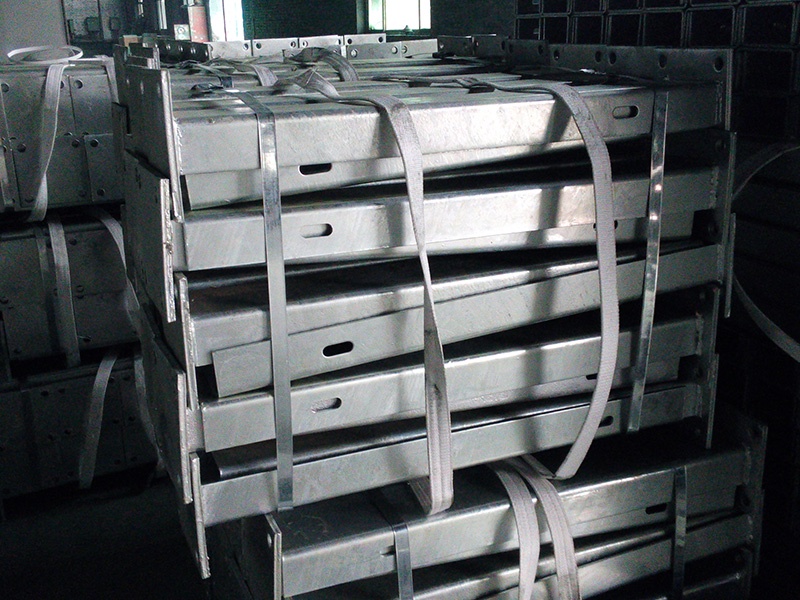
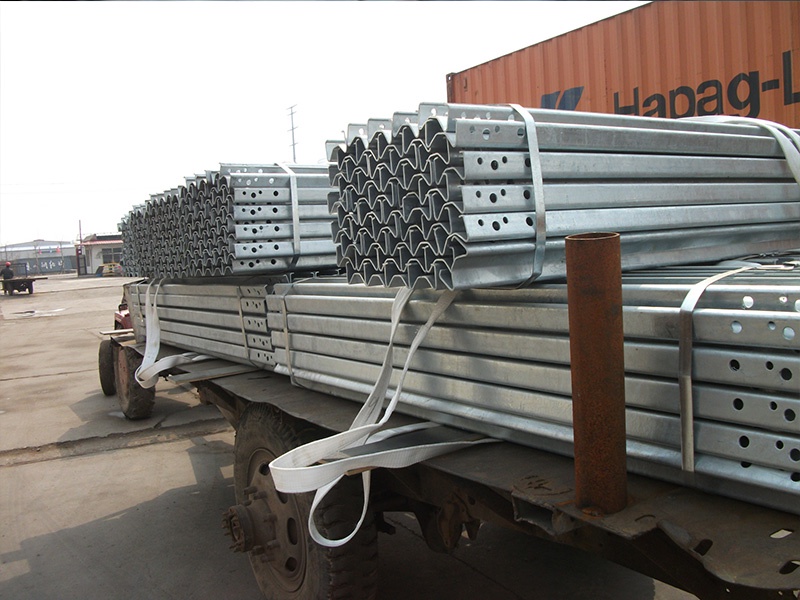
It helps to ask how they schedule production for mixed orders, how packaging is organized for unloading and identification, and whether components can be shipped in installation sequence if your site requires it. A supplier that understands transport projects will usually talk about these practical points without being prompted too much.
The same applies to technical support after shipment. If installation crews have drawing questions or discover a field condition that differs from plan, responsive support is far more useful than a slightly cheaper order placed with a supplier who disappears after dispatch.
A simple comparison framework works better than a complicated scorecard
If you are reviewing multiple Z post guardrail manufacturers, a practical shortlist usually comes down to five things:
- Can they manufacture to your drawings with consistent forming and drilling accuracy?
- Do they have reliable surface treatment capability for the project environment?
- Can they support quotation, design review, production, and installation coordination as one process?
- Are inspection and traceability procedures clear enough for your project requirements?
- Does their delivery plan sound realistic for your schedule, not just attractive on paper?
If a supplier is weak in two or three of those areas, the lowest price usually stops being the lowest price.
Before placing the order, it is worth reviewing one final package with the manufacturer: approved drawings, material and coating expectations, inspection scope, packing method, delivery schedule, and the point of contact for technical issues. In guardrail procurement, most expensive problems are not dramatic failures. They are preventable mismatches. The right manufacturer helps remove those before production starts.
Leave A Reply
Need More Details?
Contact me for details on creating and managing design projects, project features, and services and prices
consult
Our company was established in 1998. It‘s a Chinese pioneer enterprise integrating production and sales, committed to providing high-quality steel products to customers at home and abroad.

First class quality service and professional after-sales team.
Get in Touch
*We respect your confidentiality and all information are protected.