






NEWS
Categories List
Recent Posts
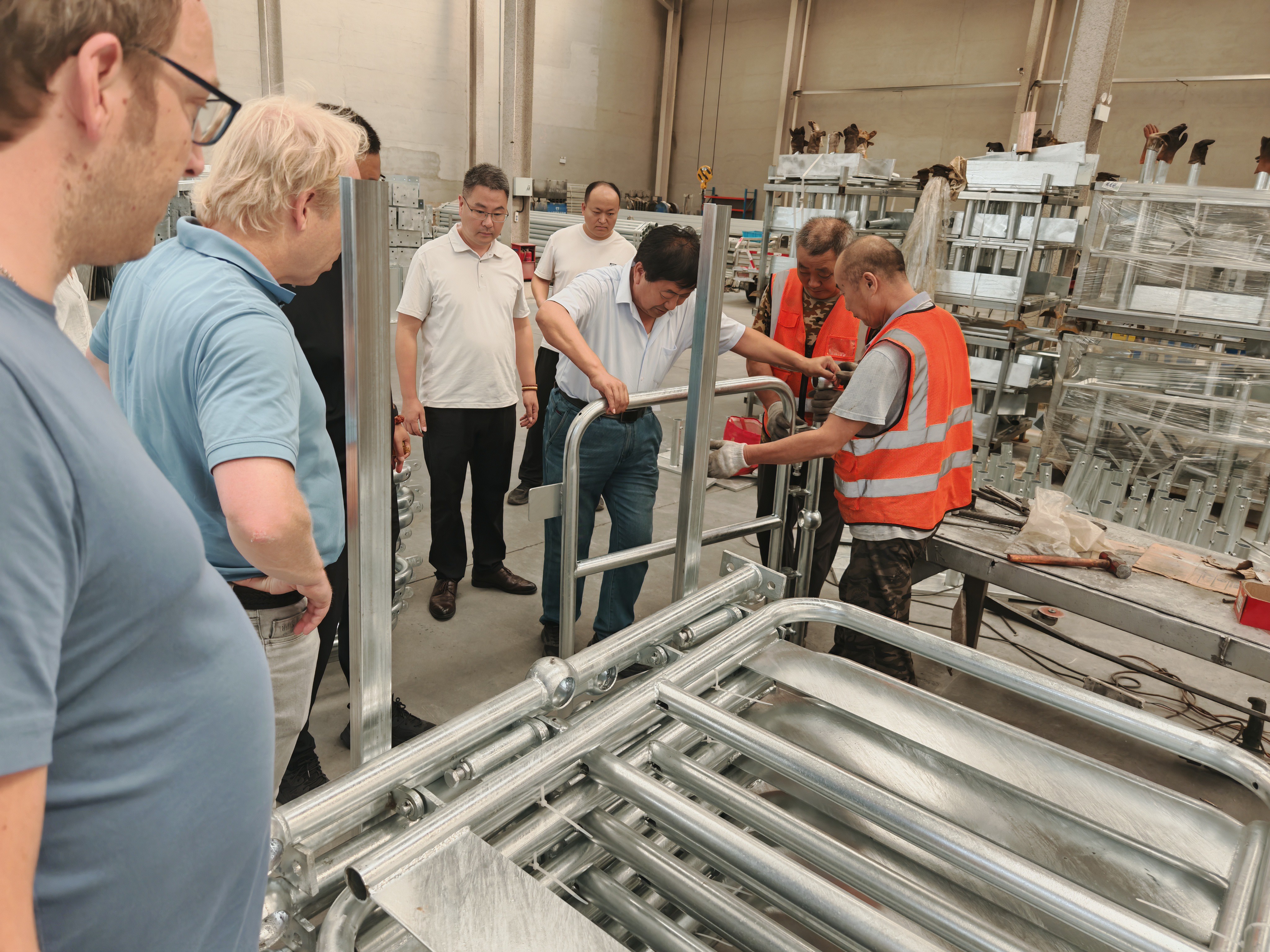
 Netherlands Client Delegation Visits Our Factory to Advance European Highway Guardrail CooperationOct 10, 2026
 AASHTO M180 Guardrail Requirements: A Practical Guide to Material ComplianceOct 10, 2026
 Port Safety Barriers: Selecting Protection for Vehicle Lanes and Loading AreasOct 10, 2026
Road safety is paramount. Every element on the road, from signage to lane markings, plays a crucial role in keeping drivers and pedestrians safe. One of the most important safety features is the road guardrail. These guardrails act as a barrier, preventing vehicles from leaving the roadway or veering into oncoming traffic in the event of an accident.
Choosing the right guardrail products is essential to ensure optimal road safety. This guide will equip you with the knowledge needed to make informed decisions when selecting guardrails for your project.
Factors to Consider When Choosing Road Guardrails
Several factors come into play when selecting the appropriate guardrail system:
- Traffic Volume and Speed: Heavier traffic volumes and higher speeds require a more robust guardrail system. Factors such as weight capacity, deflection (how much the guardrail bends upon impact), and working width (the area the guardrail protects) should be considered.
- Road Environment: The type of terrain along the road plays an important role. Steep slopes or ditches may require a different guardrail system than a flat embankment.
- Aesthetics: While safety is the primary concern, some projects may have aesthetic considerations. Guardrails come in different materials and finishes, allowing for some visual customization.
- Cost: The cost of guardrails varies depending on the material, strength, and complexity of the system. Finding the right balance between cost and effectiveness is crucial.
- Compliance with Standards: Ensure that the chosen guardrail system complies with all local and national safety standards. Look for certifications from reputable organizations.
Types of Road Guardrail Systems
There are several types of road guardrail systems, each with its own advantages:
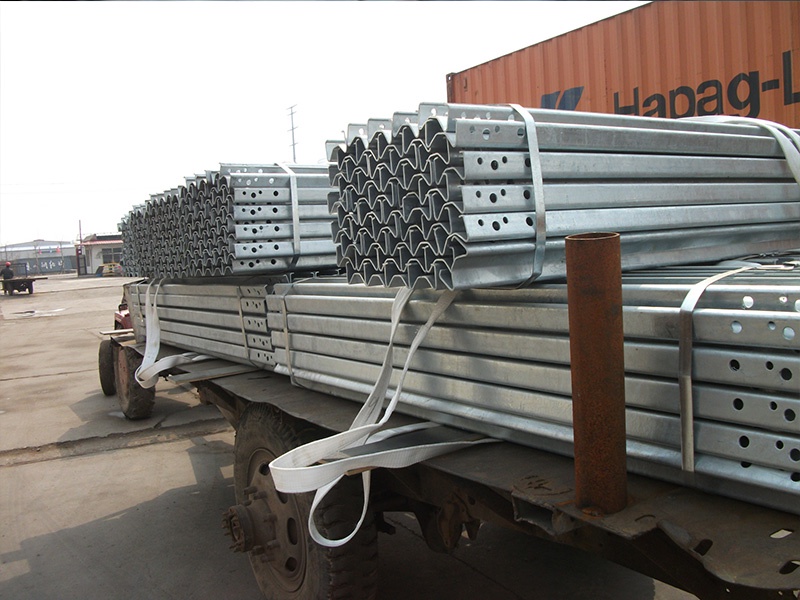
- W-Beam Guardrail: This is the most common type of guardrail, consisting of corrugated steel beams shaped like a W mounted on posts. It offers a good balance of strength, affordability, and ease of installation.
- Box Beam Guardrail: This type uses hollow steel tubes instead of W-beams, offering greater strength and better deflection behavior for high-impact areas.
- Cable Barrier System: This system uses high-tension cables instead of solid beams. It offers high visibility and is often used in medians or cable-stayed bridges.
- Bridge Guardrail: Bridge guardrails are specifically designed for bridges and require a higher level of safety compared to standard road guardrails. They can incorporate aesthetics along with functionality.
Material Selection for Road Guardrails
The most common materials used for road guardrails are:
- Galvanized Steel: The most popular option due to its affordability, strength, and corrosion resistance.
- Aluminum: A lighter alternative to steel, offering good corrosion resistance but may not be suitable for high-impact areas.
- Polymer: Emerging as a viable option, these guardrails are lightweight, corrosion-resistant, and require minimal maintenance. However, their strength may be less than that of steel.
Frequently Asked Questions About Road Guardrails
What is the difference between a guardrail and a median barrier?
Guardrails are typically placed at the edge of the road to prevent vehicles from leaving the roadway. Median barriers, on the other hand, separate opposing traffic lanes and are often designed to withstand head-on collisions.
How often should guardrails be inspected?
The frequency of guardrail inspections depends on factors such as traffic volume, weather conditions, and the severity of the environment. Generally, inspections are recommended at least once a year, with more frequent checks in high-risk areas.
Can damaged guardrails be repaired?
Minor damage to guardrails, such as bent posts or dented beams, may be repairable. However, for severe damage or if the guardrail's performance is compromised, replacement is necessary.
Who installs road guardrails?
Guardrail installation should be performed by qualified professionals
Leave A Reply
Need More Details?
Contact me for details on creating and managing design projects, project features, and services and prices
consult
Our company was established in 1998. It‘s a Chinese pioneer enterprise integrating production and sales, committed to providing high-quality steel products to customers at home and abroad.

First class quality service and professional after-sales team.
Get in Touch
*We respect your confidentiality and all information are protected.