






NEWS
Categories List
Recent Posts
 Netherlands Client Delegation Visits Our Factory to Advance European Highway Guardrail CooperationOct 10, 2026
 AASHTO M180 Guardrail Requirements: A Practical Guide to Material ComplianceOct 10, 2026
 Port Safety Barriers: Selecting Protection for Vehicle Lanes and Loading AreasOct 10, 2026
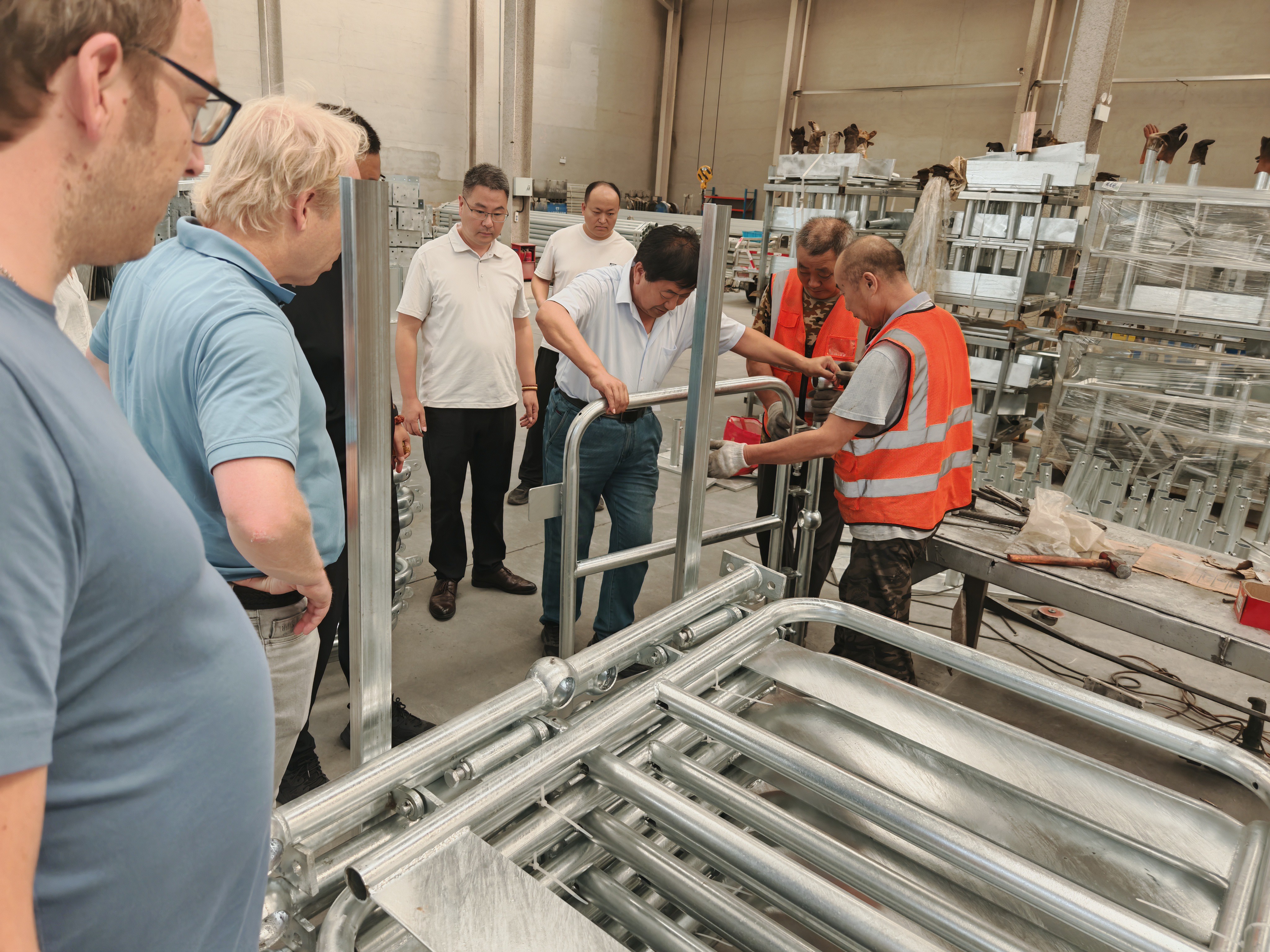
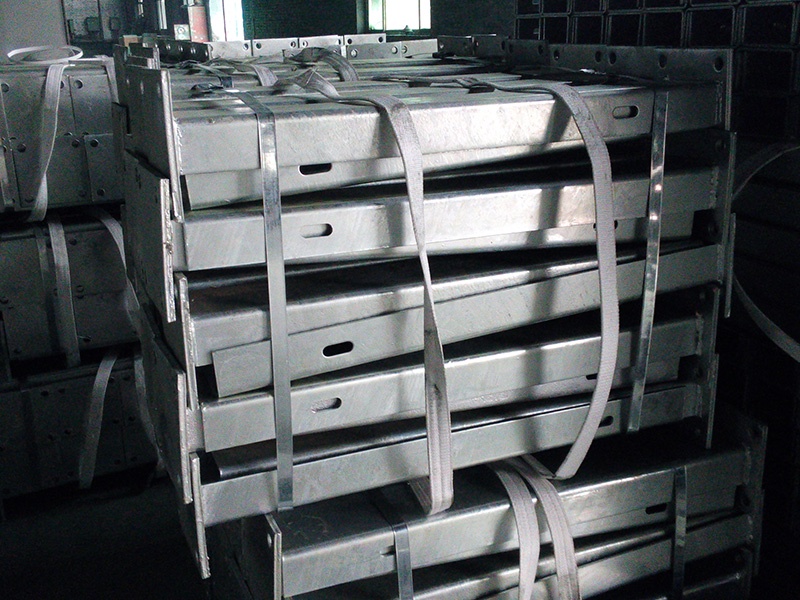
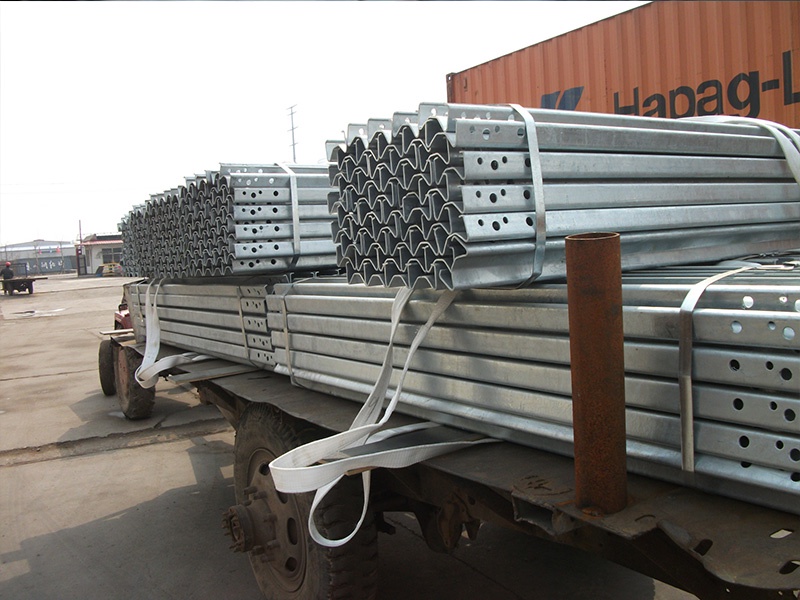
Choosing a reliable Z Post Guardrail Manufacturer is essential for ensuring highway safety, product durability, and long-term project value. With many suppliers on the market, buyers need to evaluate manufacturing capability, material quality, customization options, and service support. This guide will help you understand the key factors to consider when selecting a trusted partner for highway guardrails and steel products.
What Buyers Really Need to Confirm First
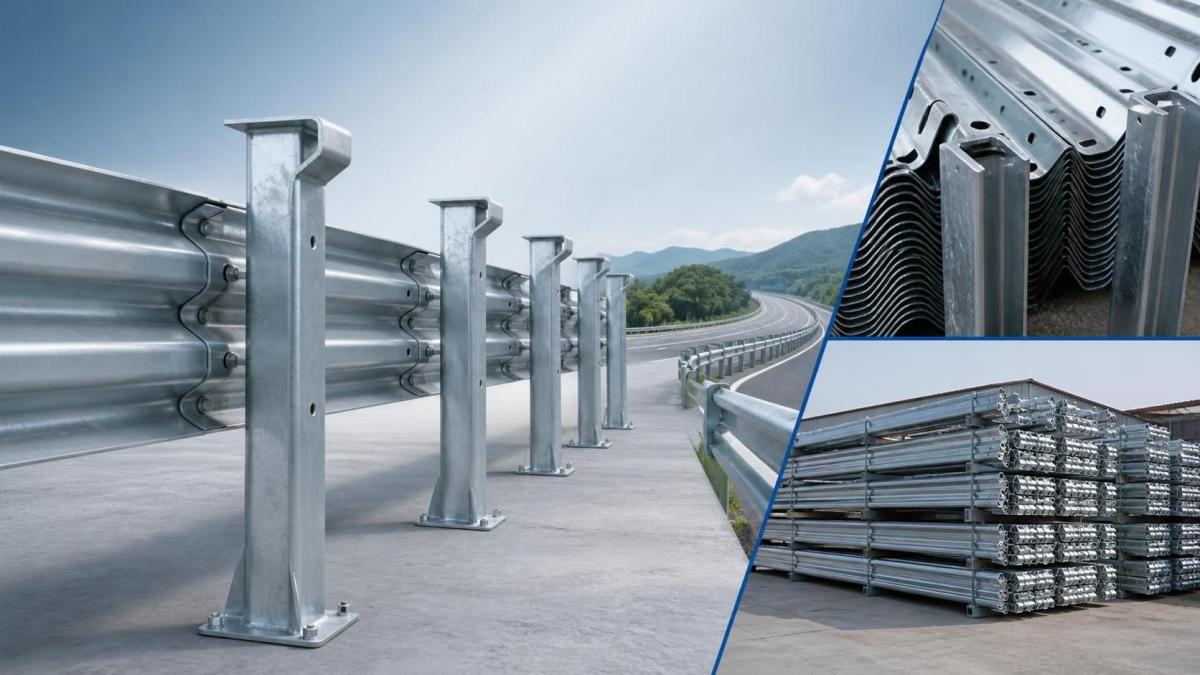
When people search for a reliable Z Post Guardrail Manufacturer, they usually want more than a supplier with a competitive price. They need a partner that can deliver safe, compliant, and durable products on schedule.
For contractors, distributors, and project owners, the main concern is risk control. A poor manufacturing choice can lead to inconsistent quality, delayed installation, safety failures, and higher maintenance costs over time.
That is why the first question should not be “Who offers the lowest price?” but “Which manufacturer can consistently meet technical requirements, quality expectations, and project timelines without creating hidden problems later?”
Why Manufacturing Capability Matters More Than Sales Claims
A reliable manufacturer should be able to show real production capability, not just product photos or polished brochures. In highway safety projects, manufacturing discipline directly affects structural performance and service life.
Buyers should verify whether the factory can handle the full production process in-house or under controlled management. This includes drilling, bending, rust removal, shot peening, non-destructive testing, galvanizing, and painting.
These steps are not minor details. They determine dimensional accuracy, coating integrity, corrosion resistance, and the consistency of each finished guardrail component delivered to the project site.
If a manufacturer can design according to your plan or produce according to your drawings, that is also a strong sign of practical capability. It shows they can support real engineering needs instead of only selling standard stock items.
How to Judge Material Quality and Long-Term Durability
In guardrail systems, raw material quality is one of the biggest factors behind long-term performance. Inferior steel may reduce impact resistance, weaken structural stability, and shorten service life in demanding environments.
A dependable Z Post Guardrail Manufacturer should be transparent about steel grade, thickness tolerance, coating process, and applicable standards. Buyers should ask for specifications, inspection records, and evidence of compliance with international requirements.
This is especially important for roads exposed to rain, coastal air, industrial pollution, or high salt fog. In these cases, corrosion resistance is not optional. It directly affects lifecycle cost and safety performance.
For example, some high-risk highway applications require stronger beam structures with greater stiffness and impact resistance. Products such as Open Box Beam 4.8m are designed for demanding sections where higher crash performance and lower deformation are critical.
Can the Manufacturer Handle Your Project’s Actual Requirements?
Not every road project uses the same guardrail configuration. Bridge sections, median openings, ramp divergences, and areas near lighting poles or piers often need different structural solutions and fabrication details.
A trustworthy supplier should be able to adapt production to site conditions, engineering drawings, and local standards. This flexibility matters because standard products alone may not solve the safety needs of complex road sections.
Customization also helps avoid installation delays. If hole positions, post dimensions, beam lengths, or coating requirements are wrong, the project can face expensive rework and schedule disruption.
Manufacturers with design and fabrication experience can often identify practical issues early. That includes checking whether your drawings are feasible for production, transport, and installation before large-scale manufacturing begins.
What Quality Control Should You Ask to See?
Quality control should be visible, documented, and repeatable. Buyers should not rely on verbal promises alone. A serious manufacturer should provide inspection procedures and records for key production and finishing stages.
Ask whether they perform dimensional checks, coating thickness inspection, surface treatment verification, and non-destructive testing where required. These controls help catch defects before shipment rather than after installation.
You should also ask about traceability. If a problem appears in one batch, can the manufacturer identify when it was produced, what material was used, and which inspection results were recorded?
Strong traceability reflects mature factory management. It reduces uncertainty and gives buyers greater confidence that the supplier can support quality claims with actual production evidence.
Why Service Support Is Part of Product Reliability
Reliability does not end when the goods leave the factory. In infrastructure projects, communication, documentation, packaging, shipping coordination, and after-sales support all affect the final outcome.
A capable manufacturer should be able to support quotation, technical clarification, drawing review, production updates, and installation-related coordination. These services reduce misunderstandings and help projects move forward smoothly.
Fast response also matters. If a supplier takes too long to answer technical questions before the order, that often signals future problems during production or delivery.
Good service is not just about being polite. It is about being accurate, timely, and technically competent enough to solve issues before they become costly site problems.
How to Compare Manufacturers Without Focusing Only on Price
Price always matters, but guardrail procurement should be evaluated through total project value. A lower unit price can become more expensive if the products fail inspection, corrode early, or delay installation.
When comparing suppliers, buyers should look at production capability, quality assurance, customization support, certification, delivery reliability, and expected service life alongside the quotation.
This is particularly important for high-risk expressway sections where stronger protective systems may be required. In those cases, a more advanced beam solution with high rigidity and strong crash performance may deliver better long-term value.
For instance, a hollow rectangular beam structure with very high section modulus and bending stiffness may be more suitable than conventional options in areas exposed to severe impact conditions or aggressive environments.
Questions You Should Ask Before Placing an Order
Before confirming a supplier, ask practical questions that reveal how they actually work. Request details on manufacturing processes, coatings, inspection reports, delivery schedules, and customization capability.
You should also ask for project references in similar applications. Experience in highway safety systems, bridge protection zones, median openings, and ramp areas can provide a clearer picture of real-world reliability.
Other useful questions include whether the manufacturer can produce according to your drawings, what standards they follow, how they handle packaging, and what lead times apply for large or specialized orders.
If the project requires enhanced durability, ask what coating systems are available. Zinc-aluminum-magnesium coatings or powder coatings in warning colors may be valuable depending on visibility and environmental exposure requirements.
Final Thoughts on Choosing the Right Partner
The best Z Post Guardrail Manufacturer is usually the one that reduces risk across the whole project, not simply the one that offers the cheapest starting price. Real value comes from stable quality, reliable delivery, and technical support.
Buyers should focus on evidence: manufacturing capability, material quality, process control, customization experience, and service responsiveness. These factors are what protect both highway users and project budgets over the long term.
If a manufacturer can provide integrated support from quotation and design to production and installation coordination, that is a meaningful advantage. It usually leads to smoother execution and fewer costly surprises.
In short, choose a supplier that understands highway safety as an engineering responsibility. When product quality and manufacturing discipline are strong, your guardrail system will deliver better performance, durability, and long-term project confidence.
Leave A Reply
Need More Details?
Contact me for details on creating and managing design projects, project features, and services and prices
consult
Our company was established in 1998. It‘s a Chinese pioneer enterprise integrating production and sales, committed to providing high-quality steel products to customers at home and abroad.

First class quality service and professional after-sales team.
Get in Touch
*We respect your confidentiality and all information are protected.