






NEWS
Categories List
Recent Posts
 Netherlands Client Delegation Visits Our Factory to Advance European Highway Guardrail CooperationOct 10, 2026
 AASHTO M180 Guardrail Requirements: A Practical Guide to Material ComplianceOct 10, 2026
 Port Safety Barriers: Selecting Protection for Vehicle Lanes and Loading AreasOct 10, 2026
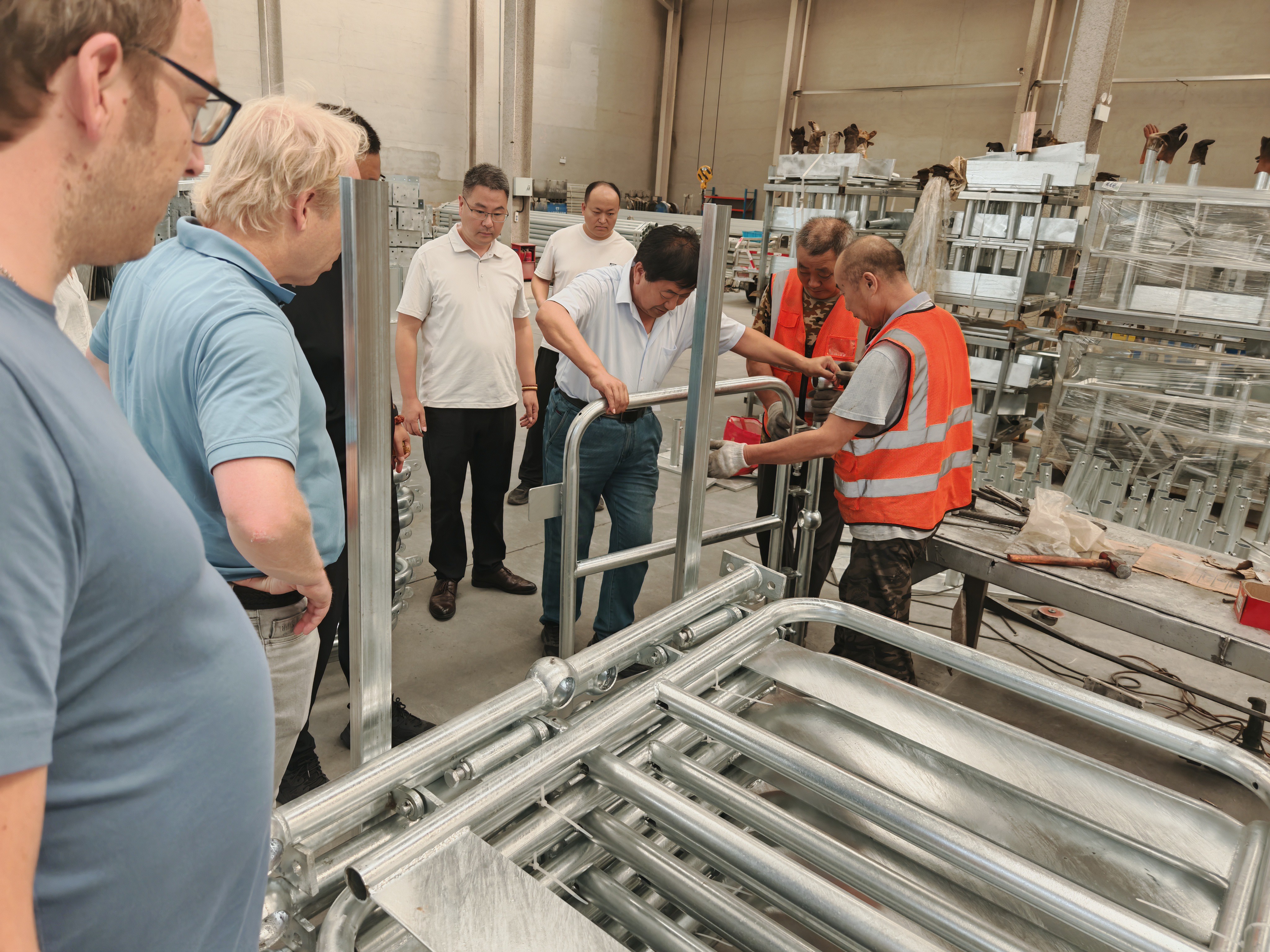
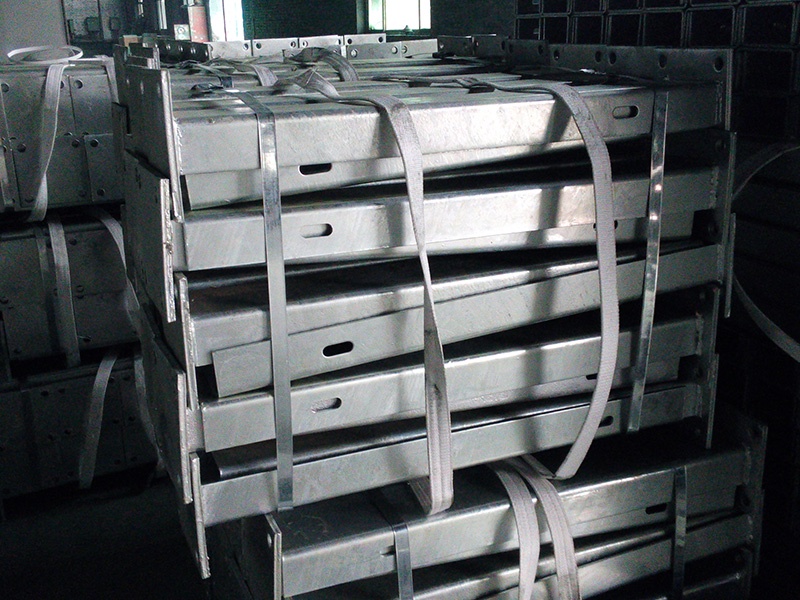
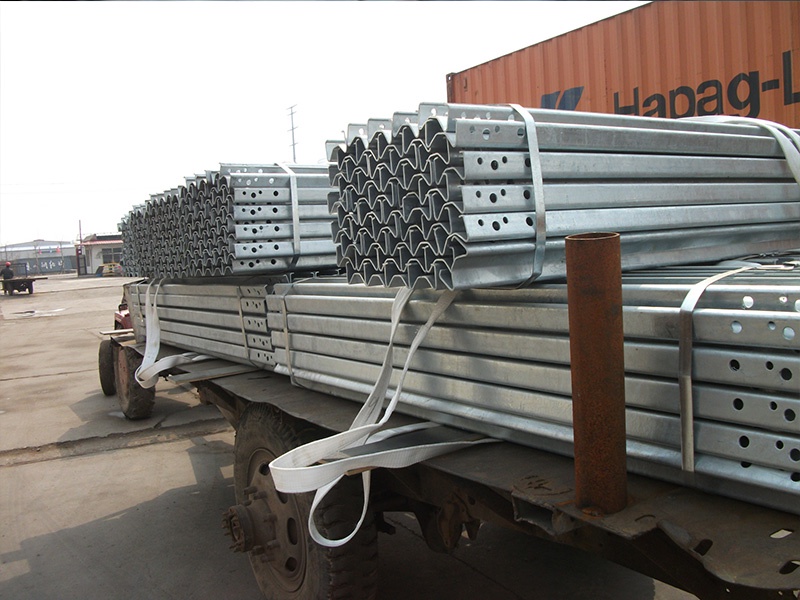
Choosing a highway guardrail manufacturer usually comes down to one practical question: can this supplier deliver the right barrier system, at the right quality level, without creating delays or hidden risk for the project? Price matters, but in transport work, the cheapest quote often becomes expensive later through failed inspections, coating problems, fit-up issues, or weak installation support. If you are comparing suppliers now, focus less on brochure language and more on engineering ability, process control, and whether the manufacturer understands real road conditions.
A good manufacturer is not simply selling steel. They are producing a safety system that has to perform under impact, survive weather exposure, fit site geometry, and meet project documentation requirements. That is why the selection process should be based on evidence, not promises.
What a reliable highway guardrail manufacturer should actually be able to do
Many buyers start by asking about product range, but that is only one piece of the picture. A capable highway guardrail manufacturer should be able to support the whole chain: quotation, design coordination, manufacturing, surface treatment, packing, delivery, and where needed, installation guidance. This matters even more when the project includes non-standard sections, bridge transitions, median openings, or custom drawings.
In practice, the better suppliers are the ones that can work from your plan, or manufacture directly from your drawings, without turning every drawing review into a long back-and-forth. If a manufacturer offers drilling, bending, rust removal, shot peening, non-destructive testing, galvanizing, and painting as controlled in-house or closely managed processes, that is usually a stronger sign than a polished catalog. It suggests they understand that guardrail quality is built step by step, not added at the end.
There is a simple way to think about it: you are not only buying a barrier beam or post. You are buying manufacturing discipline.
Do not judge by price first
This is one of the most common mistakes in guardrail procurement. Two quotes can look similar on paper and still represent very different levels of risk.
A low quote may exclude details that become important later: coating thickness requirements, material traceability, tolerances, testing records, packing standards, or support for site-specific modifications. Some suppliers also quote a standard product when your project really needs customized fabrication. That mismatch may not show up until production or installation.
A more useful comparison is this: what exactly is included in the supply scope, what standards are being followed, and what happens if dimensions or site conditions change? If the manufacturer cannot answer those questions clearly, the quote is incomplete no matter how attractive the number looks.
For buyers who need a short answer, here it is: choose the supplier that reduces project risk, not just the supplier that lowers the initial purchase price.
Check whether the manufacturer understands your road environment
Not every highway project has the same exposure conditions. A guardrail system for an inland secondary road is a different decision from one installed on a coastal expressway, a bridge approach, or a high-risk ramp divergence. The right manufacturer should ask about traffic conditions, corrosion environment, installation location, and the expected service life. If they do not ask, that is a warning sign.
In coastal or high-salt-fog environments, for example, corrosion protection becomes a major issue. In bridge sections or impact-prone transition areas, stiffness and deformation control may matter more than a buyer first expects. A manufacturer with real transport-sector experience will not treat all applications as interchangeable.
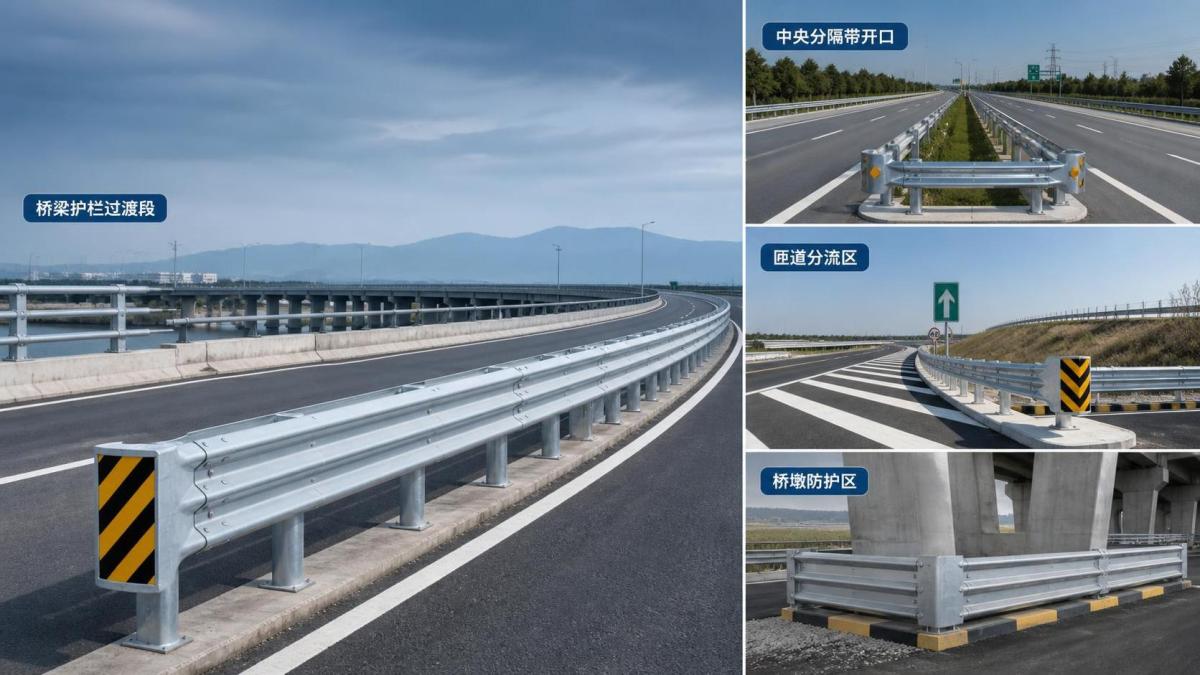
That is also where product recommendations should become more specific. In some high-risk sections, a standard beam may not be the best fit. A product such as Open Box Beam 4.8m can make sense in bridge sections, median strip openings, lighting pole and pier protection zones, ramp divergences, and other expressway locations where higher stiffness, stronger impact resistance, and reduced bending deformation are important. That does not make it the right answer for every job, but it shows the kind of application-based thinking a serious supplier should be able to provide.
Ask for evidence of manufacturing control
If you want to separate a dependable manufacturer from a trading-only supplier or a weak fabricator, look at process control. Guardrails may look simple from a distance, but the details decide whether they install cleanly and perform as intended.
Pay attention to these areas:
- Material source and grade consistency
- Accuracy of drilling and bending
- Surface preparation before coating
- Galvanizing or painting process control
- Inspection records, including non-destructive testing where relevant
- Dimensional tolerance management for beam, post, and connection parts
Good suppliers can usually explain their production flow in plain terms. They should be able to tell you how they prevent hole misalignment, coating defects, edge damage, transport damage, or assembly mismatch. If the answer stays vague, that usually means the control is vague too.
One more thing buyers often overlook: the best manufacturers are comfortable discussing what can go wrong. A supplier who openly talks about coating repair, packing protection, or installation tolerances is often more trustworthy than one who only says everything is “high quality.”
Custom drawings are where real capability shows
Standard catalog items are easy. Custom work is where the real test begins.
If your project requires manufacturing according to drawings, special spacing, non-standard lengths, or integration with an existing highway safety system, ask how the manufacturer handles drawing review and revision control. Can they identify conflicts before production? Can they suggest changes that improve manufacturability without weakening performance? Can they support both design-based supply and drawing-based fabrication?
In transport projects, delays often begin with small drawing misunderstandings. A hole position off by a few millimeters, an unclear bend detail, or an unconfirmed coating requirement can slow an entire section. Manufacturers with engineering depth usually catch these issues early.
That matters even more for steel products used in mixed conditions, where fabrication quality affects not just appearance but fit, safety, and installation efficiency on site.
Look beyond the product and evaluate service responsiveness
A highway guardrail manufacturer may have acceptable production capacity and still be difficult to work with. For procurement teams and contractors, response quality is often a deciding factor.
Watch how the supplier handles the first few conversations. Do they answer technical questions directly? Do they request drawings, standards, quantities, and site conditions before quoting? Do they clarify lead times honestly? Do they understand that transport projects often require coordination between design, supply, and installation teams?
Fast replies are useful, but accurate replies are more valuable. A manufacturer that asks sensible questions at the beginning usually creates fewer problems later.
This is particularly important if you need more than fabrication. Some buyers only need products shipped according to drawings. Others need support from quotation through design coordination, manufacturing, and installation. If your project is complex, choose a supplier whose service model matches that reality.
Red flags that deserve caution
Some warning signs appear again and again in this industry:
- The supplier avoids technical discussion and steers every question back to price.
- The quote is fast, but the specification is vague.
- They claim compliance with standards but cannot explain testing or inspection practice.
- They offer custom fabrication but struggle to review drawings in detail.
- They recommend the same product for every road section.
- They cannot explain coating options for corrosive environments.
None of these automatically means the supplier is unsuitable, but together they usually point to higher execution risk.
What experienced buyers usually confirm before placing the order
Before making a final decision, it helps to confirm a few basic points in writing: product type, steel specification, coating system, applicable standards, drawing version, quantity tolerance, inspection requirements, delivery schedule, and responsibility for installation support or after-sales issues.
That may sound administrative, but it prevents the most common disputes. In highway projects, trouble rarely begins with dramatic failure. It usually starts with assumptions that were never written down.
If your project includes high-risk areas, ask the manufacturer to explain why a certain beam form or protection level is suitable. For example, a hollow rectangular open-box cross-section made from high-quality hot-rolled steel plates may be a better fit where crash performance, rigidity, and long service life are priorities, especially when paired with zinc-aluminum-magnesium or powder-coated protection systems. The point is not to chase the most robust option everywhere. The point is to match the product to the risk.
Final thought
The best highway guardrail manufacturer is usually not the one with the loudest claims. It is the one that understands your drawings, your road conditions, your compliance needs, and your schedule, then proves that capability through process control and clear communication. If a supplier can move confidently from quotation to design support, manufacturing, surface treatment, inspection, and delivery, you are looking at a much stronger partner for a transportation project.
When you compare manufacturers, ask one practical question all the way through: can this company supply a guardrail system that will install correctly, last in the field, and meet the real demands of the road? That is the standard that matters.
FAQ
Is a manufacturer always better than a trading company for guardrail procurement?
Not always, but for custom drawings, technical coordination, and tighter quality control, working closer to the actual manufacturer is usually more reliable.
How important is galvanizing when choosing a highway guardrail supplier?
Very important in outdoor transport infrastructure. Coating quality affects service life directly, especially in coastal, humid, or high-salt environments.
Should I choose the strongest guardrail product available?
No. The right choice depends on the road section, impact risk, design standard, and budget. Over-specifying can add cost without improving the overall project result.
What should I send to a manufacturer before asking for a quote?
At minimum, send drawings if available, project location, quantities, coating requirements, applicable standards, and delivery expectations. A serious quote needs that context.
Image Placeholder List
Suggested placement: after the paragraph discussing application-based product selection in high-risk road sections.
Suggested image content: a comparison-style visual showing different highway guardrail application zones such as bridge sections, median openings, ramp divergences, and pier protection areas.
Suggested alt text: Highway guardrail application scenarios for different road risk sections
Internal Link Anchor Text Suggestions
- Guardrail galvanizing process: page about coating and corrosion protection
- Highway guardrail installation guide: page about installation methods or project support
- Custom steel fabrication for transport projects: page about drawing-based manufacturing
- Crash barrier systems for bridge sections: page about specialized highway safety products
- How to read guardrail drawings: page about design or technical documentation
External Authoritative Source Suggestions
- Government transportation or highway authority specifications
- Industry association standards for road restraint or highway safety systems
- Accredited testing or certification body documentation for steel barrier performance and coatings
Leave A Reply
Need More Details?
Contact me for details on creating and managing design projects, project features, and services and prices
consult
Our company was established in 1998. It‘s a Chinese pioneer enterprise integrating production and sales, committed to providing high-quality steel products to customers at home and abroad.

First class quality service and professional after-sales team.
Get in Touch
*We respect your confidentiality and all information are protected.