






NEWS
Categories List
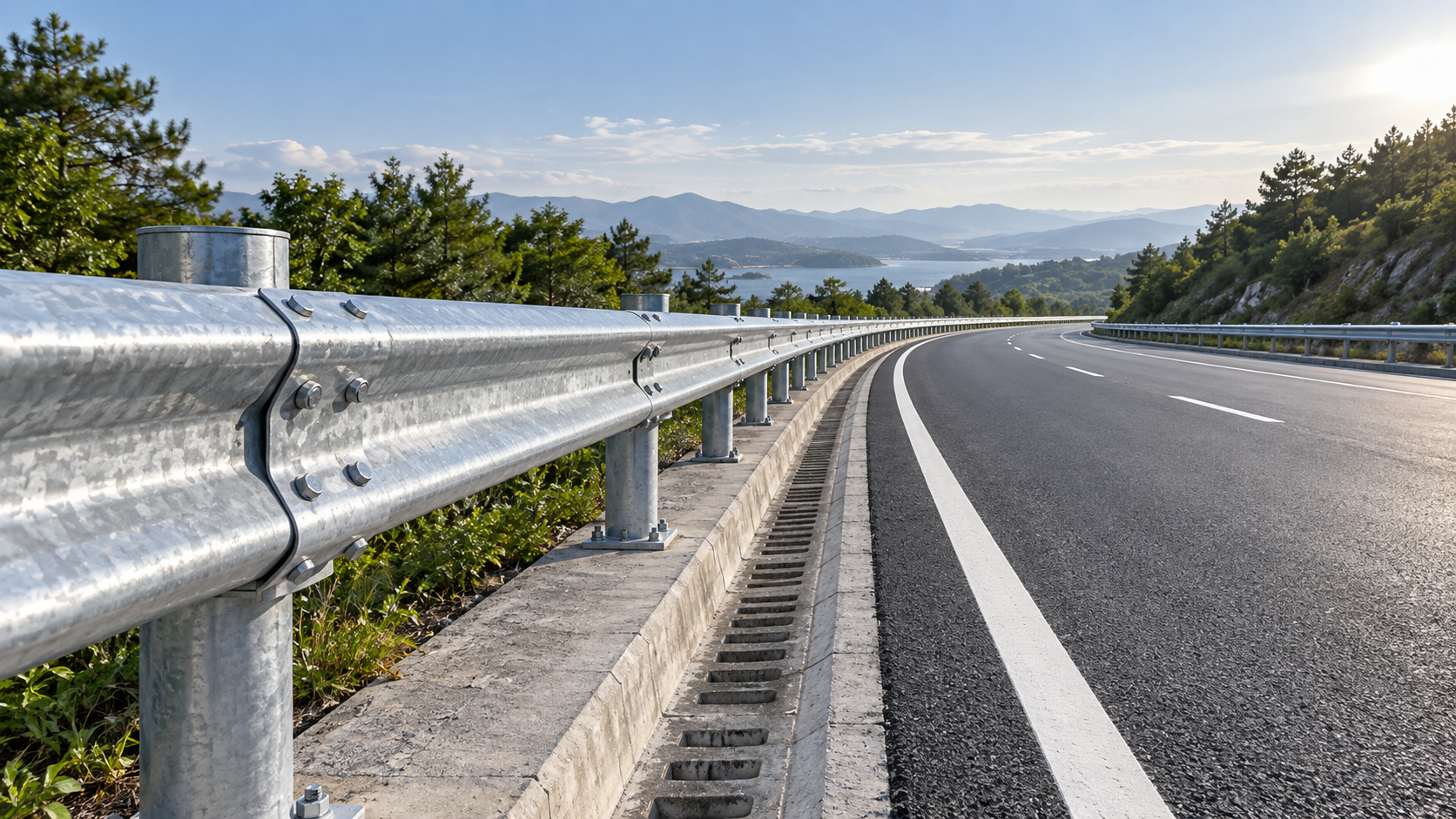
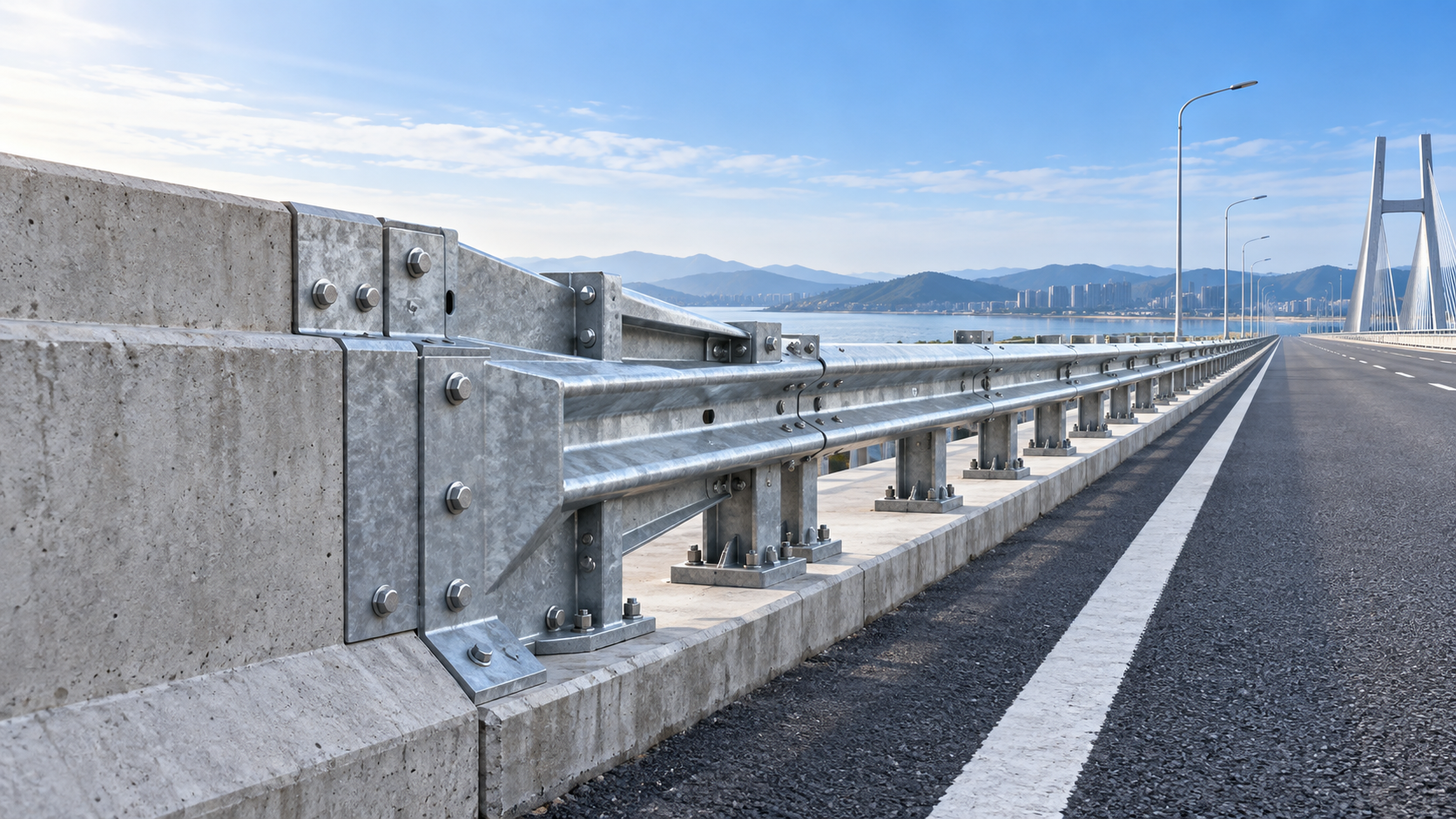
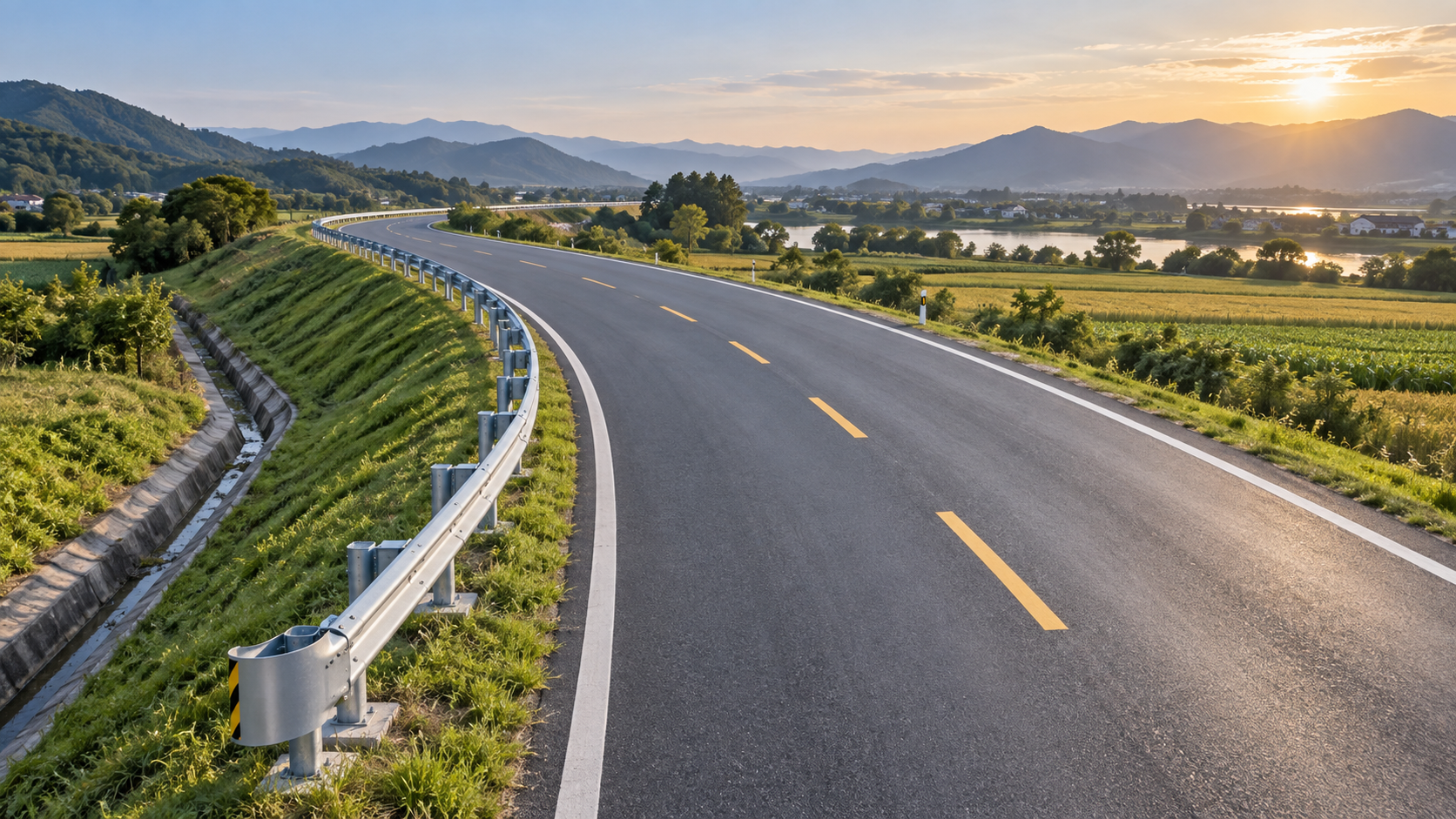
How to Choose a Bend Highway Guardrail for Curved Roads and Ramp Sections?
Choosing the right Bend Highway Guardrail for curved roads and ramp sections is less about picking a standard profile and more about understanding where a straight-line safety system stops being reliable. On curves, especially at ramps, diverging lanes, bridge transitions, and tight-radius sections, the guardrail is asked to do two things at once: follow the geometry of the road accurately and still behave predictably under impact. If either side of that equation is handled poorly, the system may look correct on the drawing but perform poorly in service.
That is why experienced project teams usually start with alignment conditions rather than catalog dimensions. A curved section changes the way vehicle redirection loads are transferred through the rail, posts, splices, and terminal areas. The smaller the curve radius, the more important fabrication accuracy becomes. A guardrail that is only “close enough” in bending can create fit-up stress during installation, misaligned post spacing, uneven rail tension, or inconsistent offsets from the carriageway edge. Those are not cosmetic issues. They affect the continuity of the barrier and can reduce guidance performance when a collision happens.
One common misunderstanding is that bent guardrail selection is mainly a matter of whether the rail can be rolled into shape. In practice, the better question is whether the entire system has been designed for the curve condition. Road curvature, design speed, embankment conditions, shoulder width, adjacent structures, and expected vehicle mix all influence the selection. A ramp with frequent heavy-vehicle movement places different demands on the barrier than a low-volume connector road. Likewise, a broad-radius curve on an open roadside is not the same problem as a narrow bridge approach where working width and structural clearance are tightly limited.
For project managers, four evaluation points usually separate an adequate choice from a costly one.
- Curve compatibility: the rail panels, connection points, and posts must match the actual horizontal alignment, not just the nominal radius on a concept drawing.
- Crash behavior: the barrier must retain sufficient stiffness, continuity, and deformation control for the location risk.
- Durability: corrosion protection is critical where moisture, deicing salts, coastal air, or industrial pollution shorten service life.
- Installation tolerance: the more complex the curve, the more fabrication precision and site coordination matter.
The second point deserves more attention than it usually gets. Not every curved section should use the same reinforcement strategy. In some high-risk positions, such as bridge sections, openings in median strips, ramp divergences, or protection zones near lighting poles and piers, the system may need components with higher section modulus and stronger resistance to bending deformation. In those cases, a reinforcing element such as Hanging Plate can be relevant because it is used in highway safety systems where guidance performance and structural stability have very little margin for compromise. When specified appropriately, high-quality hot-rolled steel plate components with strong bending stiffness and impact resistance can help the barrier maintain shape and improve overall crash performance in demanding locations.
Material and protective treatment also need to be judged in context. Many procurement discussions stay focused on steel thickness while giving less attention to manufacturing quality and corrosion control. For bent guardrail systems, the production route matters: drilling accuracy, bending consistency, rust removal, shot peening, non-destructive testing where required, galvanizing quality, and final coating uniformity all affect whether the installed barrier performs as intended over time. This becomes even more relevant in coastal or high-salt-fog environments, where protective systems such as zinc-aluminum-magnesium coatings or additional powder coating may be selected to extend service life and improve visibility.
There is also a practical commercial issue that experienced buyers watch closely: drawings are not always construction-ready. Many ramp and interchange packages contain geometric intent, but field conditions force minor adjustments. A manufacturer that can quote, design, fabricate, and support installation in one workflow is often more useful than a supplier that only delivers standard pieces. When the fabricator can work from project plans or production drawings and control the forming process in-house, it becomes easier to keep the guardrail geometry consistent with the actual roadway layout and avoid rework on site.
What Should Be Checked Before Approval?
Before approving a Bend Highway Guardrail solution, it helps to ask a few disciplined questions:
Another mistake is treating all “customization” as equal. Some customization only changes dimensions. Useful customization solves a site problem without weakening the barrier system. That may mean adjusting bend geometry, coordinating hole positions, selecting coatings for exposure conditions, or integrating specialized parts in sections with unusually high impact demands. A component like Hanging Plate belongs in that category when the project includes areas where minimal deformation and strong protective capability are more important than simple material economy.
In procurement terms, the best decision is rarely the cheapest piece price per meter. Curved-road guardrail work is highly sensitive to manufacturing deviations and installation corrections. A lower initial price can disappear quickly if crews need to force alignment, re-drill connections, replace damaged coatings, or pause work because fabricated segments do not match the site sequence. For engineering leaders, the more reliable metric is installed performance over service life: accurate fit, controlled deformation, corrosion resistance, and fewer interventions after handover.
So when selecting a guardrail for curved roads and ramp sections, read the geometry first, then the risk, then the manufacturing capability behind the product. If the supplier can design from your plan or manufacture precisely to your drawings, and if the production process covers forming, surface treatment, inspection, and installation support in a controlled way, you are much closer to a barrier system that works in the field rather than only on paper.
Leave A Reply
Need More Details?
Contact me for details on creating and managing design projects, project features, and services and prices
consult
Our company was established in 1998. It‘s a Chinese pioneer enterprise integrating production and sales, committed to providing high-quality steel products to customers at home and abroad.

First class quality service and professional after-sales team.
Get in Touch
*We respect your confidentiality and all information are protected.