






NEWS
Categories List
Recent Posts
 Netherlands Client Delegation Visits Our Factory to Advance European Highway Guardrail CooperationOct 10, 2026
 AASHTO M180 Guardrail Requirements: A Practical Guide to Material ComplianceOct 10, 2026
 Port Safety Barriers: Selecting Protection for Vehicle Lanes and Loading AreasOct 10, 2026
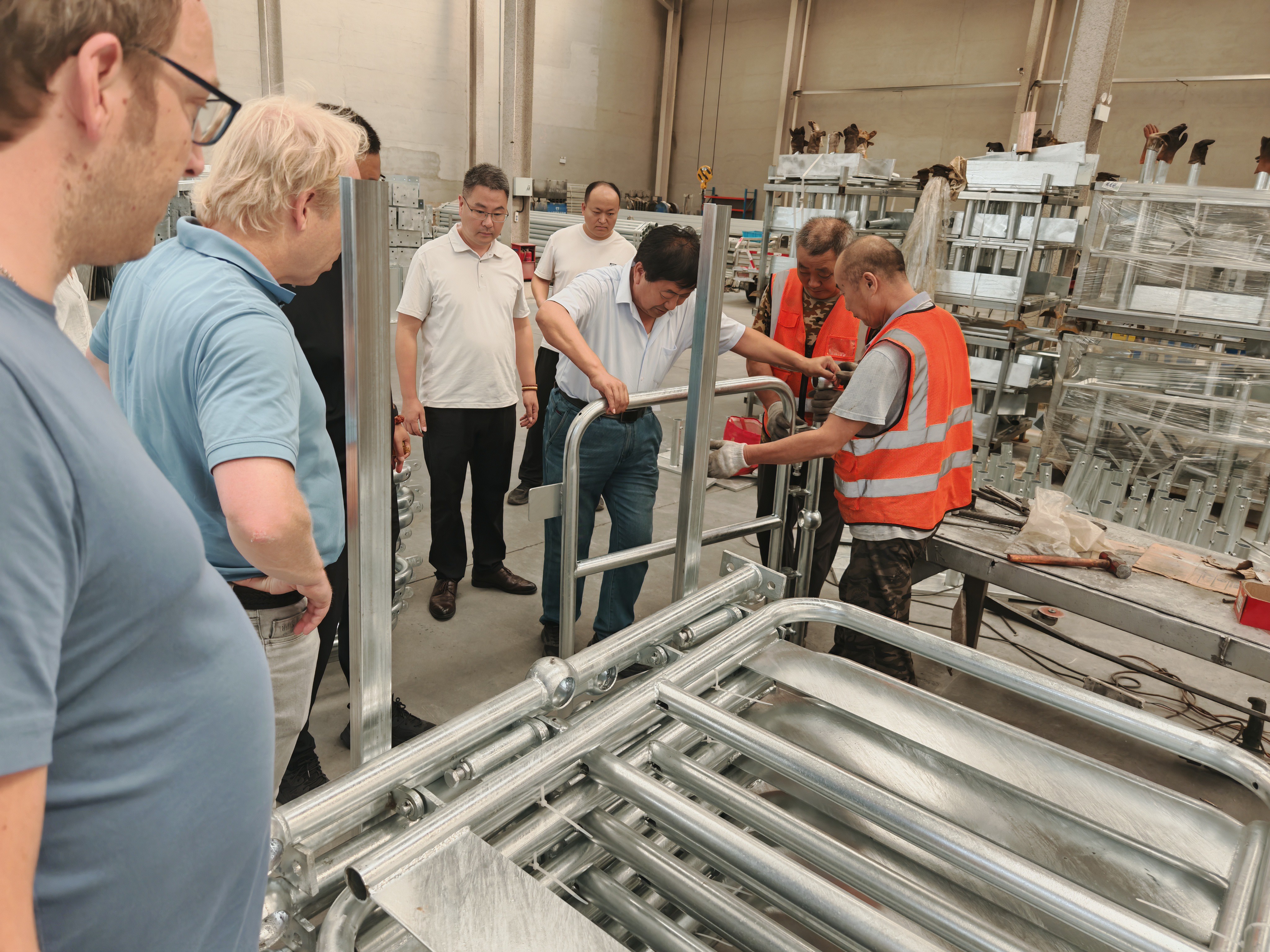
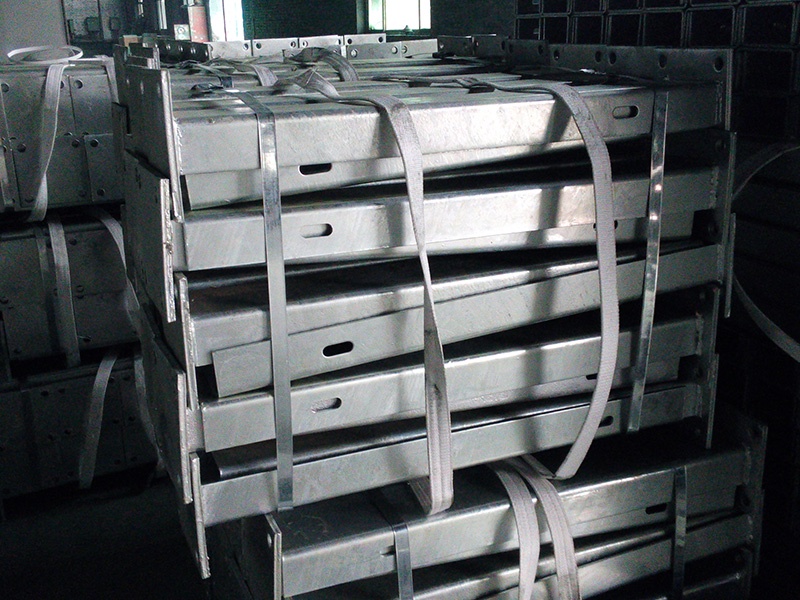
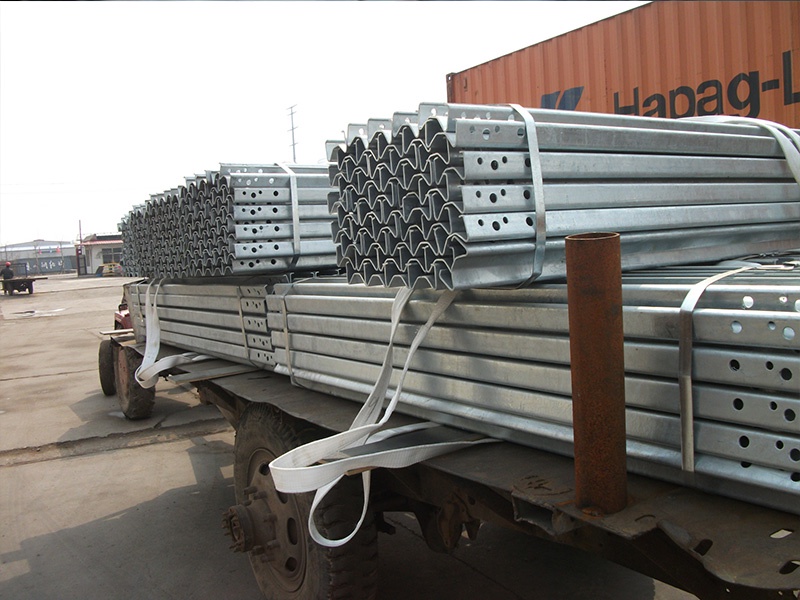
Understanding how to calculate the cost of a Z Post Guardrail System is essential for planning a safe and cost-effective highway project. From raw material selection and steel processing to galvanizing, painting, transportation, and installation, every step affects the final price. This guide will help you identify the key cost factors and make better decisions when sourcing high-quality guardrail systems tailored to your project requirements.
What Is the Real Search Intent Behind Z Post Guardrail Cost?
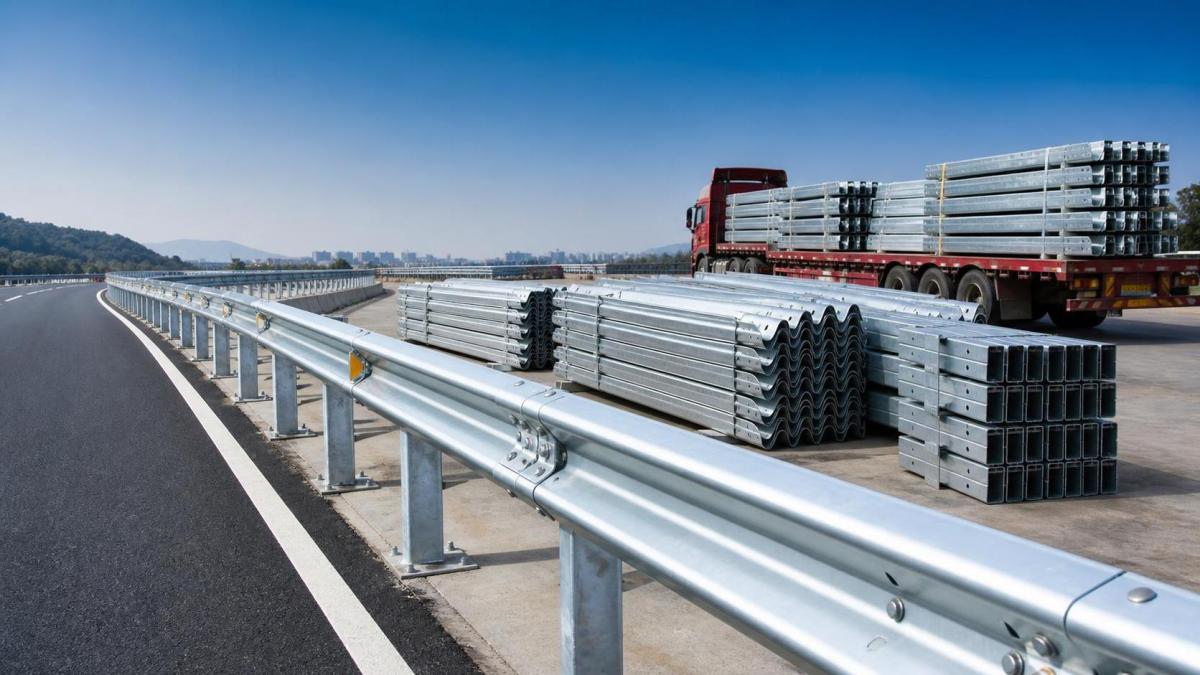
Most readers searching for the cost of a Z Post Guardrail System do not want a simple price per meter. They want a reliable way to estimate total project cost.
In practice, the final budget depends on design standards, steel specifications, coating requirements, delivery distance, installation conditions, and the safety performance expected for the road section.
For contractors, project managers, and procurement teams, the key question is usually this: how can we compare quotations accurately and avoid underestimating hidden manufacturing or installation costs?
The short answer is that guardrail pricing should be calculated as a system cost, not only a material cost. That includes posts, rails, connectors, surface treatment, logistics, and field work.
Which Cost Items Matter Most in a Z Post Guardrail System?
The largest share of cost usually comes from steel consumption. The thickness, grade, and weight of the Z posts and guardrail beams directly influence the base material budget.
Projects with longer spans, higher containment requirements, or more complex layouts will naturally require more steel. This increases both manufacturing consumption and transport weight at the same time.
Processing cost is the next major factor. Drilling, bending, rust removal, shot peening, non-destructive testing, galvanizing, and painting all add value, but also add measurable cost.
If your supplier manufactures according to project drawings, tolerances and customization level also affect pricing. Standardized components are usually more economical than heavily modified parts or irregular dimensions.
Surface protection can create a substantial cost difference. Hot-dip galvanizing is common for highway applications, while additional painting or advanced coatings may be required in aggressive environments.
In coastal areas or places with high salt fog, stronger corrosion protection often reduces long-term maintenance expense. That means a higher initial price may still produce better lifecycle value.
How Do You Calculate the Material Cost Step by Step?
A practical calculation starts with total system length. First determine how many meters of guardrail are needed, including transitions, end sections, bridge areas, medians, and ramp zones.
Next, identify the spacing and quantity of Z posts. Divide the total length by post spacing, then add extra units for curves, transitions, terminals, and reinforced sections.
After that, calculate the weight of each component. Suppliers usually quote by ton or by piece, so accurate weight data for posts, rails, spacers, bolts, and brackets is essential.
The basic formula is simple: total component weight multiplied by the steel unit price equals the raw material cost. Then add processing and coating charges for each item.
For example, if one road section requires heavier posts or thicker rails because of impact performance targets, the total steel tonnage rises quickly and changes the whole project budget.
That is why drawings, technical specifications, and crash performance requirements should always be confirmed before asking for final pricing. Early assumptions often lead to misleading comparisons.
What Manufacturing Details Commonly Change the Quotation?
Many buyers focus on steel price only, but production details can shift the quotation significantly. Hole patterns, bending difficulty, section shape, and tolerance requirements all affect factory workload.
A manufacturer with integrated capabilities can often control these variables better. When quotation, design, manufacturing, and installation support are managed together, cost planning becomes clearer and more predictable.
For highway projects with demanding impact zones, reinforcement accessories may also be required. In such cases, components like Hanging Plate can improve structural performance where guidance and stability are critical.
Made from high-quality hot-rolled steel plates, this type of component offers higher stiffness, higher impact resistance, and strong protective capability in locations such as bridge sections or ramp divergences.
If special coatings such as zinc-aluminum-magnesium or powder warning finishes are specified, those choices should be priced separately. They improve durability and visibility, but they also change production cost.
How Much Do Galvanizing, Painting, and Corrosion Protection Add?
Corrosion protection is not a minor line item. For outdoor highway steel products, it is one of the most important investments because it directly affects service life and future maintenance demand.
Hot-dip galvanizing cost is usually calculated by weight, coating thickness requirement, and processing standard. Heavier sections and stricter coating specifications will increase the total amount.
Painting adds another layer of cost through surface preparation, coating materials, labor, and curing. However, for projects needing color coding, visibility, or brand-specific finishes, it may be necessary.
In severe environments, a more durable finish can be financially sensible. Components designed for over 30 years of service in coastal or high-salt-fog areas may reduce replacement cycles substantially.
This is where buyers should think beyond purchase price. The cheapest coating option is not always the lowest-cost decision once maintenance shutdowns, repairs, and traffic disruption are included.
Why Transportation and Installation Often Surprise Buyers
Transport cost is frequently underestimated during early budgeting. Guardrail systems are bulky steel products, and freight depends on tonnage, loading efficiency, route distance, and delivery conditions.
Remote sites, phased deliveries, or difficult unloading conditions can increase logistics cost. International shipments may also include port handling, customs procedures, and packaging requirements.
Installation cost varies according to terrain, soil condition, traffic control needs, equipment access, and crew efficiency. Straight open sections are faster and cheaper than bridges, medians, or constrained roadside areas.
If old barriers must be removed first, that demolition work should be included in the estimate. The same applies to site preparation, survey adjustment, and post-installation inspection.
A complete quotation should clearly separate product supply, freight, installation, and any optional work. Without that detail, it is difficult to compare suppliers on a truly equal basis.
How Can You Compare Suppliers Without Missing Hidden Cost?
The best approach is to request a fully itemized quotation. Ask for unit prices by component, steel grade, thickness, coating standard, total weight, freight terms, and installation scope.
You should also confirm whether the supplier can design according to your plan or manufacture according to your drawings. That flexibility often matters when project schedules or standards change.
Check whether the quotation includes testing, quality inspection, galvanizing standards, and packaging. Missing details in these areas often become change orders later, which weakens budget control.
It is also useful to ask about production processes such as drilling, bending, rust removal, shot peening, and non-destructive testing. These are signs of how quality is managed before delivery.
When the project includes critical impact zones, it is worth confirming whether reinforced accessories such as a second Hanging Plate solution are recommended by the design team.
What Is the Best Way to Estimate a Realistic Project Budget?
A realistic Z Post Guardrail System budget combines material cost, manufacturing cost, coating cost, transport cost, installation cost, and a contingency for project-specific variables.
As a rule, do not rely on a single average market rate. Instead, build your estimate from drawings, quantities, technical standards, and actual site conditions.
If your project is still in planning, ask the manufacturer for a preliminary quotation based on estimated quantities, then update it once the final drawings and specifications are confirmed.
This process gives decision-makers a better basis for procurement, cost control, and lifecycle planning. It also reduces the risk of selecting a low quote that later becomes expensive.
In short, the cost of a Z Post Guardrail System is shaped by far more than steel price alone. The most reliable estimate comes from viewing the guardrail as a complete engineered safety system.
When you calculate cost this way, you can compare suppliers more accurately, control hidden expenses, and choose a solution that meets both safety targets and long-term value expectations.
Leave A Reply
Need More Details?
Contact me for details on creating and managing design projects, project features, and services and prices
consult
Our company was established in 1998. It‘s a Chinese pioneer enterprise integrating production and sales, committed to providing high-quality steel products to customers at home and abroad.

First class quality service and professional after-sales team.
Get in Touch
*We respect your confidentiality and all information are protected.