






NEWS
Categories List
Recent Posts
 Netherlands Client Delegation Visits Our Factory to Advance European Highway Guardrail CooperationOct 10, 2026
 AASHTO M180 Guardrail Requirements: A Practical Guide to Material ComplianceOct 10, 2026
 Port Safety Barriers: Selecting Protection for Vehicle Lanes and Loading AreasOct 10, 2026
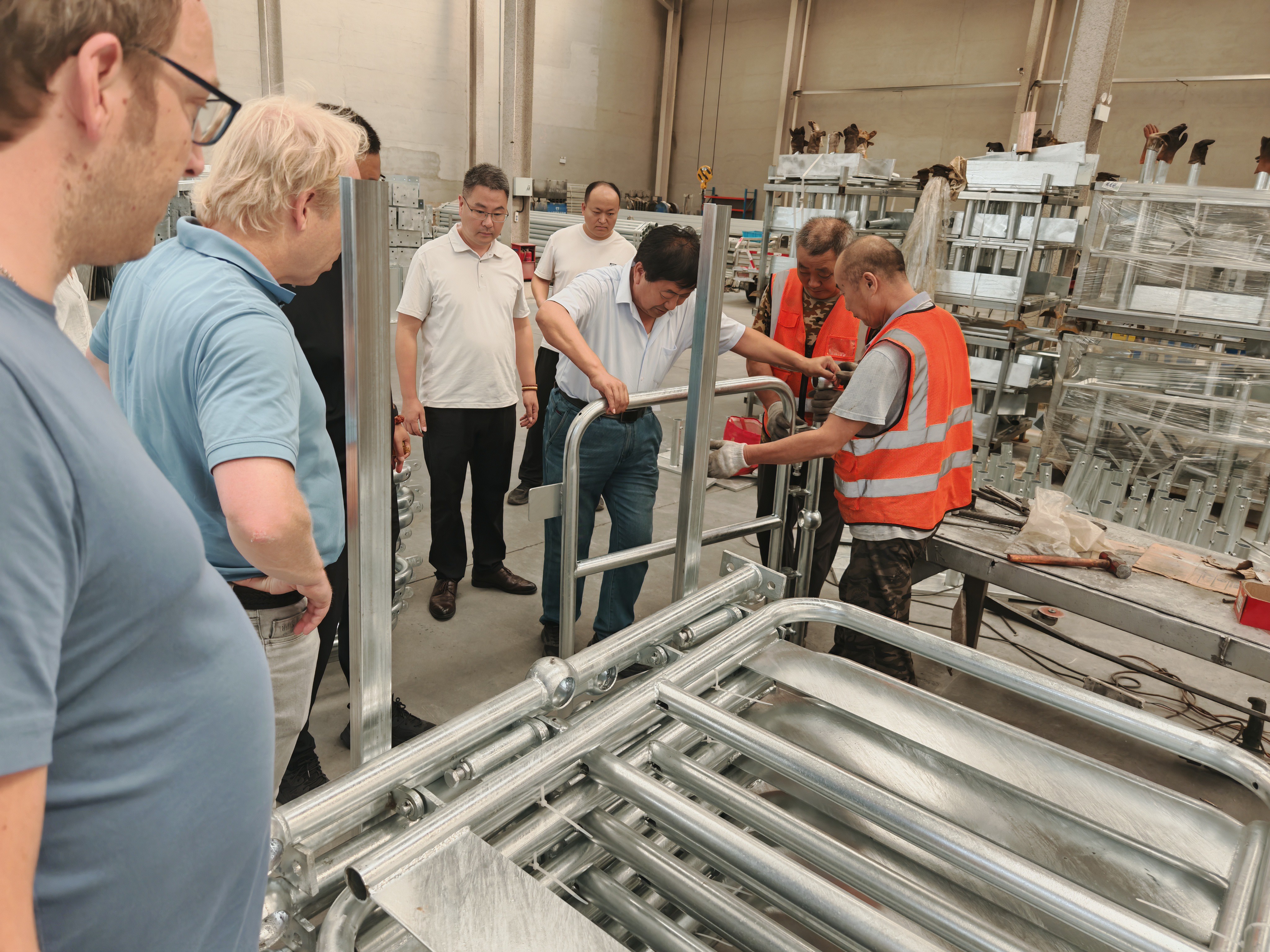
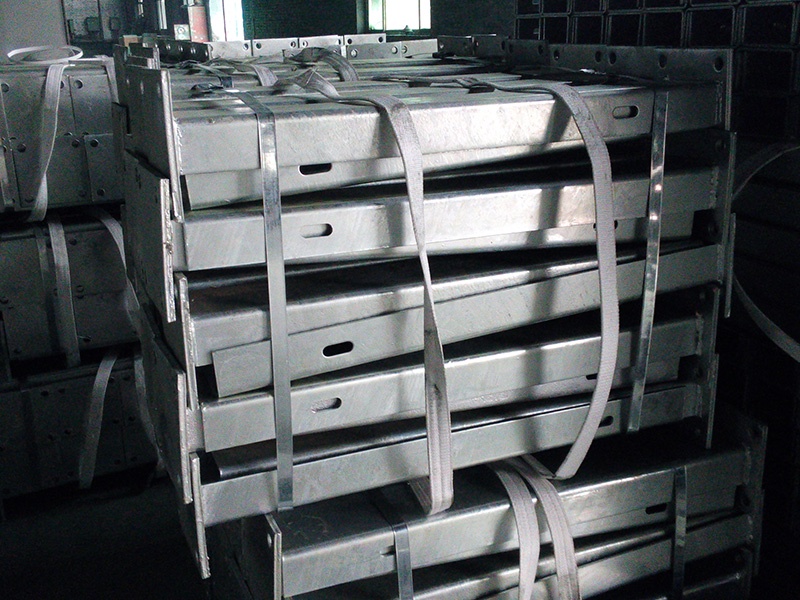
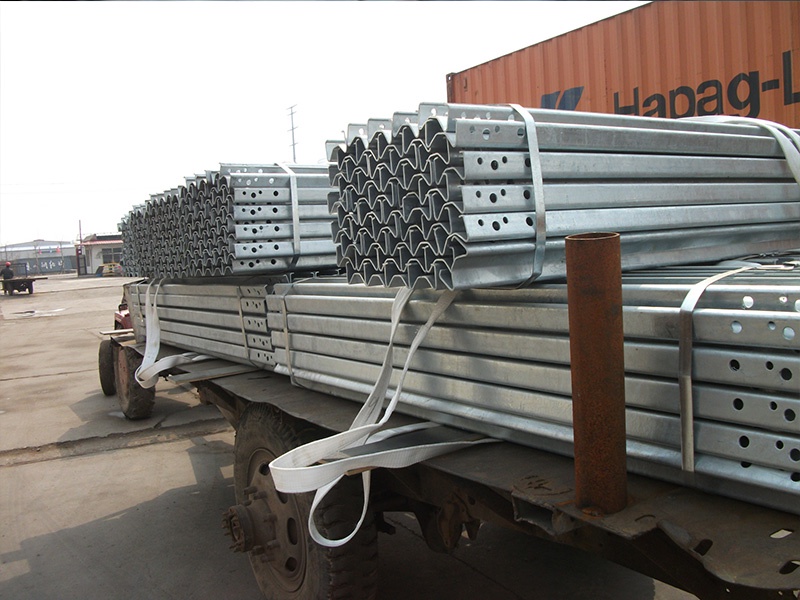
When people ask how Z post guardrails are manufactured for highway projects, what they usually want to know is simpler: will the finished system actually hold up on the road, pass inspection, and last in a harsh outdoor environment? The answer depends less on the shape of the post alone and more on how the steel is selected, formed, protected, and checked before shipment. A Z post can look fine at a glance and still create trouble later if hole positions are off, galvanizing is uneven, or the steel section is not consistent from batch to batch.
In real highway work, those details matter. Contractors care about installation speed. Engineers care about load path, dimensional accuracy, and compliance. Owners care about service life and maintenance. Good manufacturing has to satisfy all three at once.
What makes a Z post guardrail different in production
A Z post is named for its cross-sectional shape. That profile is not just a drafting preference. It affects stiffness, material use, handling, and how the post performs when supporting the rail in roadside impact conditions. In highway projects, the post and the rail work as one system, so manufacturing tolerance is not a minor issue. If the post geometry drifts too far, field alignment becomes harder and the barrier may not behave as intended.
A short answer is this: Z post guardrails are manufactured by forming structural steel into a precise Z profile, then cutting, drilling, surface-treating, coating, and inspecting each piece so it matches project drawings and applicable standards.
That sounds straightforward, but each step has failure points that experienced buyers usually watch closely.
It starts with the steel, not the coating
One common mistake is to focus only on galvanizing thickness or paint color. The base steel comes first. For highway guardrail components, manufacturers typically begin with steel that meets the mechanical and chemical requirements specified by the project or by the referenced standard. If a buyer supplies drawings, the factory should work from those dimensions and performance requirements rather than pushing a generic section that is merely “close enough.”
In practice, this early stage often includes quotation review, drawing confirmation, material planning, and production scheduling. For custom or export projects, a capable supplier will usually support more than fabrication alone. It is normal to see integrated service covering quotation, design coordination, manufacturing, and even installation support when the project requires it.
The point is simple: if the material grade is wrong, no downstream process can fully fix it.
Forming the Z profile: where dimensional control begins
After raw steel is prepared, the material is formed into the Z-shaped section. Depending on the plant setup and the product design, this may involve roll forming, bending, or a combination of section-forming operations. This step determines whether the post will maintain the correct flange angles, web dimensions, and overall straightness.
Many field problems begin here. A post that is slightly twisted may still leave the factory, but it can slow installation and create uneven rail lines on site. On a highway job, that becomes a labor issue first and a quality issue right after.
Manufacturers that routinely produce according to customer plans or fabrication drawings usually put more attention into these tolerances because they know the parts must fit into a larger system with rails, spacers, bolts, and terminal components.
Cutting and drilling are more important than they look
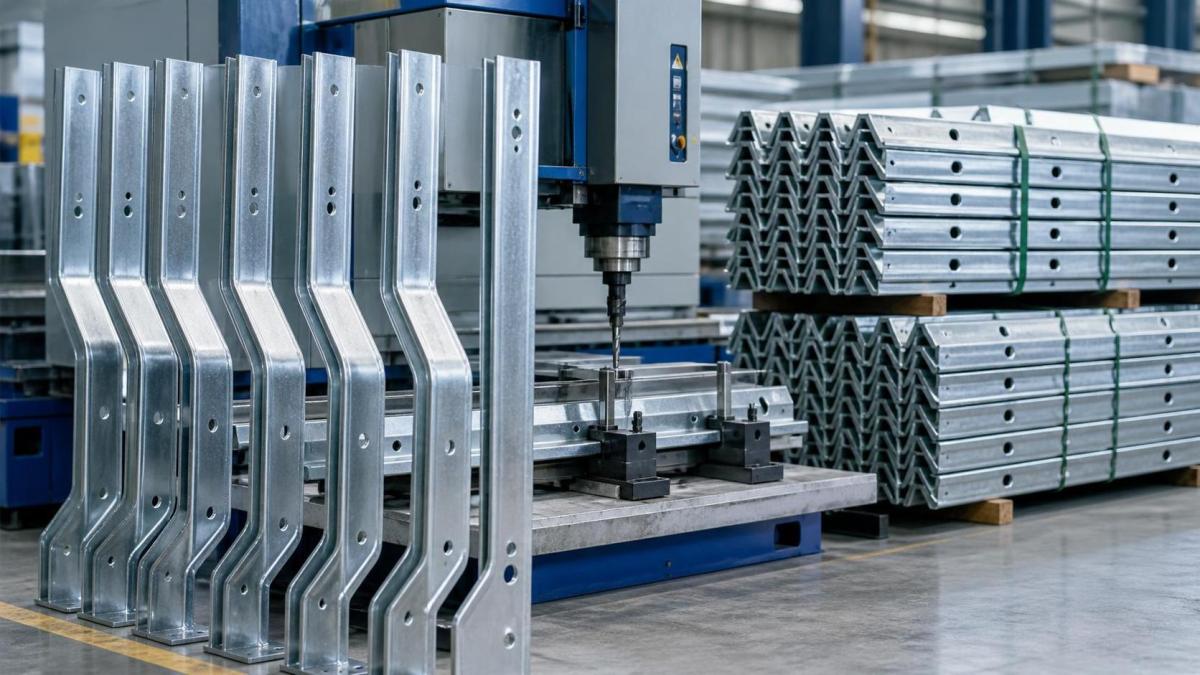
Once the Z profile is formed, posts are cut to length and drilled according to the approved drawing. Hole spacing, hole diameter, and end distance need to be consistent. This is one of the least glamorous stages of production, and also one of the most consequential.
If drilling is inaccurate, the post may still be structurally acceptable but become difficult to install. Crews then start adjusting in the field, forcing connections, reworking holes, or losing time trying to line up sections. That is expensive, and it usually signals weak shop control.
For buyers reviewing a supplier, this is a good place to ask practical questions: how are jigs controlled, how often are dimensions checked, and how are nonconforming parts separated from approved stock?
Surface preparation decides whether the coating can do its job
Before galvanizing or painting, the steel surface has to be properly cleaned. This often includes rust removal and shot peening or similar preparation processes, depending on the project requirements and the coating system. People sometimes treat this as a routine housekeeping step. It is not.
Poor surface preparation can shorten coating life, reduce adhesion, and create early corrosion points at edges or drilled holes. On highways and hazardous road sections, those weak points are exposed to water, salts, debris, and repeated temperature changes. A guardrail post with a poor surface condition may look acceptable at dispatch and disappoint within a few seasons.
Galvanizing is usually the real durability line
For most highway environments, hot-dip galvanizing is the main corrosion protection layer. The goal is not just to make the post look bright and uniform. The zinc coating needs to be applied in a way that gives reliable long-term resistance under roadside exposure.
This is why experienced specifiers do not judge coating quality by appearance alone. They check whether the galvanizing process is tied to the required standard, whether coverage at edges and holes is acceptable, and whether inspection records are available. Some projects may also require painting over galvanized steel for extra protection or for visibility and asset management reasons. When that happens, the coating sequence and compatibility need to be controlled carefully.
A useful reference point is products built for international highway markets. For example, Norway Guardrail is used in highways and hazardous road sections where impact resistance and corrosion protection matter over a long service cycle. Its wave-shaped design is intended to absorb collision energy and guide vehicles back toward their normal path, and the hot-dip galvanized finish is part of why this kind of system can be specified for long outdoor service. The exact suitability still depends on local project requirements and standard compliance.
Inspection is where good factories separate themselves
By the time Z post guardrails reach final inspection, most of the cost is already in the part. That means inspection must do more than catch obvious defects. It should confirm that the product matches drawings, required dimensions, coating expectations, and any specified testing regime.
For highway steel products, inspection may include dimensional checks, visual coating review, and non-destructive testing where the project calls for it. NDT is not necessary for every part in every order, but when it is specified, it should be treated as a real quality gate, not a sales phrase.
Documentation matters here. If you are buying for a public or large private project, ask for mill certificates, inspection records, coating reports where relevant, and confirmation that the manufacturing route matches what was quoted.
What buyers often overlook
Many first-time buyers compare only unit price per post. That is a weak way to judge a highway barrier supplier. A lower price can disappear quickly if the posts arrive with poor hole alignment, inconsistent galvanizing, or packing that leads to transit damage.
Three checks usually tell you more than a brochure does:
- Whether the manufacturer can produce to your drawings rather than only to stock sizes
- Whether the process includes drilling, bending, rust removal, shot peening, galvanizing, painting, and final inspection under one controlled workflow
- Whether the supplier can explain where its products fit relative to recognized standards such as U.S. AASHTO M180 or other local requirements that the project team must verify
That last point matters because guardrail compliance is system-based. A post may be well made and still not be the right answer for a specific roadside design if the full barrier system has different testing or regulatory requirements.
When a custom manufacturing approach makes more sense
Not every project should buy off-the-shelf components. If you are working from established road authority drawings, unusual terrain conditions, export specifications, or mixed installation packages, a manufacturer that can design according to your plan or fabricate directly to your drawings is often the better fit. That reduces the risk of site modification and helps keep procurement, fabrication, and installation aligned.
It also makes communication easier. Instead of arguing later about who assumed what, the project team can lock the dimensions, hole layouts, coating requirements, and inspection points before production begins.
Near the end of the buying process, that is the question worth asking: not just “how are Z post guardrails manufactured,” but “can this manufacturer turn my drawings and project conditions into a repeatable, inspectable product?” If the answer is yes, the highway project is already in a much better place.
FAQ
Are Z post guardrails always galvanized?
For highway use, galvanizing is very common because corrosion resistance is critical. Some projects may also require additional paint or other coating treatment.
Can a manufacturer produce Z posts from customer drawings?
Yes, many qualified manufacturers can fabricate to approved drawings. That is often the better route for projects with specific dimensions, hole patterns, or compliance needs.
What causes installation problems most often?
Inaccurate drilling, poor straightness, inconsistent section dimensions, and damaged coating are among the most common causes.
Does a thicker coating automatically mean a better guardrail post?
Not by itself. Coating quality matters, but so do steel grade, forming accuracy, hole placement, and whether the full system meets the project standard.
Is one guardrail product suitable for every highway project?
No. Road geometry, hazard level, local standards, climate, and barrier system requirements all affect selection.
Image Placeholder List
- - Suggested placement: after the section explaining forming and dimensional control; Content: Z post production line showing formed sections, drilling stations, and coated finished posts; Alt: “Z post guardrail manufacturing process for highway projects”
Internal Link Anchor Text Suggestions
- guardrail galvanizing process: coating and corrosion protection page
- highway guardrail installation requirements: installation service or technical support page
- custom steel guardrail fabrication: custom manufacturing capabilities page
- AASHTO guardrail standard overview: standards or compliance resource page
- w beam and post system selection: product comparison page
External Authority Source Suggestions
- national highway or transportation agency guardrail specification pages
- industry association standards for steel barrier systems and galvanizing
- recognized testing or certification body documentation for roadside safety systems
Leave A Reply
Need More Details?
Contact me for details on creating and managing design projects, project features, and services and prices
consult
Our company was established in 1998. It‘s a Chinese pioneer enterprise integrating production and sales, committed to providing high-quality steel products to customers at home and abroad.

First class quality service and professional after-sales team.
Get in Touch
*We respect your confidentiality and all information are protected.