






NEWS
Categories List
Recent Posts
 Netherlands Client Delegation Visits Our Factory to Advance European Highway Guardrail CooperationOct 10, 2026
 Fish Plate Connectors for Rail Joints: How to Identify Wear Before It Becomes CriticalOct 10, 2026
 AASHTO M180 Guardrail Requirements: A Practical Guide to Material ComplianceOct 10, 2026
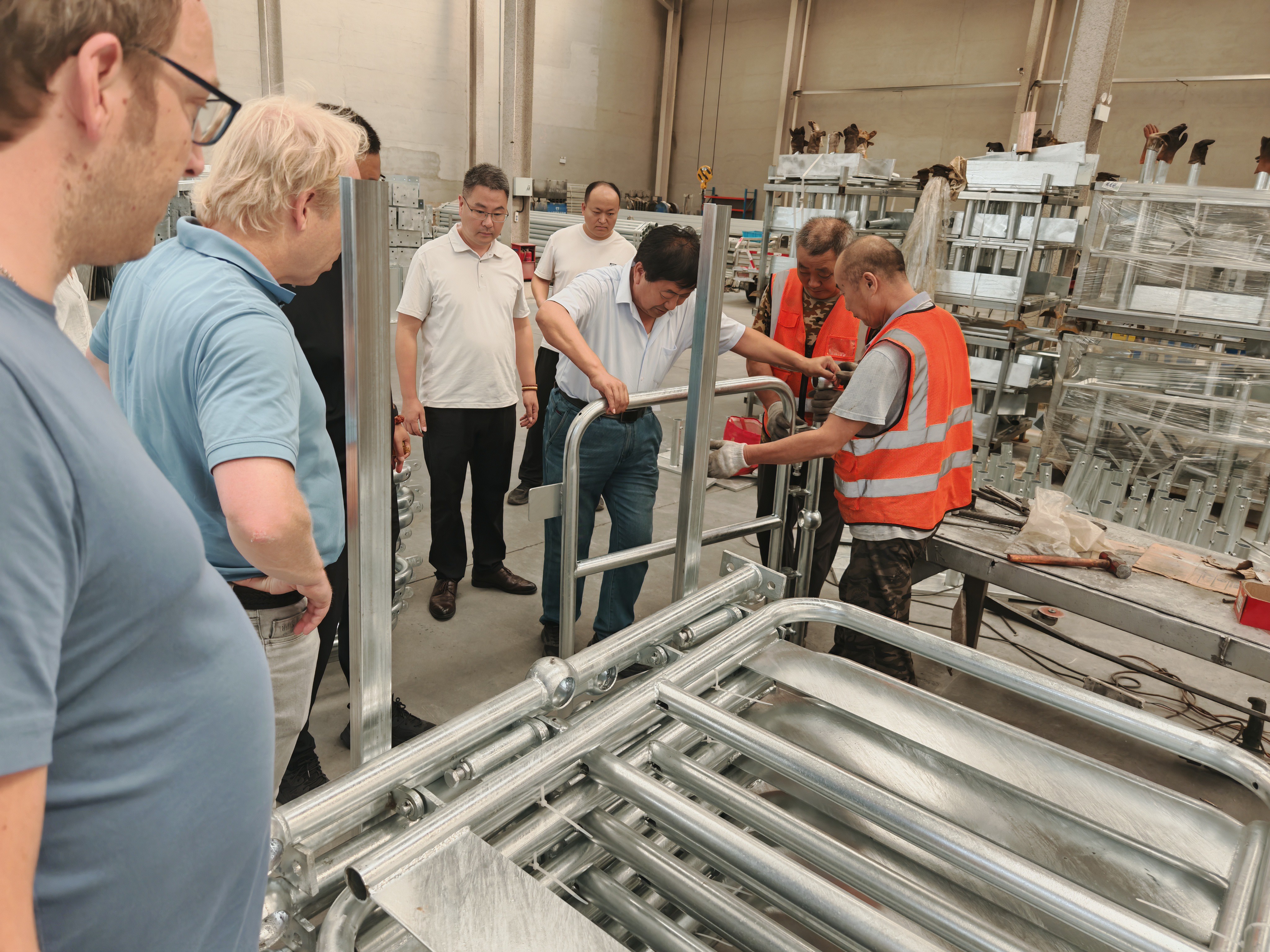
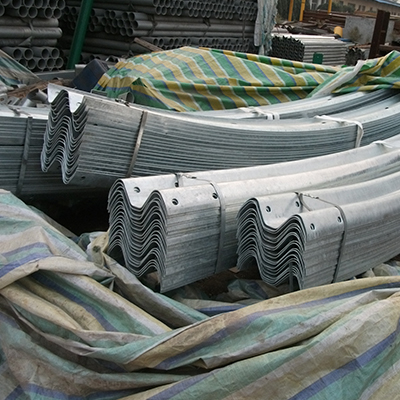
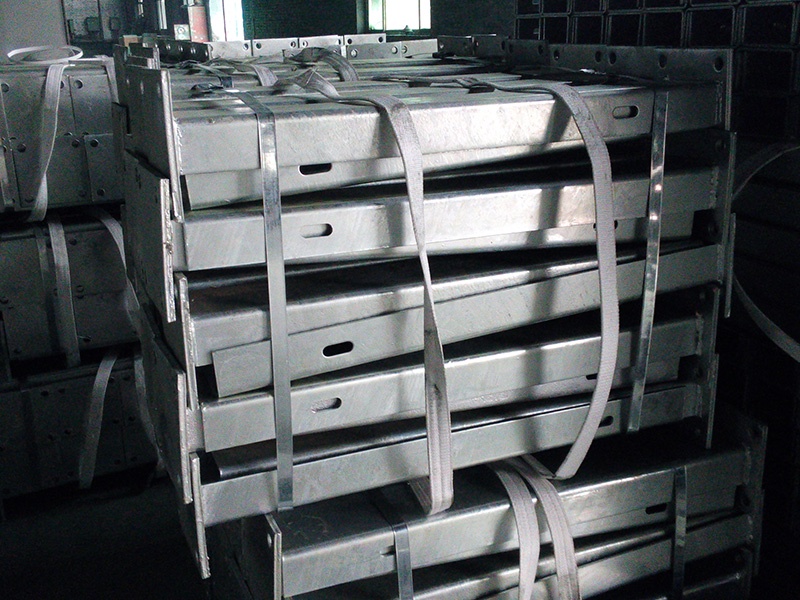
One of the most common problems in highway guardrail planning appears after the first round of pricing comes back: the same Z Post guardrail layout can produce noticeably different costs depending on steel thickness. At that point, many buyers are not really asking for a cheaper product. They are trying to understand whether a thinner post is a smart cost adjustment or a hidden risk that will create trouble later during approval, installation, or service.
This becomes especially frustrating when a project has to balance several pressures at once. Budget is limited, road conditions may be demanding, and the barrier system still needs to meet the expected performance level. If you are comparing quotes and wondering why thickness changes the number so quickly, the reason is not just “more steel costs more.” Steel thickness affects the entire chain: raw material use, forming difficulty, coating behavior, transport weight, structural performance, and even how long the system can stay in service before maintenance becomes a recurring concern.
Where the confusion usually starts
A common misunderstanding is to treat Z Post guardrail cost as if it were decided only by the visible length of the post and the market price of steel. In practice, thickness changes several linked cost factors at the same time. When that is overlooked, people may compare two quotations that look similar on paper but are built around very different assumptions.
For example, a thicker Z post generally requires more raw material per piece. That is the most obvious part. But it may also affect punching or drilling, bending consistency, surface preparation, galvanizing pickup, handling during production, packing weight, and shipping arrangement. If the project is in a corrosive environment or on a section of road where stronger performance is expected, the cost discussion should not stop at procurement price alone.
Why thickness changes price beyond the steel bill
The first layer is material consumption. A thicker section uses more steel, so the base manufacturing cost rises directly. That part is easy to see. The second layer is process cost. In guardrail manufacturing, thickness influences how the steel behaves during drilling, bending, and shaping. Tighter tolerances or more demanding post geometry can require more stable processing conditions, and that can show up in the quote.
The third layer is finishing. Highway guardrail components often go through rust removal, shot peening, non-destructive testing where required, galvanizing, or painting depending on project requirements. Thickness itself does not automatically make finishing complicated, but heavier material can affect production rhythm and coating control. When corrosion resistance is a key requirement, those details matter because a lower upfront price can lose its appeal if the barrier needs earlier intervention in the field.
Then there is logistics. A small difference in thickness spread across a full road project can mean a significant increase in total shipment weight. That affects loading plans, transport cost, and sometimes installation handling on site. If access is difficult or the project includes long-distance shipping, this part deserves attention earlier than many teams expect.
Thin, medium, or heavier gauge? The better question is where it will be used
It is tempting to ask which thickness is “best,” but the better question is which thickness fits the road condition, safety expectation, and service environment. A quieter road section with less exposure may not need the same design approach as a hazardous curve, slope edge, bridge approach, or impact-prone roadside area.
That is where cost evaluation becomes more practical. A thinner option may reduce purchase cost, but if it is selected for a demanding location without proper design review, the savings may be misleading. A thicker option may look more expensive at the quotation stage, yet make more sense where impact performance, stability, and durability are more important than the initial reduction in spending.
Many procurement mistakes happen because thickness is discussed in isolation, without looking at the full barrier system. The post, beam, spacing, coating, installation method, and site conditions all influence whether the thickness choice is reasonable. If a supplier can only price from a brief item description and not from drawings or site requirements, the comparison may remain incomplete.
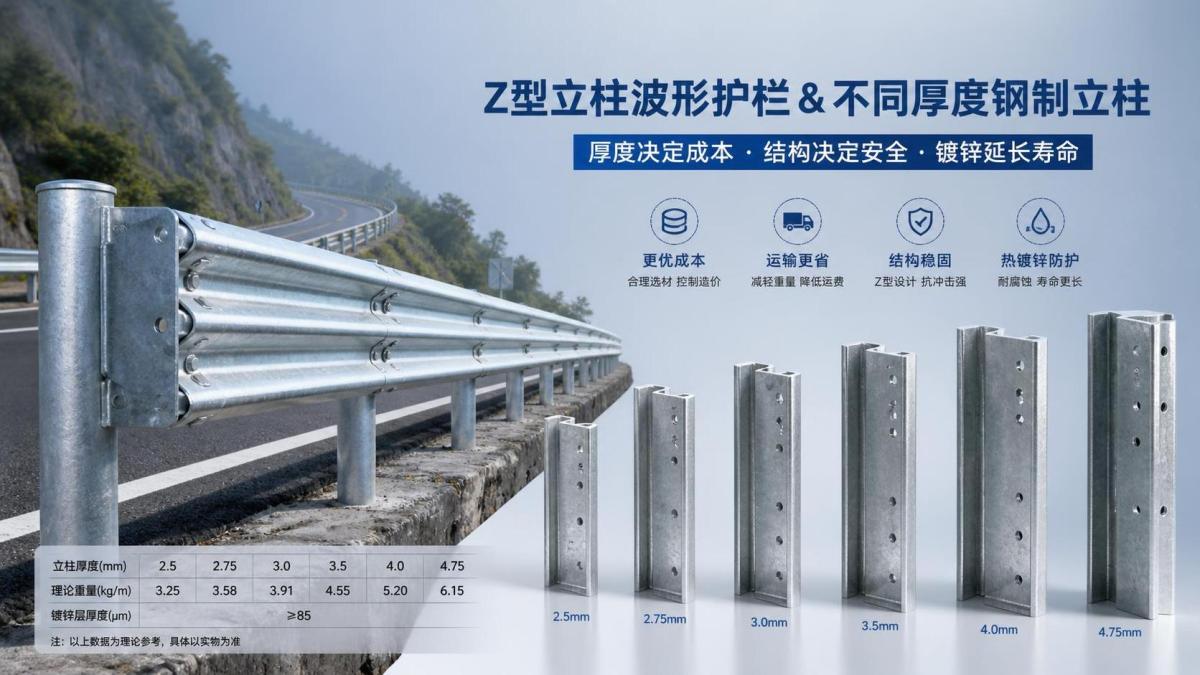
A practical way to judge whether the quoted thickness makes sense
When reviewing a quotation, start by checking whether the supplier is pricing from your drawing, from a standard configuration, or from assumptions they created to fill missing information. That matters because two Z Post guardrail quotes may differ not only in thickness but also in hole pattern, post dimensions, steel grade assumptions, coating type, and manufacturing scope.
Next, ask what performance requirement the thickness is meant to support. If the answer is vague, you may not be comparing the right basis. A useful discussion is not “Can you make it cheaper?” but “What changes if the thickness is reduced here?” The answer should relate to application, processing, expected durability, and compatibility with the rest of the guardrail design.
It also helps to separate short-term and long-term cost. Short-term cost includes material, production, coating, packing, and transport. Long-term cost includes maintenance frequency, replacement risk, downtime around repairs, and whether early corrosion or deformation could create future work. This does not mean thicker is always better. It means the cheapest visible quote is not always the lowest project cost.
When customized manufacturing becomes important
Thickness decisions become more manageable when the manufacturer can work from actual plans or drawings rather than forcing a one-size-fits-all part. In guardrail projects, that flexibility matters because post shape, drilling position, bending details, and protective finish need to align with the intended installation.
A manufacturer that can support quotation, design coordination, production, and installation planning is often easier to work with when the thickness question is still open. That is especially useful if your project includes fabrication steps such as drilling, bending, rust removal, shot peening, non-destructive testing, galvanizing, or painting based on different technical requirements. In that situation, the “cost of thickness” is really the cost of the full manufacturing route needed to deliver the correct component.
In some road sections, the post is only one part of a broader safety arrangement. For curved alignments and hazardous road sections, it may be worth considering how the post selection works with the beam system itself. Products such as Bend Highway Guardrail are used in highways and hazardous road sections where guiding vehicles back toward their normal path and absorbing impact energy are both important concerns. Its wave-shaped design, hot-dip galvanized coating, corrosion resistance, and international standard certifications are relevant not because they “replace” the thickness discussion, but because they show how material choice and system design need to be evaluated together rather than separately.
Misjudgments that usually lead to the wrong purchase
One frequent mistake is choosing thickness purely by unit price. That approach ignores whether the post is being installed in a mild environment or a more demanding one. Another is assuming any thicker section automatically guarantees better value. If the design is overbuilt for the site, you may simply be paying for extra weight and processing without practical benefit.
A third mistake is overlooking coating and service life. If a project expects long outdoor exposure, corrosion resistance should be part of the conversation from the start. Some guardrail systems are selected partly because they are built for extended service with protective finishes, such as hot-dip galvanizing, and can remain in use for many years when matched correctly to the environment. That can matter as much as the nominal post thickness.
There is also the approval issue. If the specified thickness does not align with the required standards, drawings, or local project expectations, a lower quote can create delays rather than savings. Rework in manufacturing or changes after delivery are usually more expensive than clarifying the requirement early.
So how should you make the decision?
If you are trying to control Z Post guardrail cost without creating future problems, the safest approach is to treat thickness as a design and application decision first, and a price variable second. Begin with the road condition, expected impact demands, environmental exposure, and drawing requirements. Then compare quotations that are based on the same scope.
Ask the manufacturer to explain what is included in the price, what thickness assumption has been used, and whether any change would affect fabrication, coating, transport, or installation. If the project involves special alignments or higher-risk sections, review whether the post choice should be coordinated with barrier products like Bend Highway Guardrail, especially where impact energy absorption, corrosion resistance, and long service life are part of the selection logic.
In the end, steel thickness affects cost because it changes more than the weight of the post. It shapes manufacturability, protective finishing, transport, field handling, and the likely service performance of the barrier. Once that is clear, it becomes much easier to judge whether a quote is actually economical or only looks cheaper at first glance.
Leave A Reply
Need More Details?
Contact me for details on creating and managing design projects, project features, and services and prices
consult
Our company was established in 1998. It‘s a Chinese pioneer enterprise integrating production and sales, committed to providing high-quality steel products to customers at home and abroad.

First class quality service and professional after-sales team.
Get in Touch
*We respect your confidentiality and all information are protected.