






Categories List
Recent Posts
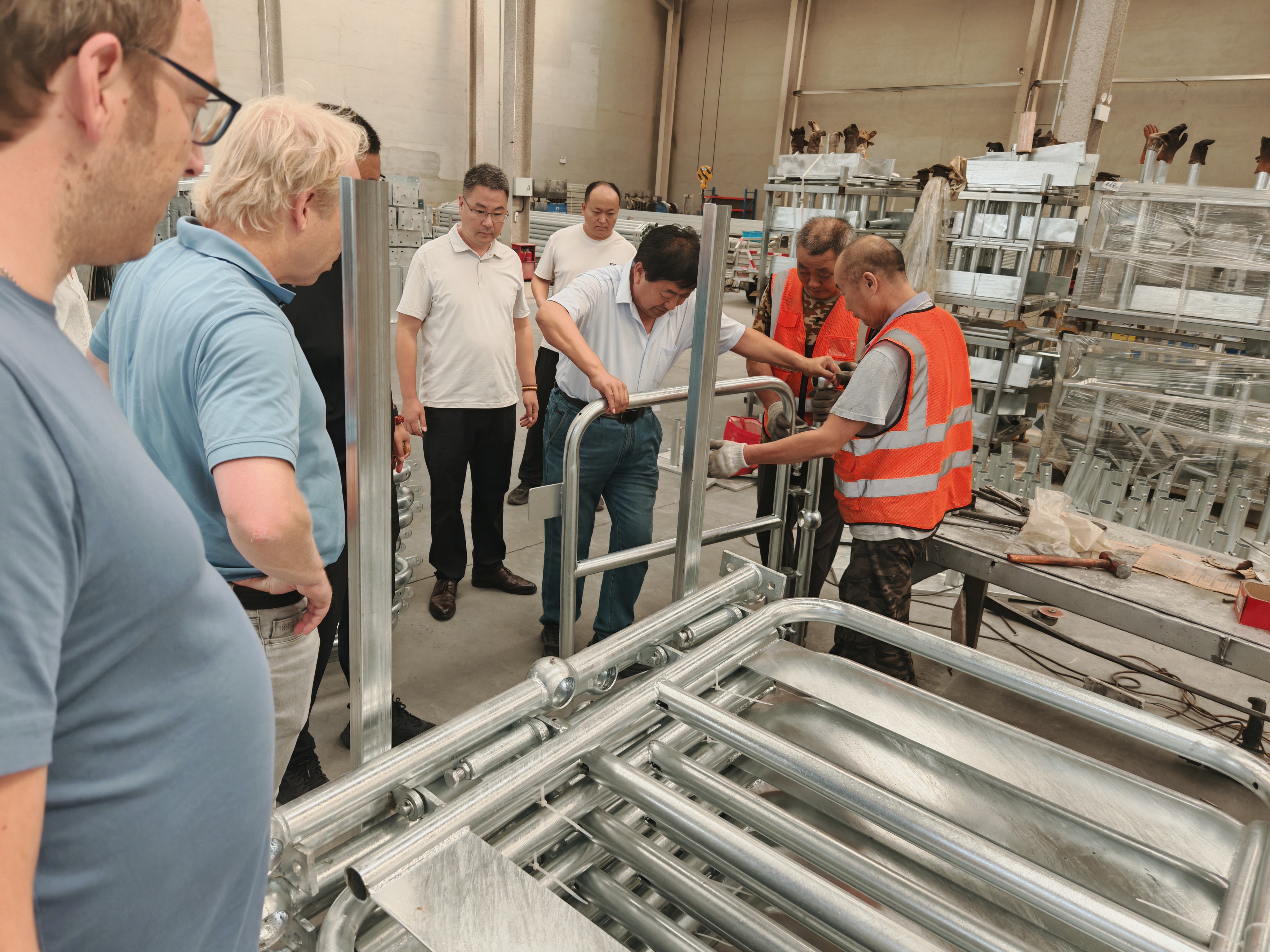
 Netherlands Client Delegation Visits Our Factory to Advance European Highway Guardrail CooperationOct 10, 2026
 Fish Plate Connectors for Rail Joints: How to Identify Wear Before It Becomes CriticalOct 10, 2026
 AASHTO M180 Guardrail Requirements: A Practical Guide to Material ComplianceOct 10, 2026
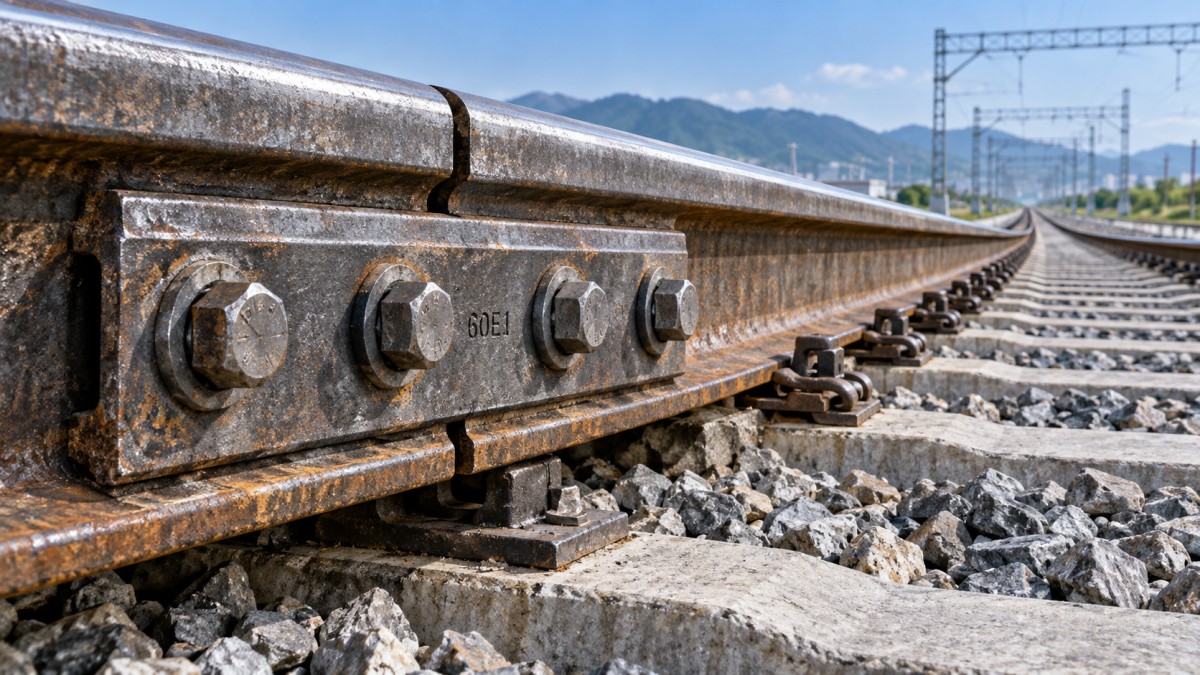
For rail maintenance teams, a Fish Plate Connector is more than a simple joint component. It holds two rail ends in working alignment, shares wheel loads across the joint, and helps control the small movements that occur as steel expands, contracts, and carries repeated traffic. When a connector begins to wear, corrode, crack, or lose bolt preload, the warning may be subtle at first. Left untreated, however, a local defect can develop into joint batter, gauge problems, broken fasteners, or an unplanned service interruption.
The practical challenge is that rail joints rarely fail in one dramatic moment. Most deteriorate through a sequence of small changes: a dark rust line at the rail end, a bolt that repeatedly needs tightening, a polished contact mark where parts should not be rubbing, or a growing dip felt during a track walk. Knowing how to read these signs early gives maintenance personnel time to plan corrective work instead of responding to an urgent defect.
Start with the joint’s working condition, not just its appearance
A quick visual check is useful, but a clean-looking fish plate can still be carrying load poorly. Inspection should consider the whole joint assembly: rail ends, fish plates, bolts and nuts, washers, holes, sleepers or supporting structure, ballast condition, and evidence of movement around the joint.
Before beginning, confirm that the correct access controls, possession arrangements, and local safety procedures are in place. Remove loose dirt, grease, compacted debris, and flaking corrosion where necessary. A joint cannot be assessed reliably when key contact areas are hidden.
Then look at the rail ends from both sides. Are they level? Is there a visible step between rail heads? Does the joint appear to pump under traffic, or is there staining that suggests water is collecting beneath it? A Fish Plate Connector may be intact while the support condition below the joint is deteriorating. In that situation, replacing the plate alone may only postpone the problem.
Warning signs that deserve immediate attention
Cracks at bolt holes and rail-end contact zones
Cracking is among the most serious conditions to identify. Examine the edges of bolt holes, the plate’s web, and the transition areas where stress concentrates. Fine cracks may be obscured by rust, paint, or dirt, so angled lighting and close inspection are helpful. Where the maintenance procedure requires it, non-destructive testing can help distinguish superficial corrosion marks from active cracking.
Do not assume that a small crack is harmless because the joint remains in service. Repeated wheel loading can extend a crack quickly, especially where bolts have loosened or the rail ends are striking each other. Any suspected structural crack should be recorded, assessed under the applicable rail authority requirements, and escalated for repair or replacement.
Loose bolts are usually a symptom as well as a defect
A loose nut, missing washer, broken bolt, or elongated bolt hole reduces clamping force and permits movement between the rail and connector. Look for bright fretting marks around bolt shanks, rust powder around holes, shifted washers, or polished areas on the fish plate. These are often signs that components have been moving under load.
Simply retightening hardware can be appropriate when the components and rail holes remain sound. But repeated loosening calls for a broader investigation. Check whether the rail joint is unsupported, whether the plate is distorted, whether incorrect hardware has been installed, or whether thermal movement is being restrained elsewhere in the track.
Corrosion that changes section thickness
Surface oxidation is not automatically a reason to replace a connector. The concern rises when corrosion becomes layered, deeply pitted, or concentrated near bolt holes and bearing faces. Moisture trapped between the fish plate and rail web can create hidden corrosion, particularly in wet cuttings, coastal environments, industrial areas, and locations where drainage is poor.
Pay attention to the lower portion of the joint. This area often receives less attention than the rail head, yet it is where water, ballast fines, and contaminants can accumulate. If the plate has lost noticeable material, has delaminating scale, or no longer seats evenly against the rail, it should not be treated as a cosmetic issue.
Deformation, gaps, and battered rail ends
A fish plate should sit flush against the rail web with no obvious bowing, twisting, or uneven bearing. A visible gap can indicate an incorrect profile, accumulated corrosion, damaged rail surfaces, or a connector that has been bent by impact and cyclic loading. Compare both sides of the joint; asymmetry often tells the story.
Battered rail ends are another important clue. Mushrooming, chipping, peening, or a stepped running surface suggests that the joint is receiving impact rather than transferring load smoothly. In many cases, the repair scope must address rail-end condition and support beneath the joint, not merely the connector itself.
A field routine that helps catch deterioration earlier
Consistency matters more than an overly complicated inspection form. For planned maintenance rounds, a useful sequence is to observe the joint from a distance, inspect it close-up, check fastener condition, assess alignment and support, and document anything that is changing over time.
- Observe: Look for rail-end dip, unusual joint movement, water retention, displaced ballast, and visible alignment changes.
- Clean and examine: Check both fish plates, bolt heads, nuts, washers, holes, and rail-contact faces for cracking, corrosion, wear, and deformation.
- Verify fasteners: Use the approved torque or preload method specified for the route and hardware. Avoid judging tightness only by visual appearance.
- Measure where required: Record joint gap, level difference, gauge condition, and any significant loss of section or hole elongation according to the maintenance standard.
- Trend the condition: Photographs, location references, and repeat measurements make it easier to see whether a defect is stable or progressing.
A simple condition record is particularly valuable for joints in high-traffic sections, curves, turnouts, bridge approaches, and areas with known drainage problems. These locations can impose higher dynamic loads or environmental exposure, making minor defects more likely to grow.
Common inspection mistakes that create avoidable risk
One frequent mistake is concentrating only on the bolts. Fasteners are essential, but a fully tightened assembly cannot compensate for a cracked plate, a worn rail end, or poor support beneath the joint. Another is treating red rust as the only corrosion indicator. Black staining, trapped moisture, pitting, and flaking scale can be more meaningful than color alone.
Maintenance teams should also avoid mixing hardware without checking compatibility. Bolt diameter, length, thread condition, washers, nuts, and connector profile must suit the rail section and approved joint design. A component that appears close enough may create uneven loading or incomplete seating. When replacement is necessary, verify the rail profile, hole pattern, material requirements, protective treatment, and required testing before installation.
Repair decisions: when monitoring is no longer enough
Monitoring may be appropriate for light surface corrosion or minor, stable markings where measurements remain within the applicable maintenance limits. Intervention becomes more urgent when there is confirmed cracking, broken or missing hardware, severe section loss, recurring bolt loosening, elongated holes, visible distortion, significant rail-end batter, or movement that affects running quality.
The repair plan should restore the joint as a system. That may involve replacing the Fish Plate Connector and fasteners, correcting rail-end damage, improving drainage, packing or renewing support, and checking adjacent track geometry. If a defect has been present long enough to cause repeated impact, a narrow “replace the plate” approach may leave the real cause untouched.
Durability starts before installation
For transport infrastructure, reliable steelwork depends on accurate drilling, controlled forming, suitable corrosion protection, and inspection before components reach the site. Manufacturing capabilities such as rust removal, shot peening, non-destructive testing, hot-dip galvanizing, and protective painting can be selected according to the drawing, operating environment, and asset owner’s specification.
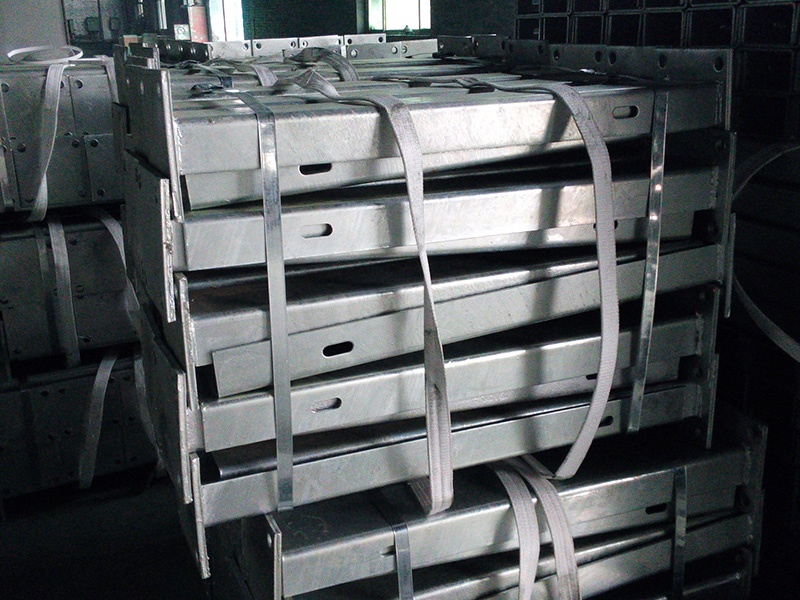
The same principle applies across transport safety assets. For example, highway guardrail systems require properly matched supports, fasteners, and protective finishes to transfer impact loads safely into the foundation. A U Post Base Plate is designed for that separate application, with galvanized options and configurations that can be adapted to specified site conditions. While it is not a rail-joint component, it illustrates an important maintenance lesson: steel connections perform best when the entire load path, coating condition, fit-up, and installation detail are considered together.
Rail joints deserve the same disciplined view. By identifying movement, corrosion, cracks, bolt problems, and deformation before they become severe, after-sales maintenance teams can schedule work with greater confidence, protect track availability, and reduce the chance that a manageable defect turns into a critical one.
Leave A Reply
Need More Details?
Contact me for details on creating and managing design projects, project features, and services and prices
consult
Our company was established in 1998. It‘s a Chinese pioneer enterprise integrating production and sales, committed to providing high-quality steel products to customers at home and abroad.

First class quality service and professional after-sales team.
Get in Touch
*We respect your confidentiality and all information are protected.