






NEWS
Categories List
Recent Posts
 Netherlands Client Delegation Visits Our Factory to Advance European Highway Guardrail CooperationOct 10, 2026
 AASHTO M180 Guardrail Requirements: A Practical Guide to Material ComplianceOct 10, 2026
 Port Safety Barriers: Selecting Protection for Vehicle Lanes and Loading AreasOct 10, 2026
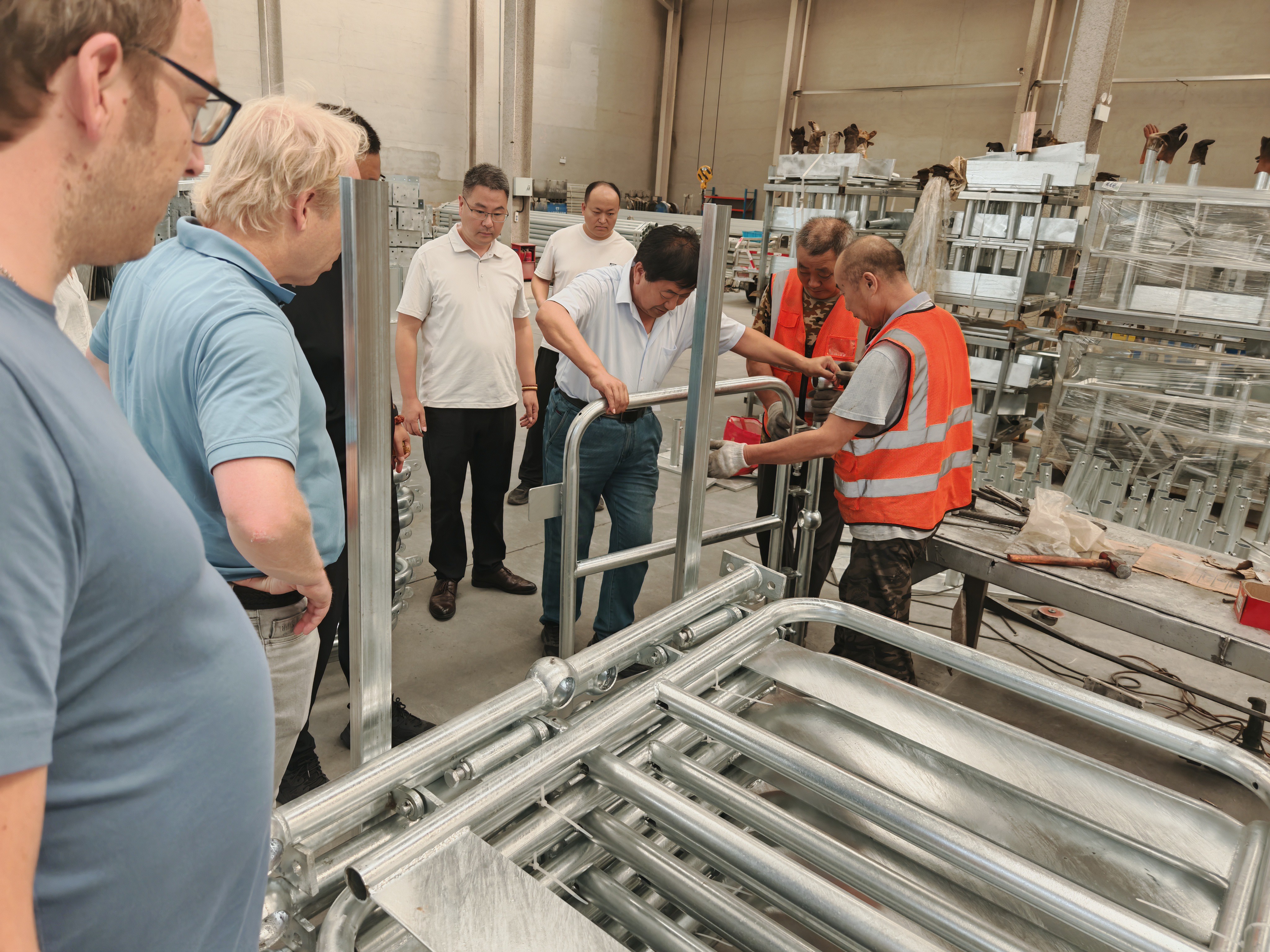
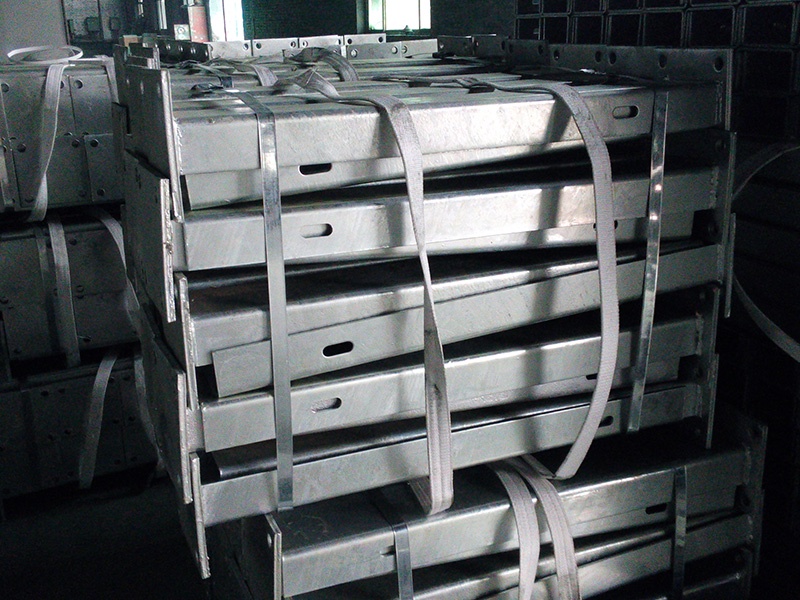
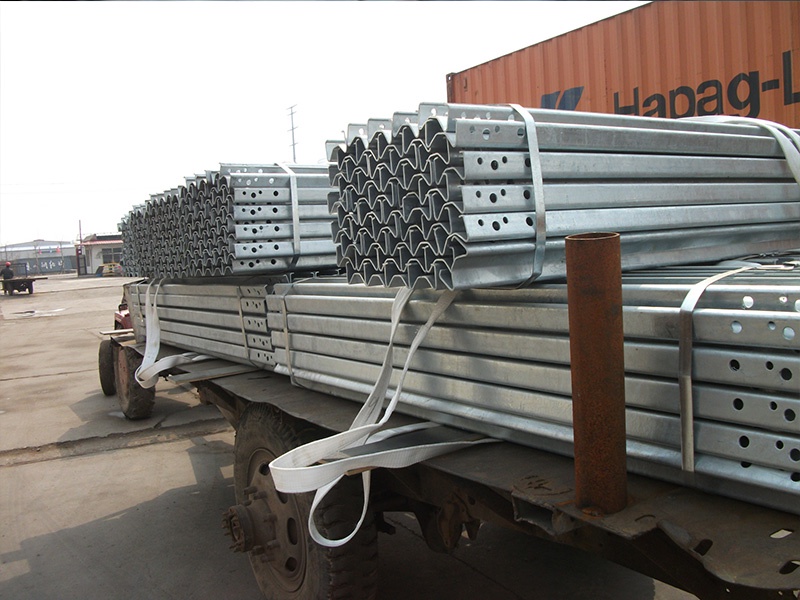
A reliable highway guardrail quality inspection checklist is essential for ensuring safety, durability, and compliance in every transportation project. From raw material verification to drilling, bending, galvanizing, painting, and non-destructive testing, each step directly affects final performance. For manufacturers and project contractors, a clear inspection process helps reduce risks, improve product consistency, and ensure every highway guardrail meets strict engineering requirements.
What Buyers and Project Teams Really Need from a Guardrail Inspection Checklist
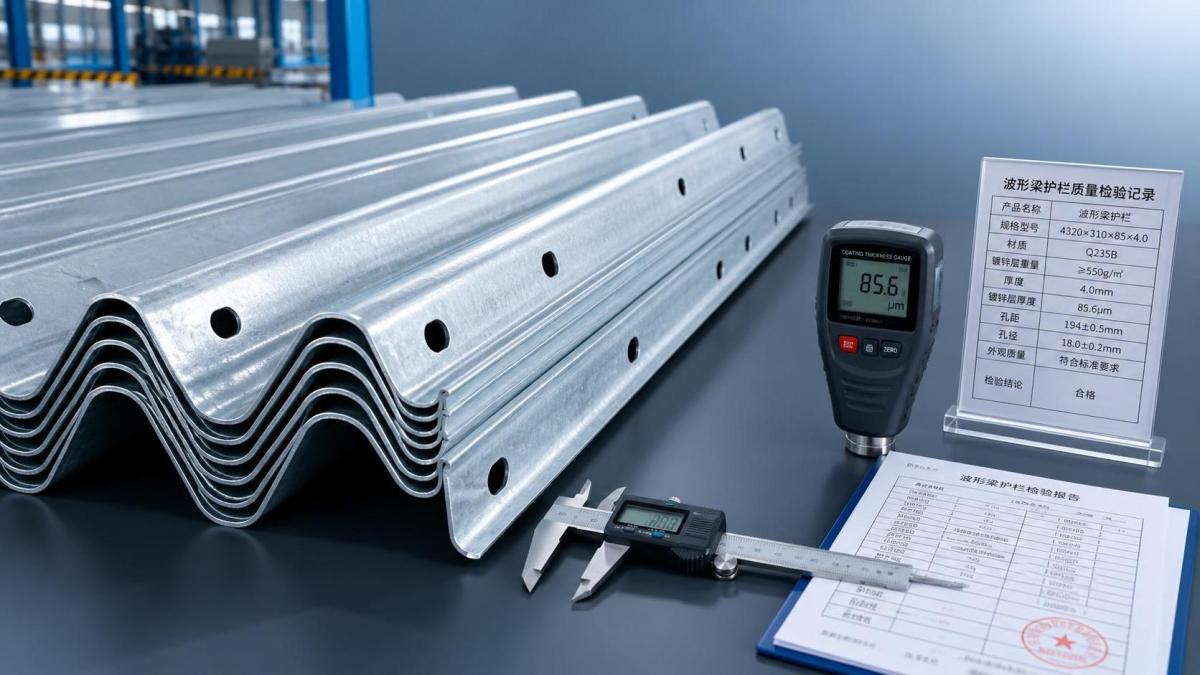
Most readers searching for a highway guardrail quality inspection checklist want something practical. They need to know what to inspect, when to inspect it, and which defects create real project risk.
For contractors, consultants, and procurement managers, the checklist is not just a factory document. It is a control tool for verifying compliance, avoiding rework, and protecting long-term roadway safety.
The most useful checklist should cover the full production path. That includes raw material review, dimensional checks, forming accuracy, hole positioning, coating quality, testing records, and final delivery condition.
It should also help teams separate minor appearance issues from defects that affect strength, crash performance, corrosion resistance, or installation efficiency. That distinction saves time and supports better decisions on acceptance.
Start with Raw Material Verification Before Production Begins
Quality inspection should begin before the first forming operation. If the steel does not meet specification, later process control cannot fully recover the required structural performance or corrosion resistance.
Inspectors should confirm the grade, thickness, width, heat number, and mill certificate of the steel coil or plate. Material traceability is especially important for projects with strict owner or government approval requirements.
Visual checks should confirm there are no serious surface laminations, cracks, edge damage, heavy rust, or contamination that could affect forming, galvanizing, or coating adhesion during later stages.
Where the project calls for special components in high-risk sections, material review becomes even more important. Elements such as End Cover units often use high-quality hot-rolled steel plates to deliver higher stiffness and impact resistance.
Check Drilling and Hole Position Accuracy Carefully
Improper hole location is one of the most common causes of installation delays on site. Even when the guardrail beam looks acceptable, poor hole spacing can create alignment issues during assembly.
The inspection checklist should include hole diameter, center distance, edge distance, slot shape, burr condition, and pattern consistency against approved drawings. Random batch sampling is useful, but critical projects may need tighter inspection frequency.
Inspectors should verify that drilling does not introduce cracking, tearing, or distortion around the hole. Burrs and sharp edges should be controlled because they can affect fit-up and coating continuity.
For projects manufactured according to client drawings, every drilled pattern should be matched against the released revision. Many nonconformance problems come from using outdated production drawings rather than actual machining errors.
Inspect Bending and Forming for Shape Stability and Structural Integrity
Bending quality directly affects whether a guardrail performs as intended during vehicle impact. Poor forming can reduce section efficiency, create residual stress, or lead to mismatch during post and beam installation.
A strong checklist should include profile dimensions, wave geometry, straightness, twist, camber, flange condition, and end-shape consistency. Measuring jigs or templates are often the most efficient way to control repeated production.
Inspectors should also watch for surface cracks, local thinning, wrinkles, or deformation caused by incorrect tooling or excessive forming pressure. These defects may not always be obvious from a quick visual review.
This is especially relevant in critical locations such as bridge sections, median openings, ramp divergences, and pier protection zones. Components designed for these areas often require extremely high section modulus and bending stiffness.
Do Not Treat Surface Preparation as a Secondary Step
Rust removal, shot peening, and surface cleaning have a direct influence on coating performance. If pretreatment is inconsistent, even a thick galvanized or painted finish may fail earlier than expected.
The checklist should confirm that oil, scale, rust, and debris are properly removed before galvanizing or painting. Surface condition should be evaluated for cleanliness, roughness suitability, and freedom from embedded contaminants.
Where shot peening is part of the process, inspectors should verify coverage and consistency, especially if the purpose is to improve surface readiness or reduce the risk of localized weakness.
In practical terms, good surface preparation supports better adhesion, more stable corrosion protection, and fewer maintenance disputes after delivery. It is one of the most overlooked factors in highway guardrail quality control.
Galvanizing Inspection Is Critical for Service Life
For outdoor steel safety systems, galvanizing quality is often as important as dimensional accuracy. A guardrail that meets size requirements but has weak coating protection may still fail the owner’s durability expectations.
The quality inspection checklist should cover coating thickness, coating uniformity, adhesion, bare spots, runs, ash inclusion, dross pimples, uncoated edges, and drainage-related defects from the galvanizing process.
Inspectors should compare measured coating values with project standards and applicable specifications. Measurements should be taken at representative points instead of relying only on average numbers from limited areas.
In aggressive environments such as coastal highways or high-salt-fog zones, coating performance matters even more. Some special protective components use zinc-aluminum-magnesium coatings to support service life beyond 30 years.
Painting Quality Should Be Evaluated for More Than Color
Where painting is specified, inspection should go beyond checking appearance. The coating system must also meet thickness, adhesion, curing, and continuity requirements for the intended exposure conditions.
The checklist should include paint type confirmation, dry film thickness, color consistency, edge coverage, surface defects, and damage caused during handling. Warning colors such as yellow and green must remain clear and stable.
Inspectors should also verify that paint is applied over a properly prepared and compatible substrate. Many coating failures happen because the base surface or process sequence was not controlled correctly.
This point becomes especially important for safety-related accessories and transition elements installed in visually sensitive or high-guidance areas, where coating durability and visibility both support system performance.
Use Non-Destructive Testing and Mechanical Verification Where Needed
Not every project requires the same level of testing, but higher-specification work often benefits from non-destructive testing and mechanical verification. These checks provide confidence beyond visual and dimensional inspection.
The checklist may include weld inspection, thickness verification, coating integrity checks, and other non-destructive testing methods specified by the client or the governing standard. Records should be complete and traceable.
Where a component must deliver high rigidity with minimal deformation, testing becomes a stronger decision tool. This is relevant for products used in high-risk expressway sections or impact-prone protection zones.
For buyers evaluating manufacturing partners, the key question is whether testing is integrated into process control or only prepared for documentation at shipment. That difference says a lot about actual quality culture.
Final Inspection Before Packing and Delivery
Final inspection should confirm that the finished guardrail products match drawings, specifications, markings, quantities, and packaging requirements. This is the last opportunity to catch problems before they become site claims.
Inspectors should review dimensions, hole alignment, coating finish, labeling, bundle condition, and traceability documents. Packing should protect edges and surfaces during transport, loading, and unloading.
It is also useful to verify that mixed components are correctly grouped for field installation. Delivery confusion can create avoidable delays even when manufacturing quality itself is acceptable.
For specialized accessories such as End Cover assemblies, final review should confirm the correct application type, finish specification, and compatibility with the related guardrail system.
How to Use the Checklist to Evaluate a Supplier
A highway guardrail quality inspection checklist is not only for internal factory control. It is also an effective tool for comparing suppliers before placing an order.
Ask whether the manufacturer can support quotation, design, fabrication, and installation according to project requirements. A capable supplier should also be able to manufacture according to client drawings with stable process control.
Review whether the production line covers drilling, bending, rust removal, shot peening, non-destructive testing, galvanizing, and painting under documented inspection standards. Gaps between process steps often create the highest risk.
Finally, ask for sample records, inspection reports, and traceability methods. A supplier that can clearly show how quality is checked at each stage is usually easier to work with on demanding transportation projects.
Conclusion
An effective highway guardrail quality inspection checklist should follow the product from raw material intake to final shipment. The goal is not paperwork volume, but clear control of the factors that affect safety, durability, and compliance.
For project owners, contractors, and procurement teams, the best checklist helps answer practical questions early: Will the product fit, last, and perform as required? That is the standard that matters most.
When inspection covers steel quality, drilling accuracy, bending stability, surface preparation, galvanizing, painting, testing, and final delivery condition, teams can reduce risk and make better sourcing decisions with confidence.
Leave A Reply
Need More Details?
Contact me for details on creating and managing design projects, project features, and services and prices
consult
Our company was established in 1998. It‘s a Chinese pioneer enterprise integrating production and sales, committed to providing high-quality steel products to customers at home and abroad.

First class quality service and professional after-sales team.
Get in Touch
*We respect your confidentiality and all information are protected.