






NEWS
Categories List
Recent Posts
 Netherlands Client Delegation Visits Our Factory to Advance European Highway Guardrail CooperationOct 10, 2026
 AASHTO M180 Guardrail Requirements: A Practical Guide to Material ComplianceOct 10, 2026
 Port Safety Barriers: Selecting Protection for Vehicle Lanes and Loading AreasOct 10, 2026
Highway Guardrail Installation Guide
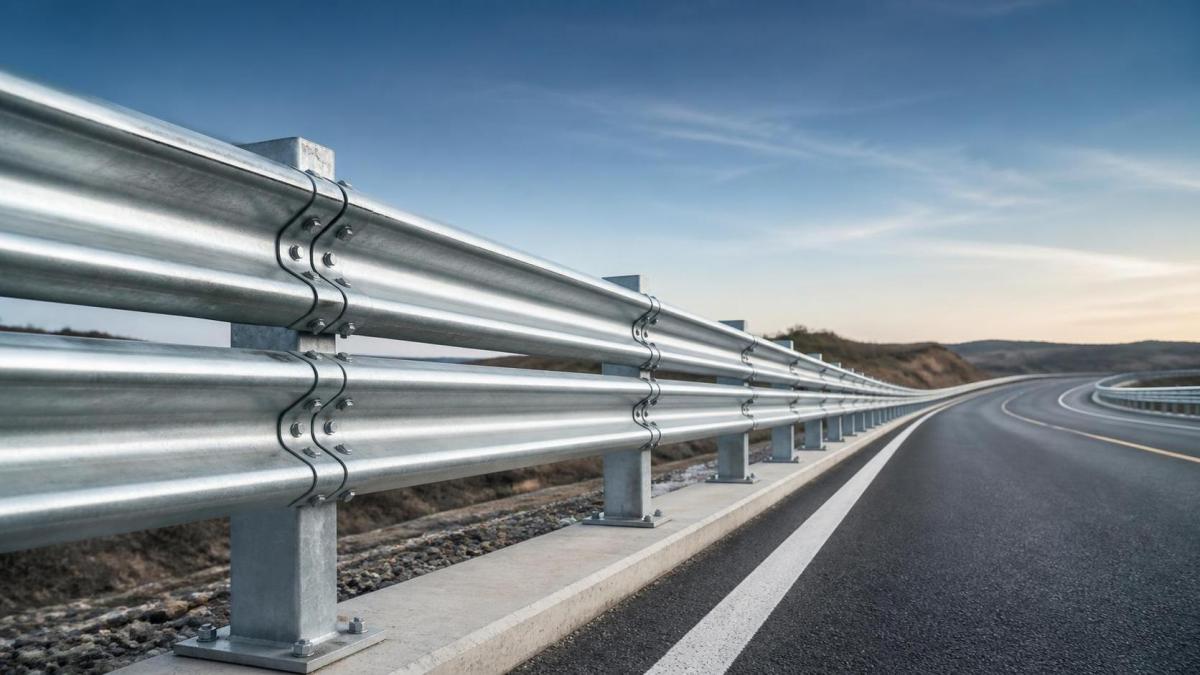
Planning a safer roadway starts with a reliable Highway Guardrail Installation Guide. For contractors, engineers, and project owners in transportation projects, guardrail work is not just about placing steel along a road edge. The real job is to match barrier performance, site conditions, installation quality, and long-term durability. A guardrail that looks acceptable on day one can still become a maintenance problem if post spacing, foundation conditions, corrosion protection, or connection details were not handled correctly.
In practice, successful installation begins well before field crews arrive. Alignment, terminal treatment, post type, beam profile, splice direction, and coating system all need to be checked against drawings and project requirements. That is also why many buyers prefer working with manufacturers that can support quotation, design review, fabrication, and installation coordination instead of only supplying standard steel parts.
Start with the site, not the catalog
A common mistake in highway barrier projects is choosing a system too early, before the roadside conditions are fully understood. Embankment slope, shoulder width, median layout, bridge transitions, drainage structures, and soil conditions can all affect installation details. Even when a drawing package is complete, field verification still matters. Minor differences in elevation or underground obstruction can change how posts are installed and whether standard spacing remains practical.
For that reason, installation planning usually needs answers to a few basic questions:
- What containment level or performance requirement applies to the roadway section?
- Is the guardrail protecting against slope rollover, fixed-object impact, or edge drop-off?
- Will the posts be driven, drilled, or installed with a different foundation solution?
- What corrosion protection is needed for the local environment?
- Are there transition zones where standard components are not enough?
These are not theoretical points. They directly influence fabrication details such as hole positions, beam curvature, connector compatibility, and surface treatment.
Material quality affects installation quality
On site, crews usually notice alignment and fastening first. What they may not see immediately is whether the steel components were manufactured consistently enough to make installation efficient. Hole tolerances, bending accuracy, edge quality, galvanizing condition, and straightness all affect how easily the system goes together and how well it performs after exposure to weather and traffic vibration.
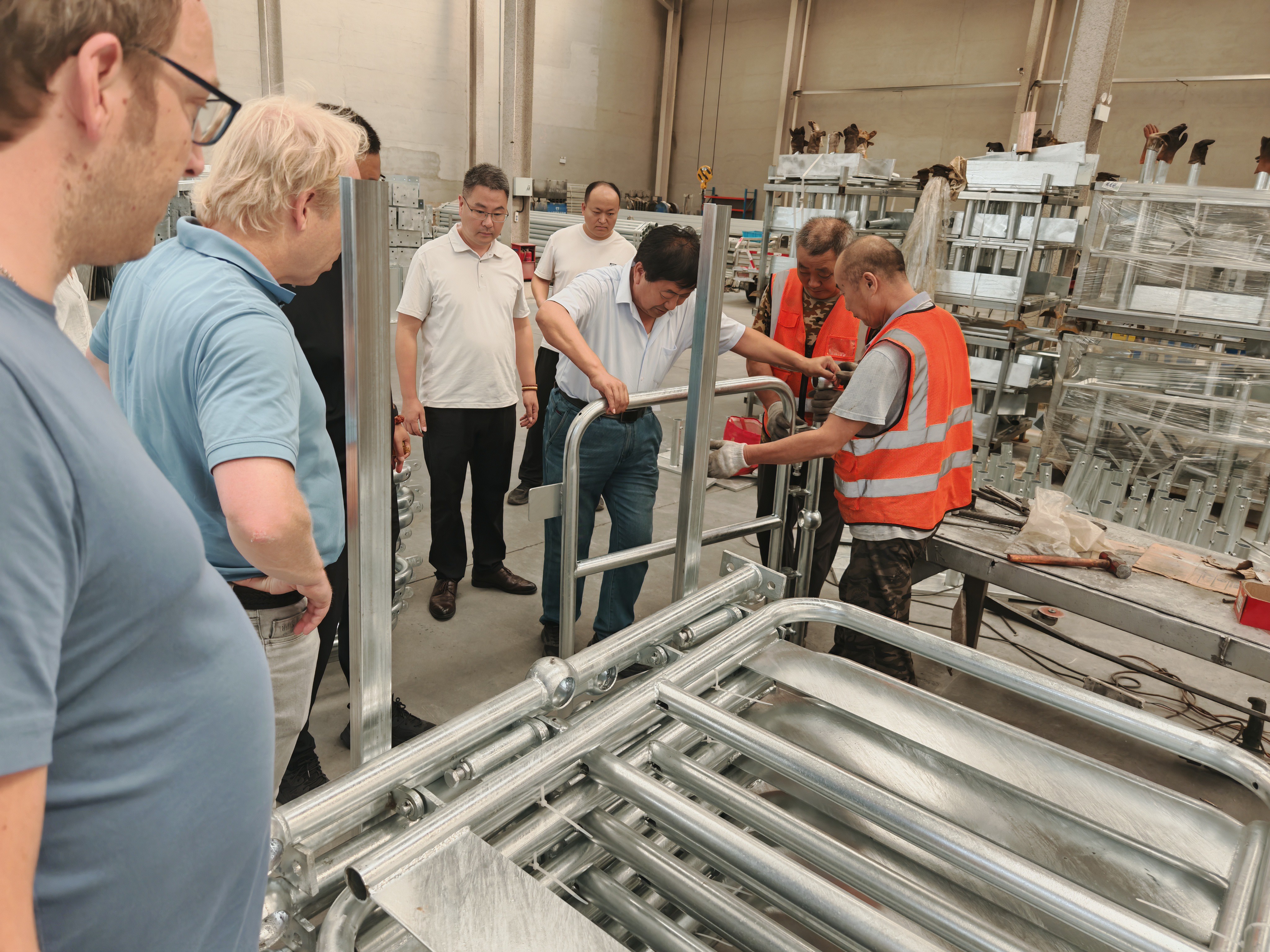
A capable manufacturer of highway guardrails and steel products should be able to work from either a project plan or customer drawings, then control the process through drilling, bending, rust removal, shot peening, non-destructive testing, galvanizing, and painting as required. That does not guarantee project success on its own, but it reduces the risk of field modification, delayed installation, and inconsistent fit-up.
Where projects involve customized layouts, this support becomes more useful. Some road sections need standard components, while others require special lengths, non-typical post arrangements, or connection parts that have to match an existing barrier line. In those cases, manufacturing flexibility matters as much as price.
Key steps in highway guardrail installation
The field sequence varies by project, but the overall logic is usually straightforward.
Layout and verification
Mark the guardrail line carefully before installation starts. This includes checking stationing, offsets, terminal positions, transitions, and any local conflicts with utilities, culverts, sign foundations, or pavement edges. If the line is wrong at this stage, later corrections become expensive and sometimes unsafe.
Post installation
Posts need to be installed to the required depth, spacing, and orientation. The exact method depends on design and site conditions. Driven posts are common, but not always suitable in rocky ground or where buried services are present. Uneven post tops or inconsistent embedment can create beam alignment problems and reduce system reliability under impact.
Beam mounting and splicing
Once the posts are set, the rail beams are mounted and spliced in sequence. Crews should confirm splice direction, bolt placement, and lap arrangement according to the relevant drawings or installation manual. It is easy to underestimate this part, but incorrect overlapping or misaligned joints can undermine an otherwise well-built run.
Connections and special components
Transitions, bridge interfaces, and curved sections often require closer attention than straight roadside runs. Components such as spacers, terminal parts, and connector pieces must match the system geometry. In some assemblies, a dedicated part like the Third Wave Connector may be used where compatibility between wave sections or adjoining elements needs to be maintained. The important point is not the part name itself, but whether the connection detail matches the design intent and the supplied beam profile.
Final inspection
Before handover, inspect line continuity, bolt tightening, post plumbness, coating damage, and any deviations from approved drawings. Touch-up requirements, if allowed by the project specification, should also be handled before the road section is opened to traffic.
What usually goes wrong
Most installation problems are not dramatic. They are small avoidable errors that accumulate:
- Posts installed without checking subsurface conditions
- Beam sections forced into place because of poor dimensional consistency
- Coating damage during transport or handling left untreated
- Mixing components from different systems without confirming compatibility
- Assuming straight-run details will work unchanged in transitions or curves
This is where preconstruction coordination helps. If the manufacturer can review drawings early, confirm fabrication details, and flag unusual requirements before production, the installation team faces fewer surprises. That is especially useful on projects with customized steel products, non-standard drilling patterns, or multiple finish requirements such as galvanizing plus paint in selected sections.
How to judge a supplier beyond unit price
In transport infrastructure work, the cheapest component is not always the lowest-cost decision. Buyers usually need to assess three things together: manufacturing control, documentation clarity, and responsiveness during project execution.
A supplier that can manufacture according to your drawings, or help refine production details from your plan, is often easier to work with than one offering only off-the-shelf sections. It also matters whether they can support the full chain from quotation and design coordination to fabrication and installation planning. When post spacing, drilling, bending, surface treatment, or non-destructive testing are all part of the scope, coordination errors can be reduced if these steps are managed in a connected process rather than split across too many parties.
For projects exposed to moisture, de-icing salts, or coastal air, surface protection deserves extra scrutiny. Galvanizing and painting requirements should follow project documents and local standards, and any assumption about coating thickness or repair method should be confirmed before production starts. This is one area where vague communication can create expensive rework later.
A practical checklist before release to production
Before issuing guardrail components for manufacture, it helps to confirm:
- Approved drawings and revision status
- Beam type, post type, and connection details
- Required processes such as drilling, bending, shot peening, galvanizing, or painting
- Inspection points and any non-destructive testing requirements
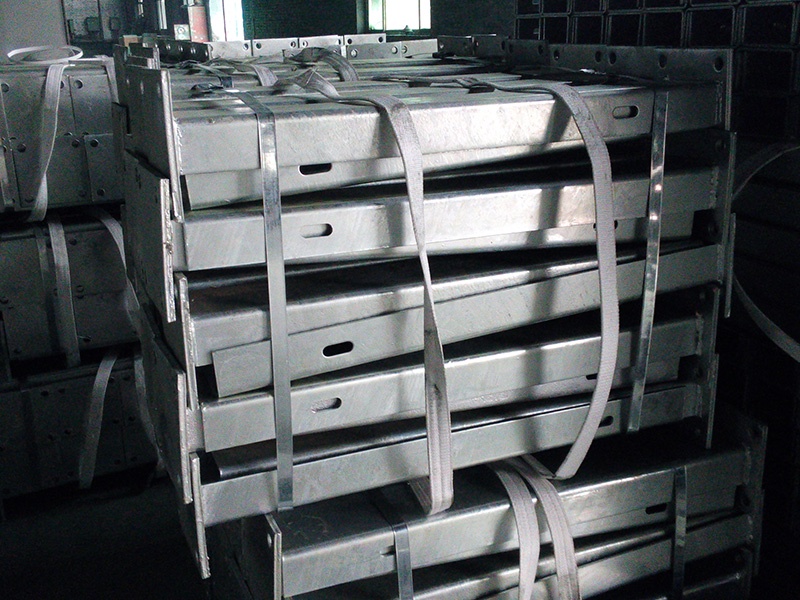
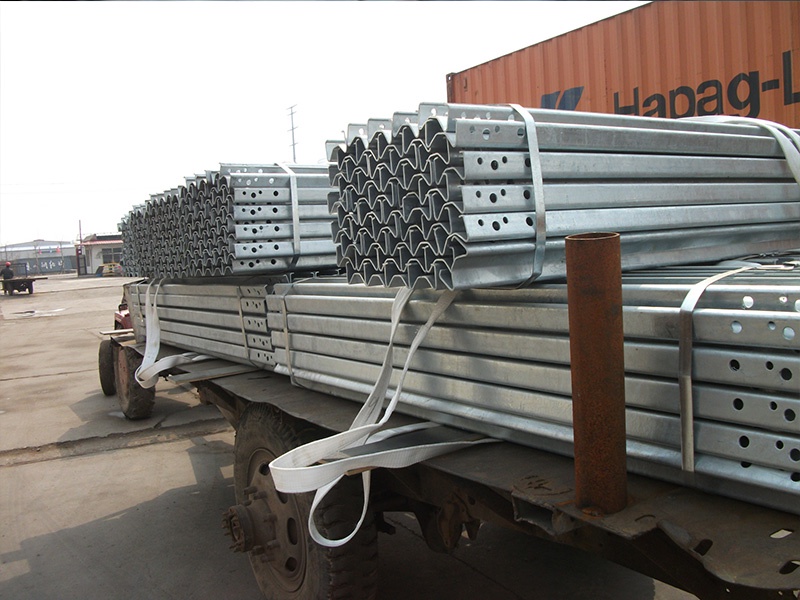
- Packaging, transport protection, and site delivery sequence
- Installation support expectations for transitions and special sections
That checklist is not complicated, but it usually separates smooth projects from ones that stall in the field.
A highway guardrail system only performs as intended when design, fabrication, and installation are treated as one connected task. If you are reviewing a new project, it is worth confirming not just the rail type, but also the manufacturing route, coating method, connection details, and installation constraints before procurement is finalized. Those decisions tend to matter more than they first appear.
Leave A Reply
Need More Details?
Contact me for details on creating and managing design projects, project features, and services and prices
consult
Our company was established in 1998. It‘s a Chinese pioneer enterprise integrating production and sales, committed to providing high-quality steel products to customers at home and abroad.

First class quality service and professional after-sales team.
Get in Touch
*We respect your confidentiality and all information are protected.