






ABNT 6971 Guardrail Inspection Checklist for Acceptance and Ongoing Maintenance in Brazil
For after-sales maintenance teams, contractors, and road asset managers, a consistent Brazil ABNT 6971 Guardrail inspection routine is one of the easiest ways to prevent small installation issues from turning into safety risks. A guardrail line can look acceptable from a distance, yet still have missing components, poor alignment, coating damage, or fastening problems that affect long-term performance.
If you are handling handover checks, periodic inspections, or maintenance planning, the hard part is usually not understanding that inspection matters. The real difficulty is knowing what to check first, what counts as a meaningful defect, and how to separate a cosmetic issue from something that should be corrected before the system stays in service. This guide organizes the process into a practical checklist you can apply in the field.
Why a Brazil ABNT 6971 Guardrail inspection often becomes urgent
A common situation in transport projects is that the guardrail has already been installed, traffic access is approaching, and the team needs to confirm whether the system is ready for acceptance. Another frequent situation appears later, when a section has been exposed to impact, weather, drainage problems, or repeated maintenance activity near the shoulder. In both cases, people are often working under time pressure, and inspections can become inconsistent if there is no shared checklist.
That inconsistency creates avoidable problems. One inspector may focus only on visible deformation, while another notices post spacing, bolt tightening, rail height, and corrosion points. Without a structured process, defects can be missed during acceptance and only show up later as service complaints, premature deterioration, or difficult maintenance work. For Brazil ABNT 6971 Guardrail applications, the safest approach is to inspect both the overall line and the smaller connection details that determine how the system behaves in use.
The most common inspection mistakes before and after acceptance
Many teams assume that if the rail panels are new and galvanized, the installation is automatically acceptable. That is a weak assumption. A new-looking barrier can still have incorrect overlap direction, poor post verticality, loose fasteners, damaged coating from transport or handling, or local misalignment that affects continuity.
Another mistake is treating acceptance inspection and maintenance inspection as two unrelated tasks. In practice, they should be connected. The items that matter during handover, such as geometry, component completeness, protective coating, and connection condition, are also the items that tend to degrade in service. If you build your acceptance checklist well, your ongoing maintenance routine becomes much easier because you already know what a correct baseline condition should look like.
A third misunderstanding is focusing only on the rail beam itself. Guardrail performance depends on the full assembly: posts, spacers, connectors, bolts, end details, coating condition, and the surrounding roadside environment. Even a small accessory part can affect continuity between elements. For example, on some layouts a connector such as Third Wave Connector may need to be checked for fit, orientation, damage, and secure fastening as part of the overall inspection rather than treated as a minor extra.
What to prepare before starting the ABNT 6971 guardrail checklist
Field inspections go faster when the team prepares the reference information first. Before walking the line, gather the installation drawings, bill of components, relevant project specifications, and the internal acceptance or maintenance form your team uses. If the site has repair history, bring those records too. They help explain whether a defect is new, recurring, or linked to a previous impact.
It is also useful to define the inspection purpose in advance. Are you checking a newly installed section for acceptance, reviewing a repaired segment after a collision, or carrying out periodic maintenance on an existing route? The answer changes the level of detail and the urgency of each finding. Acceptance checks usually require confirmation that the installed system matches the design intent. Ongoing maintenance checks often place more emphasis on damage progression, corrosion, and whether the system still functions as intended.
Basic tools are simple but important: a tape measure, level or alignment aid, torque reference if required by your process, marking tools, camera, and defect log sheet. The goal is not to complicate the visit. It is to make sure observations are repeatable and can be handed over clearly to the next team.
Acceptance checklist for Brazil ABNT 6971 Guardrail installations
When a guardrail line is being checked for acceptance, inspect from broad layout issues down to component details. Starting with the whole system helps you avoid spending time on small items before confirming that the line is basically correct.
- Confirm the installed location and length. Check that the barrier is installed where the design requires it, covers the intended hazard area, and is not shortened, interrupted, or offset without approval.
- Review line, height, and general alignment. Stand back and inspect the rail visually from multiple angles. Look for sudden dips, uneven height, twisting, or sections that do not follow the road geometry smoothly.
- Check post spacing and post condition. Verify spacing against the project requirements and inspect whether posts are plumb, firmly seated, and free from obvious bending, cracking, or installation damage.
- Inspect rail beam overlap and orientation. Make sure adjacent rail sections are lapped in the correct direction and that joints are assembled consistently. Incorrect overlap is a common field issue and should be corrected before acceptance.
- Verify all fasteners and connectors are present. Missing bolts, incorrect hardware combinations, or partially installed connection points should be treated as acceptance defects even if the line appears stable.
- Examine spacers, blocks, and transition pieces. These parts are often overlooked, but they influence the rail position and connection integrity.
- Inspect galvanized or painted surfaces. Look for scratches, exposed steel, coating damage from transport, burn marks from unauthorized site work, and early rust at cut or damaged areas.
- Check drainage and surrounding ground condition. Water accumulation, soft shoulder edges, or erosion near posts can reduce durability and should be noted before handover.
- Confirm the end treatment and terminal details. End sections should match the project design and be fully assembled, not left incomplete for later follow-up.
- Document all nonconformities clearly. Record the location, defect type, and whether the issue requires correction before acceptance or monitoring after opening.
This sequence helps keep the inspection practical. It starts with geometry and completeness, then moves into details that affect durability and maintenance workload.
Ongoing maintenance checklist after the guardrail enters service
Once the system is in operation, the inspection focus shifts from acceptance quality to condition control. The purpose is to identify changes that affect safety, serviceability, or repair planning. In many maintenance environments, the most effective routine is to classify findings into three groups: impact damage, corrosion or coating deterioration, and connection or support problems.
- Look for impact-related deformation. Inspect rails, posts, and spacers for bending, tearing, kinks, crushed sections, or visible displacement. A line can remain standing and still require repair.
- Check for loosening over time. Vibration, minor impacts, and repeated roadside works can reduce fastening security. Missing or loosened bolts should be logged immediately.
- Monitor coating breakdown. Surface wear, abrasion, standing water, and roadside contaminants may gradually expose steel. Early treatment is much easier than waiting for larger corrosion areas.
- Review joint condition and continuity. Pay attention to overlapping sections, splices, and local connection points. If a connector has shifted, cracked, or corroded, the issue should be assessed as part of the entire assembly.
- Inspect post stability and surrounding soil. Shoulder erosion, settlement, or repeated moisture exposure can weaken support conditions even when the rail beam still appears straight.
- Notice interference from nearby works. Utility work, resurfacing, vegetation control, or drainage modifications can leave the barrier obstructed, buried too deeply, or misaligned relative to the roadway edge.
- Separate cosmetic findings from structural concerns. Light superficial marks may only need monitoring, while section loss, sharp deformation, missing hardware, or compromised supports should trigger repair decisions.
A useful maintenance habit is to compare current conditions with original installation drawings and previous inspection records. That makes it easier to distinguish isolated defects from progressive deterioration across a route.
How to judge whether a defect needs immediate correction
Not every defect carries the same urgency. Teams often waste time on minor appearance issues while more serious problems remain in service. A better method is to rank findings using three questions.
First, does the defect affect the continuity or support of the system? Missing bolts, disconnected joints, displaced posts, and major deformation usually deserve prompt action because they change how the barrier behaves. Second, does the defect expose steel or accelerate deterioration? Coating damage may start as a maintenance item but can become more serious if ignored. Third, is the defect likely to spread quickly because of traffic exposure, water, or repeated contact with maintenance equipment?
If the answer to one or more of those questions is yes, the item should move beyond simple observation and into repair planning. If the issue is limited to slight surface marking without loss of section, movement, or support problems, it may be reasonable to document and monitor it under the next scheduled inspection cycle.
A practical correction workflow when inspection finds multiple issues
When a Brazil ABNT 6971 Guardrail inspection reveals several defects at once, the work becomes easier if you handle them in order rather than trying to fix everything at random. Start by isolating defects that affect system continuity or visible structural condition. Then group the remaining items into hardware replacement, alignment correction, surface treatment, and environmental follow-up such as drainage or shoulder repair.
For replacement work, consistency matters. Components should match the intended system configuration and fit properly with adjoining parts. If a section includes connection hardware or wave transition details, use compatible parts and verify installation after tightening rather than assuming that fit-up alone is enough. In some assemblies, a replacement item such as Third Wave Connector may be part of restoring proper continuity between rail elements, but it should always be checked in the context of the full line, not treated as a standalone fix.
After corrective work, repeat the same inspection logic used during the original check: confirm geometry, hardware completeness, connection condition, and coating protection. This second look is important because repairs can solve one issue while introducing another, especially where field drilling, disassembly, or repainting has been involved.
How manufacturers and maintenance teams can make inspections easier
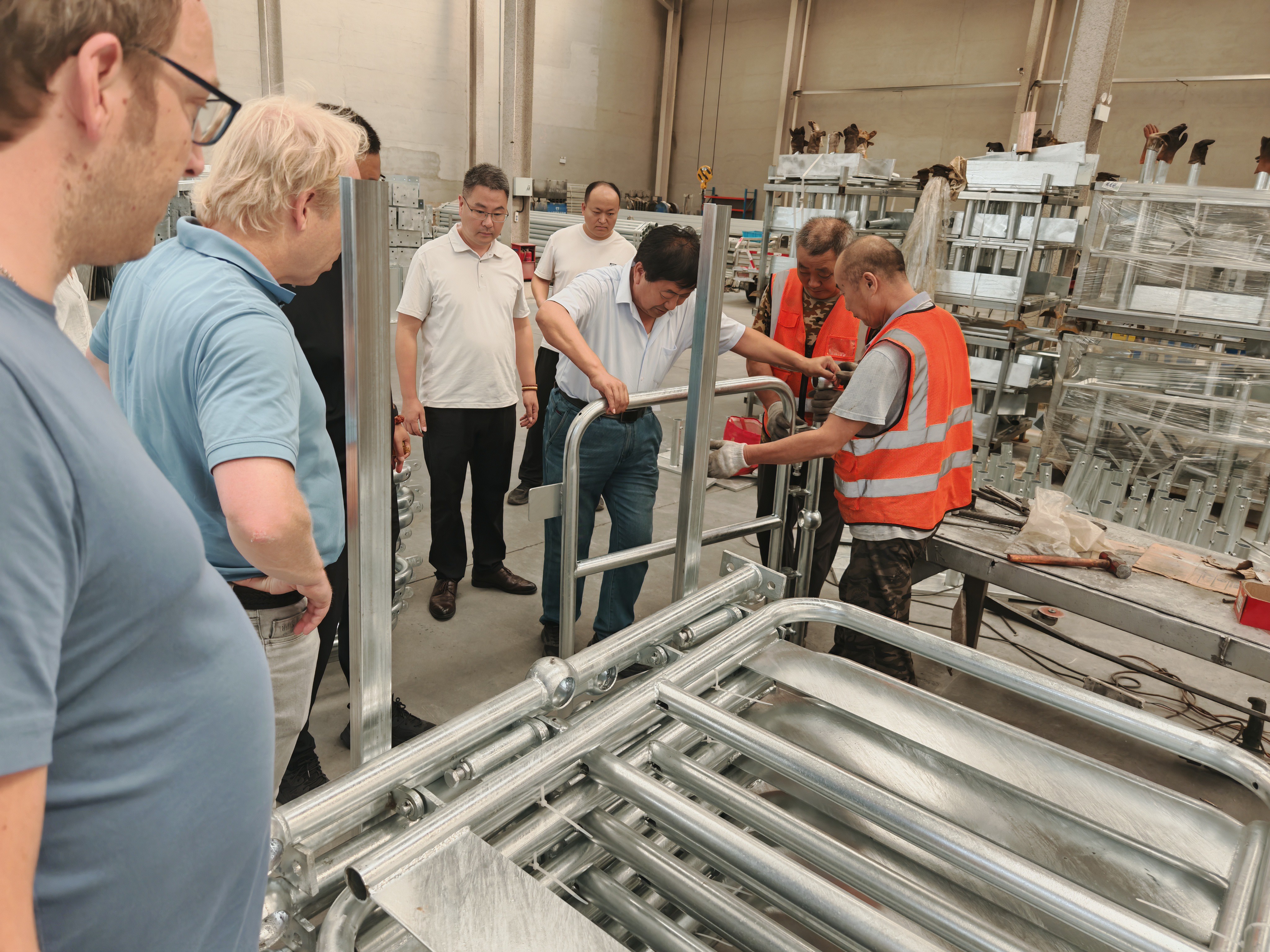
Inspection quality improves when the product supply side and the field maintenance side are aligned from the beginning. For highway guardrail and steel product manufacturing, details such as drilling accuracy, bending quality, rust removal, shot peening, non-destructive testing where required, galvanizing, and painting all influence how easy the system is to inspect and maintain later. Well-prepared parts reduce fit-up problems and help inspectors focus on field condition instead of avoidable manufacturing variation.
For teams sourcing or producing components according to project drawings, the practical goal should be simple: make every part traceable to the design intent and suitable for consistent installation. That includes standardizing hole positions, connection interfaces, coating quality, and replacement compatibility. When those basics are controlled, acceptance becomes more straightforward and maintenance records become more meaningful over time.
How to avoid repeated guardrail inspection problems
Most recurring inspection issues are process issues rather than product mysteries. They happen because teams use different checklists, skip baseline records, or do not define what counts as a repair-triggering defect. A repeatable routine solves much of that.
One effective approach is to use the same core checklist for both acceptance and maintenance, with a few added maintenance-specific fields such as collision evidence, corrosion development, and previous repair references. Another good practice is to photograph the initial accepted condition of complex areas such as transitions, curves, terminals, and bridge-adjacent sections. Those images make later comparisons much clearer.
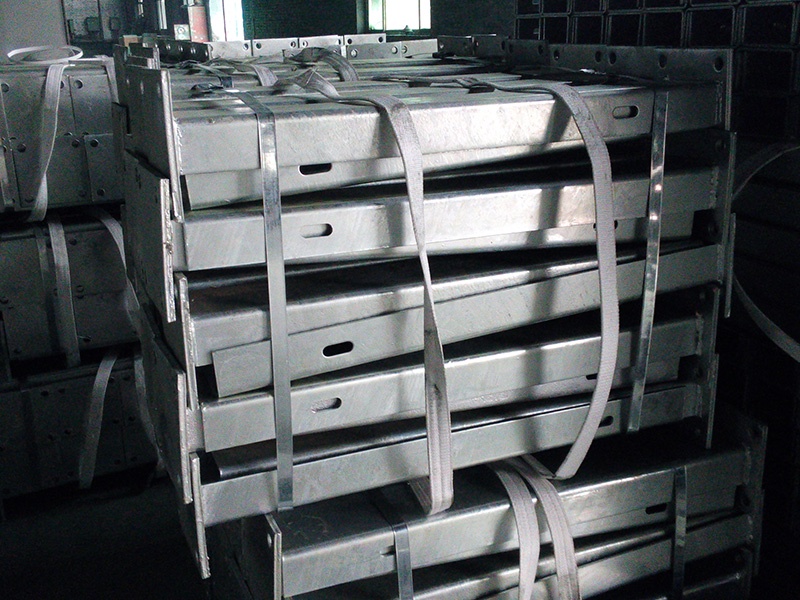
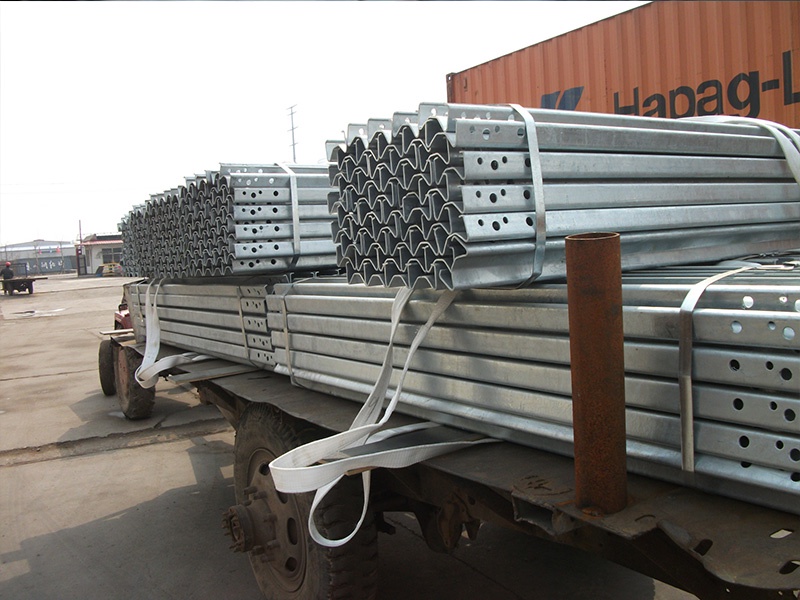
It also helps to review inspection findings with installation and supply teams when the same defect appears repeatedly. If missing fasteners, coating damage, or alignment problems show up again and again, the root cause may be in packaging, transport handling, installation sequence, or unclear drawings rather than field carelessness alone.
Common Questions
Should acceptance inspection and maintenance inspection use different forms?
They can use different formats, but the main checkpoints should stay closely related. Acceptance establishes the correct baseline, while maintenance checks whether the baseline has changed. Keeping the core items aligned makes records easier to compare.
Is visible rust always a sign that the guardrail must be replaced?
Not always. Light surface corrosion may be treated or monitored depending on the extent and location. The more important question is whether there is coating failure, section loss, or progression that could affect durability or connection integrity.
What is the biggest field issue people miss during a Brazil ABNT 6971 Guardrail check?
In many cases, it is not one single item but the combination of small connection defects: missing hardware, poor overlap, misaligned posts, and damaged coating around joints. Those details are easy to overlook when inspectors only judge the barrier from a distance.
How often should ongoing maintenance inspections be done?
That depends on the road environment, traffic exposure, local maintenance practice, and whether there has been a recent impact or repair. The important point is to use a defined schedule and add extra inspections after incidents or nearby works.
When should a maintenance team ask for additional technical support?
If the inspection finds repeated deformation, uncertain compatibility of replacement parts, unusual corrosion patterns, or questions about whether a repaired section still matches the intended assembly, it is sensible to involve technical support before closing the work order.
Conclusion
A reliable ABNT 6971 guardrail checklist is less about paperwork and more about making good decisions in the field. If you inspect the system in a fixed order, record defects clearly, and treat joints, posts, coatings, and connectors as one connected assembly, acceptance becomes cleaner and maintenance becomes more predictable. For teams working with Brazil ABNT 6971 Guardrail systems, that disciplined approach is usually the difference between reactive repairs and controlled long-term performance.
