






NEWS
Categories List
Recent Posts
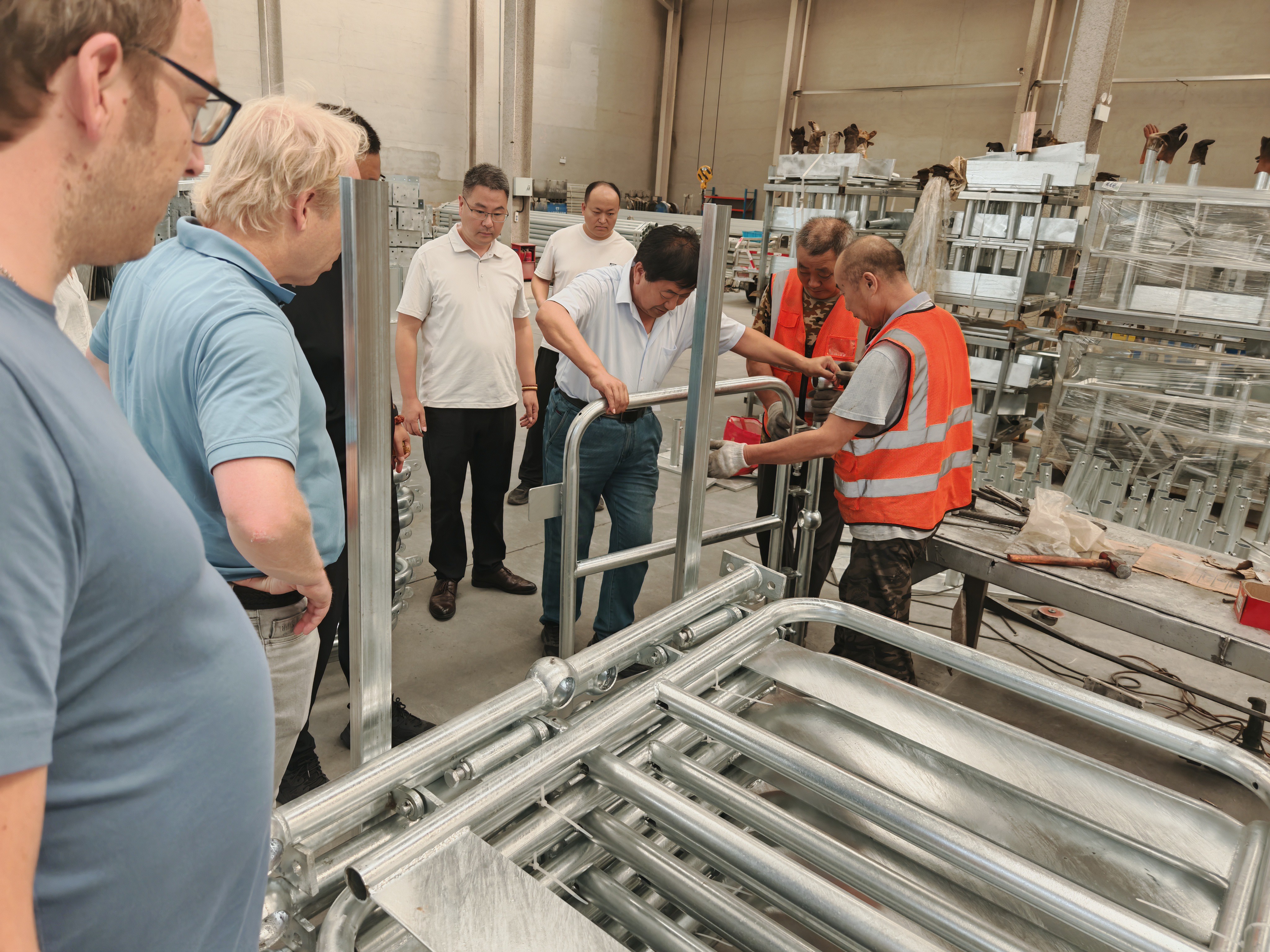
 Netherlands Client Delegation Visits Our Factory to Advance European Highway Guardrail CooperationOct 10, 2026
 AASHTO M180 Guardrail Requirements: A Practical Guide to Material ComplianceOct 10, 2026
 Port Safety Barriers: Selecting Protection for Vehicle Lanes and Loading AreasOct 10, 2026
Choosing the right Traffic Sign material affects far more than appearance. In coastal corridors, dense urban roads, and high-speed highways, the same sign face can age very differently. Salt, pollution, vibration, impact risk, and maintenance access all change the material decision. For transport projects, material selection is closely tied to service life, compliance, visibility, and the real cost of keeping guidance systems reliable.
Why material choice matters in road safety systems
A Traffic Sign is a communication device, but it is also a structural component. It must remain legible, stable, and corrosion-resistant through years of weather and traffic exposure.
Material choices usually involve three layers. The first is the sign substrate. The second is the protective finish. The third is the supporting steel structure and connection details.
If one layer is under-specified, the entire Traffic Sign system can fail early. Common issues include fading, galvanic corrosion, panel distortion, loose fixings, and poor nighttime performance.
Different environments create different priorities
Not every road environment asks for the same balance of properties. What performs well in a city center may not be the best option near the coast or along an expressway.
This is why a Traffic Sign specification should start with exposure mapping, not with a generic product list. Material selection works best when linked to location, traffic speed, and maintenance strategy.
Substrates, finishes, and service life
Aluminum remains common for Traffic Sign panels because it resists rust and keeps weight manageable. It is often preferred where corrosion pressure is high and large sign faces need easier handling.
Steel can still be a valid choice in support assemblies and specialized structures, especially when protected by proper galvanizing and coating systems. In harsh locations, the finish often decides whether the expected life is realistic.
For technical review, coating quality deserves the same attention as the base metal. Hot-dip galvanizing, zinc-aluminum-magnesium systems, and powder coatings each respond differently to abrasion, salt exposure, and edge damage.
Retroreflective sheeting also matters. A durable substrate cannot compensate for sheeting that loses brightness too quickly. On high-speed roads, reduced night visibility creates direct operational risk.
Why manufacturing details shape field performance
Material choice should never be separated from fabrication quality. Drilling, bending, rust removal, shot peening, non-destructive testing, galvanizing, and painting all affect the finished Traffic Sign assembly.
Where projects are built from drawings or site-specific plans, dimensional accuracy becomes especially important. Misaligned holes, weak bends, or poor coating coverage can shorten life even when the nominal material is correct.
This is also where integrated service capacity matters. When quotation, design, manufacturing, and installation are aligned, it is easier to control tolerance, finish consistency, and traceability across the full roadside system.
What changes in coastal, urban, and high-speed applications
Coastal roads
Salt-laden air attacks exposed steel edges, fasteners, and damaged coatings first. Here, the best Traffic Sign material decision often favors corrosion-tolerant substrates and multilayer protective finishes.
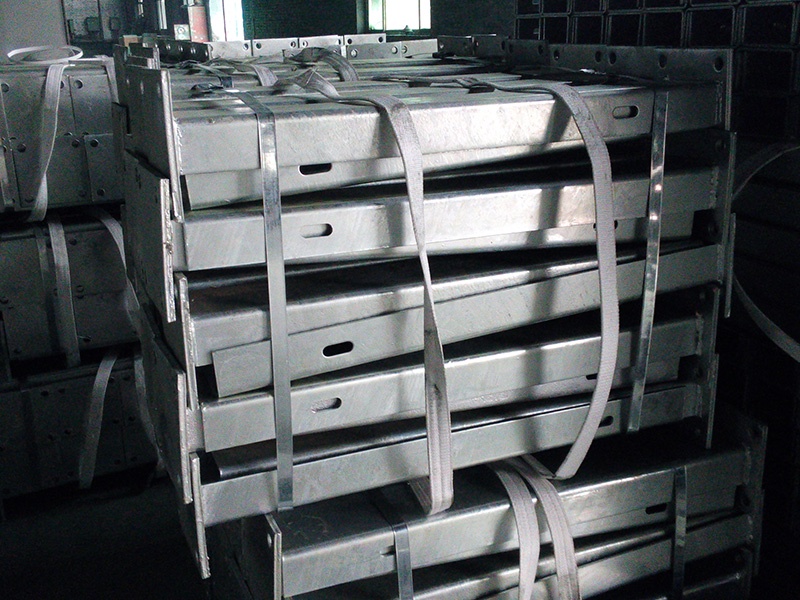
Support components near bridge sections, median openings, and ramp divergences also need higher structural reliability. In these zones, parts such as Hanging Plate can support crash performance while resisting bending deformation under impact.
Urban roads
City networks usually involve shorter sight distances, mixed traffic, and frequent maintenance activity. Materials should support clear daytime contrast, durable night visibility, and surfaces that are easier to clean or recoat.
Urban projects also benefit from standardized fabrication. Replacement cycles are easier to manage when panel formats, bracket details, and coating systems are consistent across corridors.
High-speed roads
On expressways, the Traffic Sign must stay readable at speed and remain structurally stable under wind and vibration. Larger signs increase load on posts, brackets, and connection points.
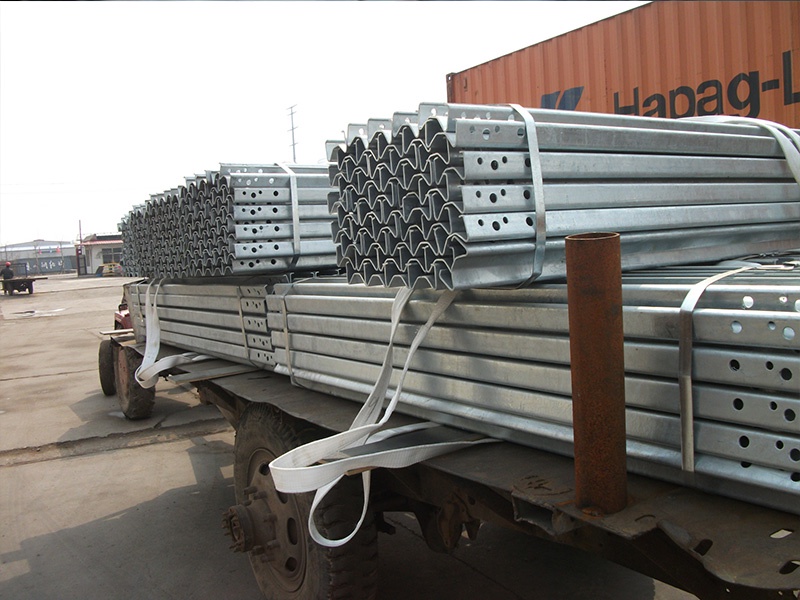
That makes stiffness, section modulus, and impact resistance important beyond the panel itself. Where guidance performance and structural stability are critical, high-quality hot-rolled steel support elements with protective coatings can add long-term value.
Practical checks before approving a material scheme
A useful review framework should stay simple but specific. The aim is to compare options by field performance, not only by initial price.
- Match the Traffic Sign substrate to the corrosion class and expected maintenance interval.
- Check whether coating systems protect cut edges, holes, weld zones, and connections.
- Review retroreflective sheeting grade against speed, lighting conditions, and sign function.
- Confirm fabrication processes and quality controls, including non-destructive testing where needed.
- Assess support hardware and adjacent safety components as one system, not as isolated items.
- Use lifecycle cost, replacement difficulty, and downtime exposure in the final comparison.
In impact-prone areas, this wider system view becomes even more important. A coated steel component such as a second Hanging Plate solution may be justified where over 30 years of service in coastal or high-salt-fog conditions is part of the design target.
A better basis for the next decision
Traffic Sign material selection works best when environment, fabrication, and structural context are reviewed together. Coastal roads prioritize corrosion control. Urban roads demand maintainable visibility. High-speed roads raise the bar for stiffness and long-range legibility.
The next step is to organize each project by exposure level, sign function, support condition, and target service life. That makes it easier to compare substrates, coatings, and steel components against real operating conditions rather than generic specifications.
Leave A Reply
Need More Details?
Contact me for details on creating and managing design projects, project features, and services and prices
consult
Our company was established in 1998. It‘s a Chinese pioneer enterprise integrating production and sales, committed to providing high-quality steel products to customers at home and abroad.

First class quality service and professional after-sales team.
Get in Touch
*We respect your confidentiality and all information are protected.