






NEWS
Categories List
Recent Posts
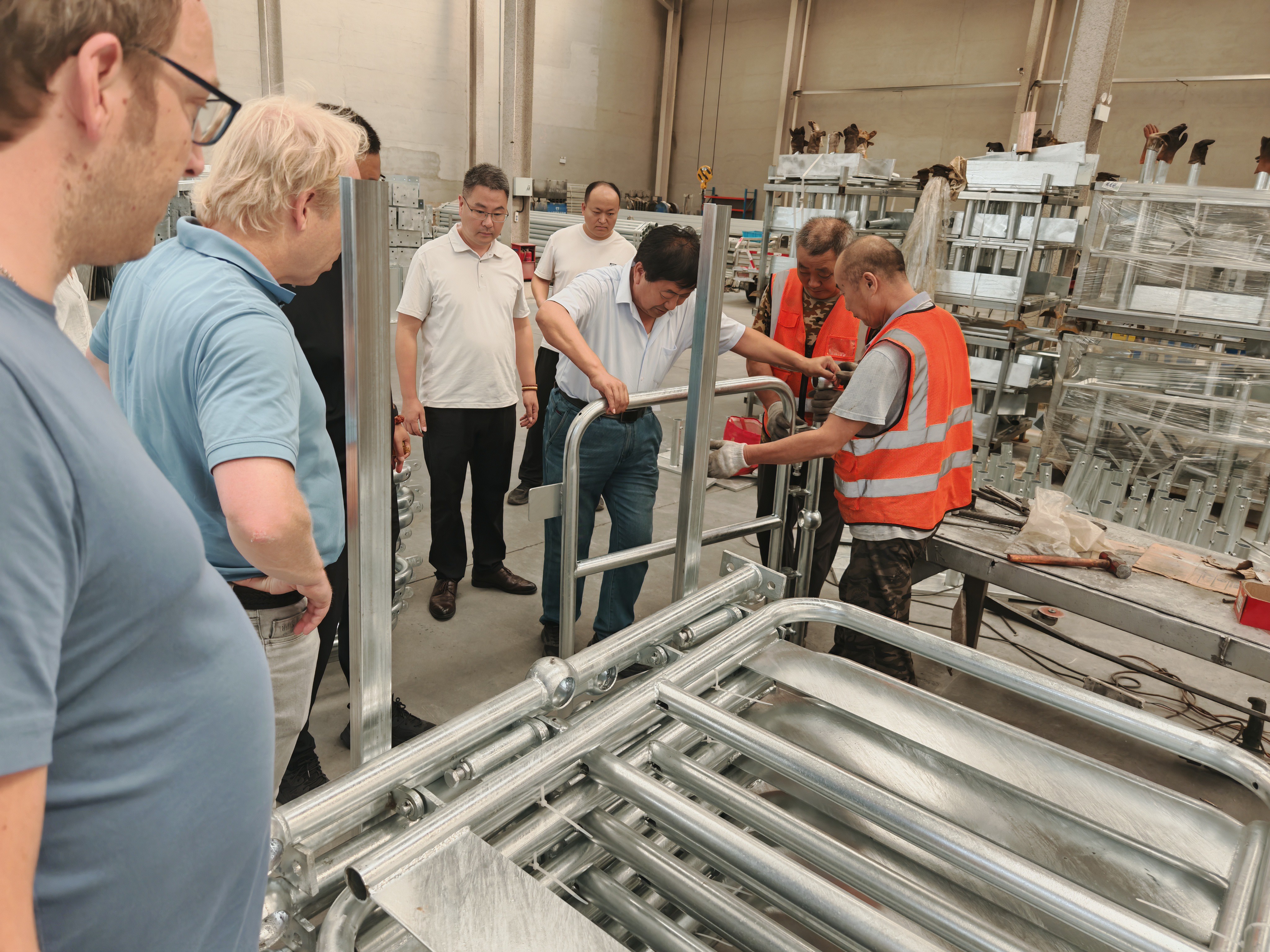
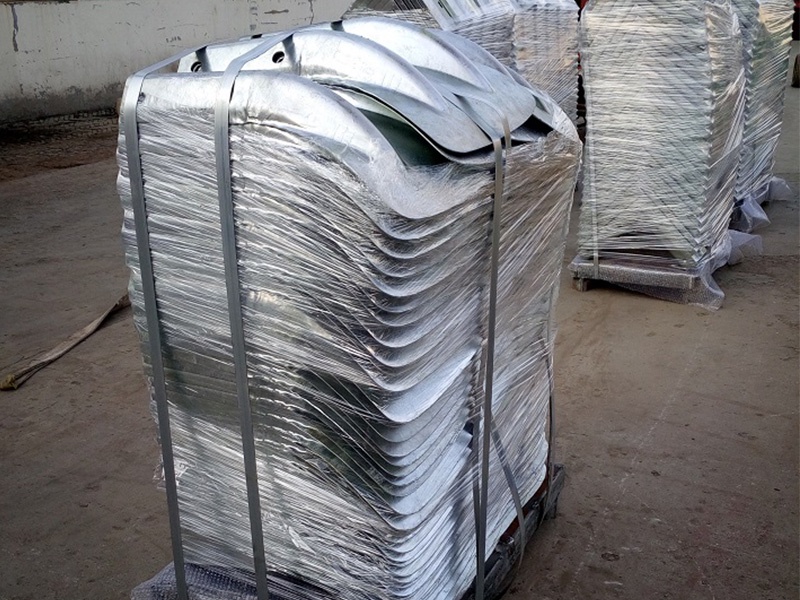
When a road maintenance program covers several regions, depots, or highway corridors, buying traffic safety products becomes a coordination exercise rather than a simple materials order. A low unit price may look attractive on a spreadsheet, yet it can quickly lose value if guardrails arrive with inconsistent hole patterns, coatings vary by batch, or one remote site waits weeks for missing posts and terminals.
For procurement teams, the practical goal is clear: secure compliant, durable products that can be delivered and installed predictably across every location. That requires a sourcing approach that considers the full lifecycle of the order—from drawings and material specifications to fabrication capacity, corrosion protection, packing, and site-level delivery planning.
Start with a program-wide specification, not a list of individual orders
Multi-site maintenance programs often develop organically. One district replaces damaged barriers after a collision, another upgrades an aging roadside section, and a third prepares for seasonal works. If each location purchases independently, small specification differences can turn into costly field problems. A W-beam panel may look interchangeable until crews discover that its bolt holes, post spacing, or end treatment does not match existing infrastructure.
Create a master requirement sheet before requesting quotations for traffic safety products. It should distinguish between standardized items and location-specific components. At a minimum, include:
- Applicable road authority, national, or project standards
- Barrier profile, dimensions, steel grade, and thickness requirements
- Post types, blockouts, fasteners, terminals, transitions, and reflectors
- Galvanizing or paint requirements for the local environment
- Drawings, drilling locations, tolerances, and any compatibility needs
- Estimated quantities by site, delivery window, and unloading constraints
This document does not need to eliminate every site-specific detail. Its purpose is to establish a common baseline so suppliers quote the same scope. It also gives buyers a reliable way to compare offers without confusing an incomplete quote for a lower-cost one.
Evaluate compliance as a supply-chain control point
Roadside barriers are safety-critical systems. Procurement should therefore verify more than the wording of a compliance statement. Ask the manufacturer how its materials, forming process, hole punching, welding where applicable, and surface treatment are controlled. For galvanized steel products, coating quality deserves particular attention: poor surface preparation or inconsistent galvanizing may not be obvious at delivery, but can shorten service life in coastal, wet, or de-icing-salt environments.
For programs involving highway guardrails, review the exact standard required by the project and confirm that the offered configuration matches it. A system may be described broadly as “standard guardrail” while differing in rail geometry, steel thickness, or accessory design. Buyers should also request traceable documentation for raw material, dimensional inspection, galvanizing, and any required non-destructive testing.
A relevant option for projects requiring recognized highway barrier specifications is the AASHTO M180 Guardrail. Its wave-shaped profile is designed to absorb collision energy and redirect vehicles toward their normal path. With a hot-dip galvanized finish, reliable impact resistance, and stated compliance with AASHTO M180 and Brazil’s ANBT standards, it can be considered for highways and hazardous road sections where specification alignment is essential.
Compare the real landed cost—not just the price per meter
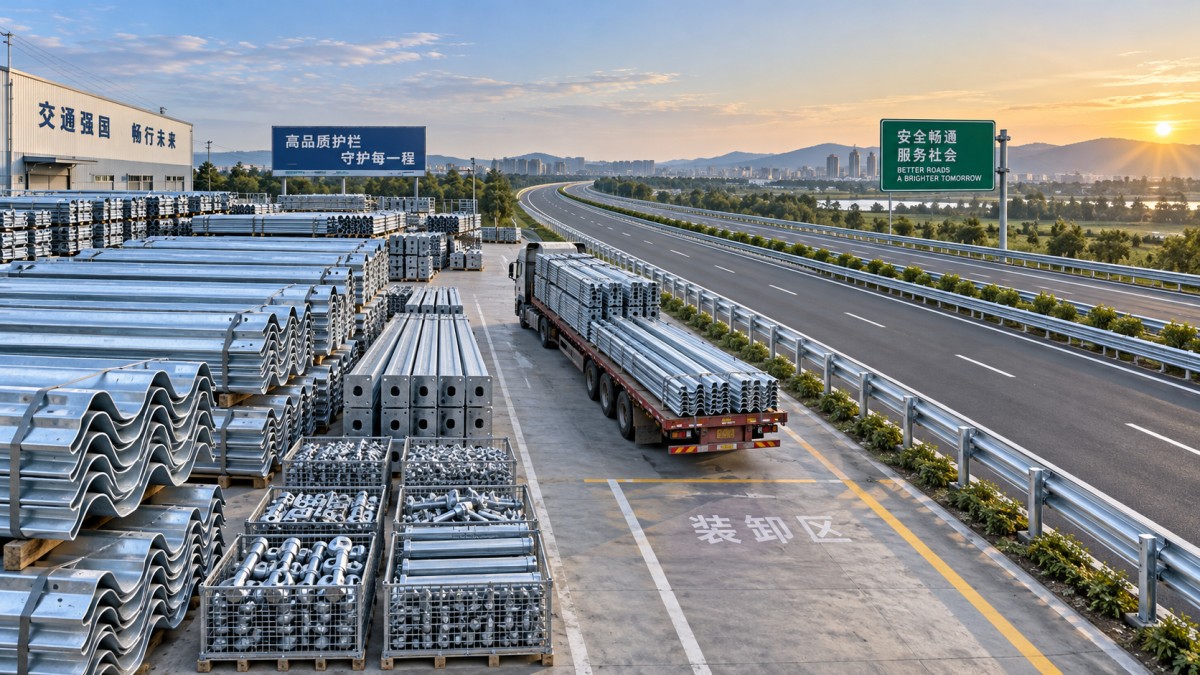
The lowest quoted rail price can conceal substantial downstream costs. Multi-site projects are especially exposed because freight is fragmented, storage space is limited, and crews may be scheduled before all components arrive. A more useful comparison is the total installed and maintained cost across the program.
When reviewing quotations, look beyond the main barrier beam. Check whether the supplier has separately priced posts, spacers, bolts, end sections, transition pieces, and packaging. Clarify whether freight is based on full containers, mixed loads, or individual site drops. If installation is included, define the scope carefully: ground conditions, traffic management, removal of damaged barriers, disposal, and final inspection can all affect the final project cost.
Durability should be part of that calculation. A properly manufactured galvanized guardrail system with a service life exceeding 20 years under suitable conditions may reduce replacement frequency, but only if the coating specification, storage conditions, and installation practices support that outcome. Procurement teams should avoid treating long service life as a generic claim; ask what protection system is being supplied and how it suits the local exposure category.
Ask suppliers how they manage variation before it reaches the site
A capable steel manufacturer does more than roll or form a standard part. For a dispersed road maintenance program, the valuable capability is disciplined control of variation. This includes producing to approved drawings, maintaining repeatable drilling patterns, separating site-specific kits, and identifying bundles clearly for field crews.
During supplier evaluation, useful questions include:
- Can the factory manufacture from our drawings and flag conflicts before production?
- What checks are performed after drilling, bending, and forming?
- How are rust removal, shot peening, galvanizing, and painting controlled?
- Can accessories be packed by location or work package rather than shipped as bulk stock?
- What is the process for handling a dimensional discrepancy or urgent replacement requirement?
- Can design, manufacturing, delivery coordination, and installation support be managed through one accountable team?
The answers reveal whether a supplier can support a program or merely fulfill a purchase order. A factory with design and fabrication capability may identify an issue in a drawing before material is cut. That early intervention is often far less expensive than modifying components after they have reached multiple worksites.
Plan deliveries around installation reality
Road maintenance crews rarely have the luxury of storing large volumes of steel barrier components at the roadside. Access restrictions, traffic windows, weather, and limited laydown space can make delivery timing as important as product quality. Instead of one broad “required by” date, establish a rolling delivery schedule with confirmed site contacts, unloading equipment requirements, and buffer stock for high-risk items.
For remote locations, consider sending complete installation kits rather than separate shipments of rails and accessories. A missing bag of bolts or a mismatched terminal can stop a crew even when the main barrier sections have arrived. Clear labeling by road section, chainage, or installation package reduces sorting time and makes receiving inspections much easier.
It is also wise to identify which items should be held as central contingency stock. Frequently damaged components, standard rail lengths, posts, and fasteners may justify a modest reserve, while highly customized transition sections can be produced against planned demand. The right balance depends on lead time, failure risk, storage capacity, and the consequences of leaving a hazardous location unprotected.
Build inspection into the purchasing process
Receiving inspection should not be an afterthought delegated to an already busy site supervisor. Define acceptance checks in the purchase order: quantity, bundle identification, visible coating damage, dimensions, hole alignment, accessory completeness, and documentation. For larger programs, consider pre-shipment inspection at the factory, particularly for the first production batch or custom-made components.
Photographic records, packing lists tied to each site, and batch identification make later claims easier to resolve. They also create a useful reference when maintenance teams reorder components months or years later. Consistency is not merely convenient; it protects the integrity of the barrier system throughout its operating life.
A practical sourcing decision
The strongest supplier choice is rarely based on a single factor. Procurement teams should weigh specification compliance, manufacturing controls, corrosion protection, delivery flexibility, documentation, and total cost together. For multi-site programs, a supplier able to quote, design to plan, manufacture to drawing, finish steel correctly, and coordinate installation support can reduce the number of handoffs where errors typically occur.
Traffic safety products are installed to perform on difficult days, in difficult places, when the consequences of failure are real. A structured sourcing process gives buyers more confidence that every site receives compatible, durable components—and gives road maintenance teams a clearer path from purchase order to safer roadside conditions.
Leave A Reply
Need More Details?
Contact me for details on creating and managing design projects, project features, and services and prices
consult
Our company was established in 1998. It‘s a Chinese pioneer enterprise integrating production and sales, committed to providing high-quality steel products to customers at home and abroad.

First class quality service and professional after-sales team.
Get in Touch
*We respect your confidentiality and all information are protected.