






A well-planned Traffic Management Equipment list is essential for keeping roadwork zones safe, compliant, and efficient throughout changing construction conditions.
For project managers, the right barriers, signs, delineators, lighting, and protective steel products reduce risks for workers, drivers, nearby residents, and the public.
This guide explains which equipment categories matter most, how to size them for each project phase, and how to prevent costly safety gaps.
Start With the Actual Roadwork Risk, Not a Generic Equipment Checklist
The core search intent behind Traffic Management Equipment is usually practical: project leaders need a reliable list that supports safe operations, budgets, approvals, and procurement.
A generic checklist is rarely enough because road geometry, traffic volume, work duration, speed limits, weather, and construction sequencing create different control requirements.
Begin by identifying where vehicles, pedestrians, construction workers, equipment, and temporary hazards could interact during every planned work activity.
Review traffic speed, lane widths, sight distance, intersections, access roads, bus stops, emergency routes, and vulnerable road users before specifying equipment quantities.
Projects with high speeds or constrained work areas typically require stronger physical protection, more visible advance warning, and tighter installation spacing than low-speed streets.
Your list should therefore become a live management document, updated whenever lane closures, excavation limits, delivery schedules, or work-zone boundaries change.
Separate Equipment Into Functional Categories for Easier Procurement
Organizing Traffic Management Equipment by function helps managers avoid omissions, compare supplier quotations accurately, and assign clear responsibilities for installation and inspection.
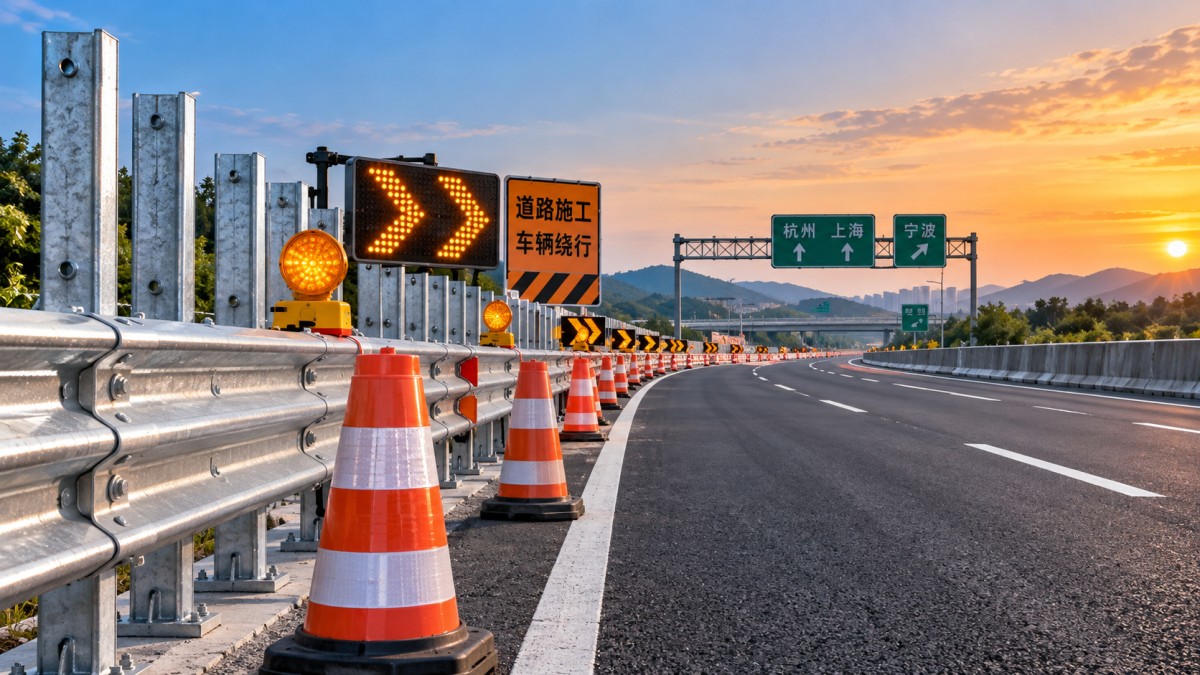
The first category is advance warning. It includes temporary signs, portable sign supports, warning boards, speed reduction notices, and route diversion information.
These devices should give drivers enough time to understand upcoming restrictions, slow down safely, choose alternate routes, and merge before reaching the work area.
The second category is channelization. Traffic cones, drums, delineator posts, temporary lane markers, and barricades guide road users through a predictable path.
Channelization equipment needs sufficient contrast, retroreflectivity, stability, and spacing to remain recognizable during darkness, rain, dust, and congested traffic conditions.
The third category is positive protection. Temporary barriers, guardrails, crash cushions, steel posts, and impact-rated systems help separate traffic from workers and hazards.
Finally, include supporting equipment such as work-zone lighting, portable signals, flagger paddles, communication radios, pavement marking materials, and monitoring devices.
Choose Protection Based on Consequence, Exposure, and Available Recovery Space
Physical protection decisions should be driven by the likely consequence of intrusion, rather than by a preference for the lowest initial equipment price.
Assess whether workers are exposed beside live lanes, whether excavations or fixed machinery create severe hazards, and whether errant vehicles have room to recover.
Where a vehicle departure could reach workers, deep excavations, bridge edges, or sensitive infrastructure, a properly designed containment system may be necessary.
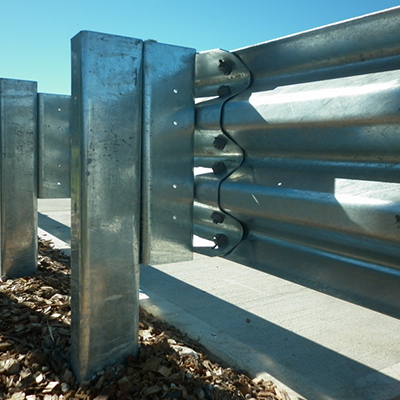
Guardrail components must work as a connected system. Posts, rails, blocks, terminals, foundations, and fasteners all affect how impact energy is transferred.
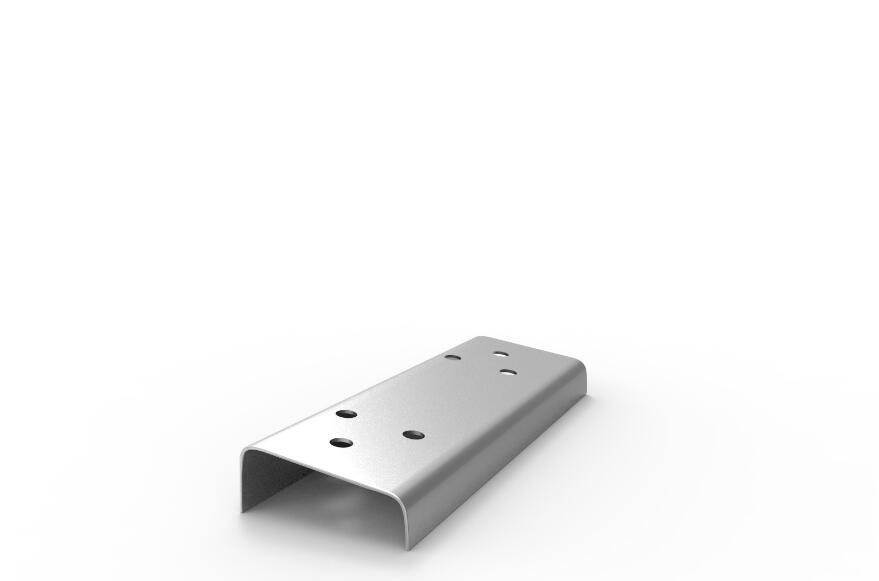
For highway guardrail applications, C Posts provide vertical support and transfer forces into the foundation, helping prevent significant overturning or lateral movement.
Standard spacing may be four meters, while critical locations can require two-meter spacing. Final spacing should always reflect approved design requirements and site conditions.
Managers should confirm galvanizing, corrosion resistance, dimensions, bolt compatibility, inspection records, and applicable international standards before accepting steel safety components.
Plan Signage and Channelization Around Driver Decision Points
Signs and delineators are effective only when drivers can see, read, interpret, and act on them before the available decision distance disappears.
Map every driver decision point, including lane reductions, merges, detours, temporary signals, pedestrian crossings, construction entrances, and changes in travel direction.
Place advance warning devices in a logical sequence. Each sign should provide one clear instruction instead of competing with multiple messages or unrelated site information.
Use a consistent taper and delineation pattern to show where traffic must move. Irregular spacing can make drivers hesitate or enter restricted areas.
Include spare signs, cones, lamps, and mounting hardware in the Traffic Management Equipment list because damaged or displaced devices require immediate replacement.
Night work demands additional checks for retroreflectivity, glare, battery life, lamp positioning, shadows, and whether equipment remains visible beside construction lighting.
Build the List Around Project Phases, Not Just the Initial Setup
Roadwork zones rarely remain static. The equipment needed for early survey work may differ substantially from requirements during excavation, paving, testing, and reopening.
Create separate quantities for mobilization, active construction, overnight closure, phased traffic switches, emergency response, and final demobilization to improve cost control.
Temporary arrangements should account for deliveries, plant movement, worker parking, material storage, and access for emergency vehicles without creating uncontrolled conflict points.
For longer projects, establish an equipment rotation plan. Cones, signs, barrier elements, and lighting units need cleaning, repair, inspection, and replacement over time.
Seasonal conditions also matter. Rain, snow, wind, flooding, heat, and reduced daylight can change the stability, visibility, and maintenance needs of temporary controls.
A phased list also improves procurement timing, preventing excessive equipment rentals while ensuring critical protection is available before each higher-risk activity begins.
Use Inspection Rules to Protect Schedule, Compliance, and Budget
Purchasing the correct equipment does not guarantee a safe work zone. The project team needs defined inspection ownership, frequencies, records, and corrective actions.
Assign competent personnel to inspect the site before shifts, after major traffic changes, after severe weather, and following any reported vehicle impact.
Inspection records should cover missing signs, damaged barriers, loose fasteners, faded markings, depleted lights, unstable bases, blocked sightlines, and unauthorized access.
Set response times for defects according to risk. A displaced barrier near live traffic requires faster intervention than a minor cosmetic issue in a closed storage area.
Documenting inspections supports regulatory compliance, demonstrates reasonable control of foreseeable risks, and helps identify recurring problems caused by layout or supplier quality.
For steel protection systems, retain material certificates, galvanizing information, installation records, and approval documents so future maintenance decisions are properly informed.
Evaluate Suppliers Beyond Unit Price
Project managers should evaluate suppliers on technical suitability, delivery reliability, documentation quality, customization capacity, and installation support alongside quoted unit prices.
Low-cost equipment that fails early, lacks traceability, arrives late, or does not fit the approved layout can create larger schedule and safety costs.
Ask whether the supplier can manufacture components from drawings, adapt non-standard steel products to site conditions, and provide matching connectors or energy-absorbing elements.
Confirm lead times for both standard and custom items. A traffic switch should never depend on critical protection materials that have not been inspected and delivered.
Request a quotation that separates manufacturing, transport, installation, spare components, testing, and maintenance requirements, making total project cost easier to compare.
Turn the Equipment List Into a Practical Control Tool
A strong Traffic Management Equipment list is not simply a purchasing schedule. It is a project control tool linking design decisions, field operations, safety obligations, and budget accountability.
Prioritize equipment according to risk exposure, define requirements for every construction phase, and verify that all protective systems function as complete assemblies.
When signage, channelization, lighting, barriers, and steel protection are planned together, project managers can reduce disruption while protecting workers and road users more reliably.
The best final list is specific to the site, easy for supervisors to inspect, supported by clear supplier documentation, and flexible enough for changing roadwork conditions.
